
DISCOVER Bolivia


Every Place Has a Story
Bolivia Travel Guide
Bolivia is one of South America’s most underrated and fascinating destinations. Raw, wildly diverse, and deeply rooted in indigenous culture, this incredible country offers everything from some of the most surreal landscapes I’ve ever seen to vibrant cities perched high in the Andes.
With elevations reaching well over 3,600 meters above sea level, traveling through Bolivia quite literally takes you to new heights.
This Bolivia travel guide will help you understand the country’s regions, highlights, and must-see places, so you can plan an unforgettable journey traveling through Bolivia, one of the most unique destinations in South America.

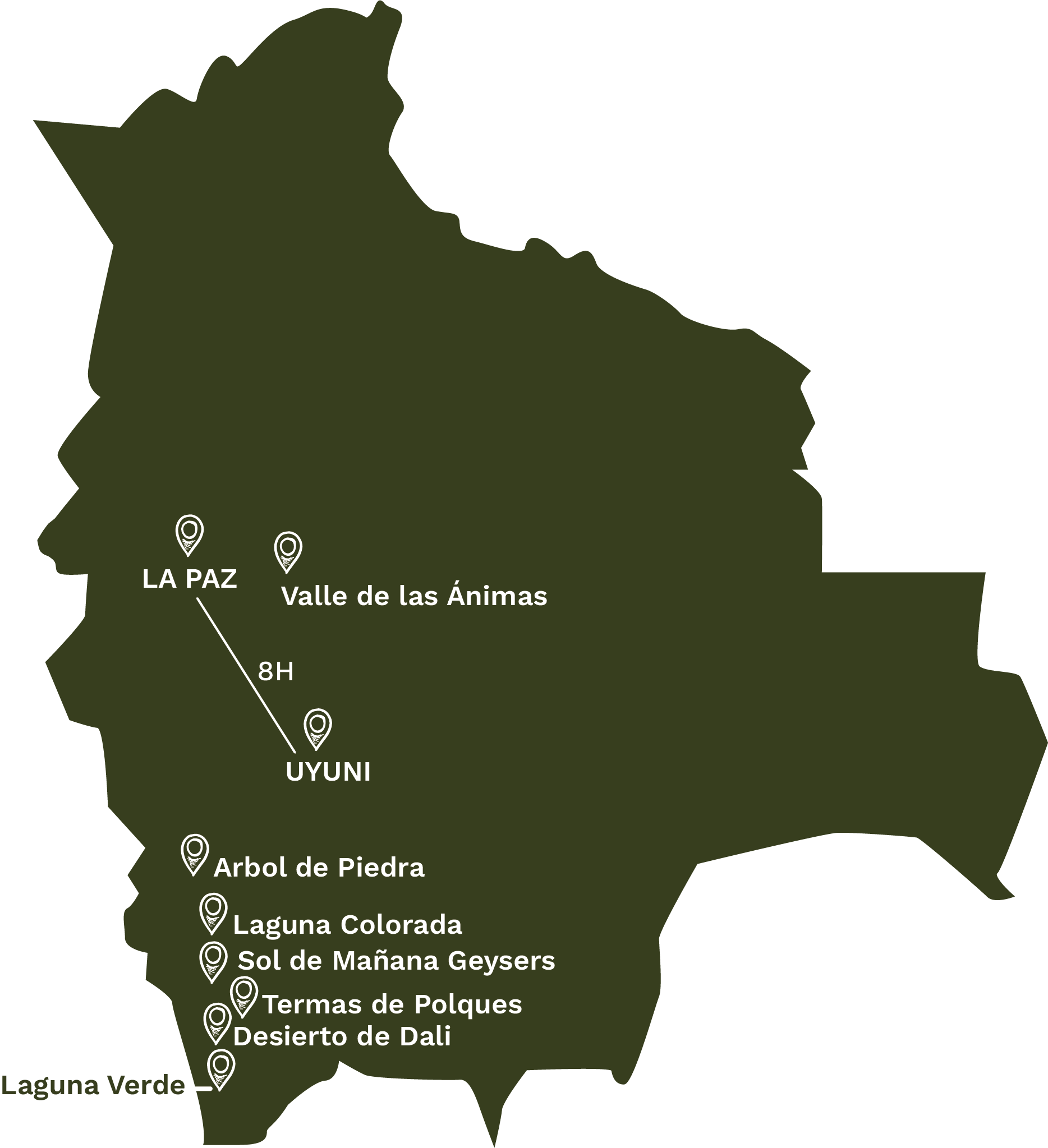
One country, many experiences
Discover the Different Sides of
Bolivia
The most dramatic cityscape
La Paz
La Paz is unlike any other city in the world and it will quite literally take your breath away. And I mean that literally. Sitting at over 3,600 meters (12,000 ft) above sea level, it is the highest administrative capital on Earth.
Parts of its metropolitan area rise beyond 4,000 meters (13,000 ft), making it one of the highest urban regions on the planet. The city stretches dramatically across a wide canyon, with colorful houses clinging to steep hillsides and snow-capped Andean peaks rising in the background.
I would describe it as chaotic, vibrant, and full of character. La Paz is the cultural and political heart of Bolivia.
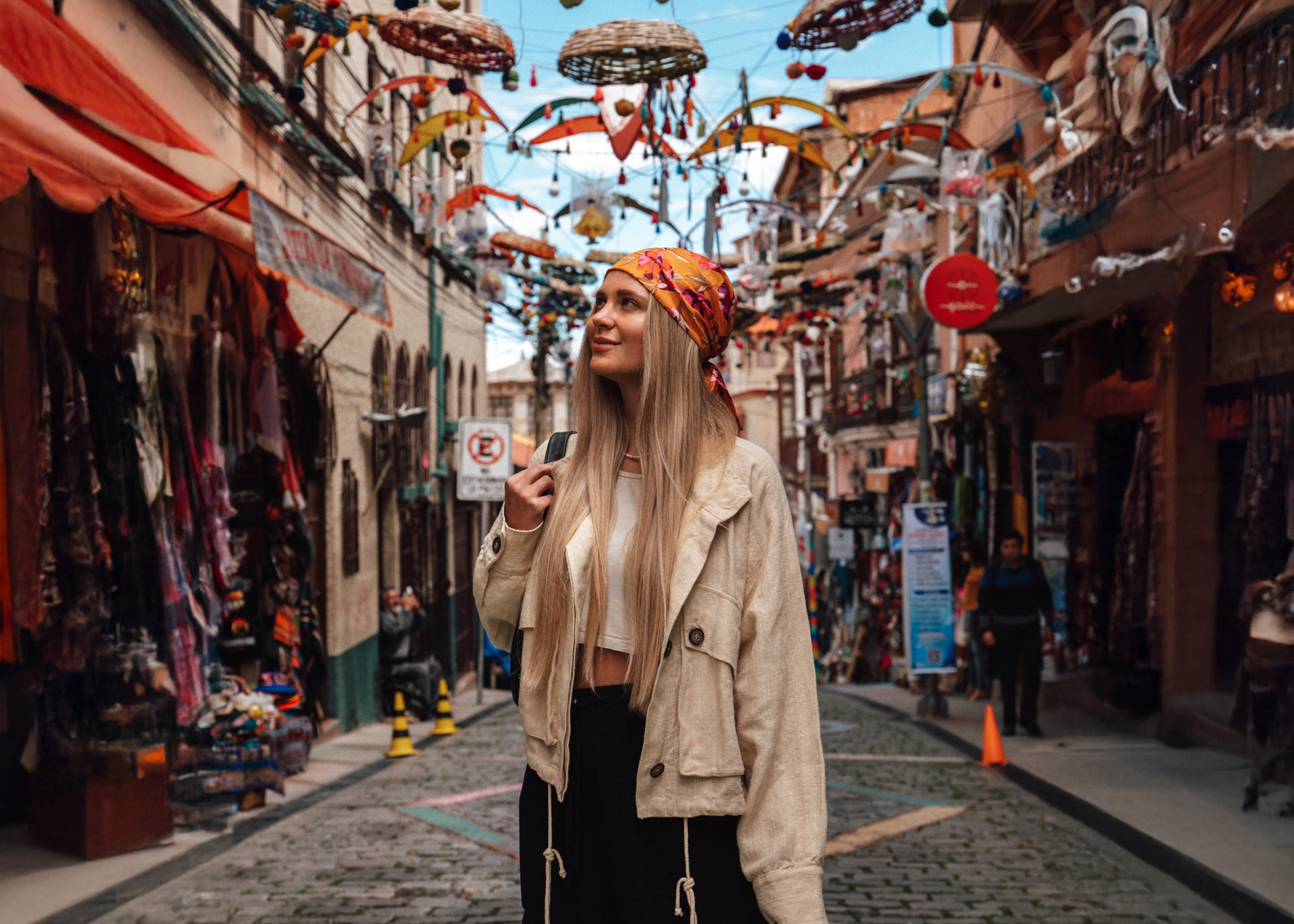 Witches’ Market
Why Visit La Paz?
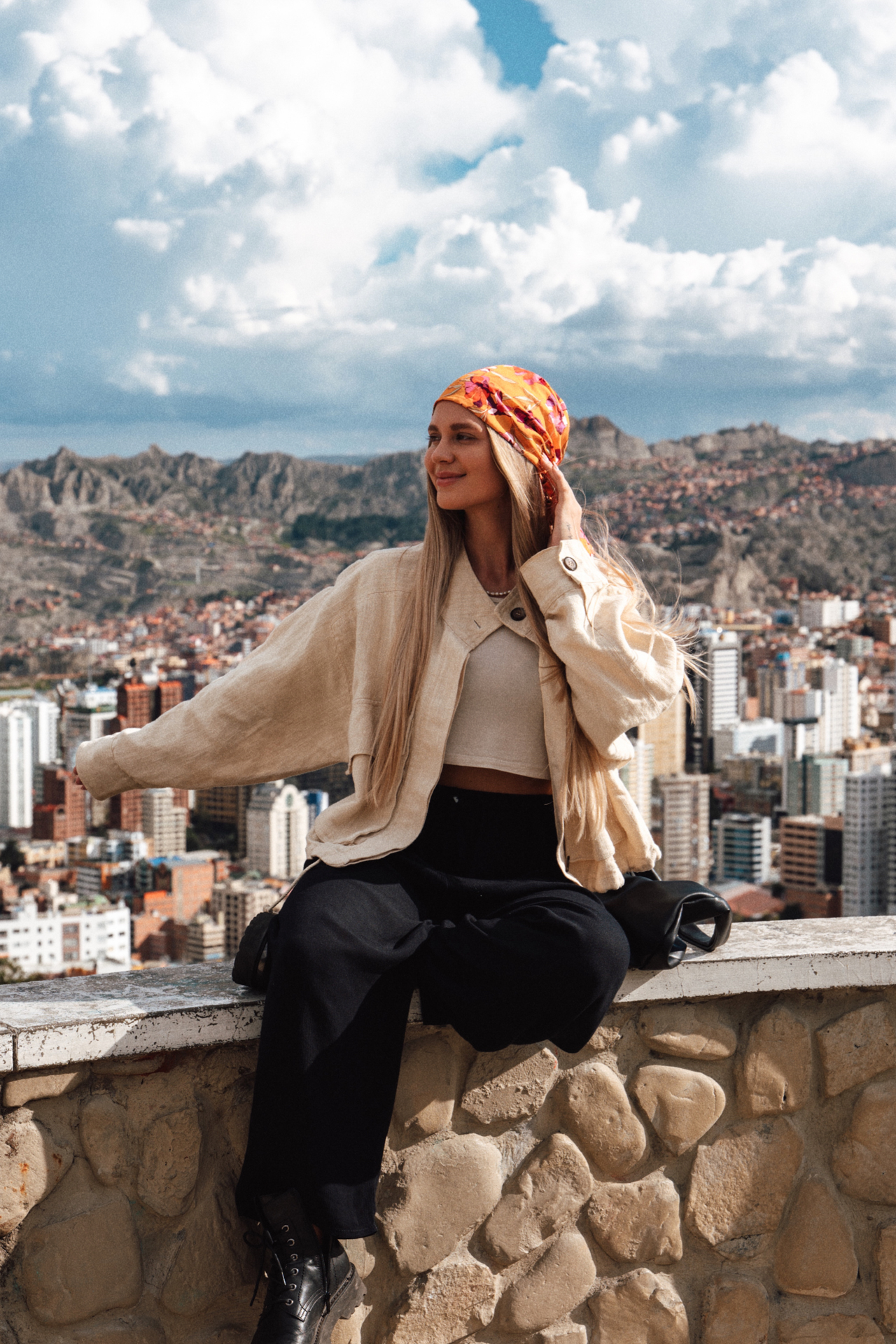 Mirador Killi Killi
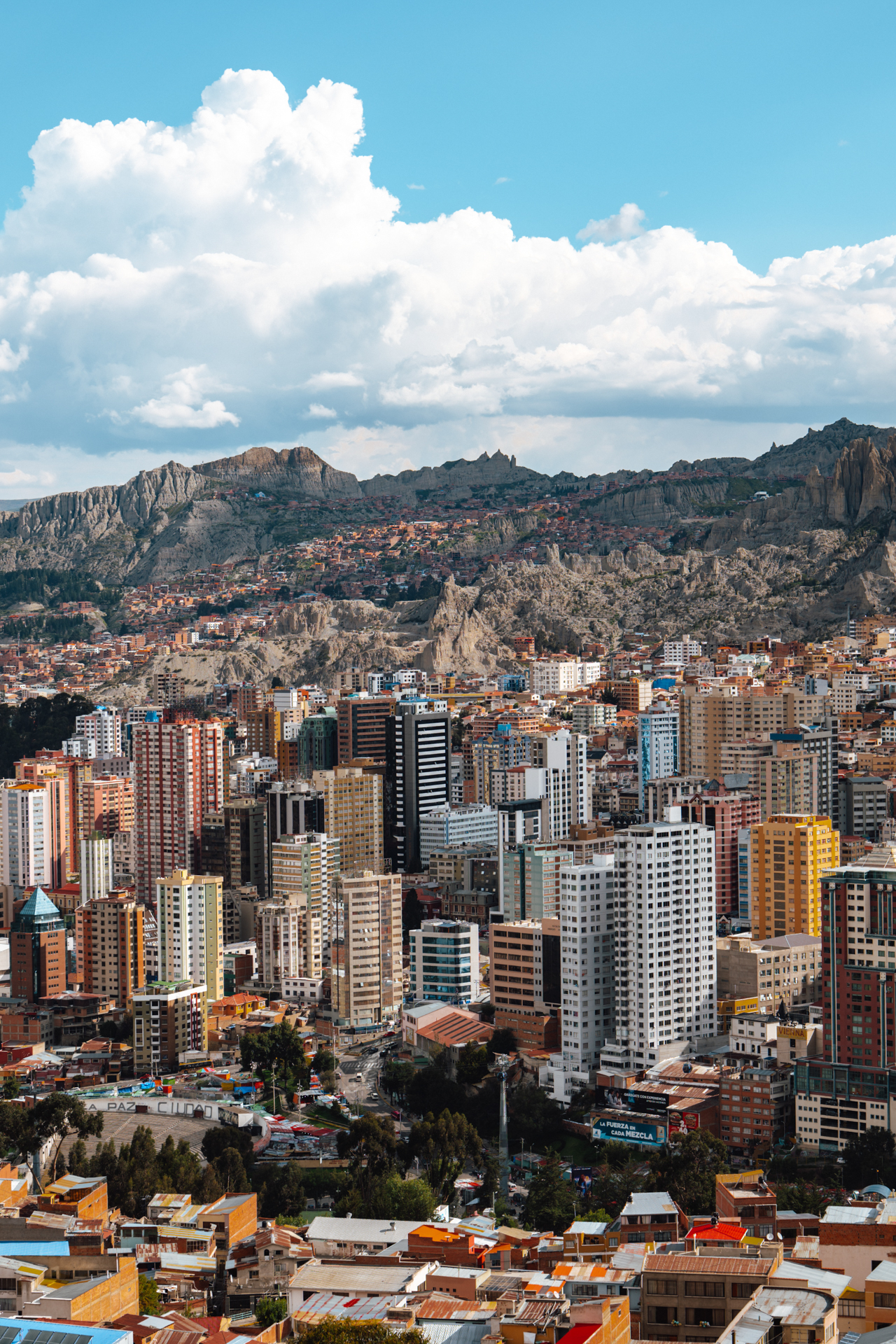 Mirador Killi Killi
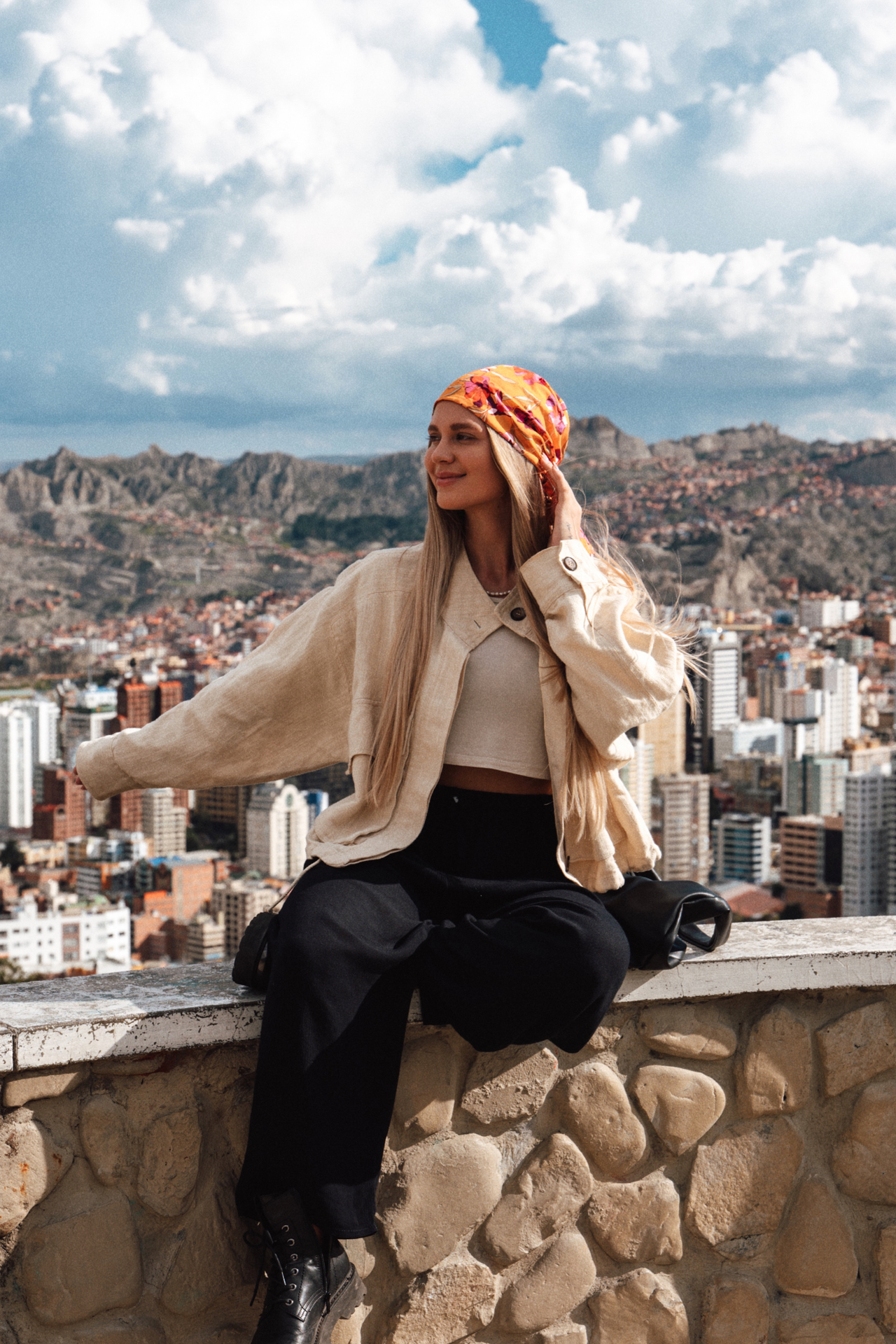 Mirador Killi Killi
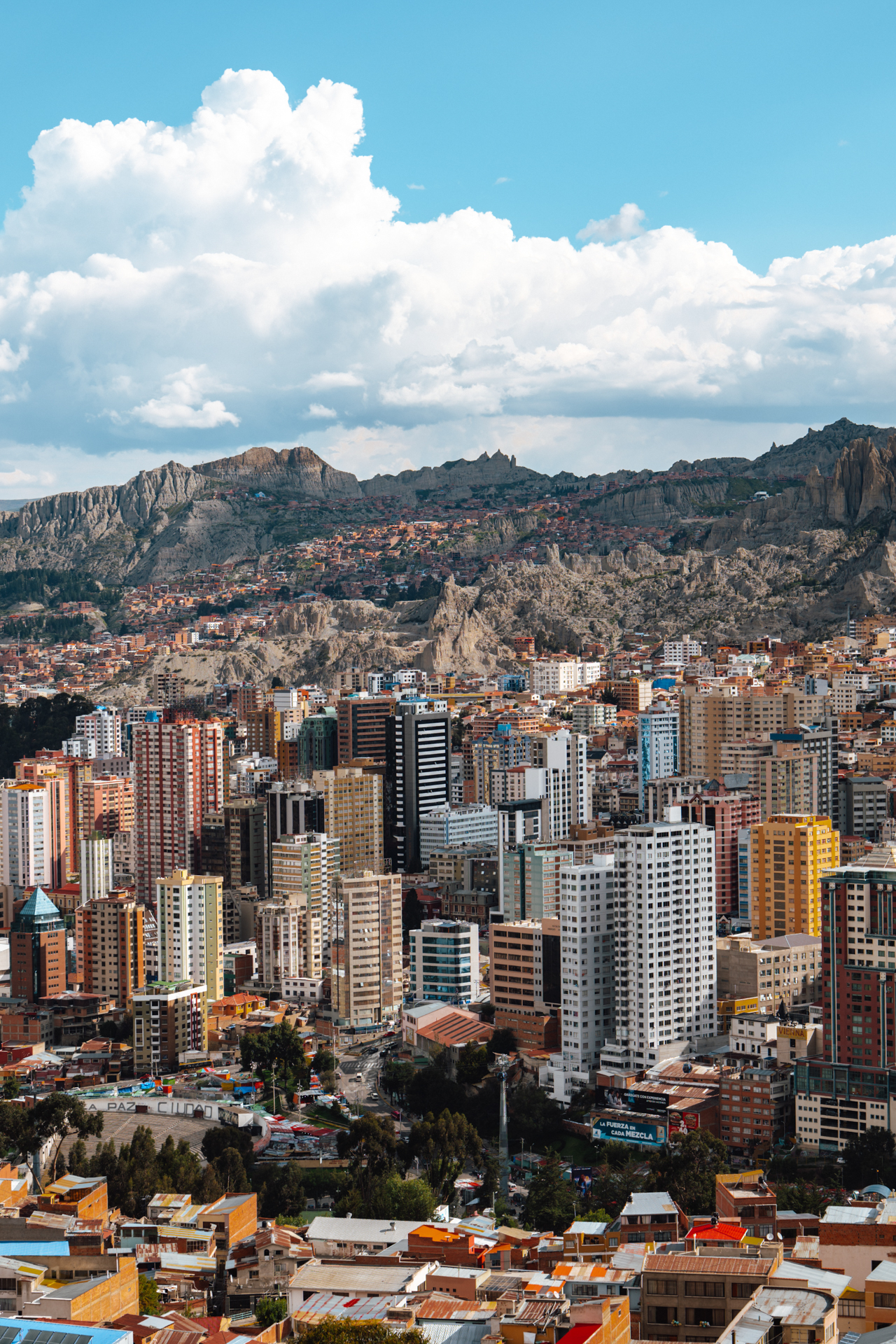 Mirador Killi Killi
Best Things to Do and See in La Paz
 Chualluma
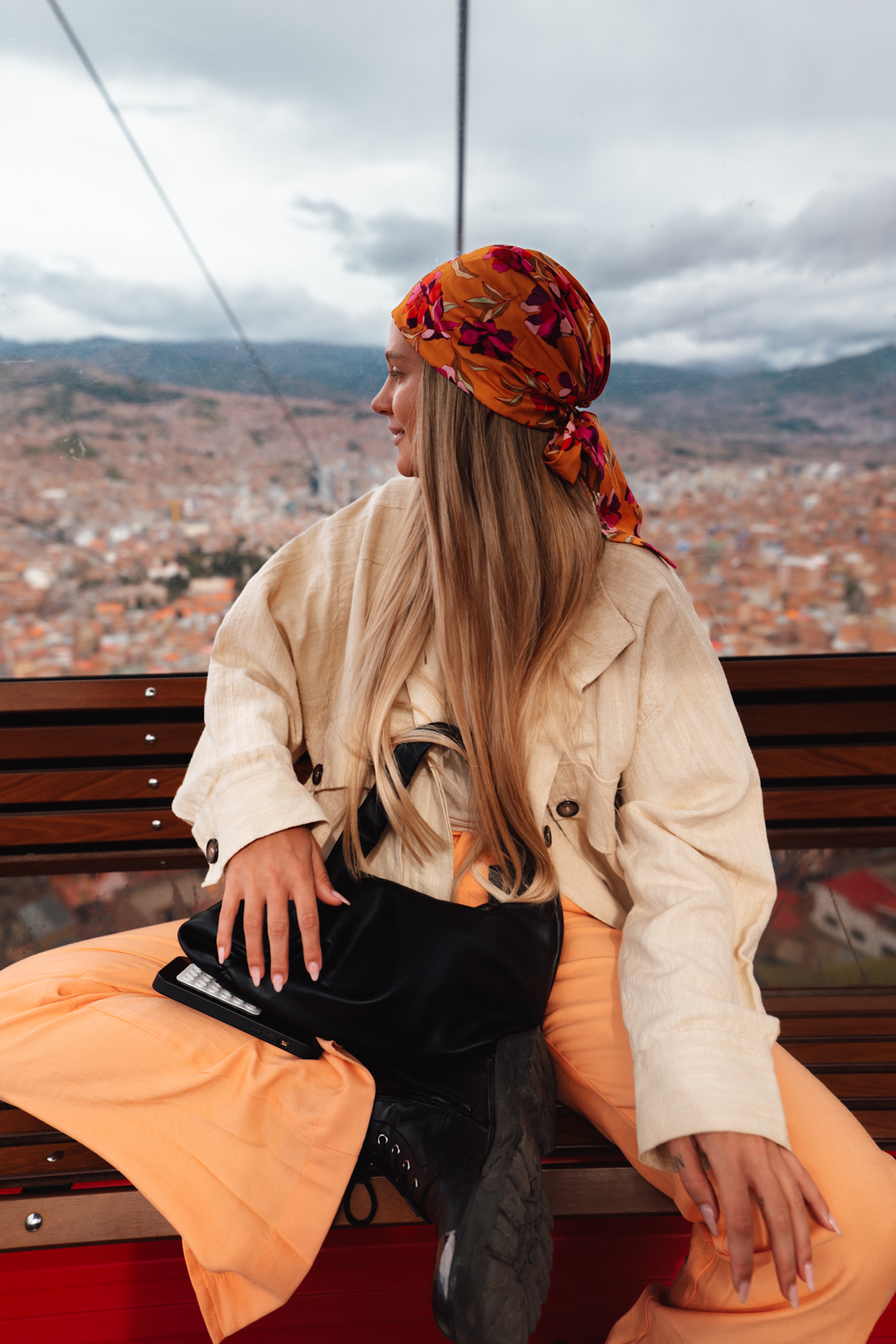 Mi Teleférico
 Chualluma
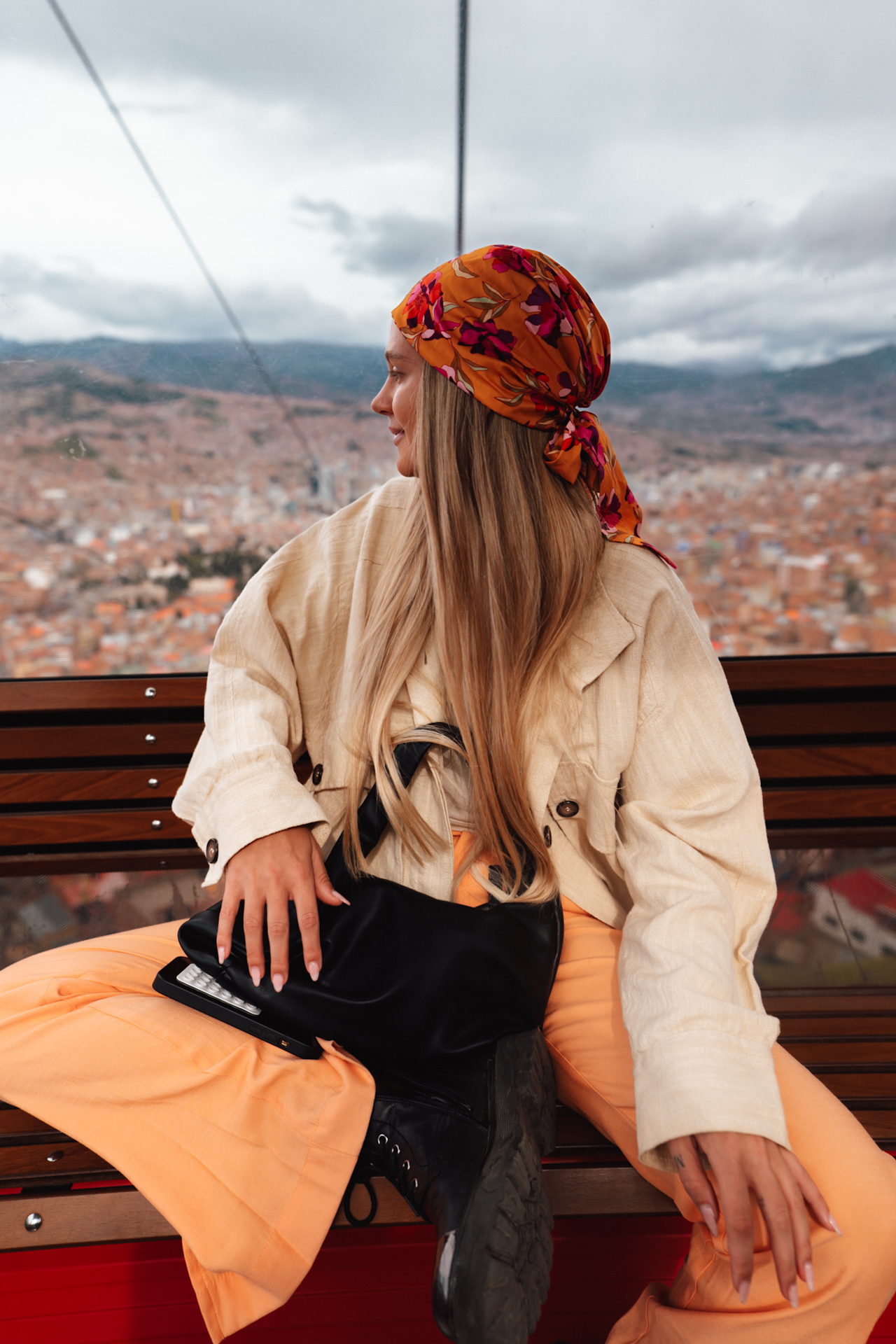 Mi Teleférico

Looking for a La Paz Travel Guide & Tips?
A unique natural formation
Valle de las Ánimas
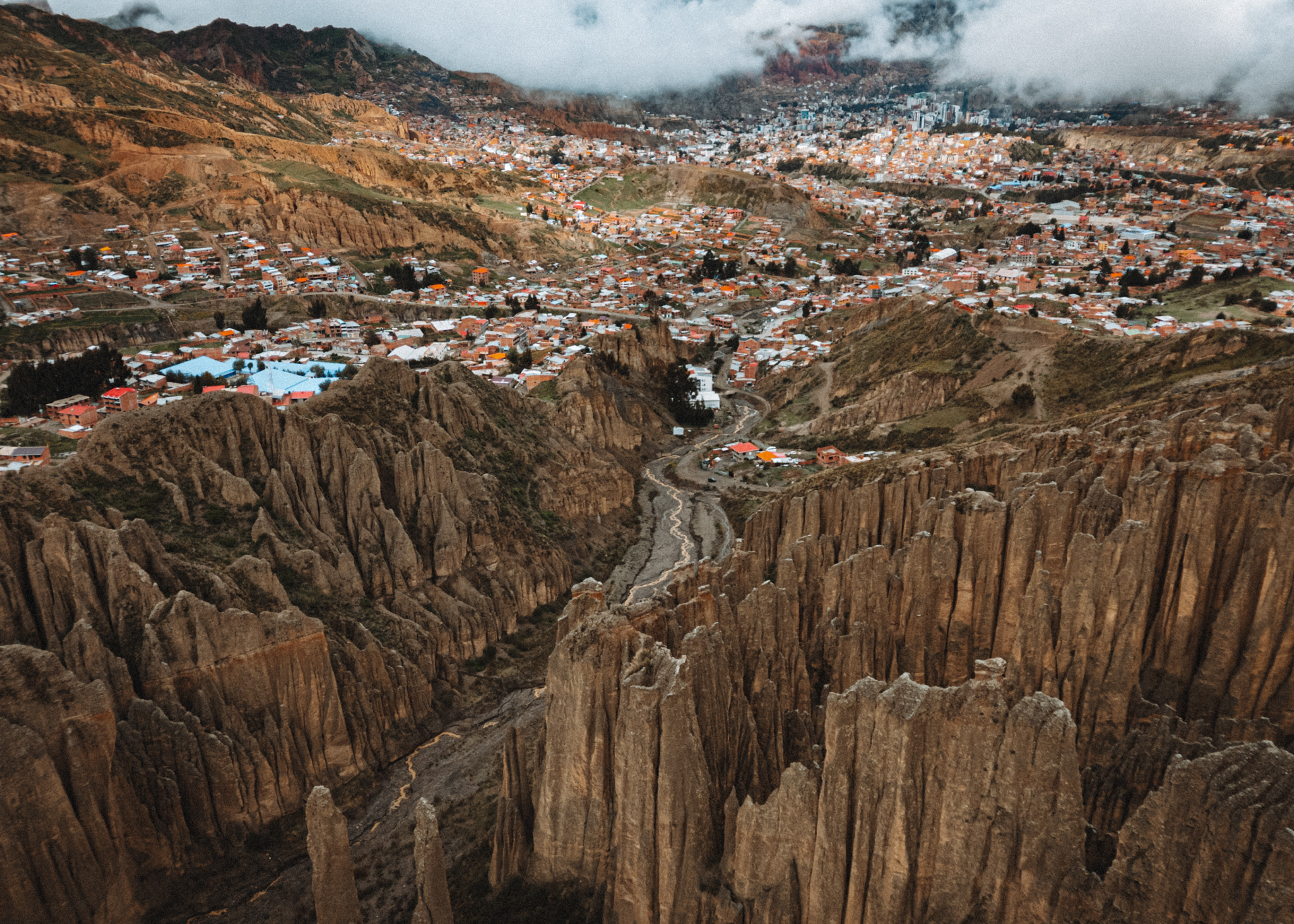
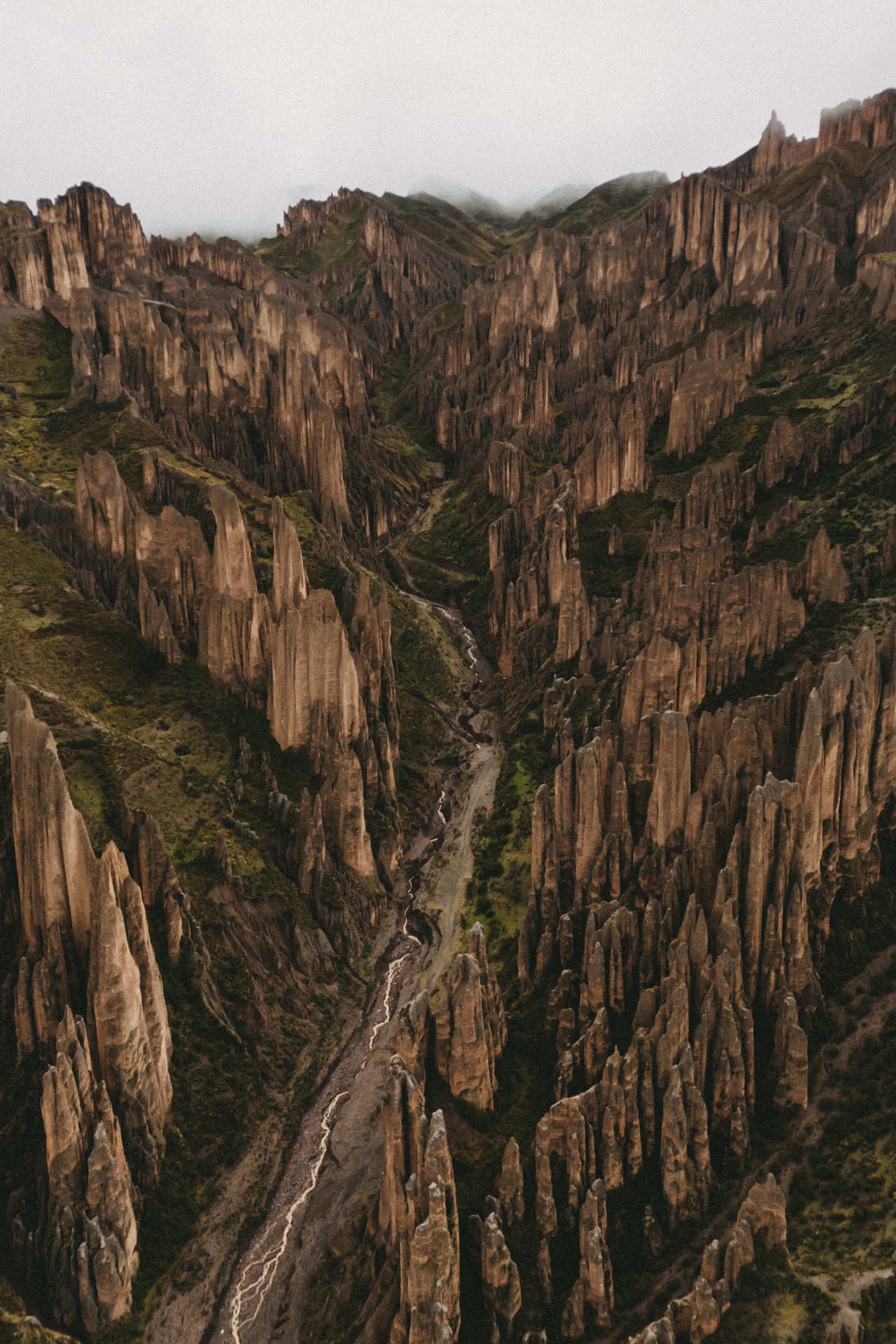
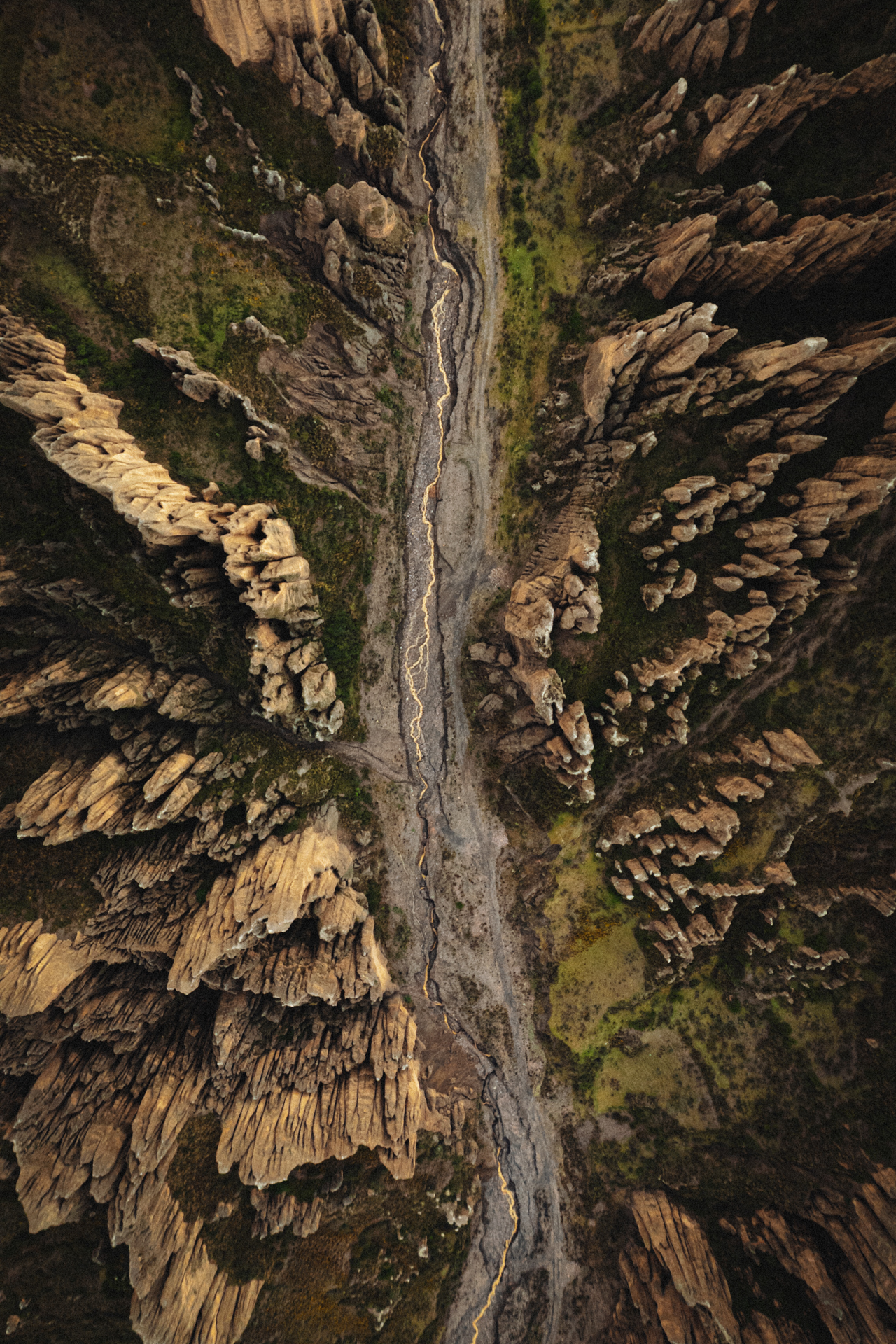
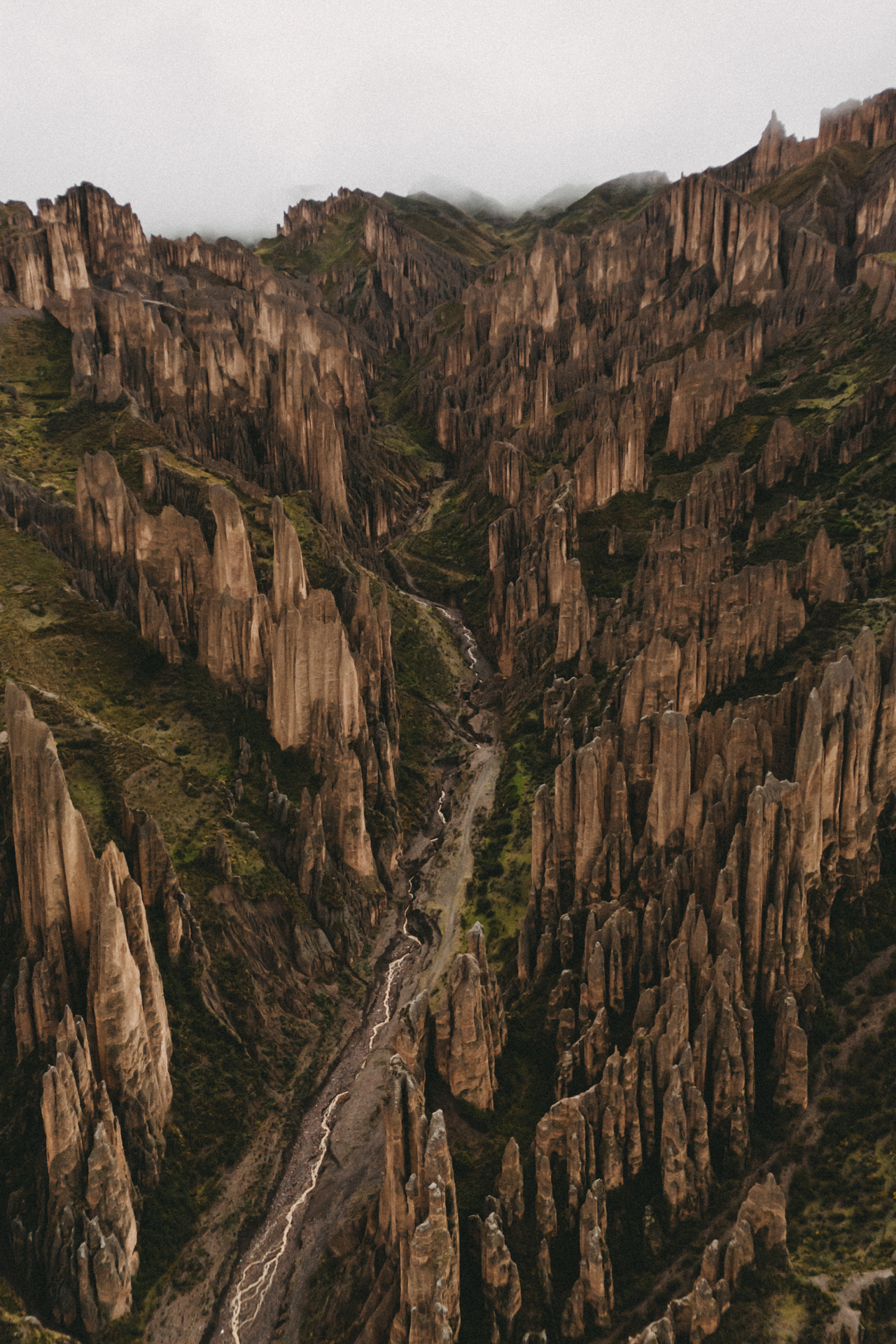
Located just outside La Paz, Valle de las Ánimas is a dramatic natural landscape known for its towering, needle-like rock formations shaped by centuries of erosion.
Set high in the Andes, the valley offers a striking contrast to the city and feels almost otherworldly. The site is only around 30 minutes by car from La Paz, making it an easy and rewarding full-day escape into Bolivia’s raw and untamed nature.
Why Visit Valle de las Ánimas?

Valle de las Ánimas translates to “the Valley of Souls.” When the valley was first discovered, locals believed the towering rock spires were petrified souls, frozen in time and watching over the landscape.
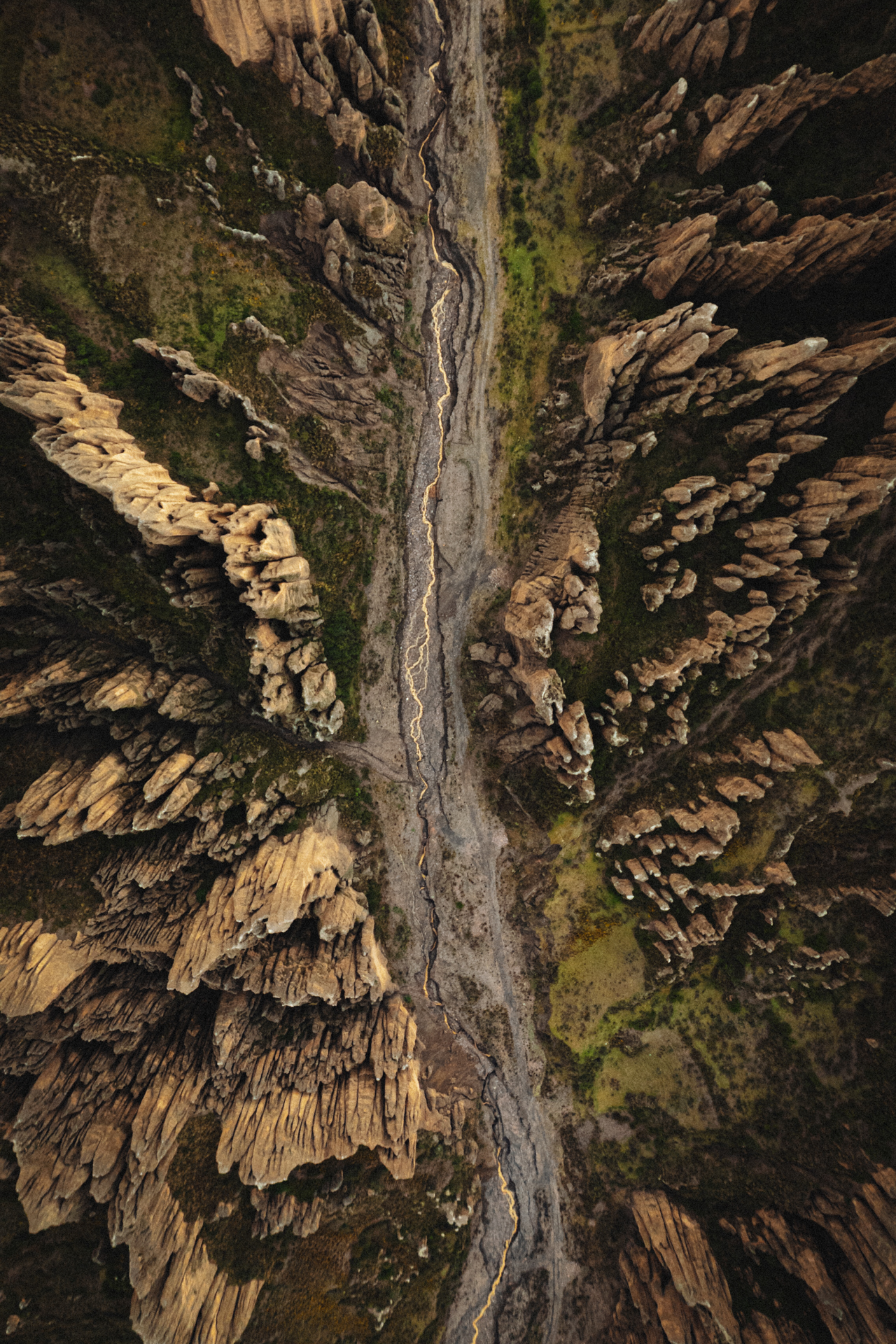
Best Things to Do and See in Valle de las Ánimas
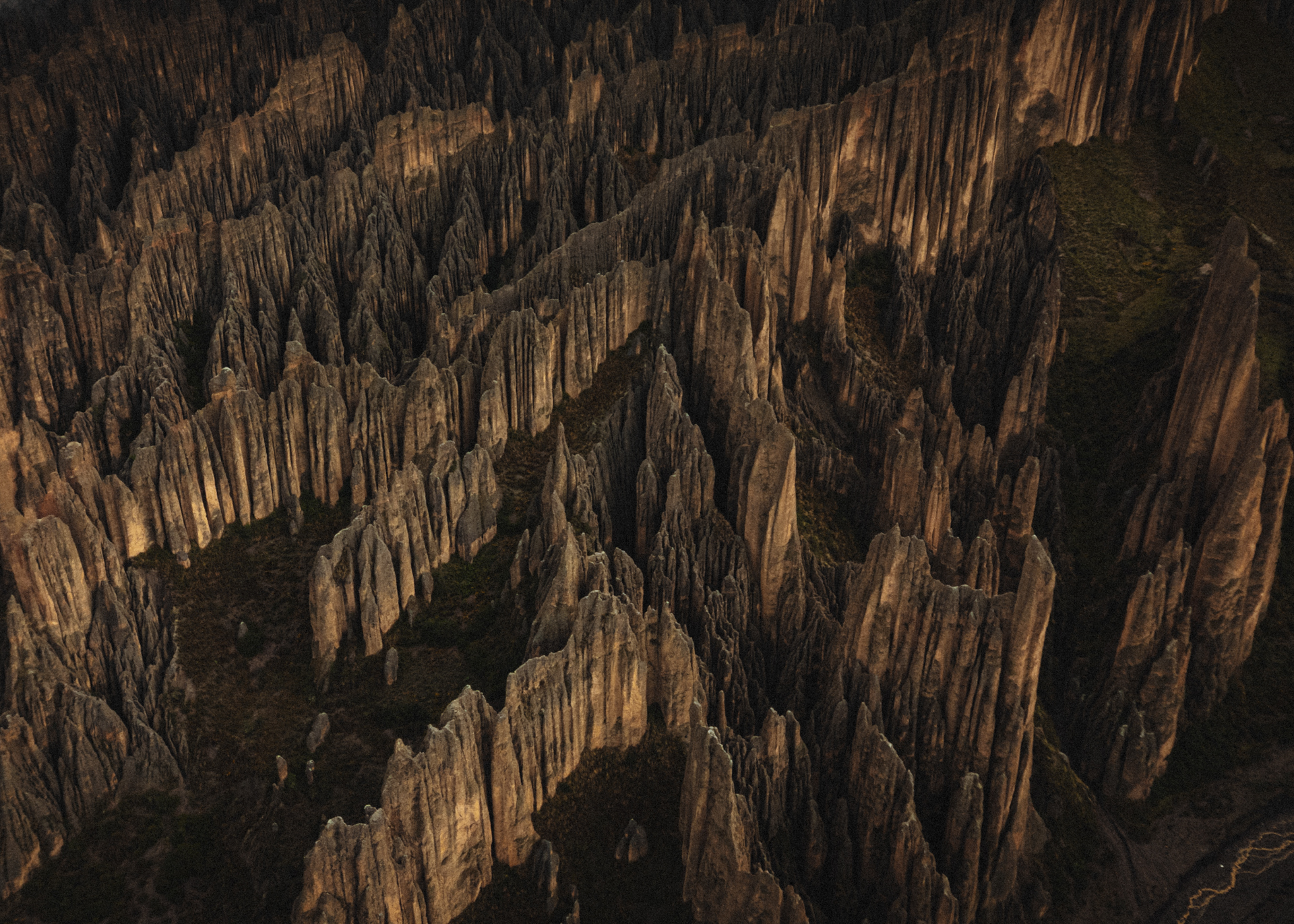
Looking for a Valle de las Ánimas Travel Guide & Tips?
THE WORLD’S LARGEST SALT FLAT
Salar de Uyuni
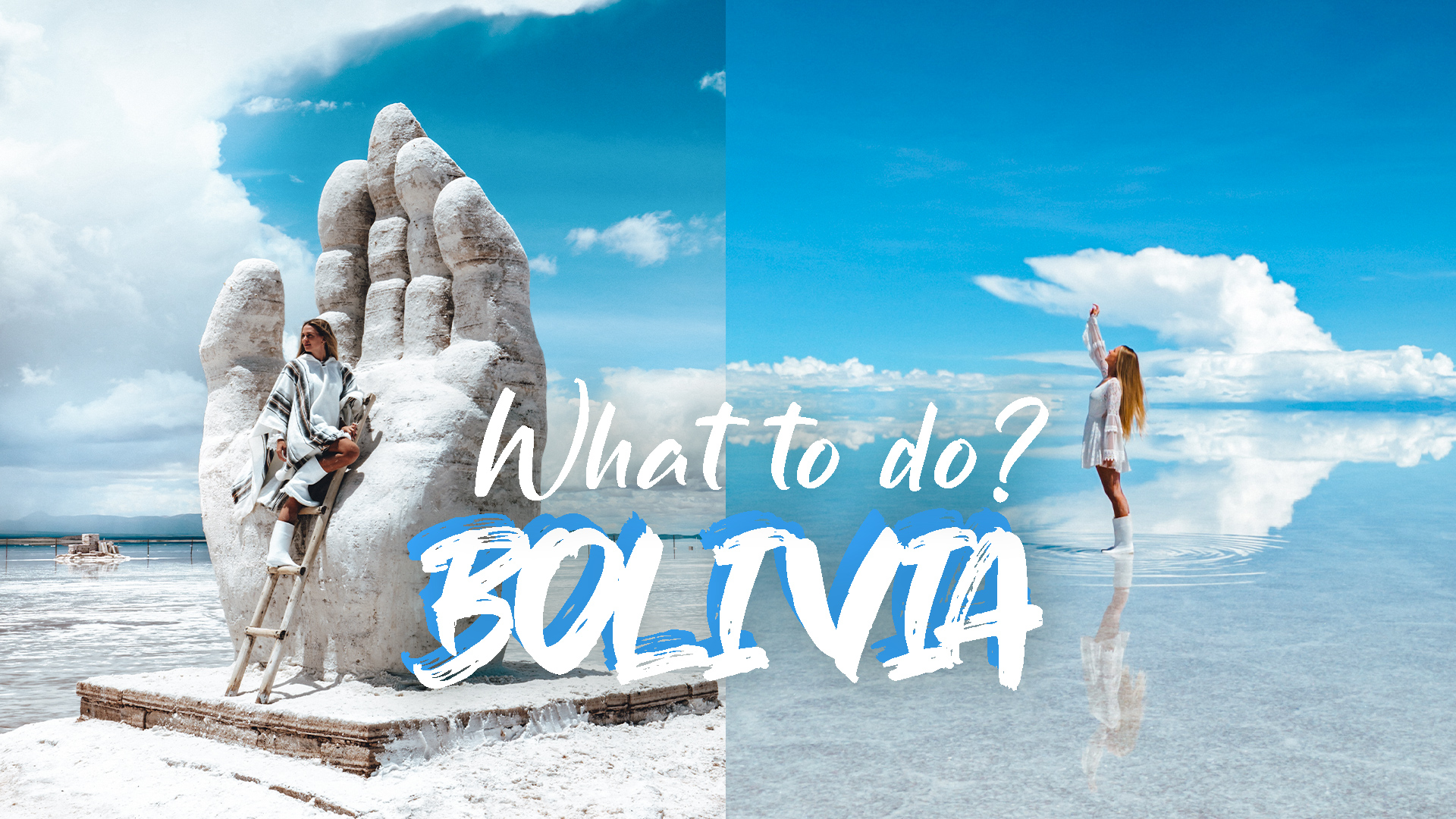
Salar de Uyuni is the largest salt flat in the world! And also one of the most surreal places you can visit on Earth.
Stretching endlessly across southern Bolivia, this endless white landscape feels completely unreal, especially during the rainy season when it turns into a giant natural mirror, while in the dry season its cracked salt surface forms geometric patterns that stretch for miles in every direction.
It’s one of Bolivia’s most iconic destinations and a true highlight of any trip.
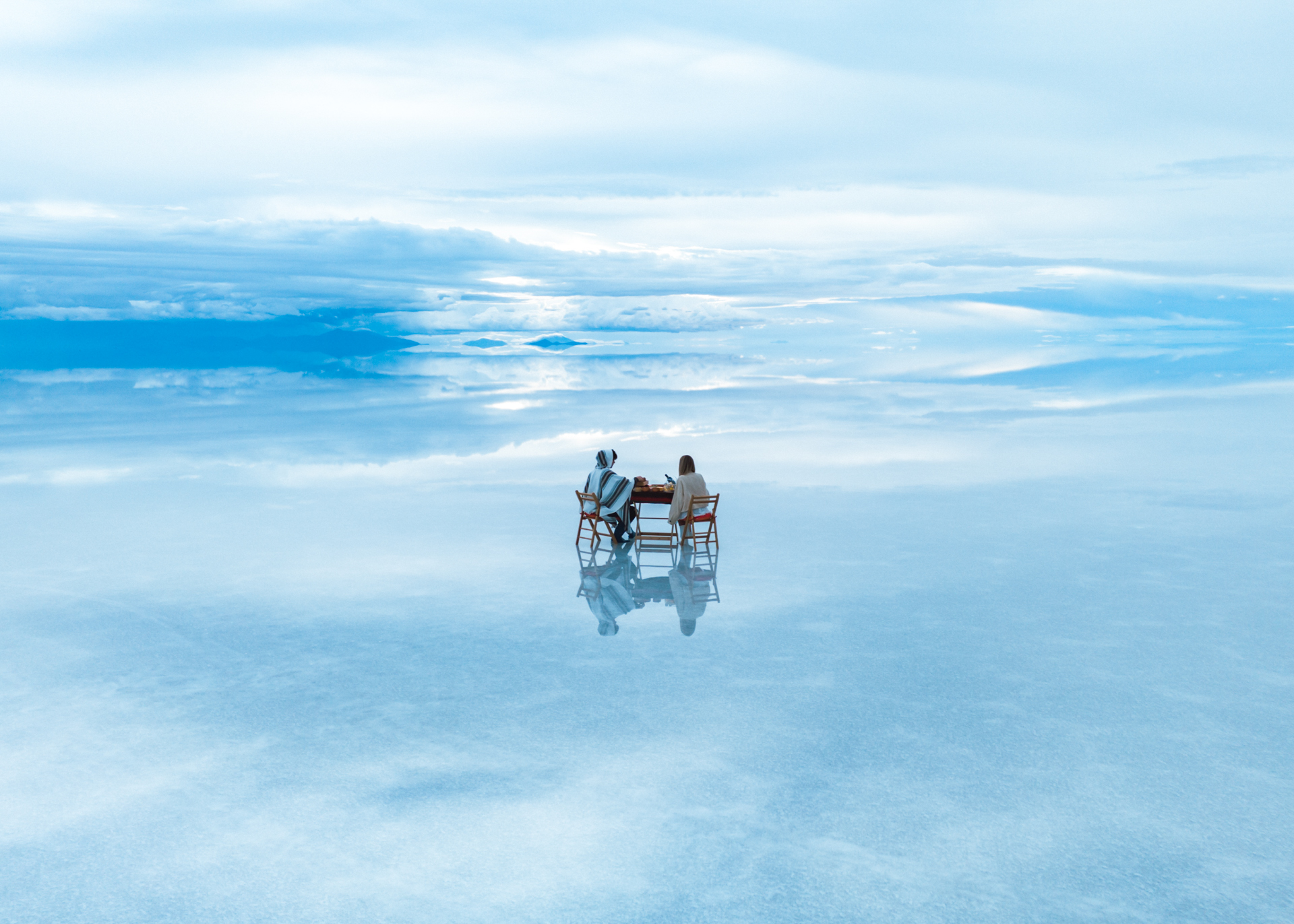
Why Visit Salar de Uyuni?
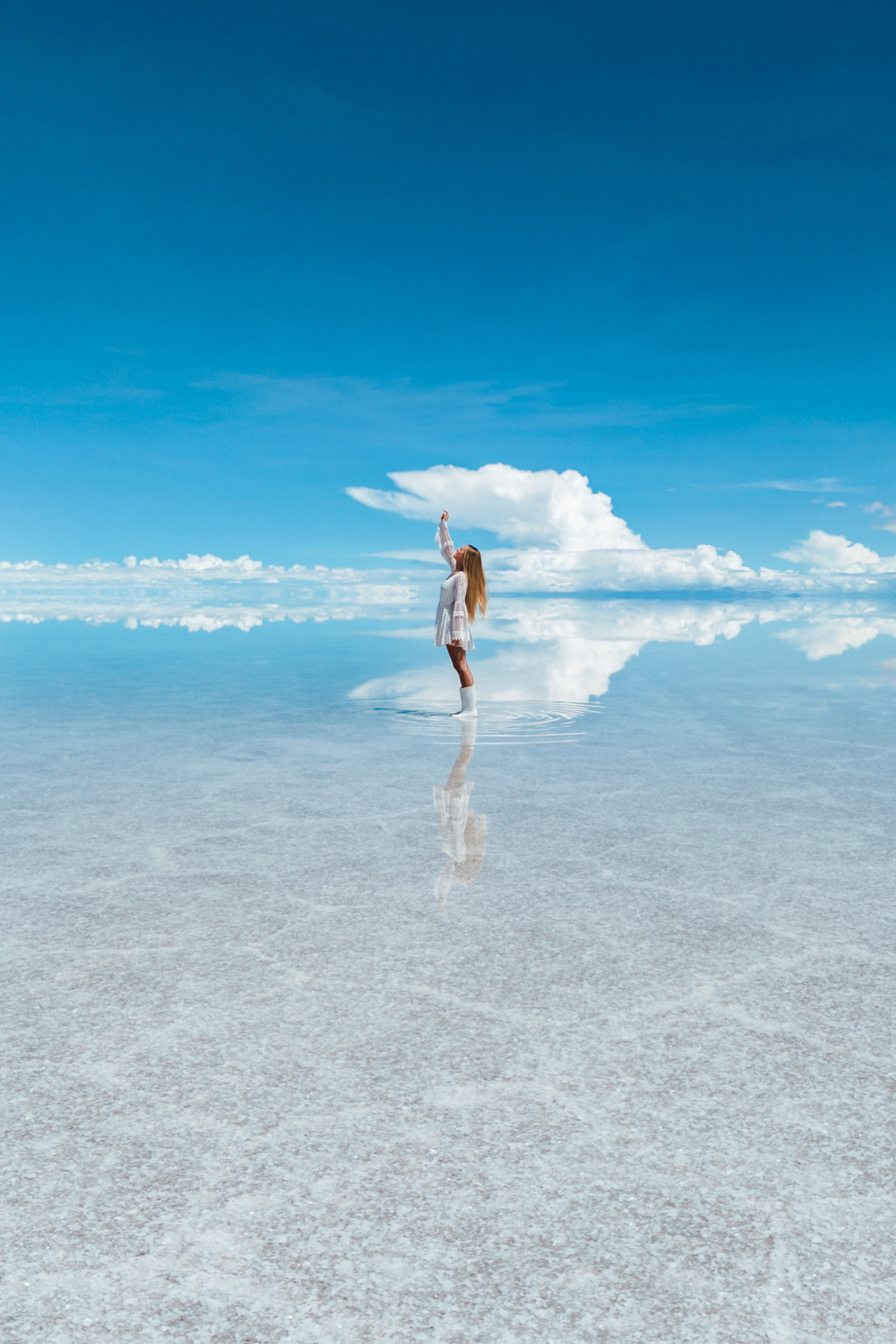
The famous mirror effect on the Bolivian salt flats can be seen during the rainy season, which usually runs from January to March. During this time, a thin layer of water covers the surface of Salar de Uyuni, creating a surreal natural mirror that reflects the sky almost perfectly.
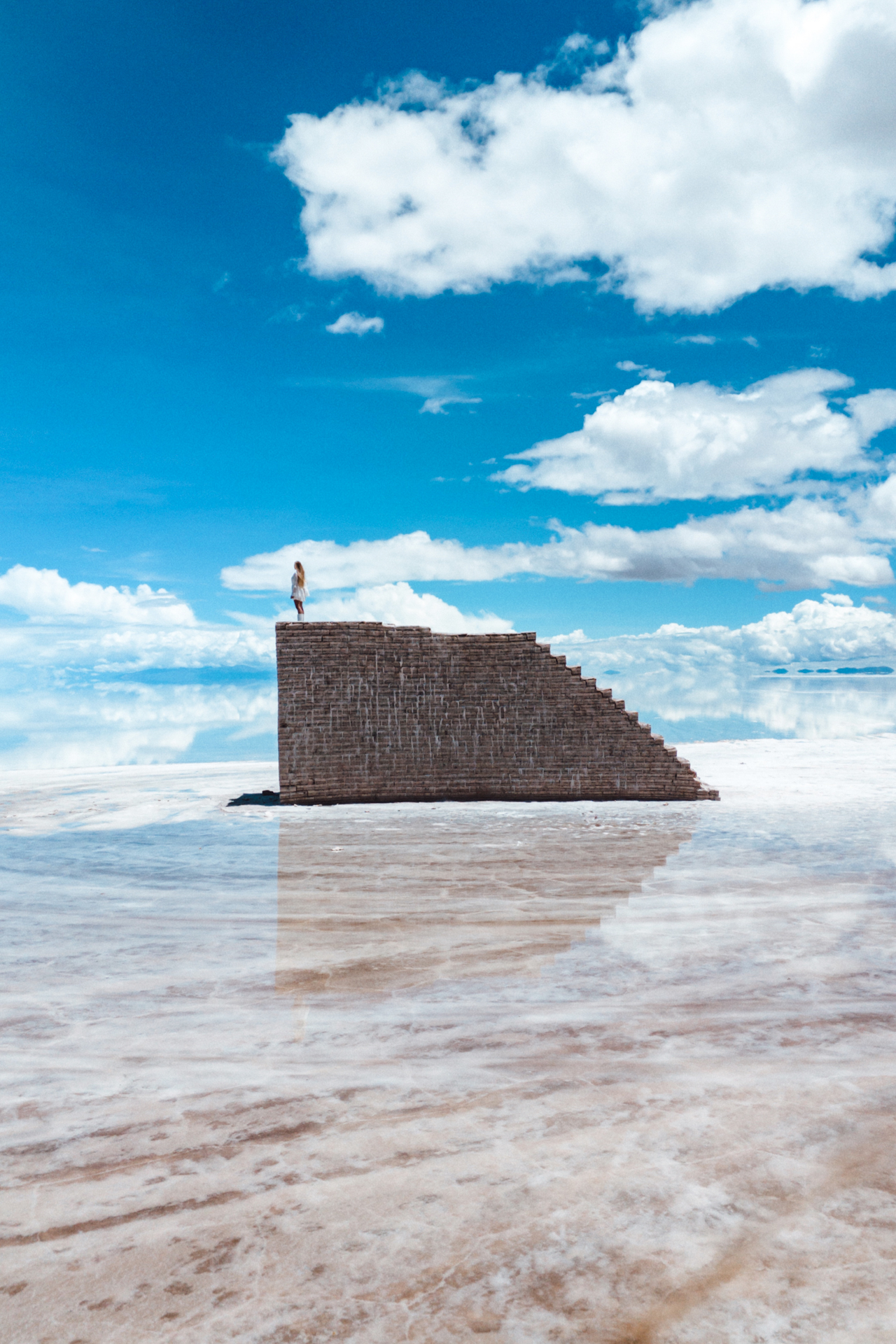 Stairway to Heaven
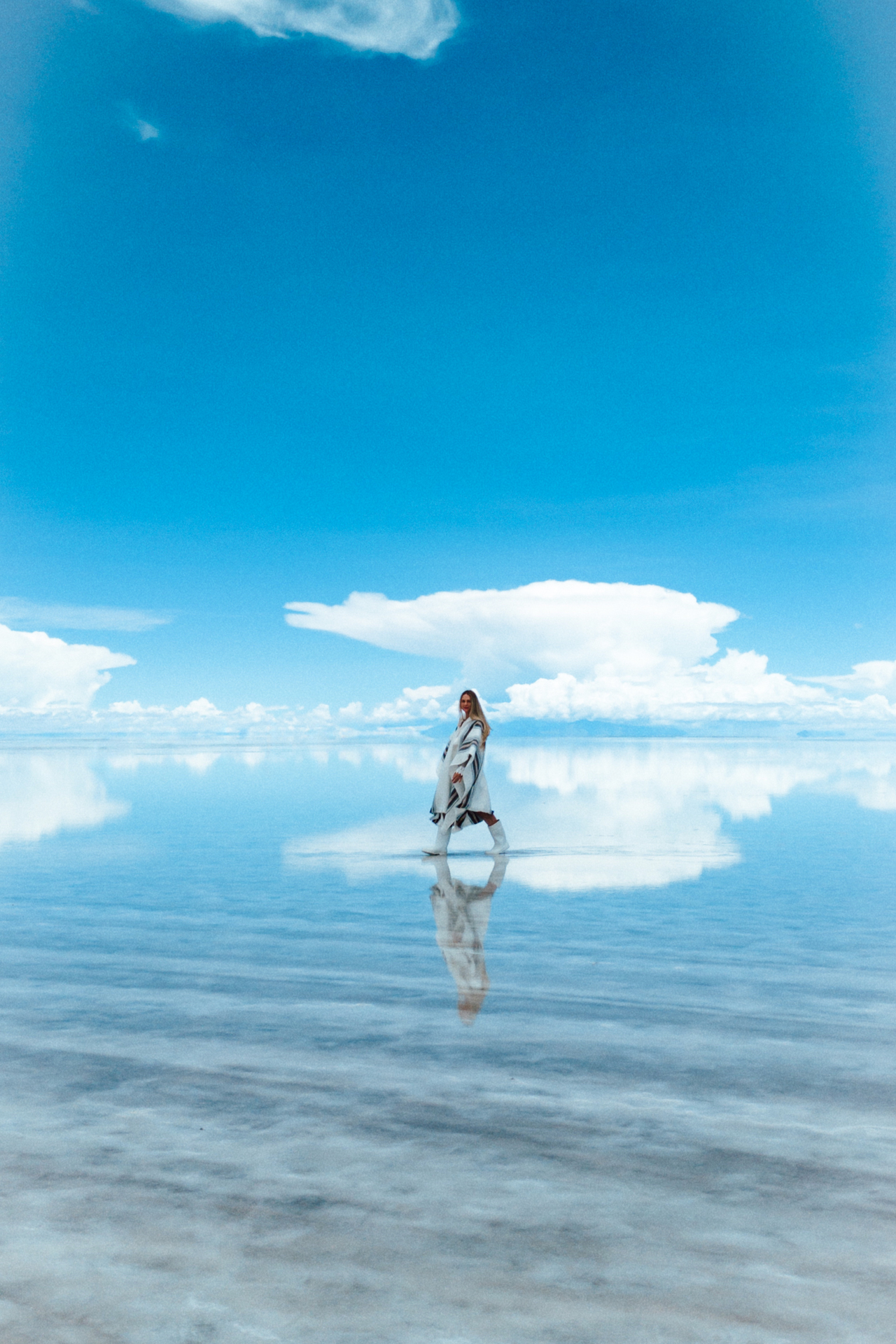 Uyuni Salt Flats
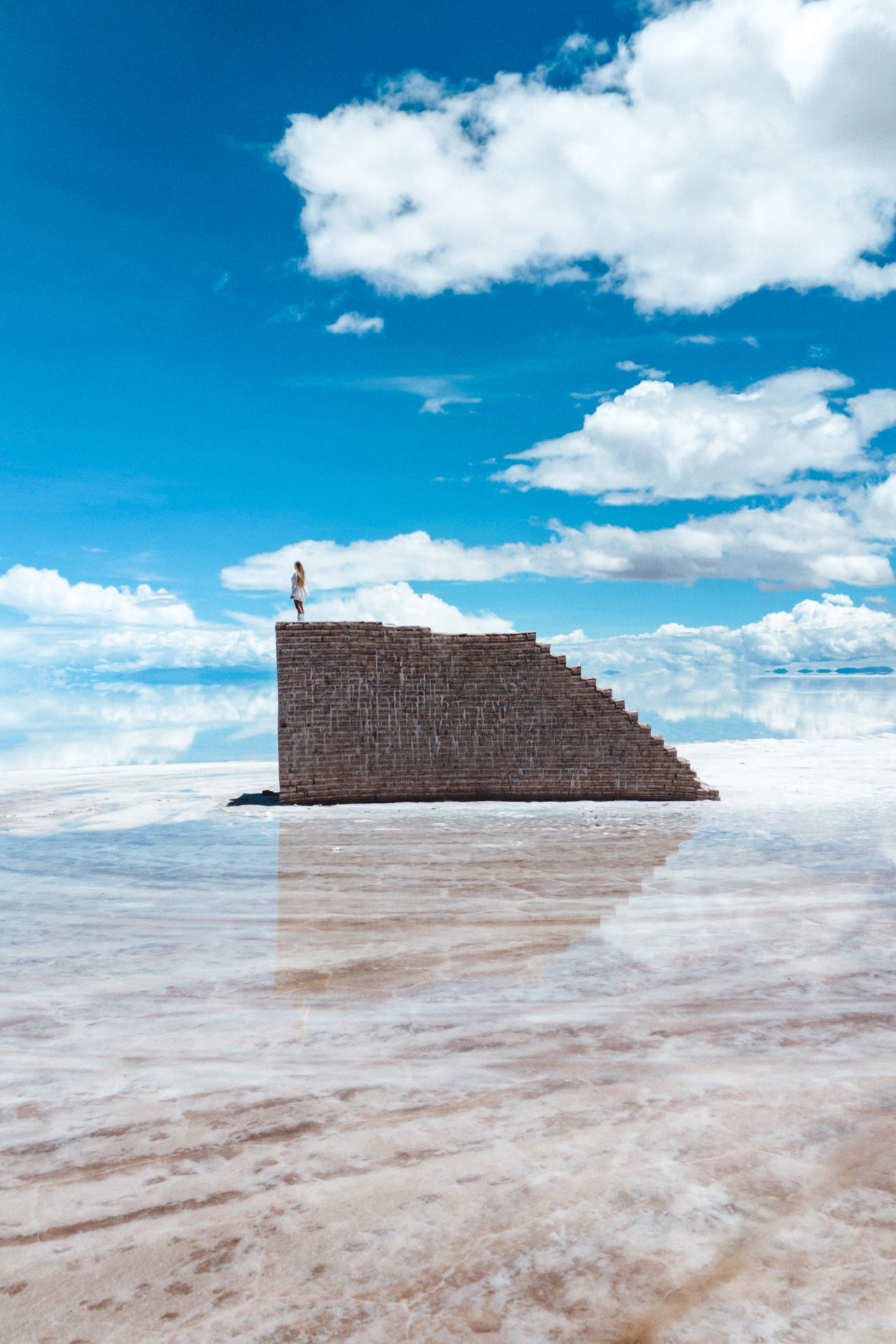 Stairway to Heaven
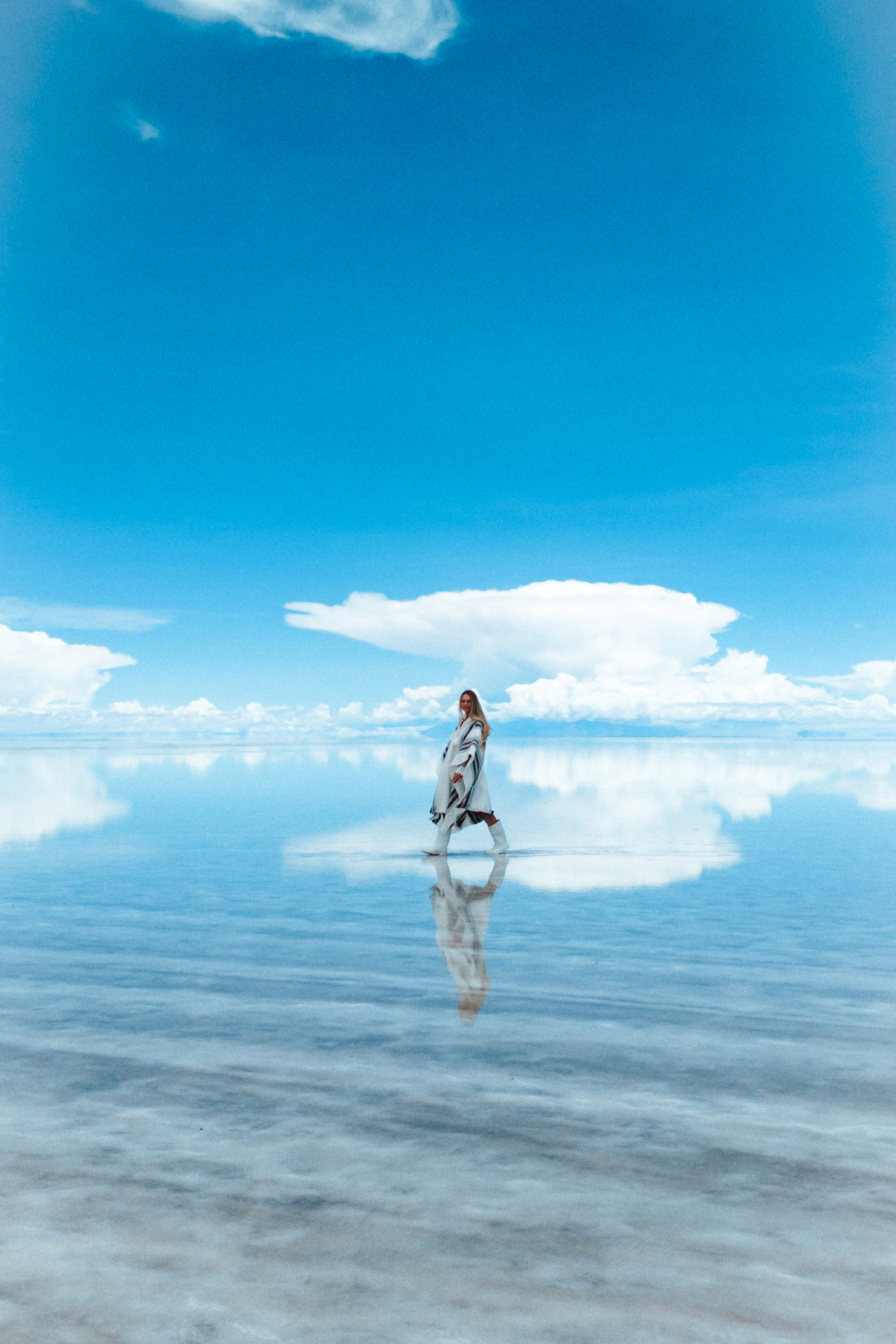 Uyuni Salt Flats
Best Things to Do and See in Salar de Uyuni
Rental cars are not allowed on the salt flats. Driving on Salar de Uyuni is only permitted with authorized tour operators using specialized 4x4 vehicles. To explore the salt flats safely and responsibly, joining an organized or private tour is essential.
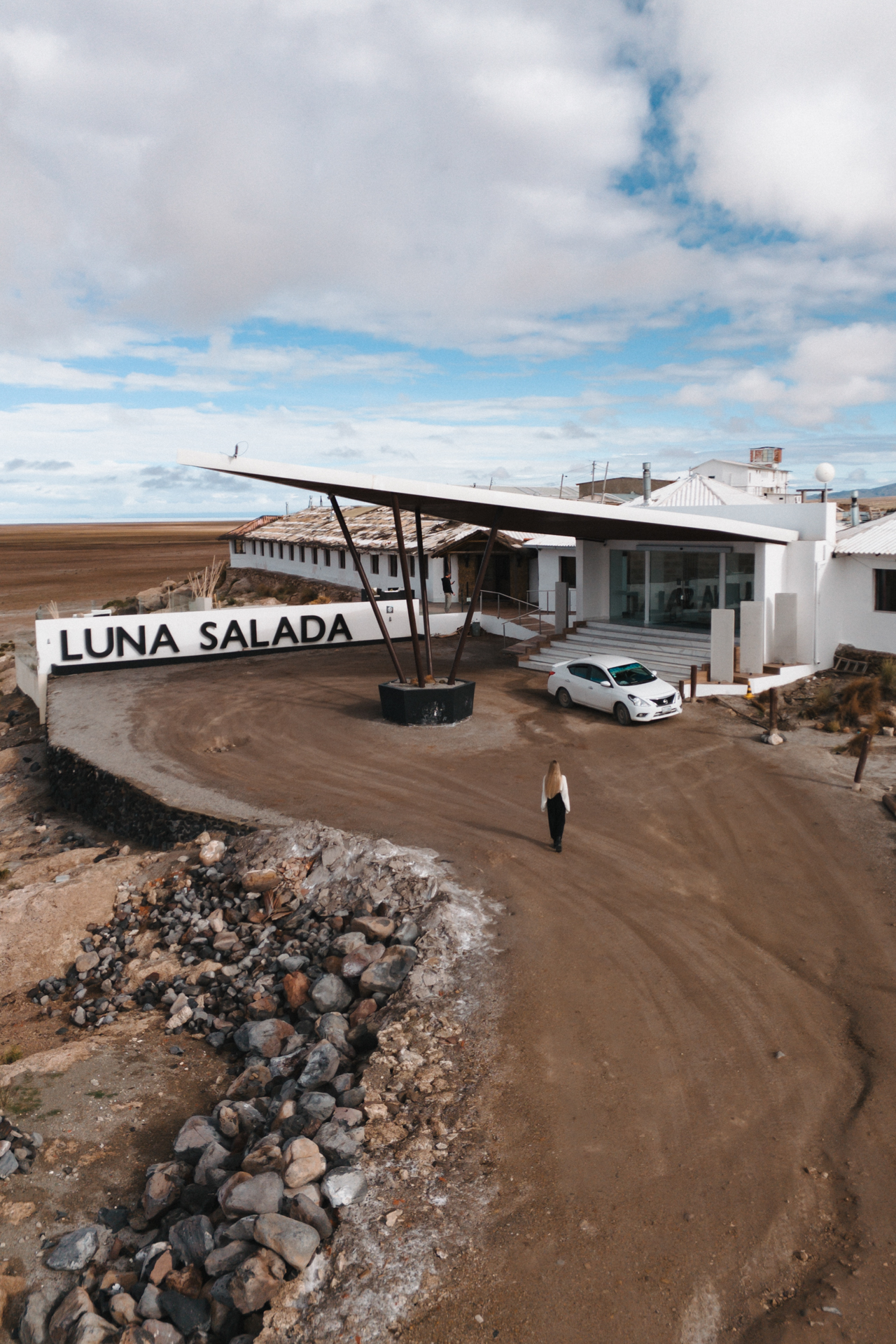 Hotel Luna Salada
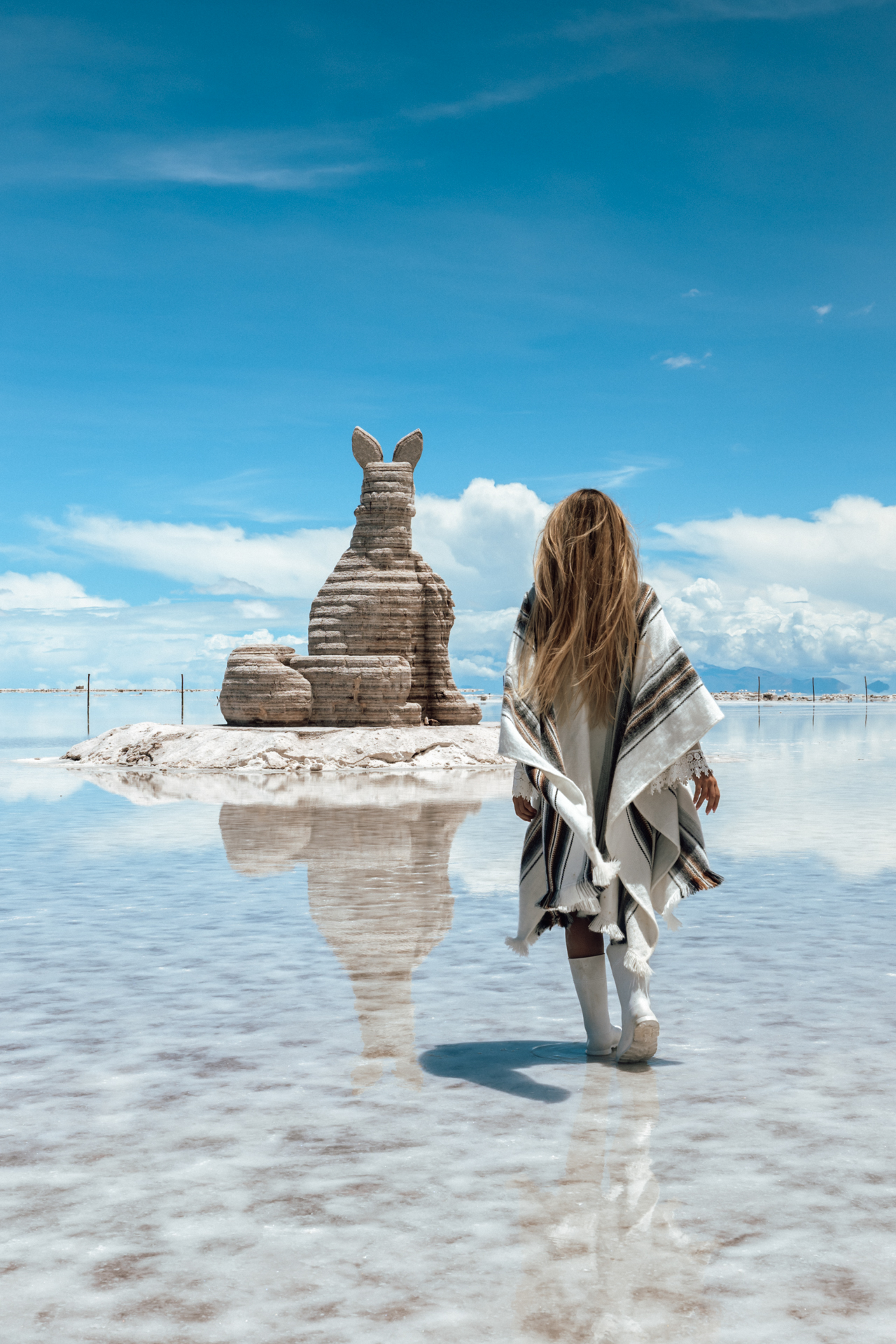 Salt Sculptures
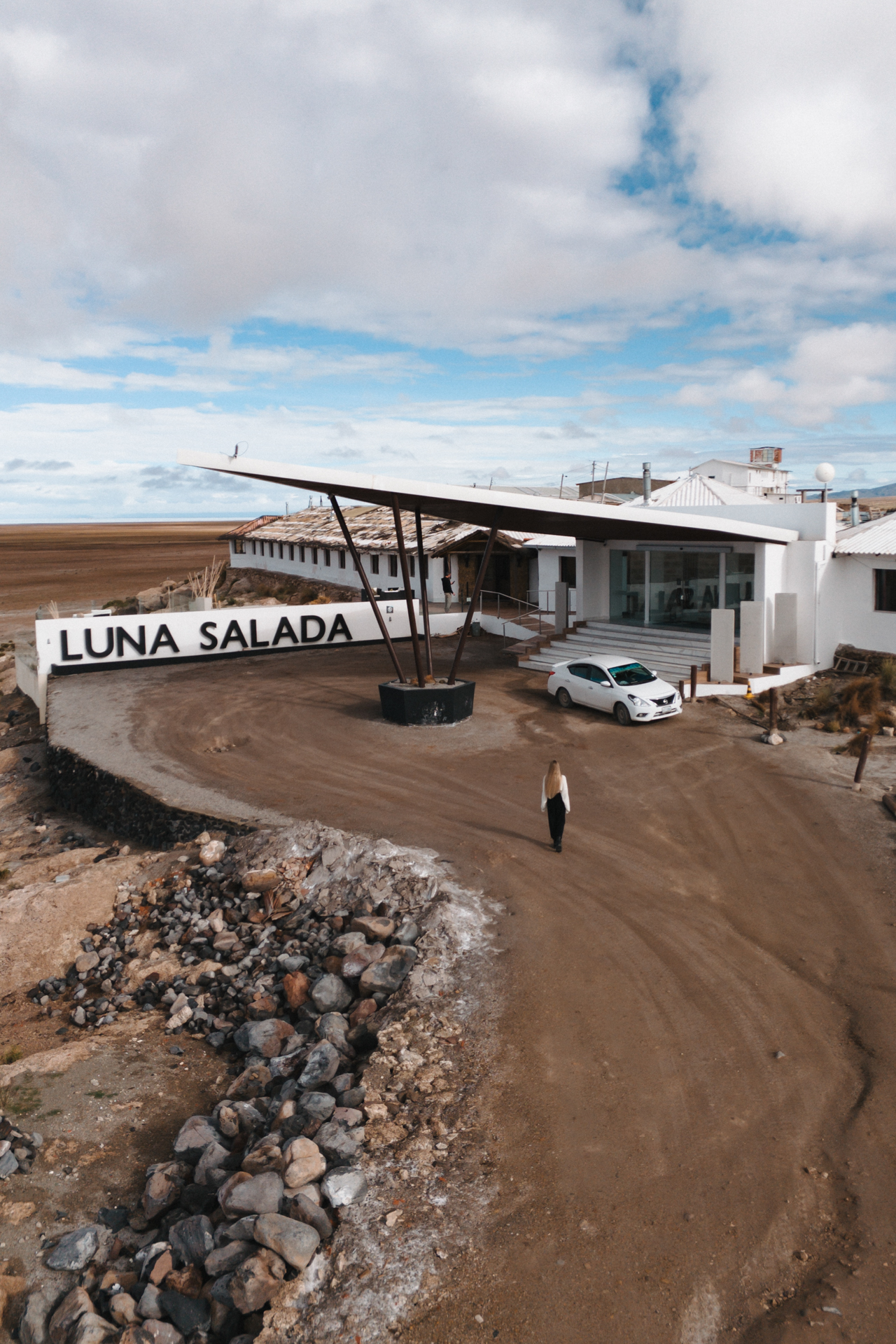 Hotel Luna Salada
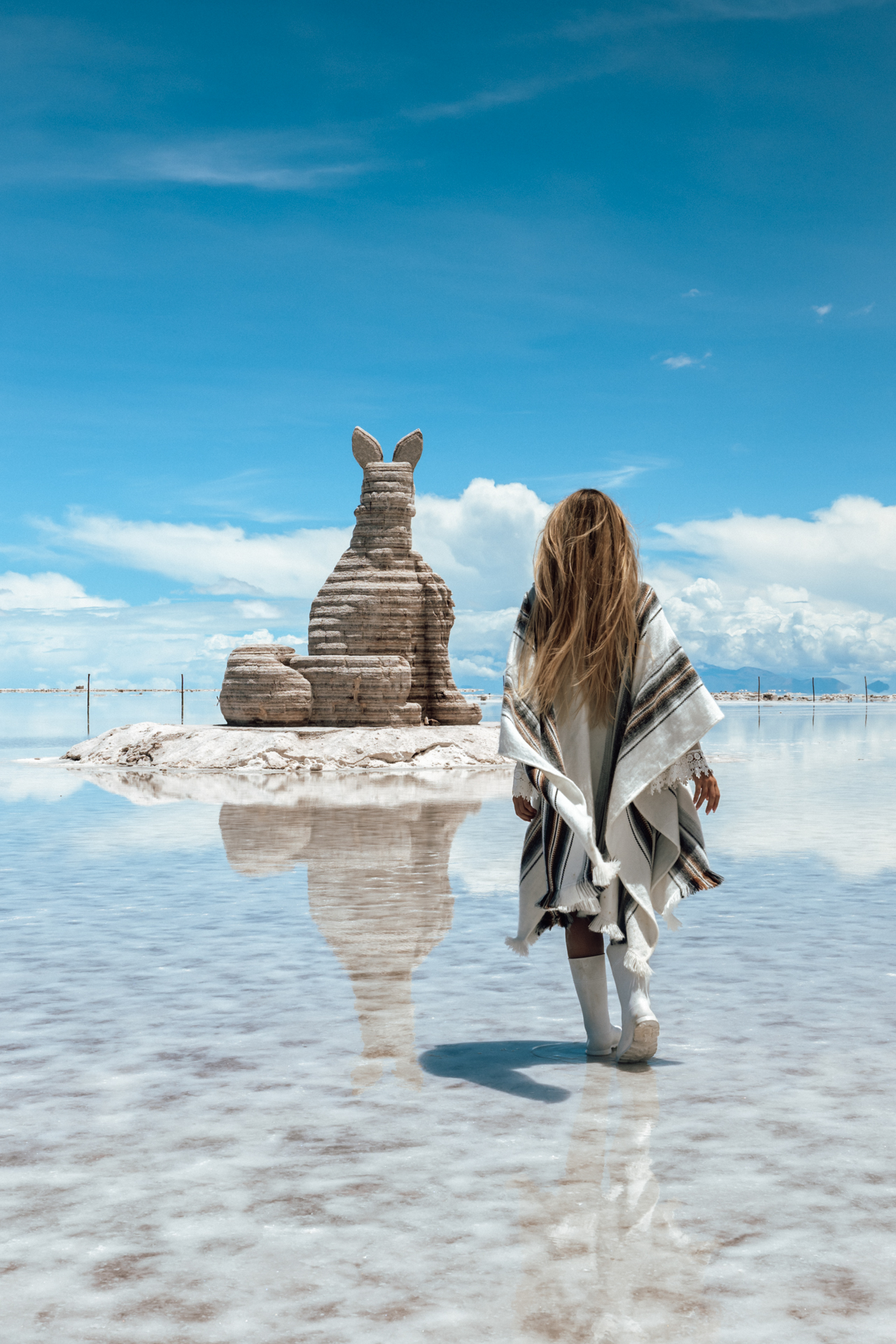 Salt Sculptures
Looking for a Salar de Uyuni Travel Guide & Tips?
Where nature feels otherworldly
REA National Reserve
Tucked away in the far southwest of Bolivia, Eduardo Avaroa Andean Fauna National Reserve is one of the most remote and visually striking regions in the country.
This high-altitude reserve is a surreal world of colorful lagoons, steaming geysers, volcanic deserts, and wide, really quiet open plains where flamingos roam freely. Sitting at over 4,000 meters above sea level, the landscape feels raw, untamed, and it's like being on another planet. A place where nature dominates completely and human presence feels small.
Exploring the REA National Reserve is not just a journey through dramatic scenery, but an unforgettable expedition into one of Bolivia’s wildest and most extraordinary environments.
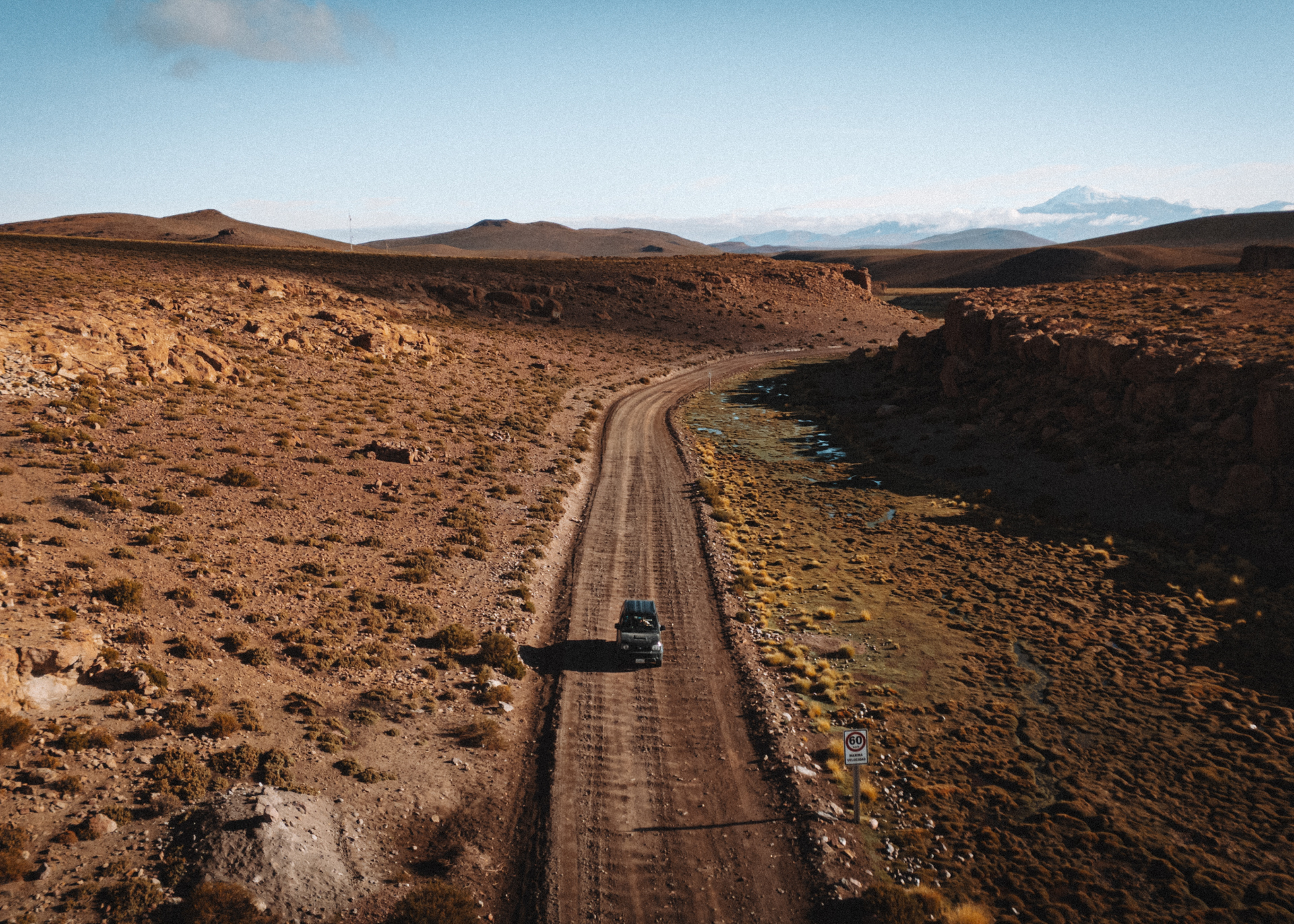
Why Visit the REA National Reserve?
We once stopped for over two hours to film and photograph the surroundings, without a single car passing by, a moment that made it feel as if we weren’t tourists at all, but quiet guests in a world that exists entirely on its own.
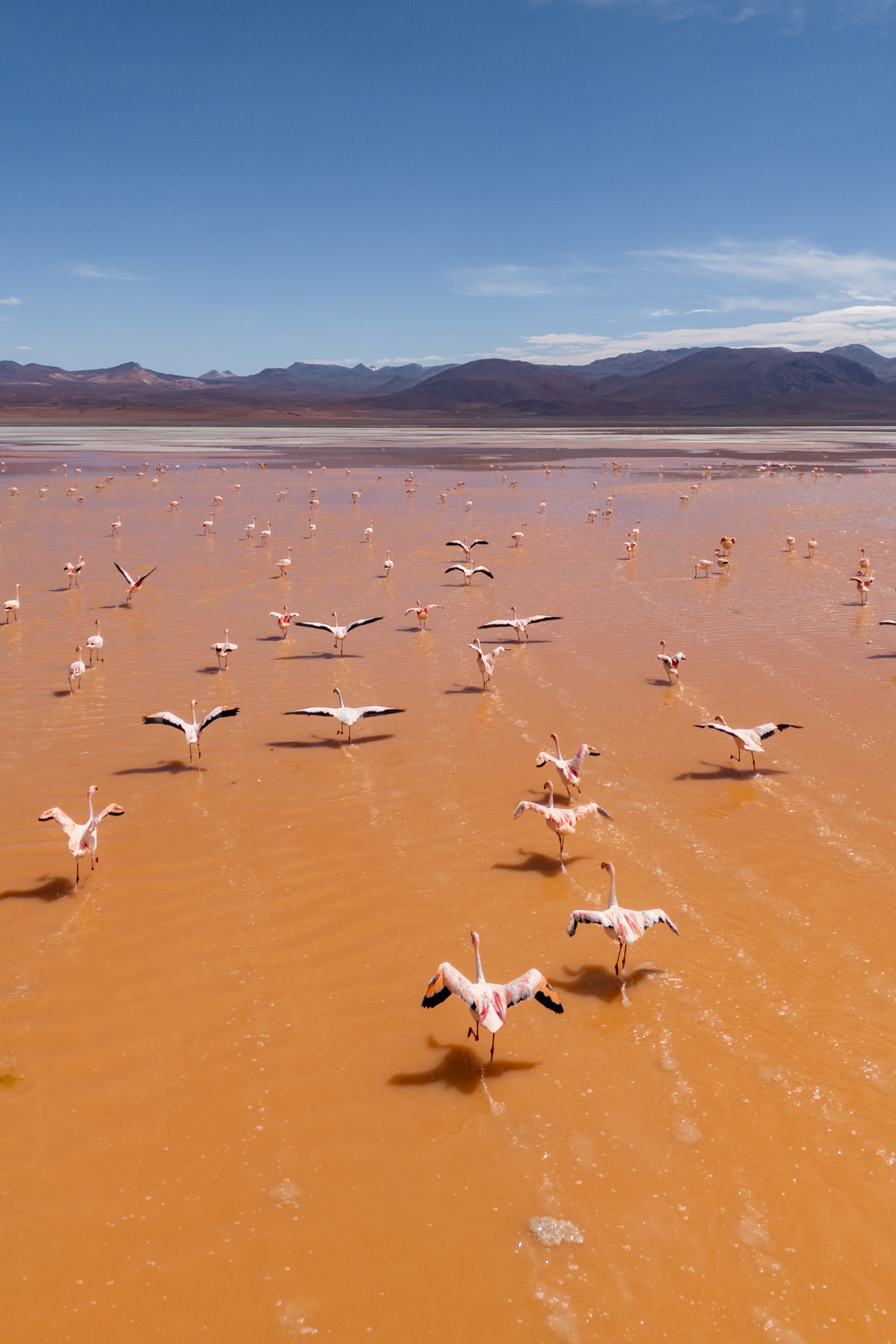 Laguna Colorada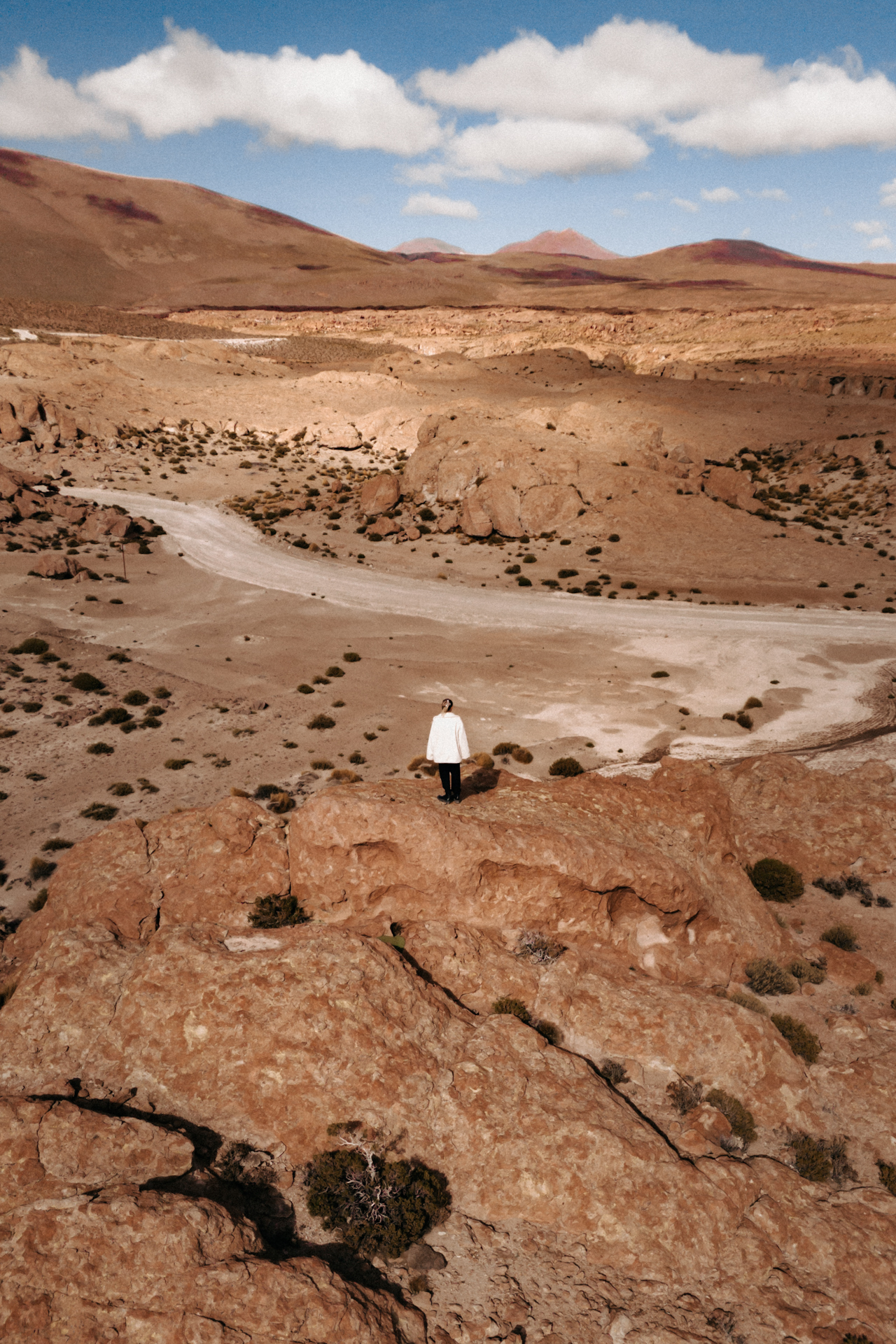
Desierto de Dalí
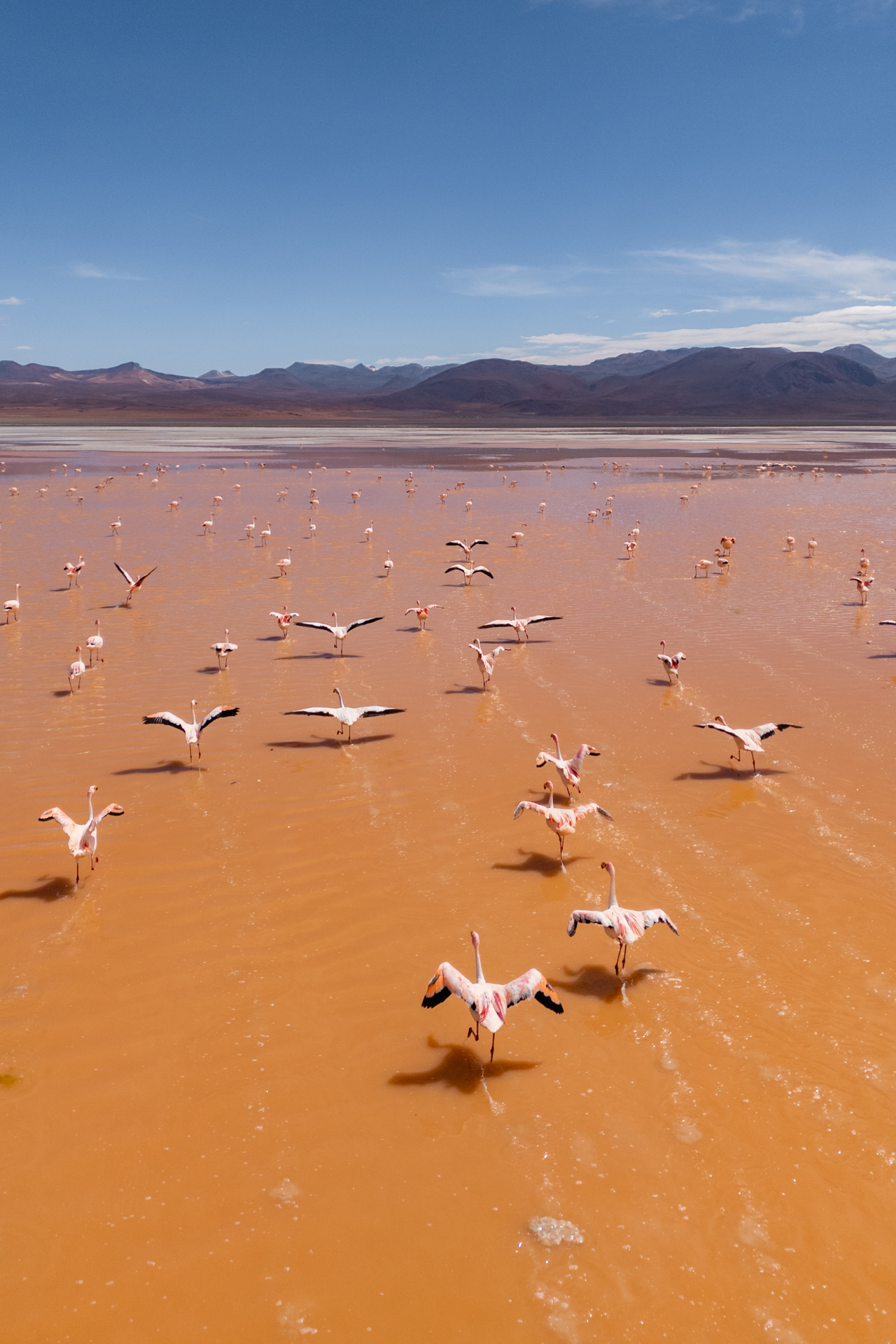 Laguna Colorada
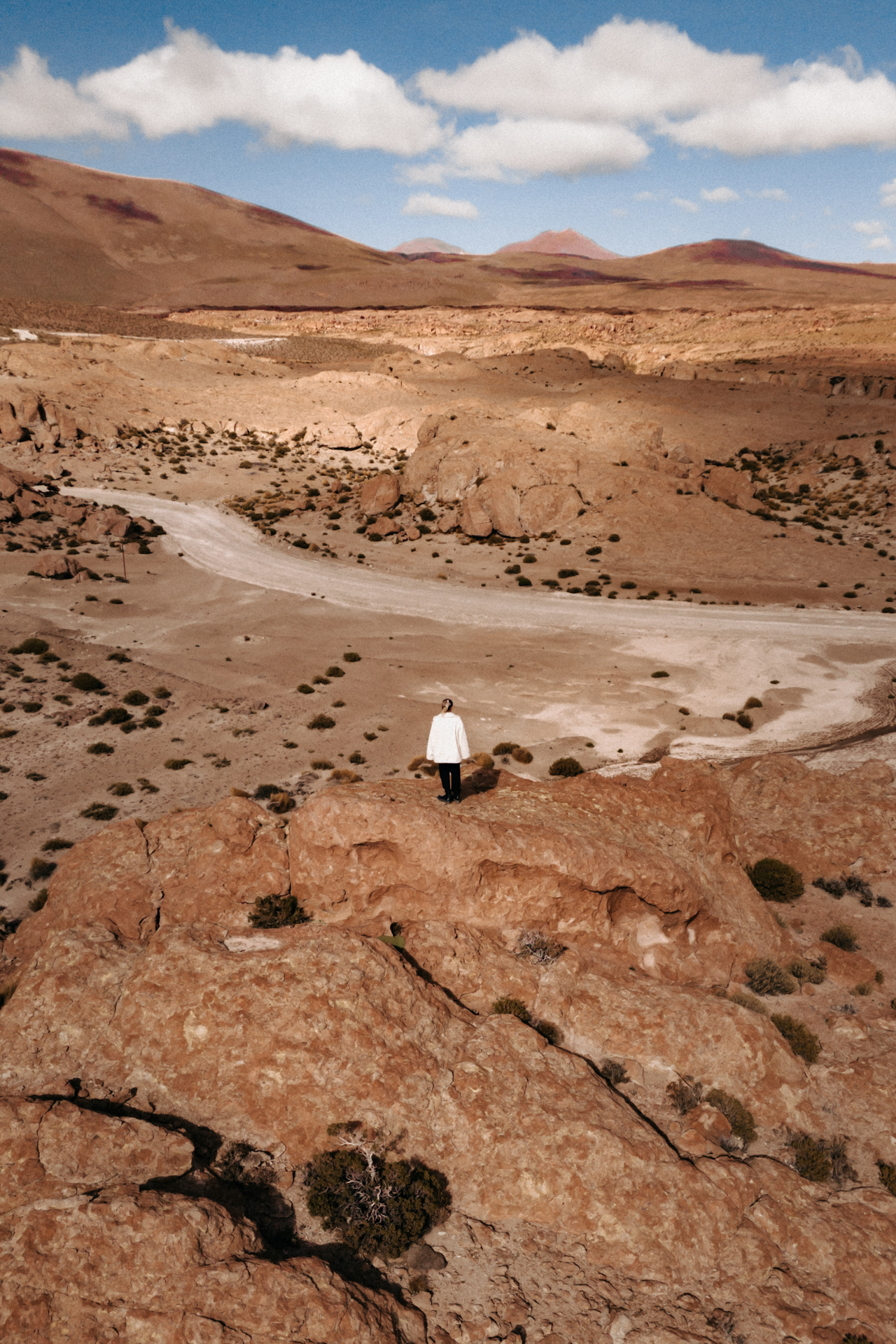 Desierto de Dalí
Best Things to Do and See in the REA National Reserve?
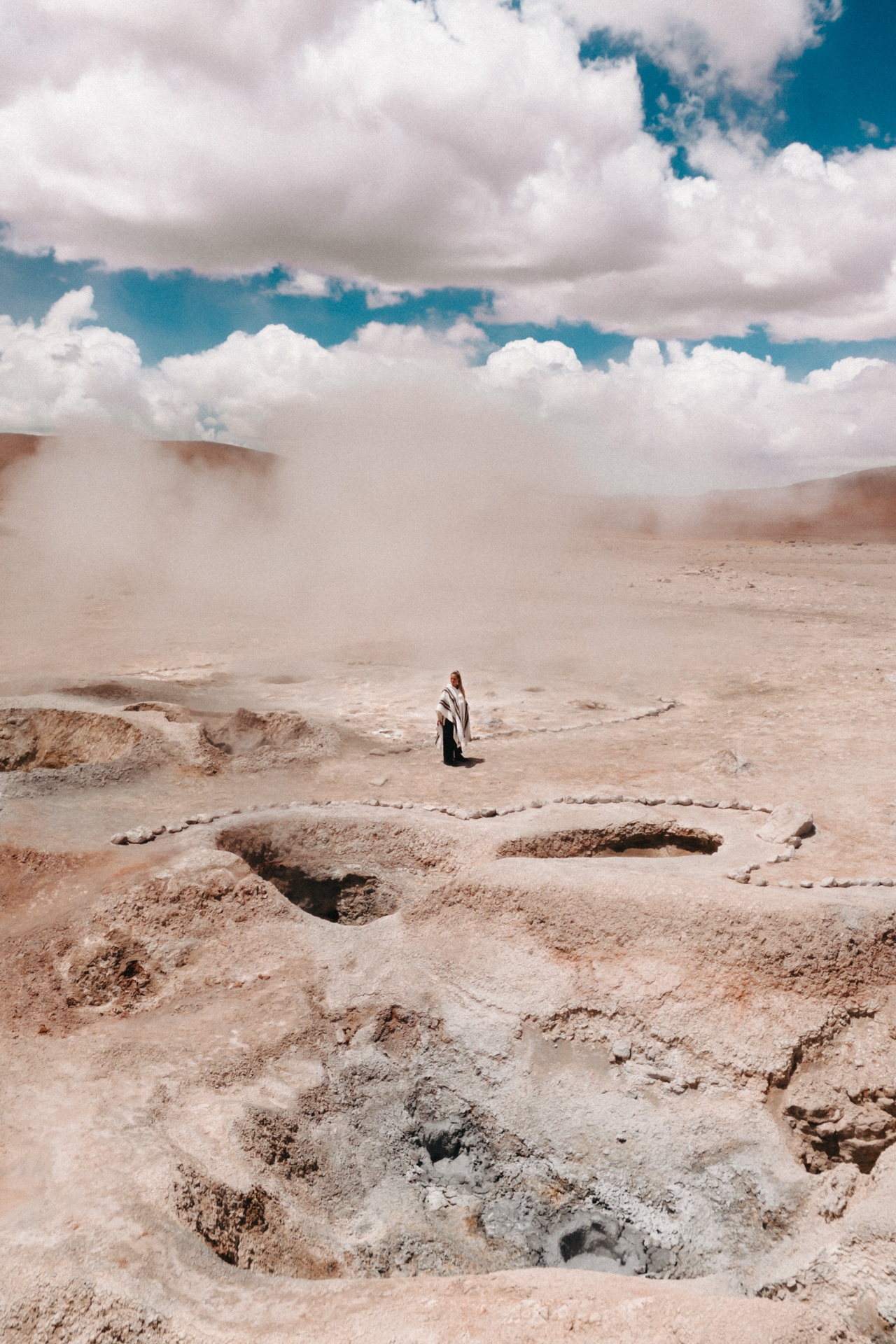
At the Sol de Mañana Geysers, the air smells strongly of rotten eggs due to the high sulfur content released from the geothermal activity. When the scent started to become a bit overwhelming, we decided it was time to hit the road.
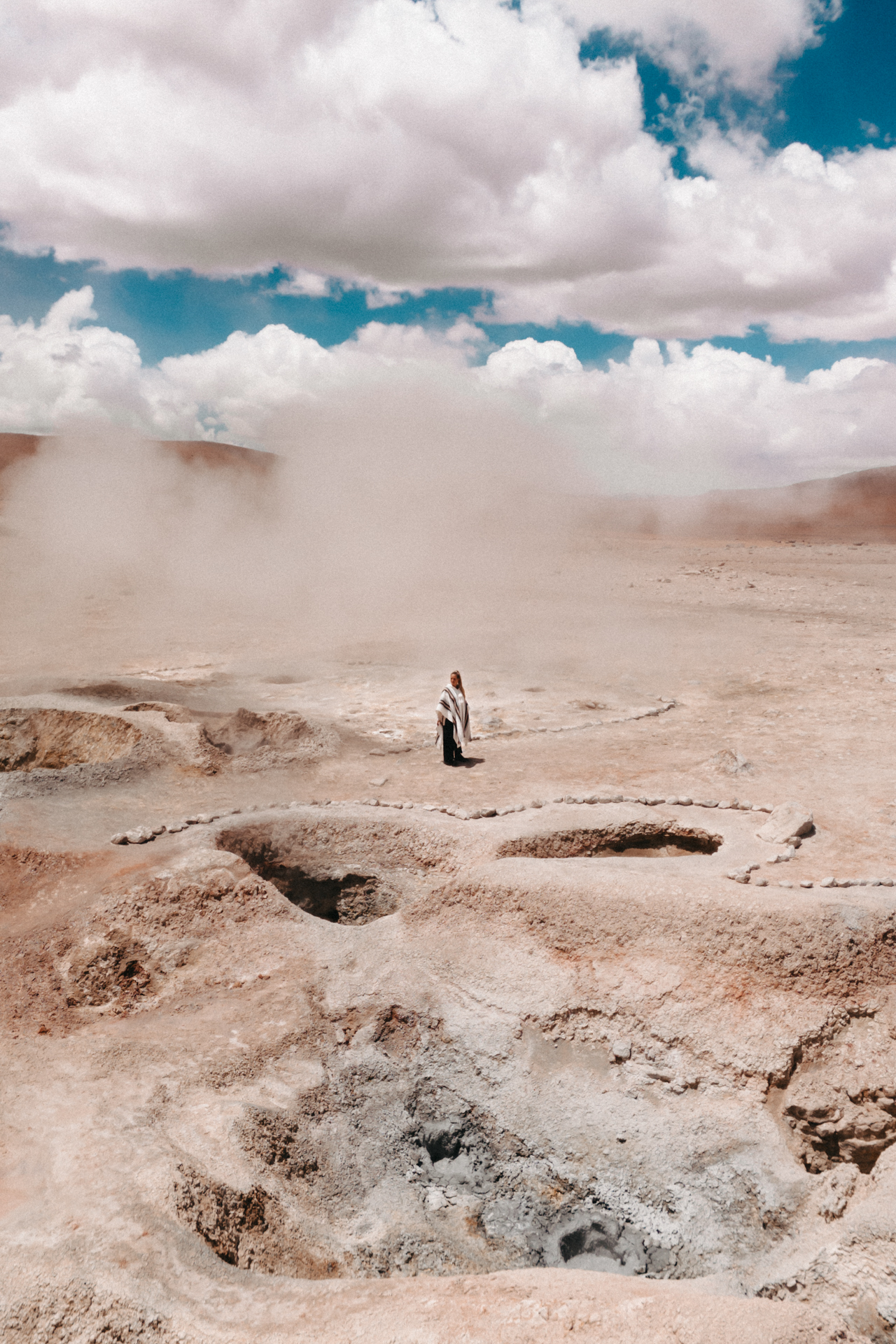
Sol de Mañana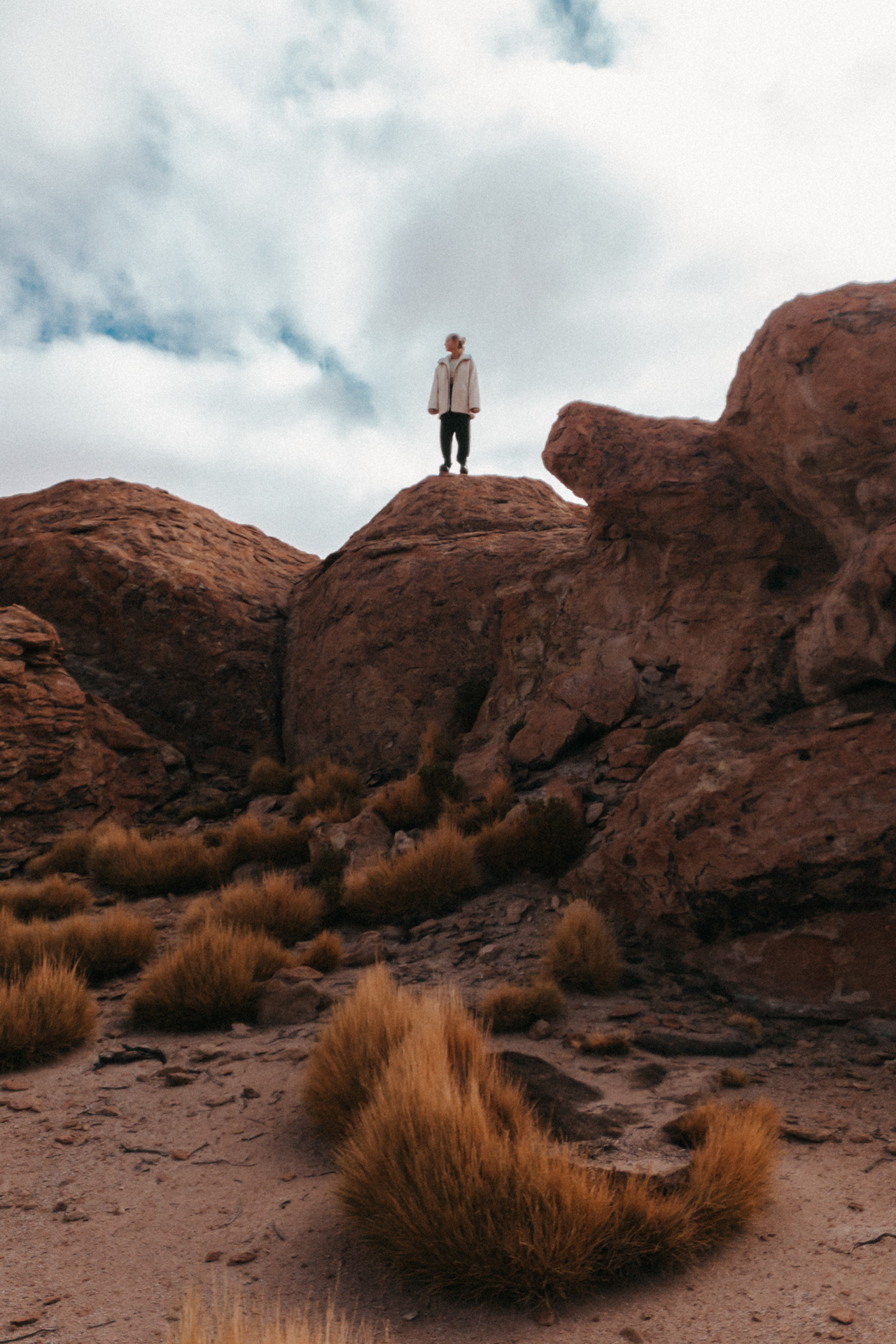 Siloli Desert
default
Sol de Mañana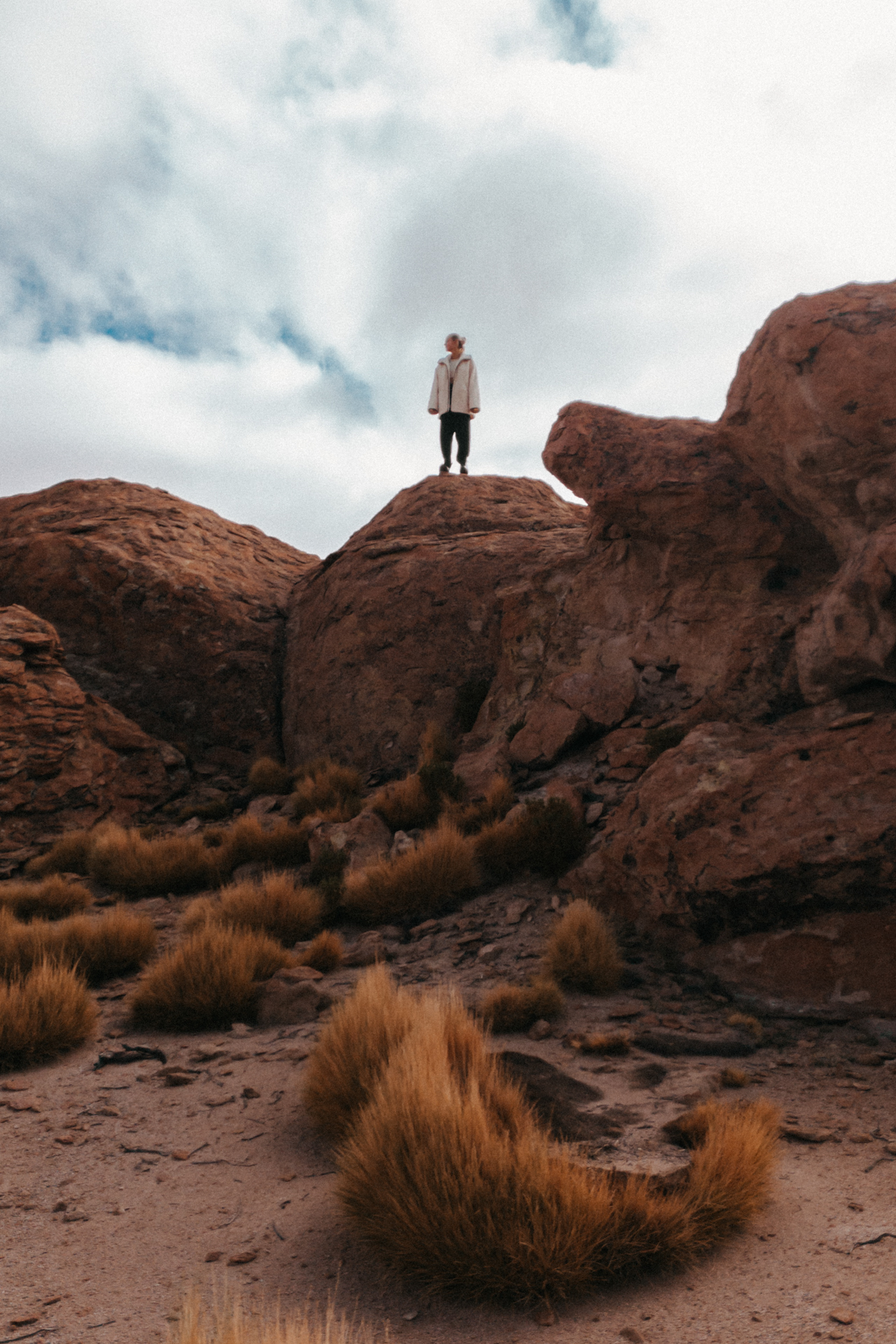 Siloli Desert
Entry fee
To enter the Reserva Nacional de Fauna Andina Eduardo Avaroa (REA), we had to pay an entrance fee of 150 Bolivianos (€18 / USD 21) per person, so we made a quick stop at the checkpoint to purchase our tickets. The fee is issued by SERNAP, Bolivia’s National Service of Protected Areas, and is paid directly at the barrier when entering the reserve. Our ticket was valid for four days and granted access to the protected areas of the reserve in the department of Potosí, southern Bolivia. And most importantly, bring some cash!
REA National Reserve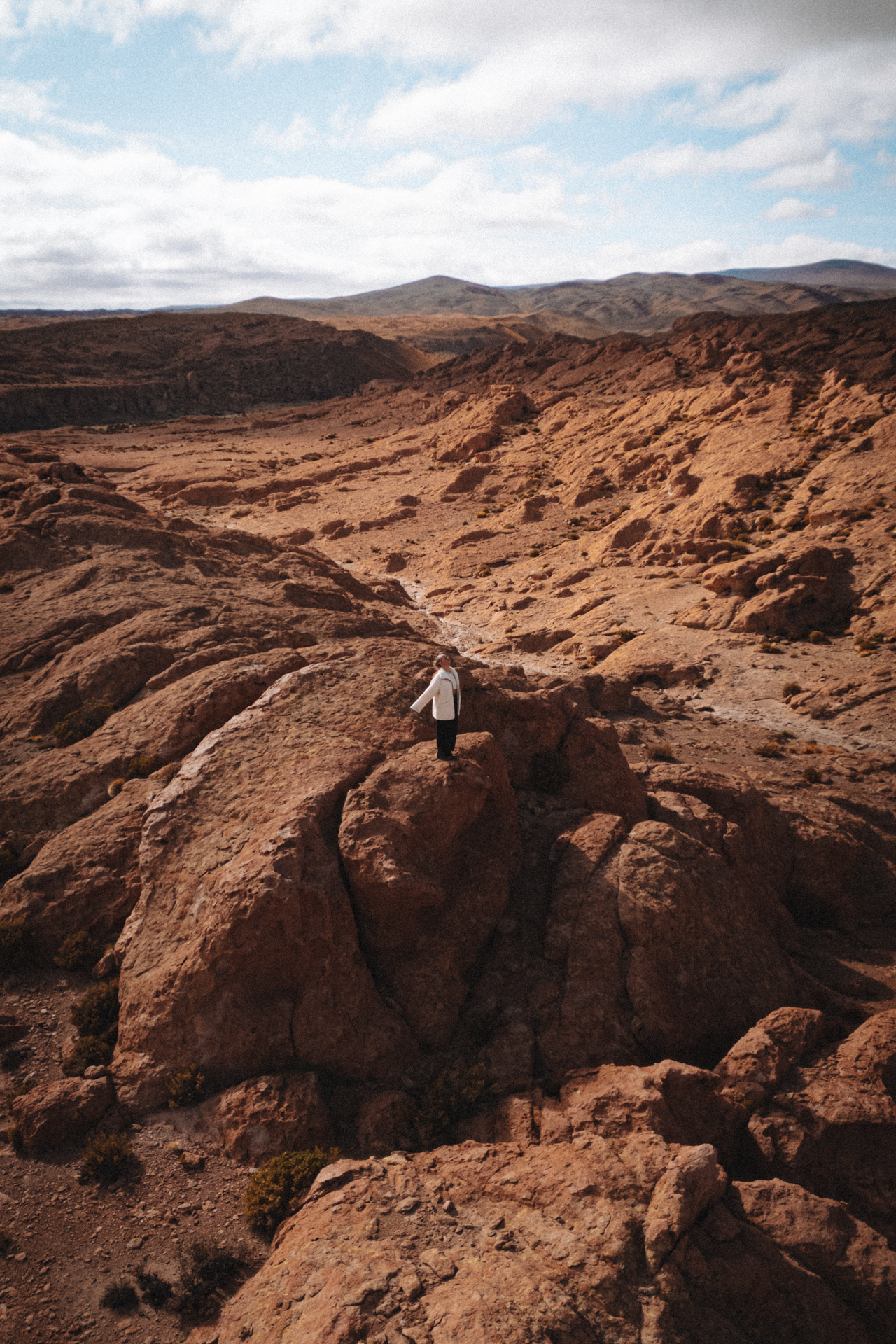
Desierto de Dalí
REA National Reserve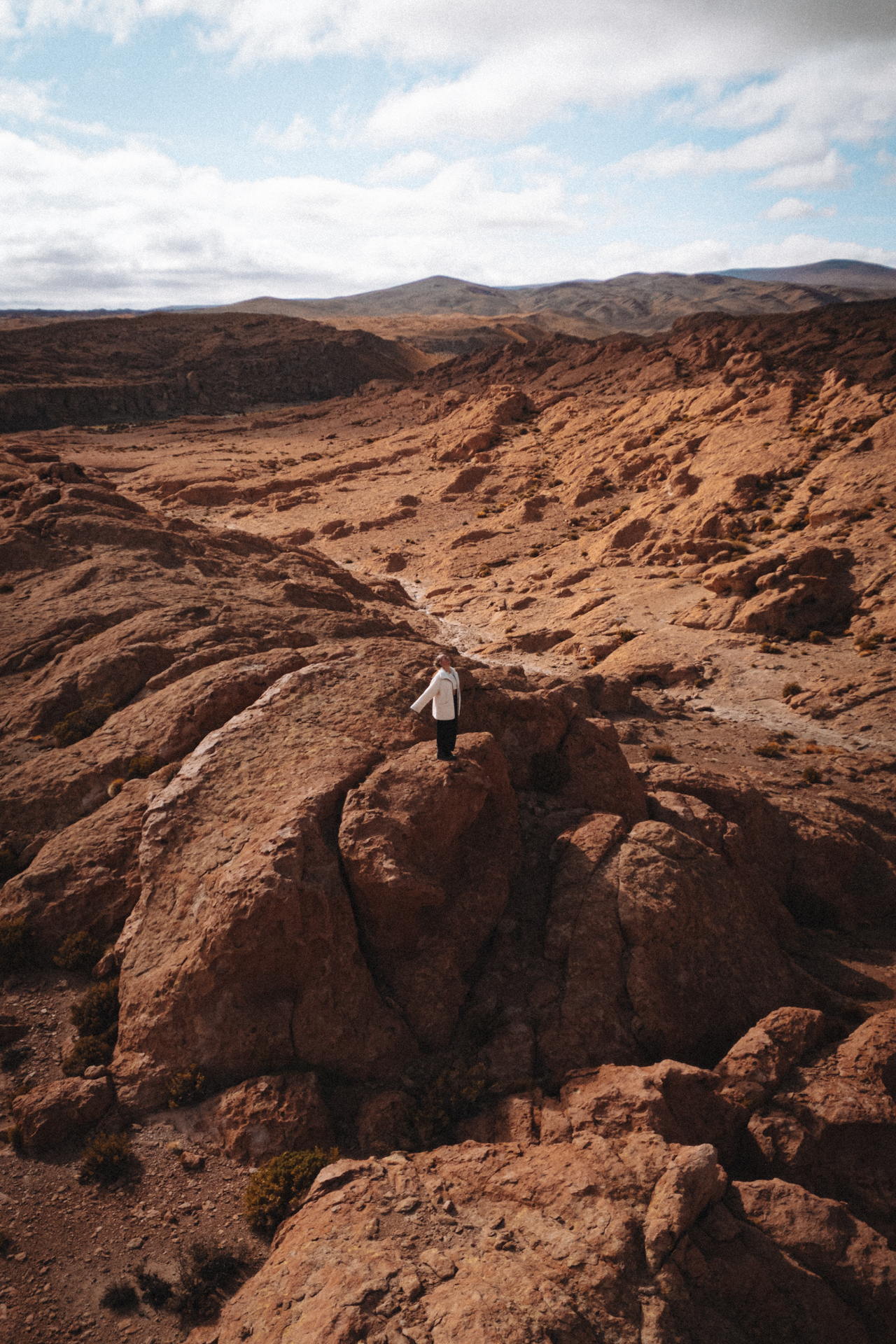
Desierto de Dalí
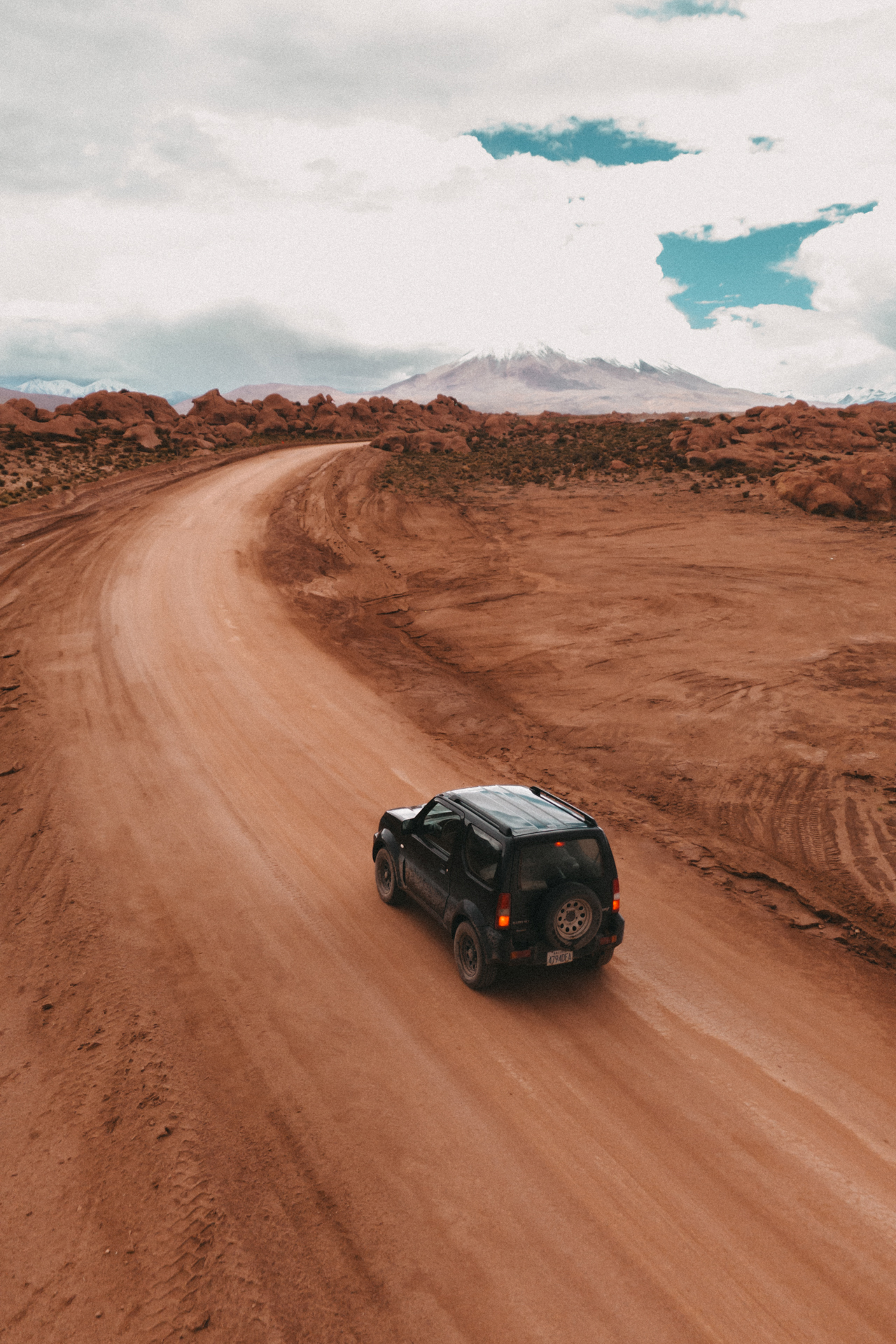
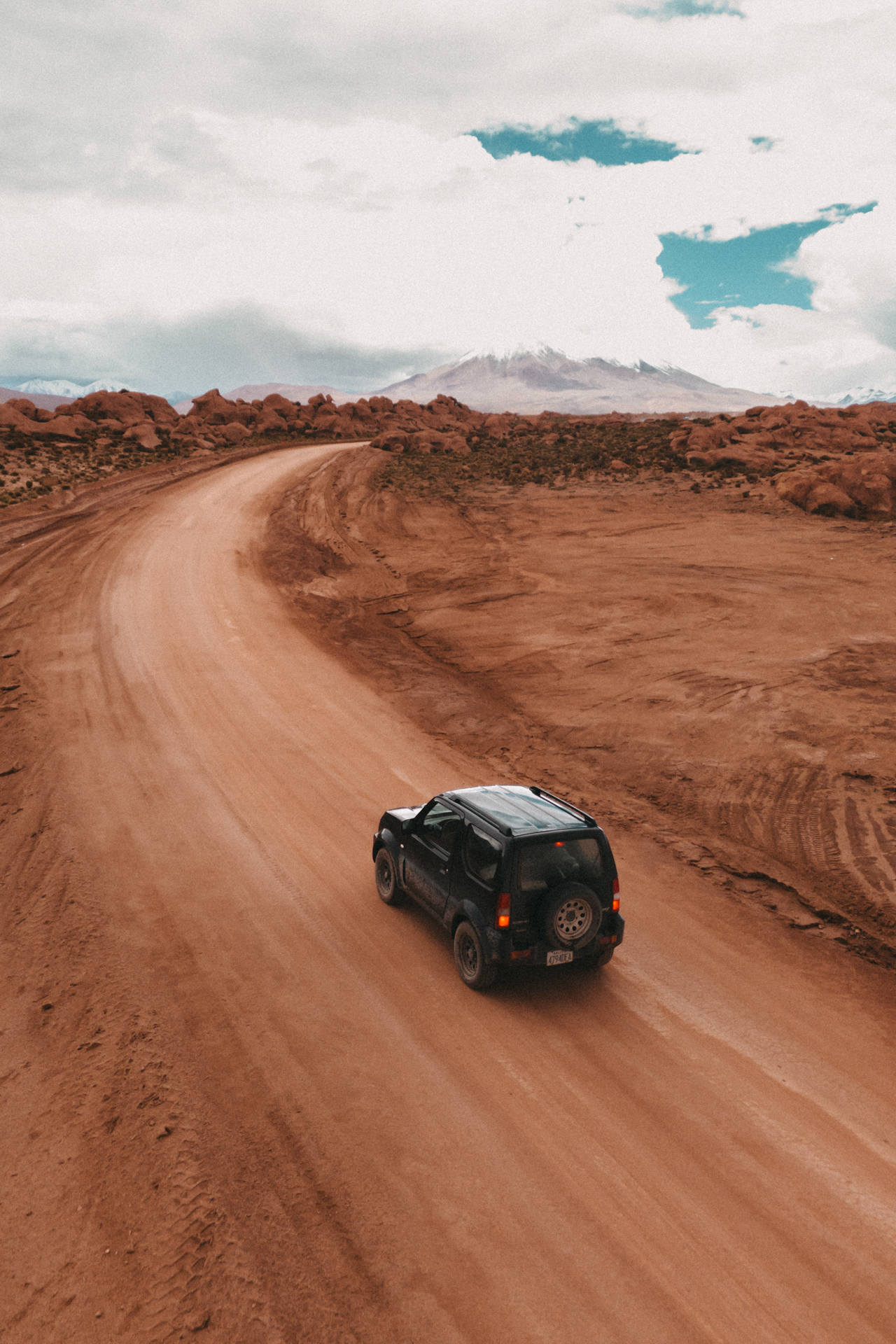
Southern Bolivia is a true off-the-grid adventure. Expect long driving days with no cellular coverage, very basic accommodation, and high-altitude conditions throughout the region. Roads are mostly unpaved and unmarked, some sections are rocky tracks rather than proper roads.
In the Heart of the Heights
Dealing with the Altitude
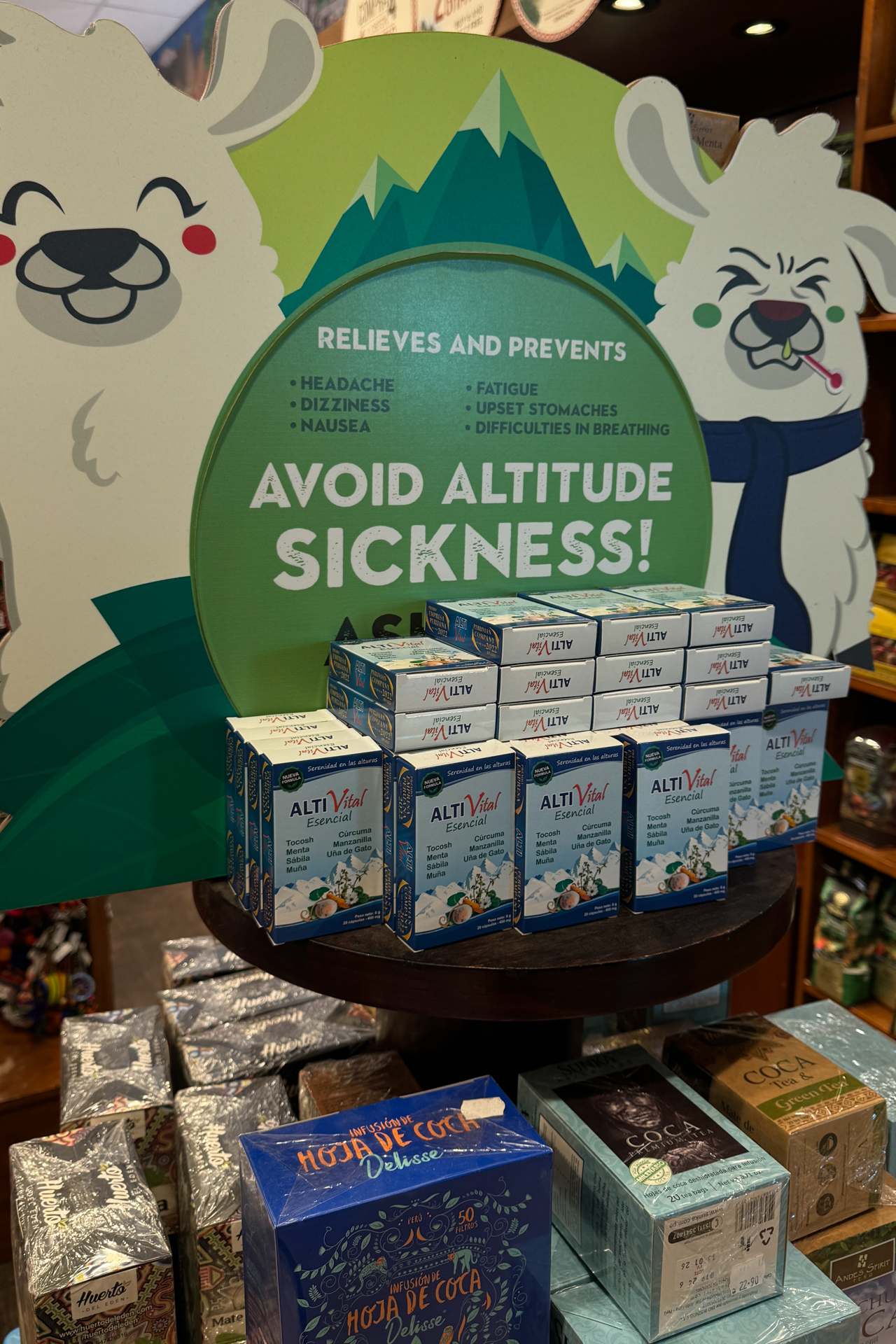
One thing many people worry about before visiting Bolivia is altitude sickness, and it’s a completely valid concern. At well over 3,600 meters (11,800 feet) in cities like La Paz, it’s very common to feel the effects of altitude at first, especially before your body has time to adjust.
The most important thing you can do to help your body adjust is to drink plenty of water. Staying well hydrated makes a huge difference. Locals also strongly believe in coca leaf tea as a natural way to support your body at high altitude. Avoid alcohol at the beginning, as your tolerance can be much lower at this altitude.
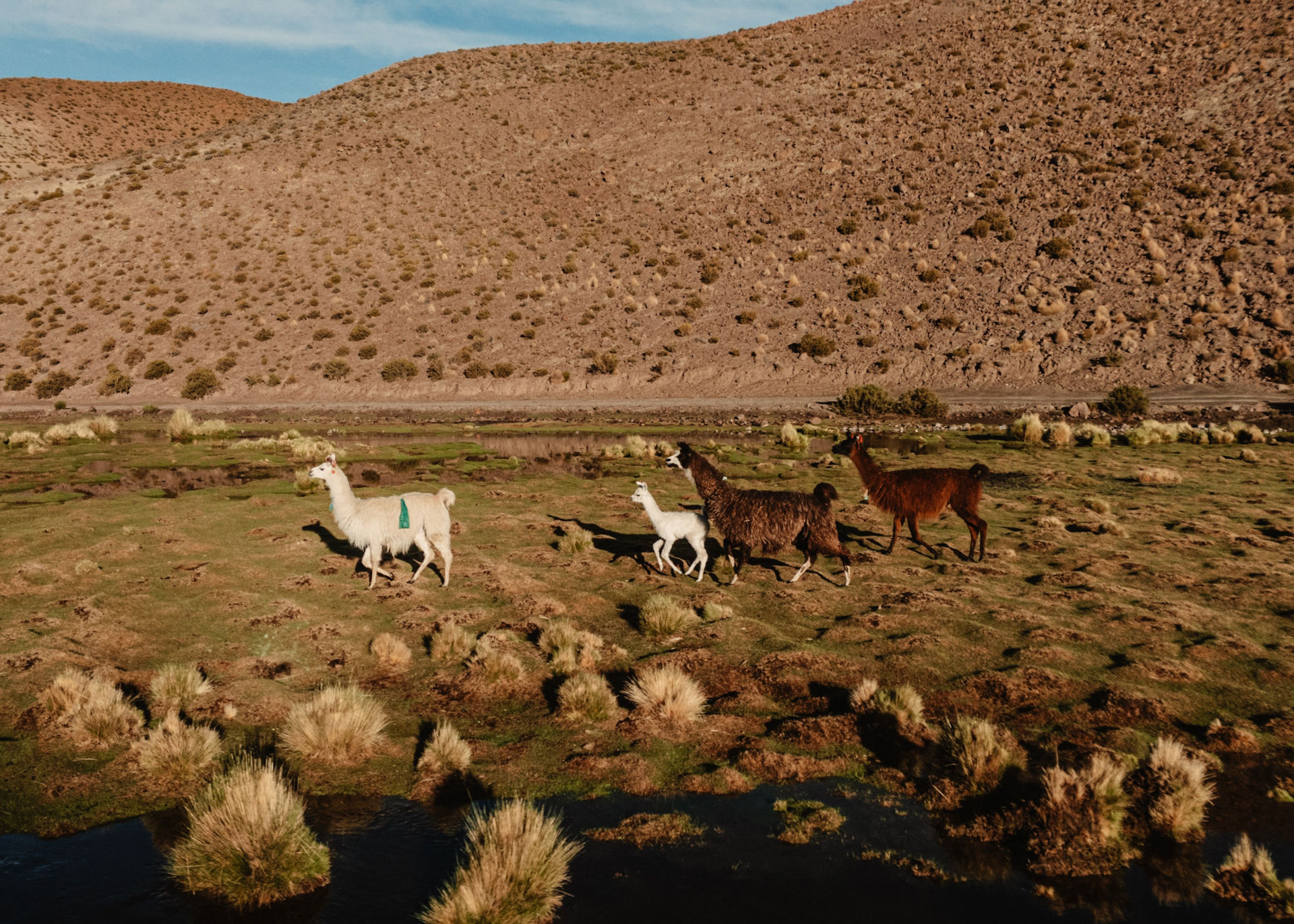 REA National Reserve
When planning your trip to Bolivia it is best not to schedule anything too demanding for the first day or two. Taking it slow and allowing your body time to adjust can make the experience much more enjoyable.
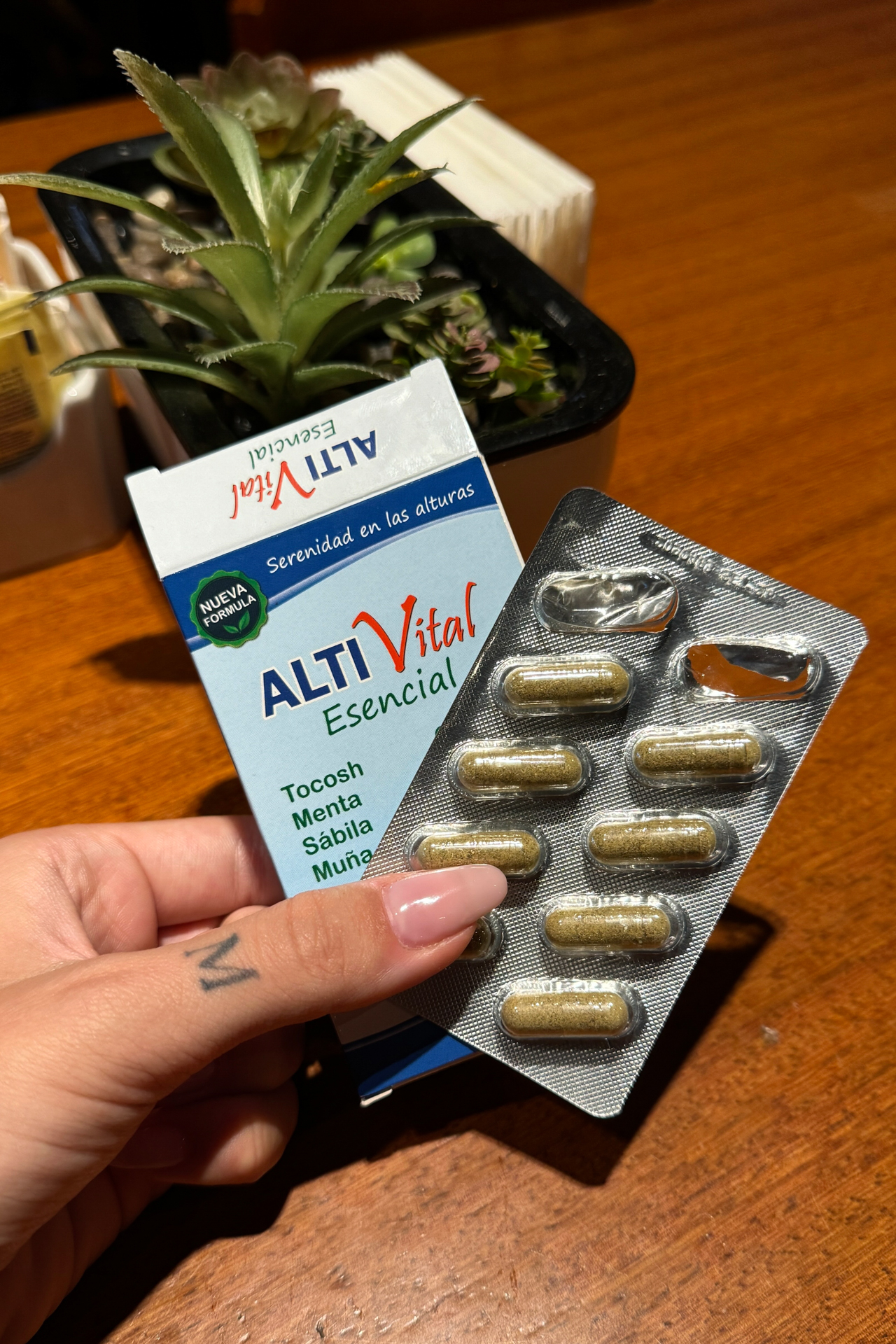
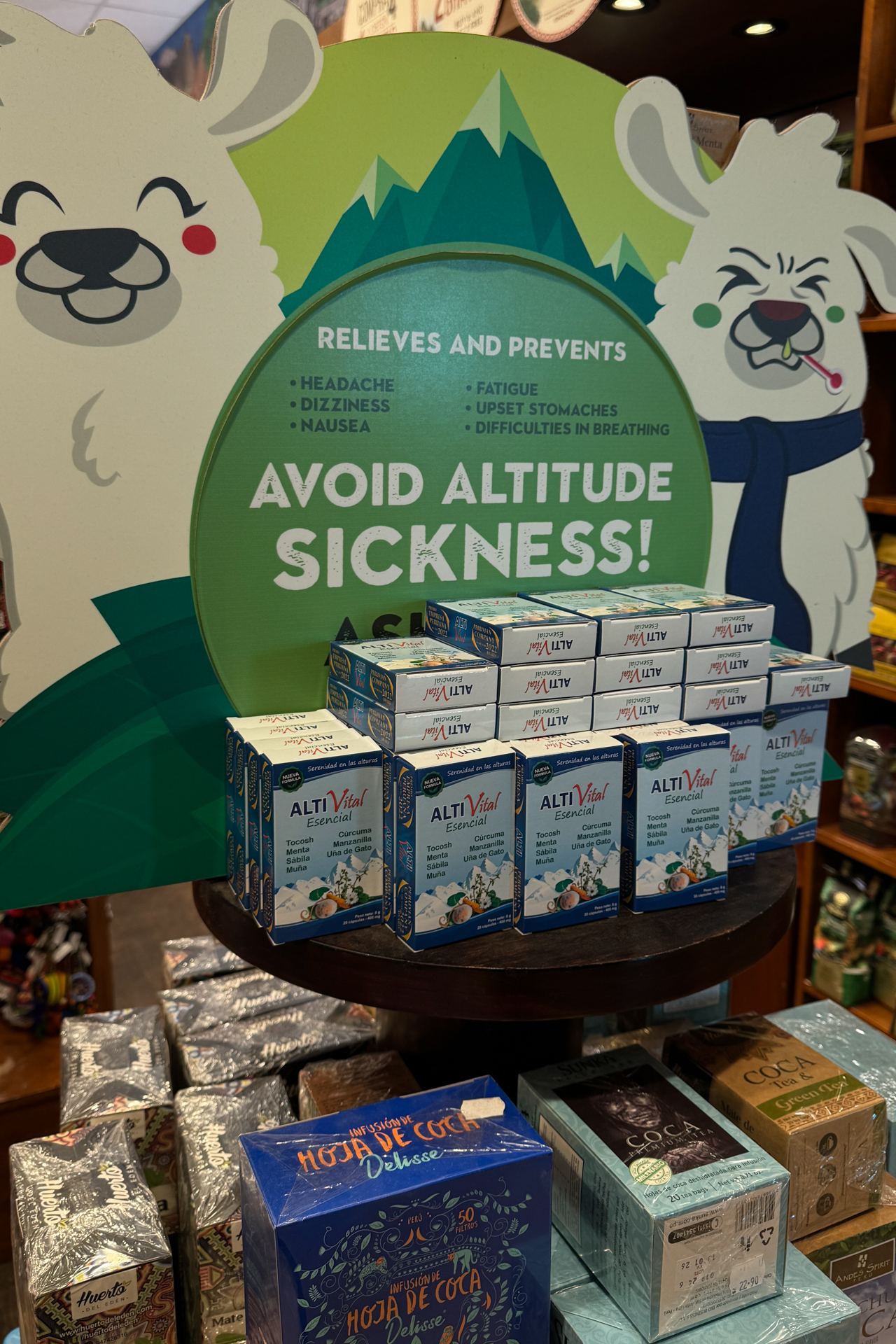
A small tip that might help is that I bought coca leaf capsules at the airport in Peru (Lima) and took them before arriving in Bolivia. I cannot say for sure if that is what helped but it definitely gave me peace of mind.
Just a little note
If you book or buy something through one of my links, it helps support the work I do, and it doesn’t cost you anything extra.
Find Hotels
via Booking.com
Find Flights
via Skyscanner
Tours & Attractions
via GetYourGuide
Loved it? Pin it, Share it!
Inspire Others to Travel to Bolivia
Keep Exploring
More Travel Guides from Bolivia



THE TRAVEL

Let’s stay connected!
Get inspired, helpful tips and exclusive updates straight to your inbox. Subscribe to join a community of explorers.