
SUMBA


My Go-To Spots in Sumba
15 Best Things To Do in Sumba, Indonesia
I wanted to discover the fewer visited islands of Indonesia and stumbled upon Sumba. Far from the crowds of Bali and Lombok, this island in East Nusa Tenggara feels like a world of its own.
With its untouched coastlines, ancient Marapu traditions, towering traditional houses, and rolling savannahs, Sumba quickly became one of the most unforgettable places I have ever been to. Here are the 15 best things to do on this extraordinary island.







MUST-SEE & DO
Things to Do in SUMBA
Because it offers so much diversity, raw beauty, and deep-rooted tradition, Sumba became one of the most fascinating islands I have ever explored. Being far lesser known than many other Indonesian destinations, the island still feels wonderfully untouched, with fewer crowds and a much more authentic atmosphere.
Despite its incredible beauty, Sumba is also one of the poorest islands of Indonesia. Yet this contrast is exactly what makes the island so powerful, its cultural richness, warmth, and traditions shine even more brightly.
1. Visit Traditional Villages
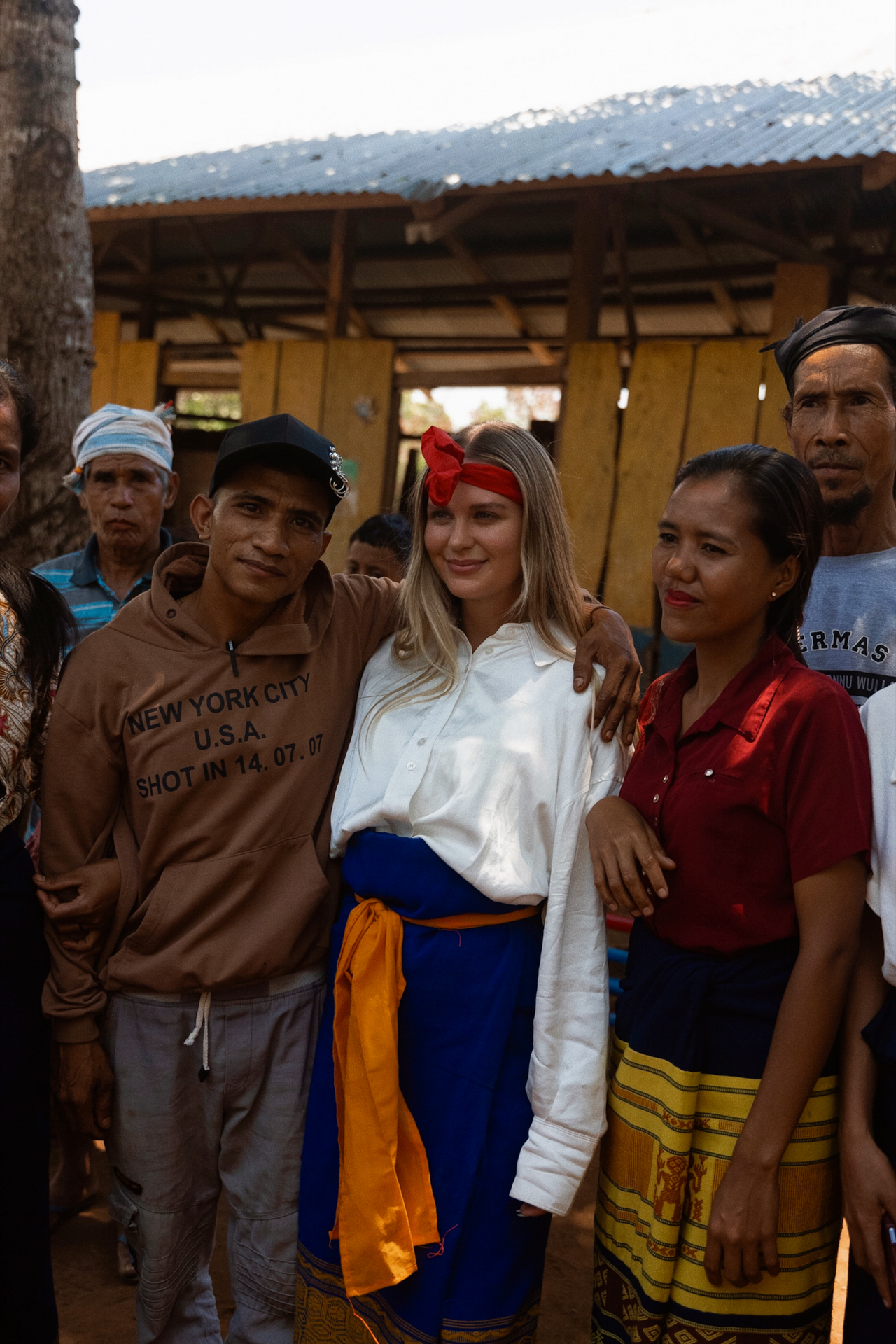
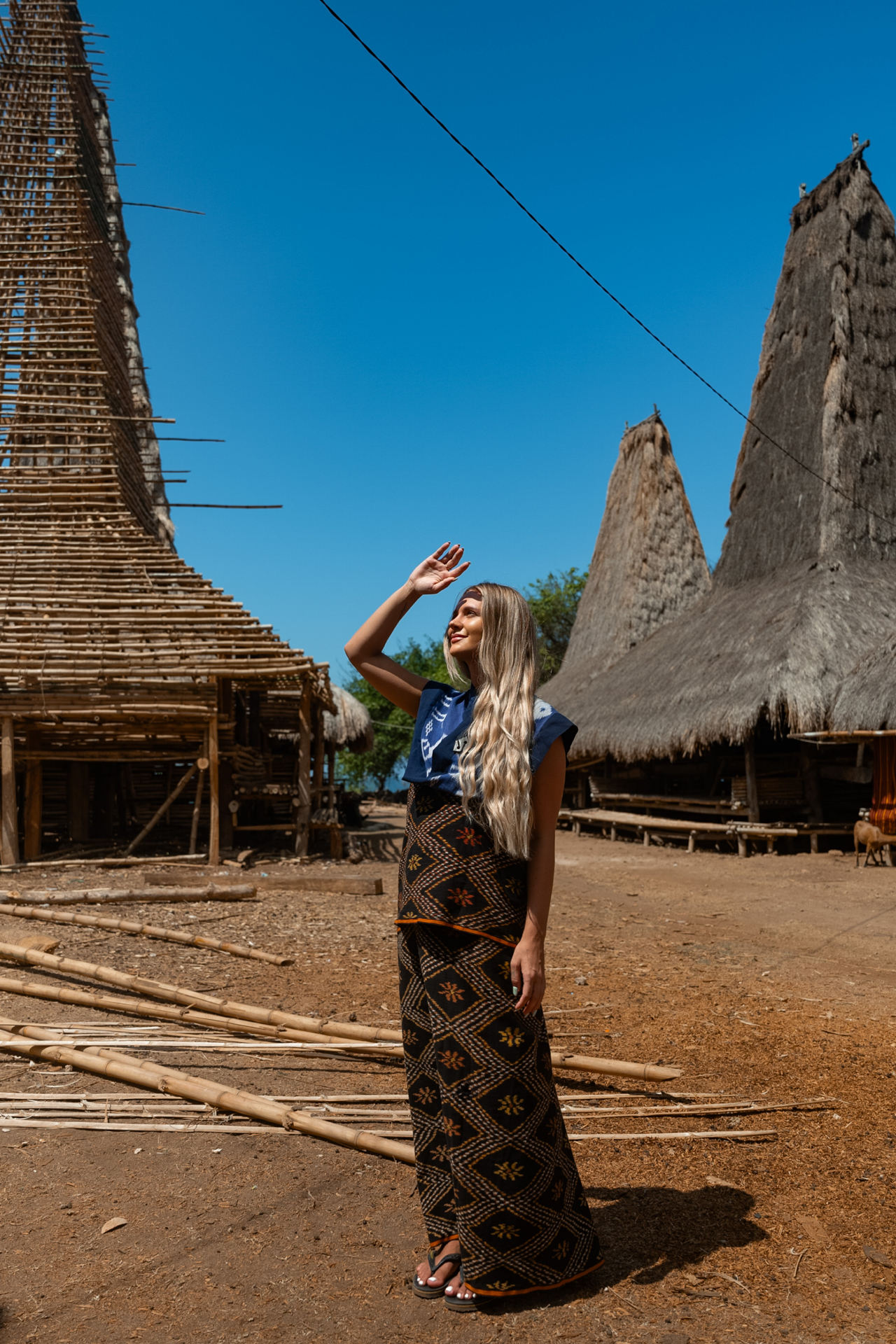
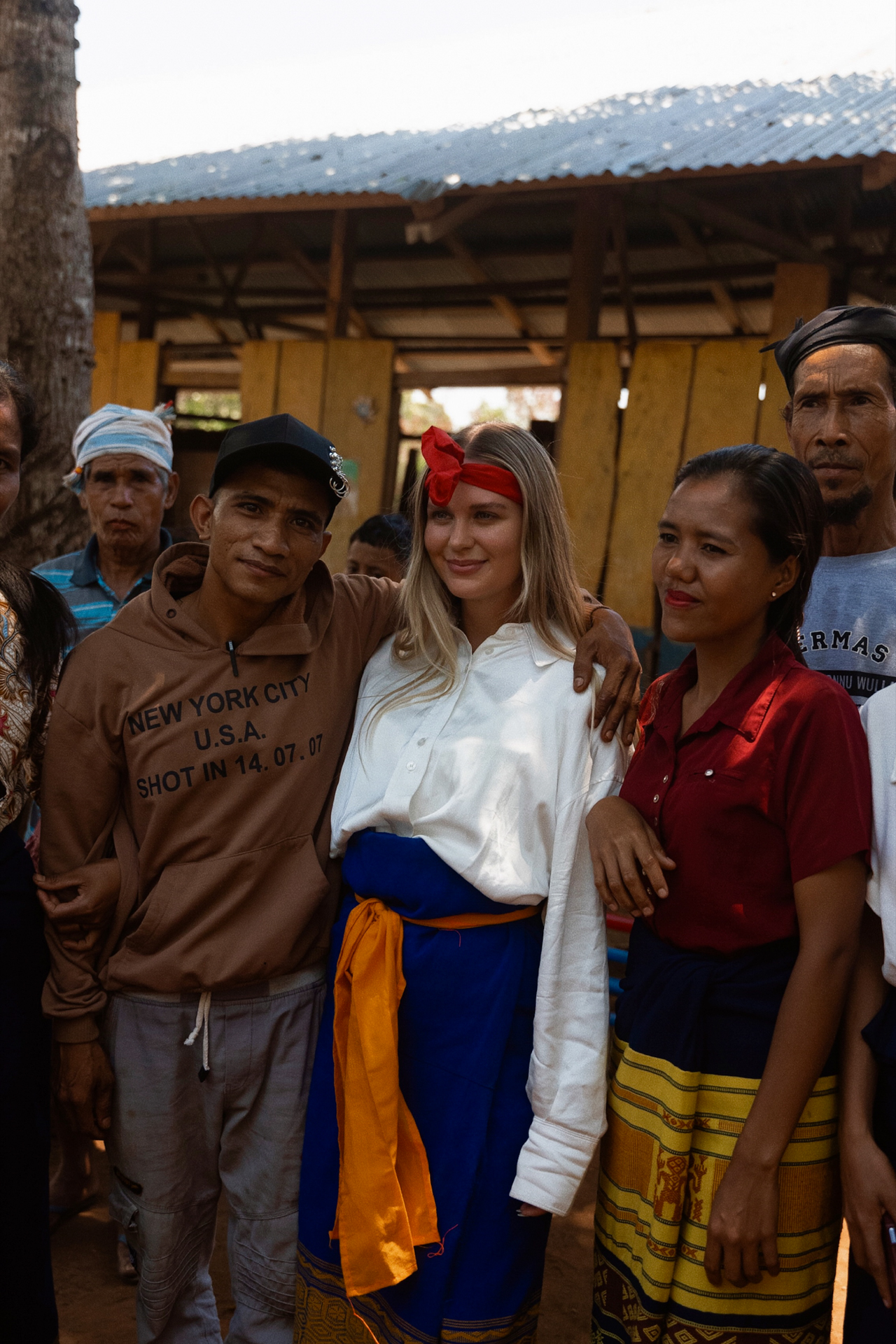
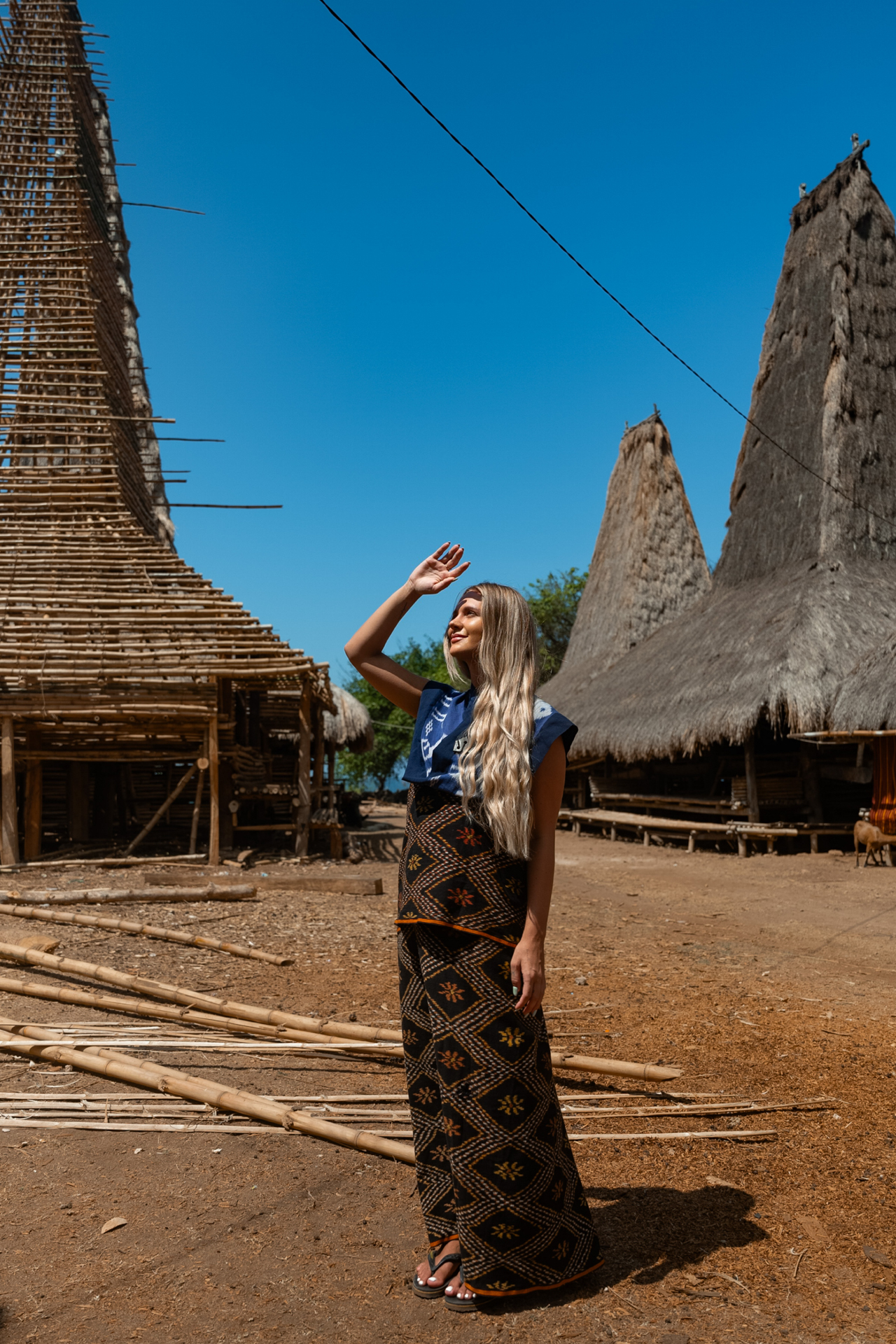
Learn about traditional village life, where tall thatched roofs shape the scenery, with their different heights reflecting the social status of the families inside. Some of these traditional “Uma Mbatangu” houses rise up to 15 meters high.
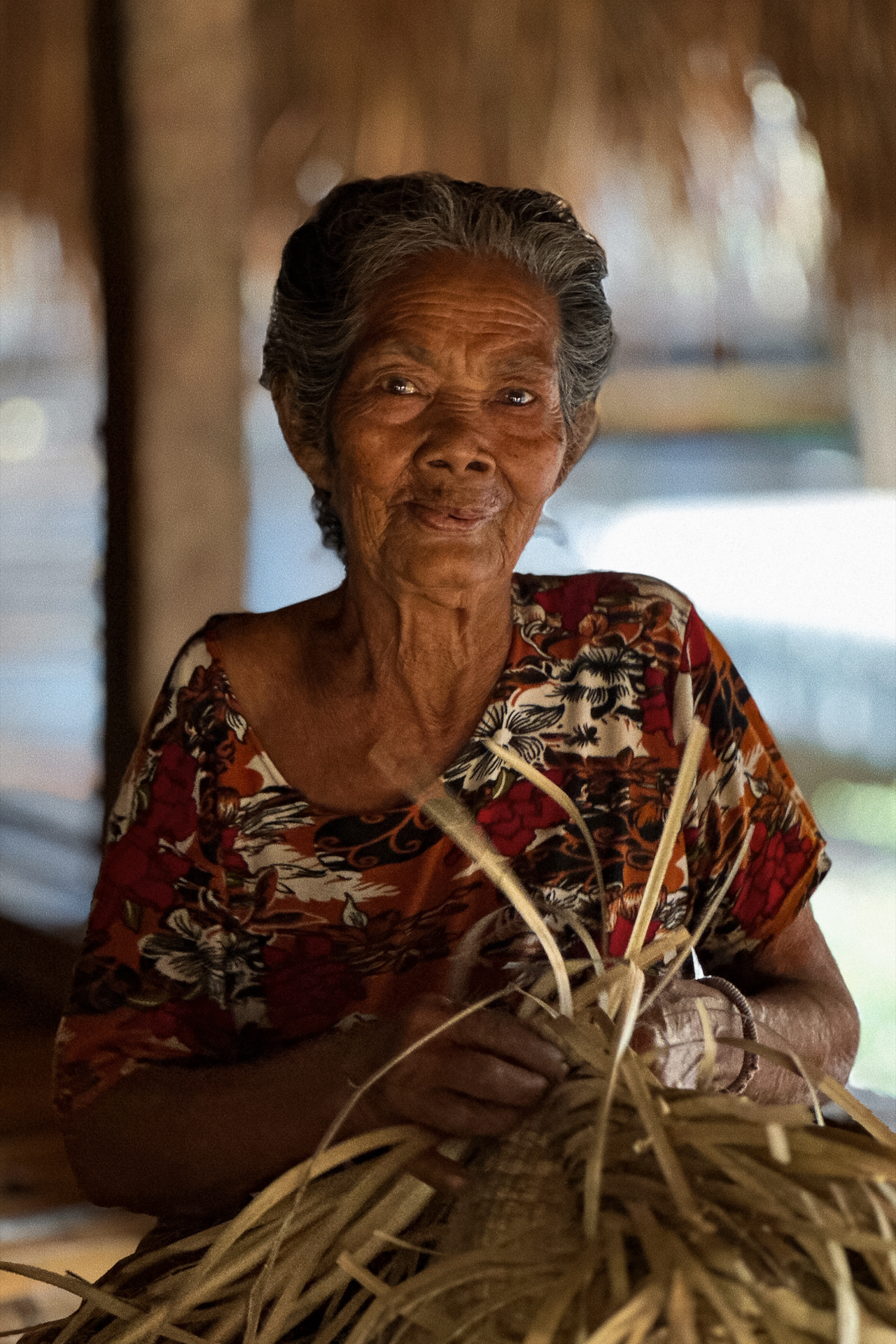
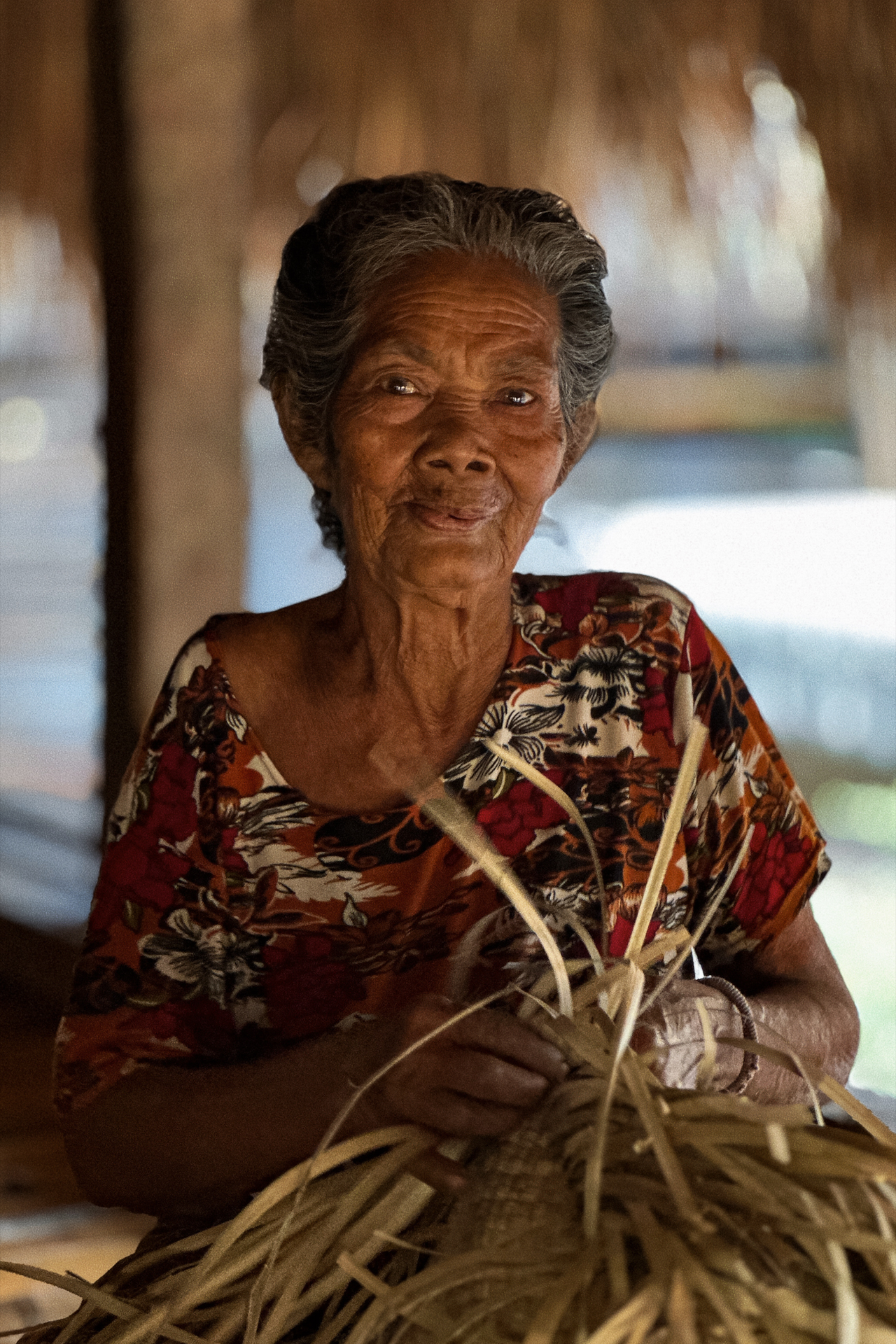
Still inhabited by families who follow the ancient Marapu belief system, the village offers a unique glimpse into Sumba’s culture. As you walk through, you’ll see buffalo horns on the walls, women weaving by hand, and centuries-old stone graves throughout the village. Walking here is a truly special experience.

Discover traditional villages such as Kampung Tarung, Ratenggaro, Praijing, and Prailiu. Each village offers a unique glimpse into Sumba’s culture, architecture, and daily life.
2. Weekuri Lagoon
Tucked away on the southwest coast, this crystal-clear saltwater lagoon is surrounded by rugged coral cliffs and lush greenery. The water is a magical mix of ocean water seeping through the rocks and freshwater springs bubbling up from below, which means some spots feel warm while others are refreshingly cool.
It is roughly the size of a soccer field and shallow enough to float around peacefully. Bring your swimsuit and take your time here. This is one of those places where you just want to stay all afternoon.
Visit during low tide for the clearest water. You can rent a bamboo raft on site for a small fee, and there are local vendors selling snacks nearby.
3. Weepeneba Lagoon
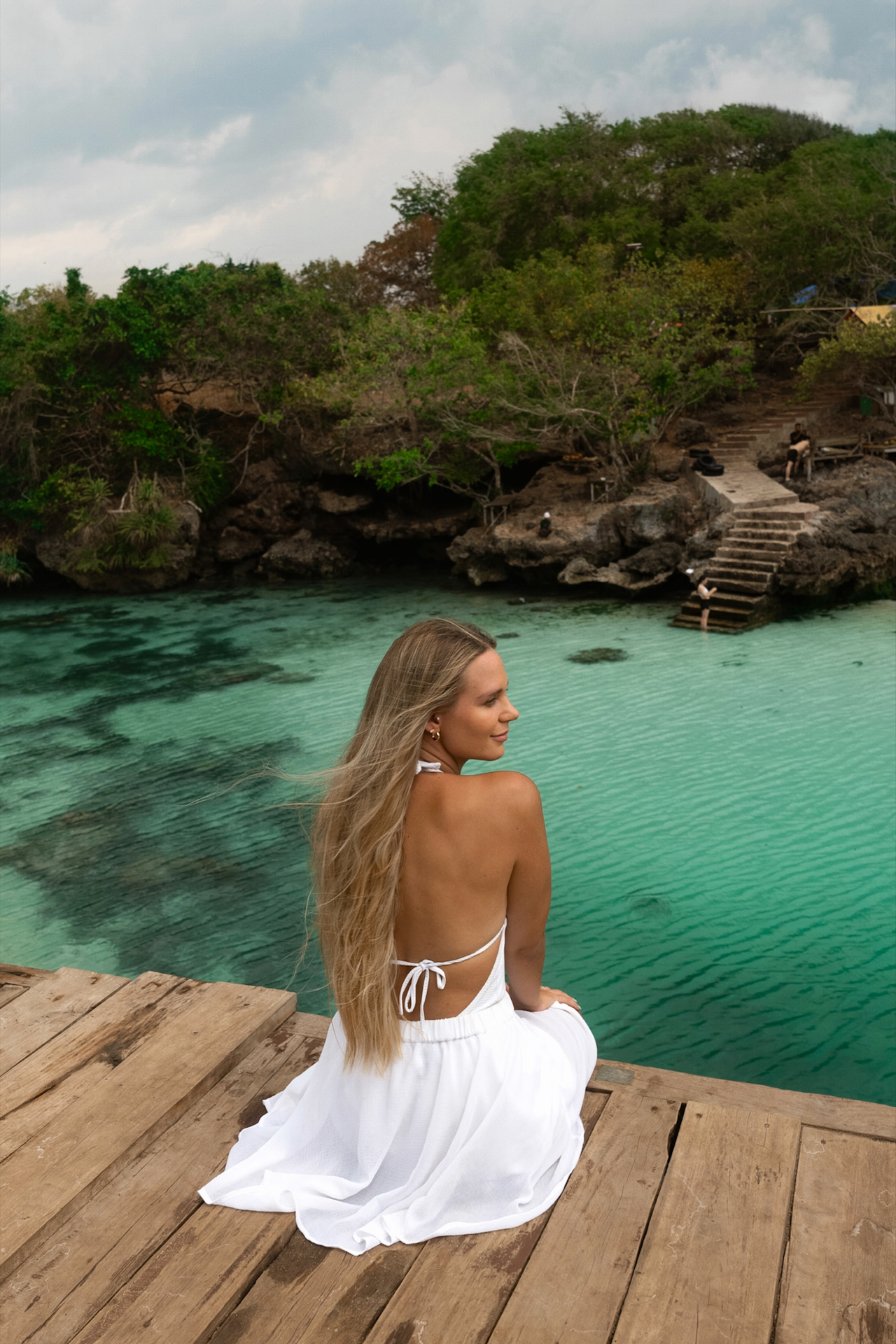
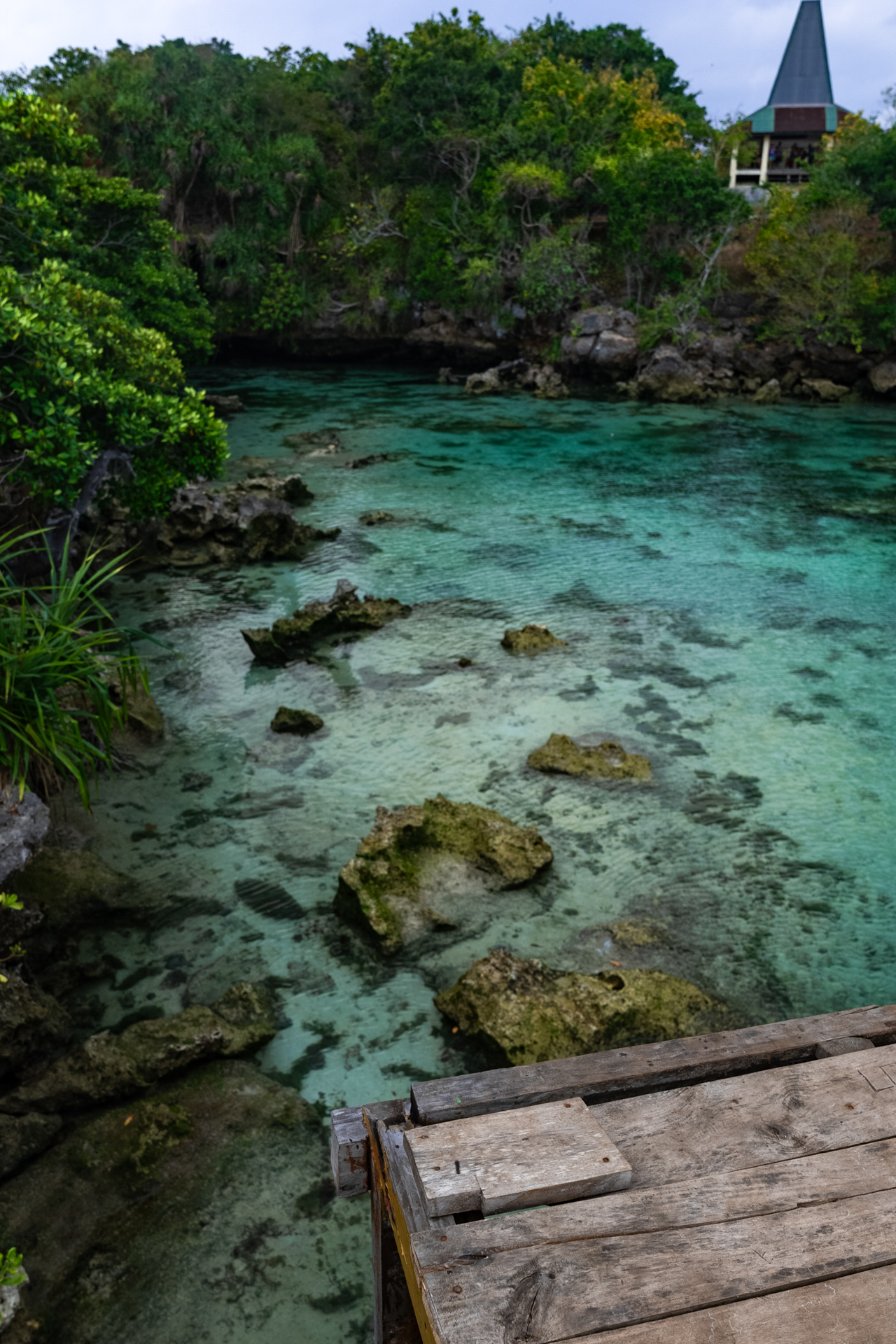
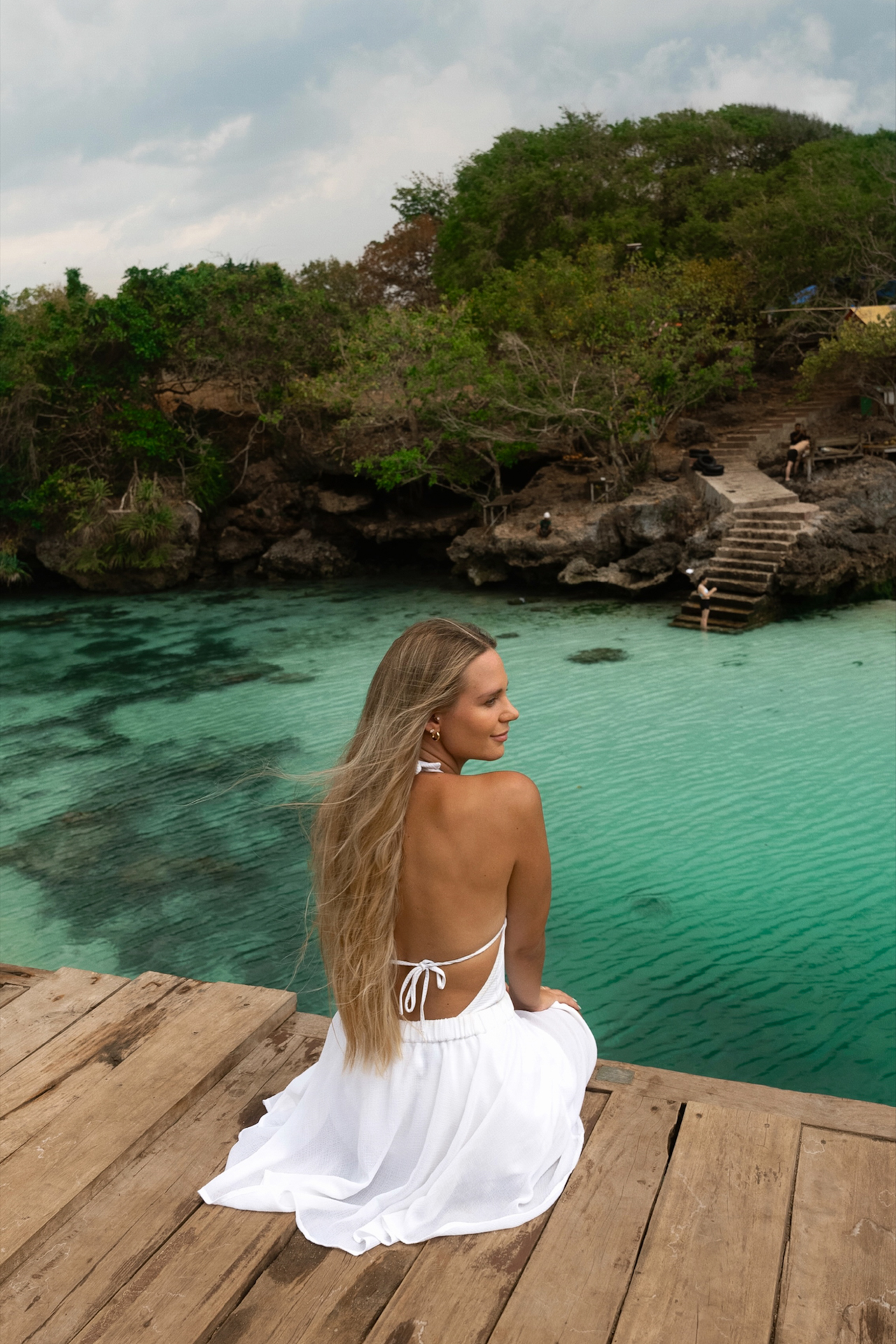
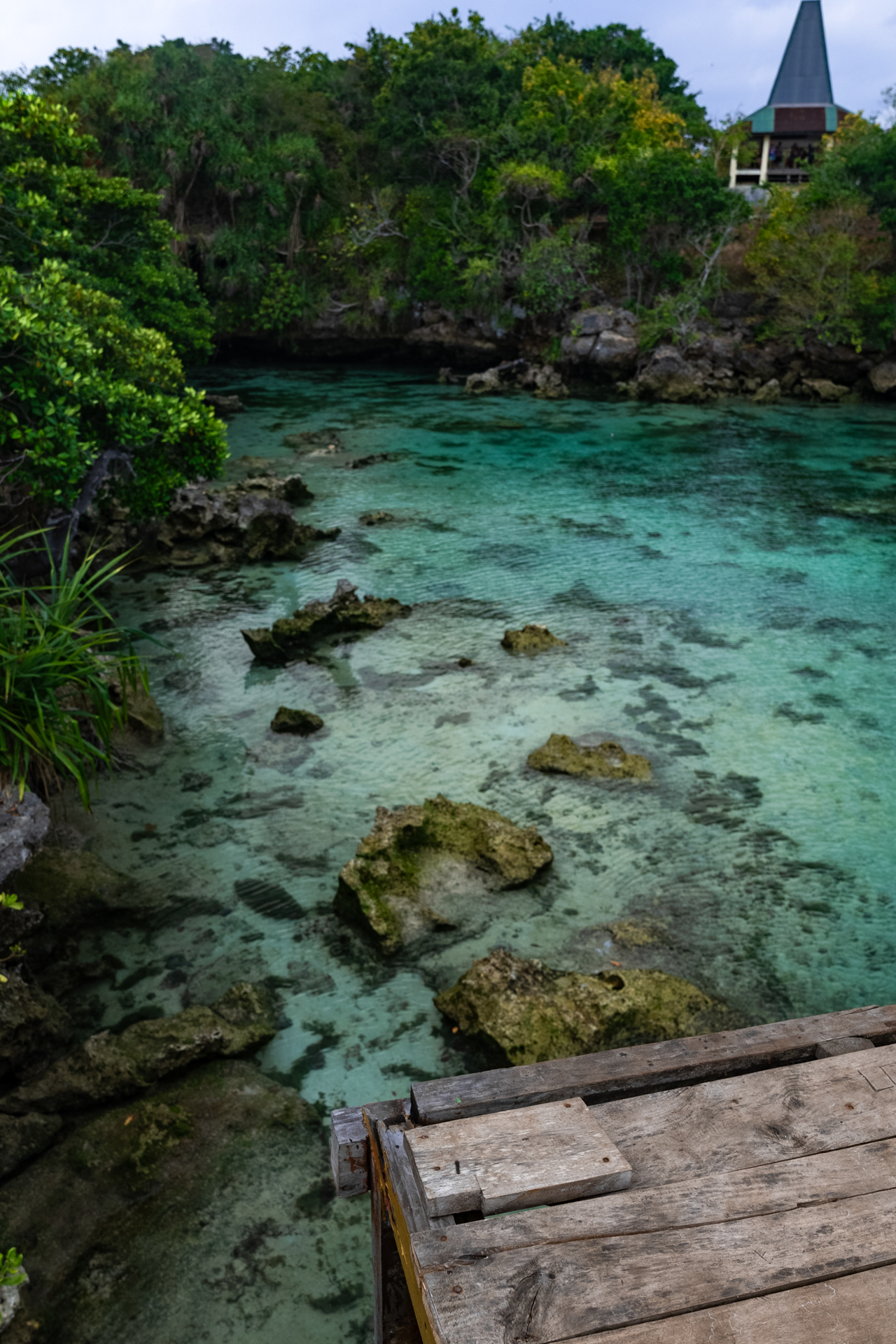
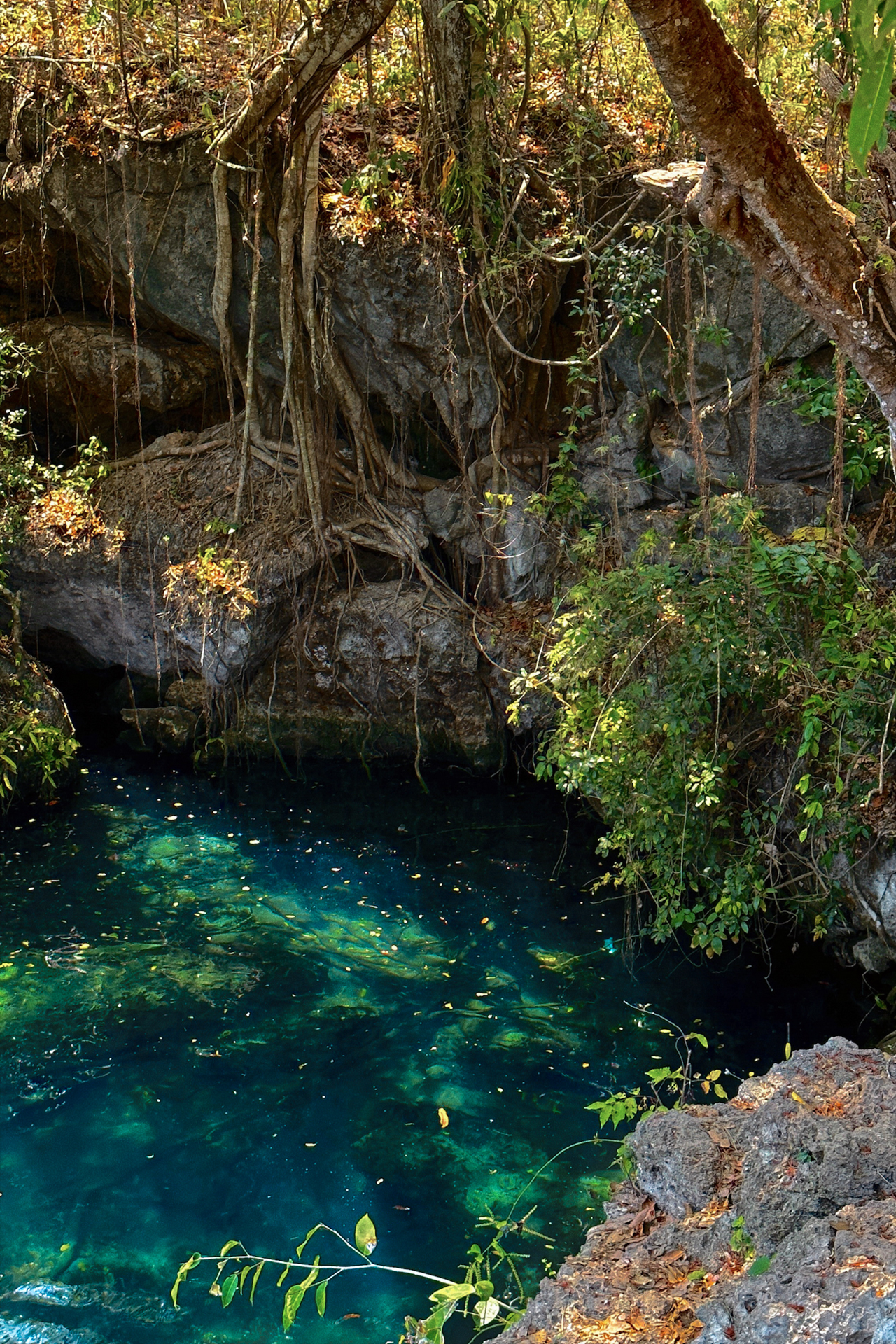
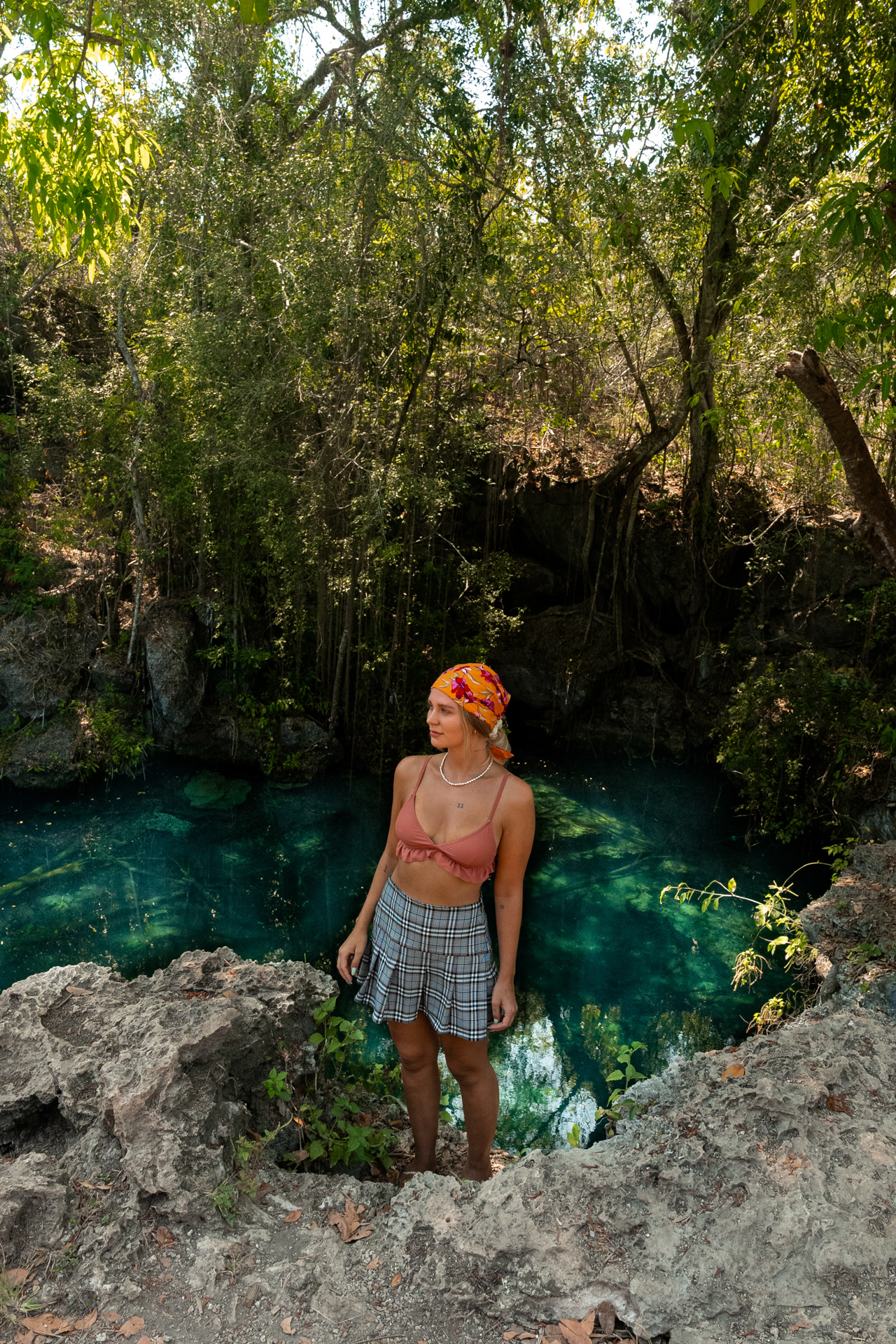
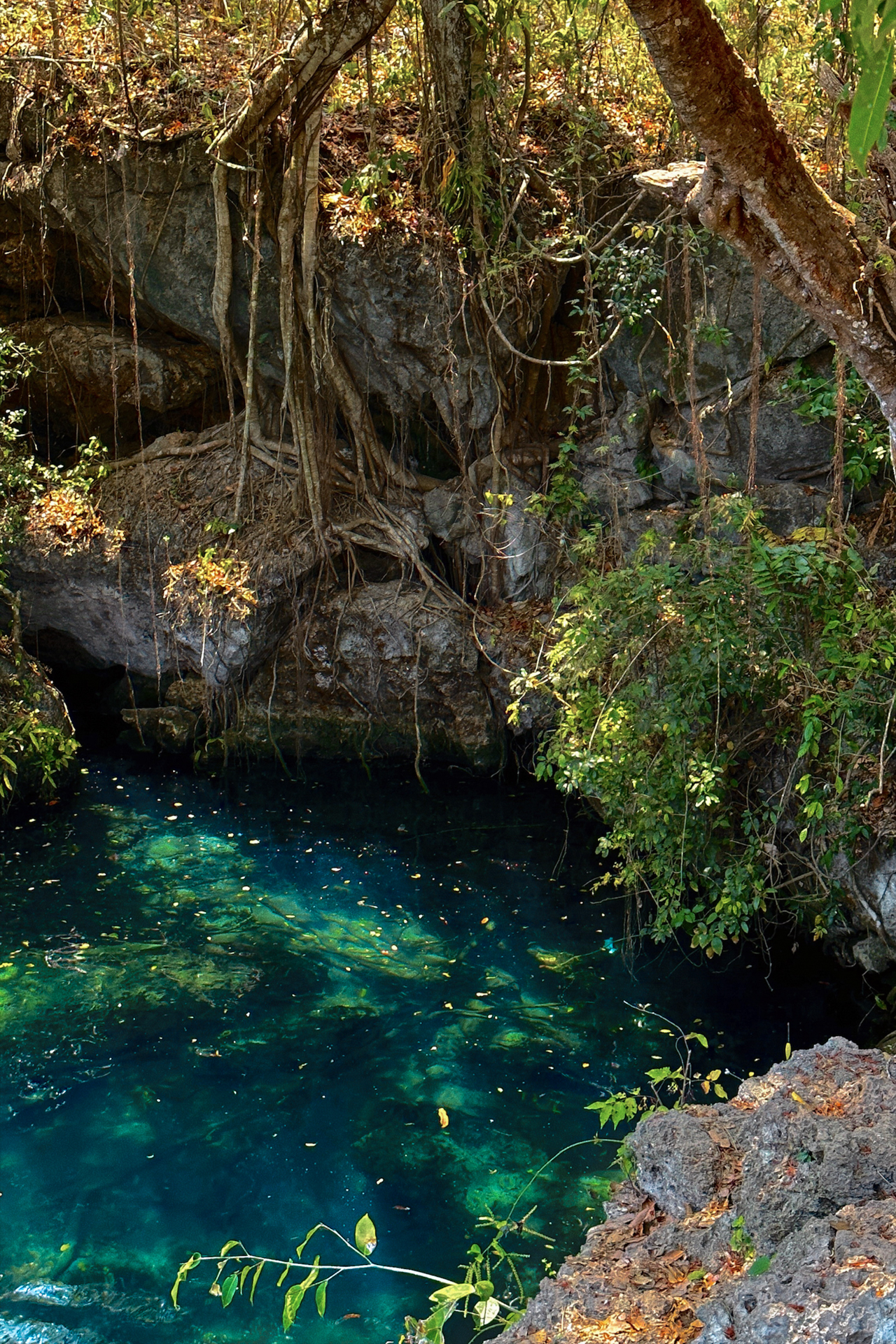
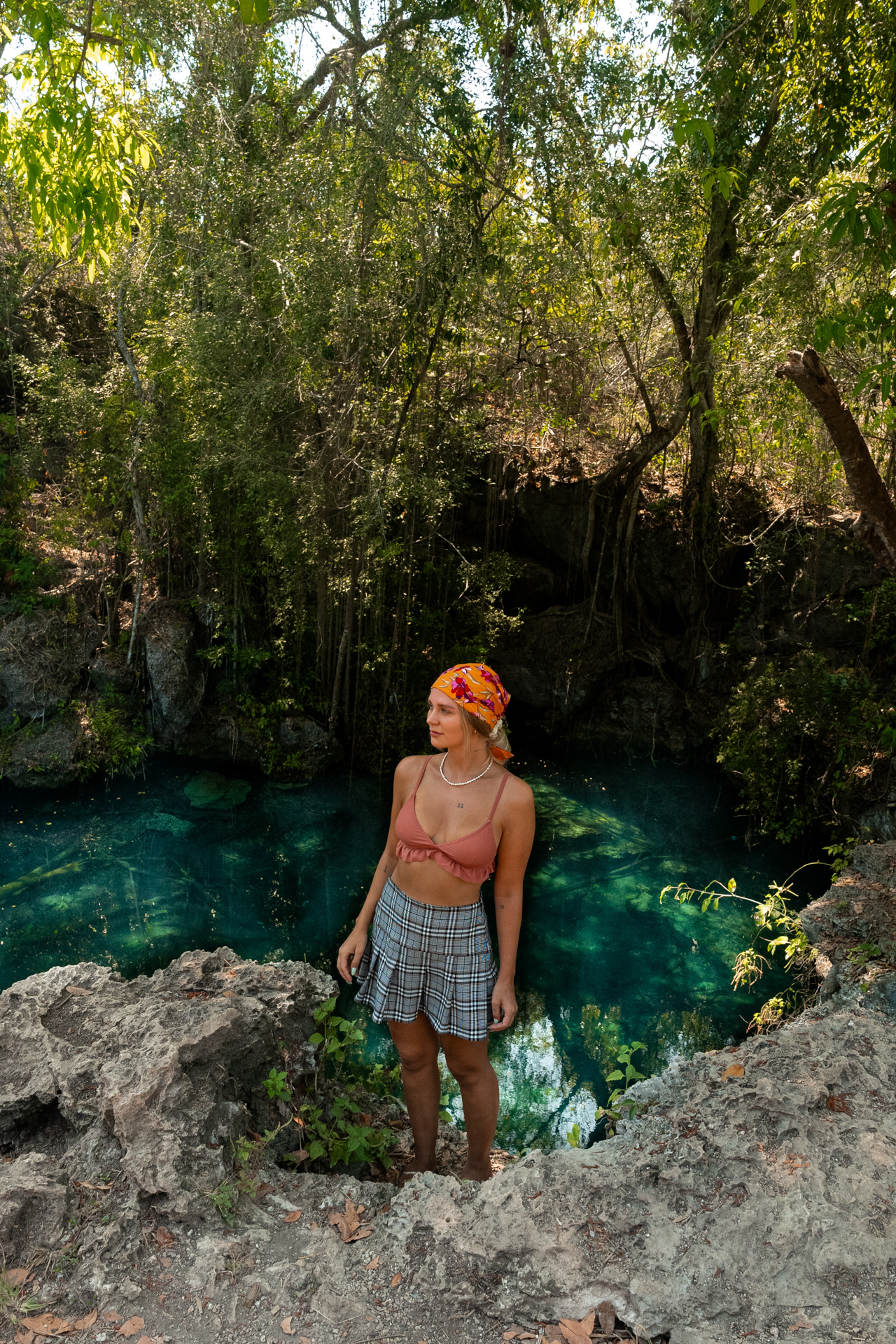
This lagoon is still a hidden gem, so you might even have the place to yourself. Our driver showed us this spot randomly, and I completely fell in love with it. It’s much quieter yet just as beautiful as Weekuri.
Tucked along the southwestern coast of Sumba in Kodi, the lagoon is surrounded by jagged limestone cliffs and wild vegetation, with warm water perfect for swimming. I couldn’t find much information about it online, but show your guide the photos and they’ll definitely know where it’s located in Kodi.
4. Waikabubak Local Market
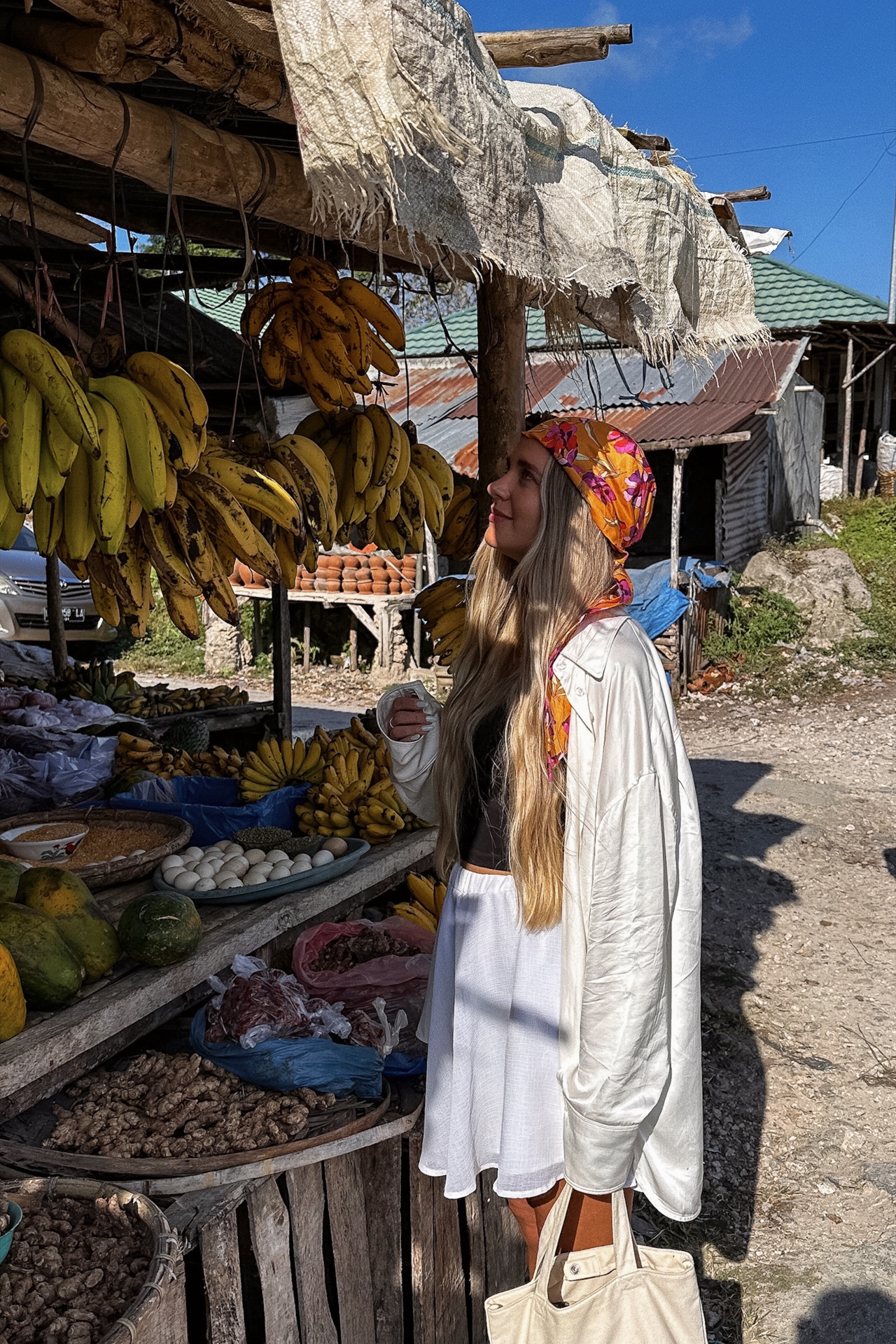
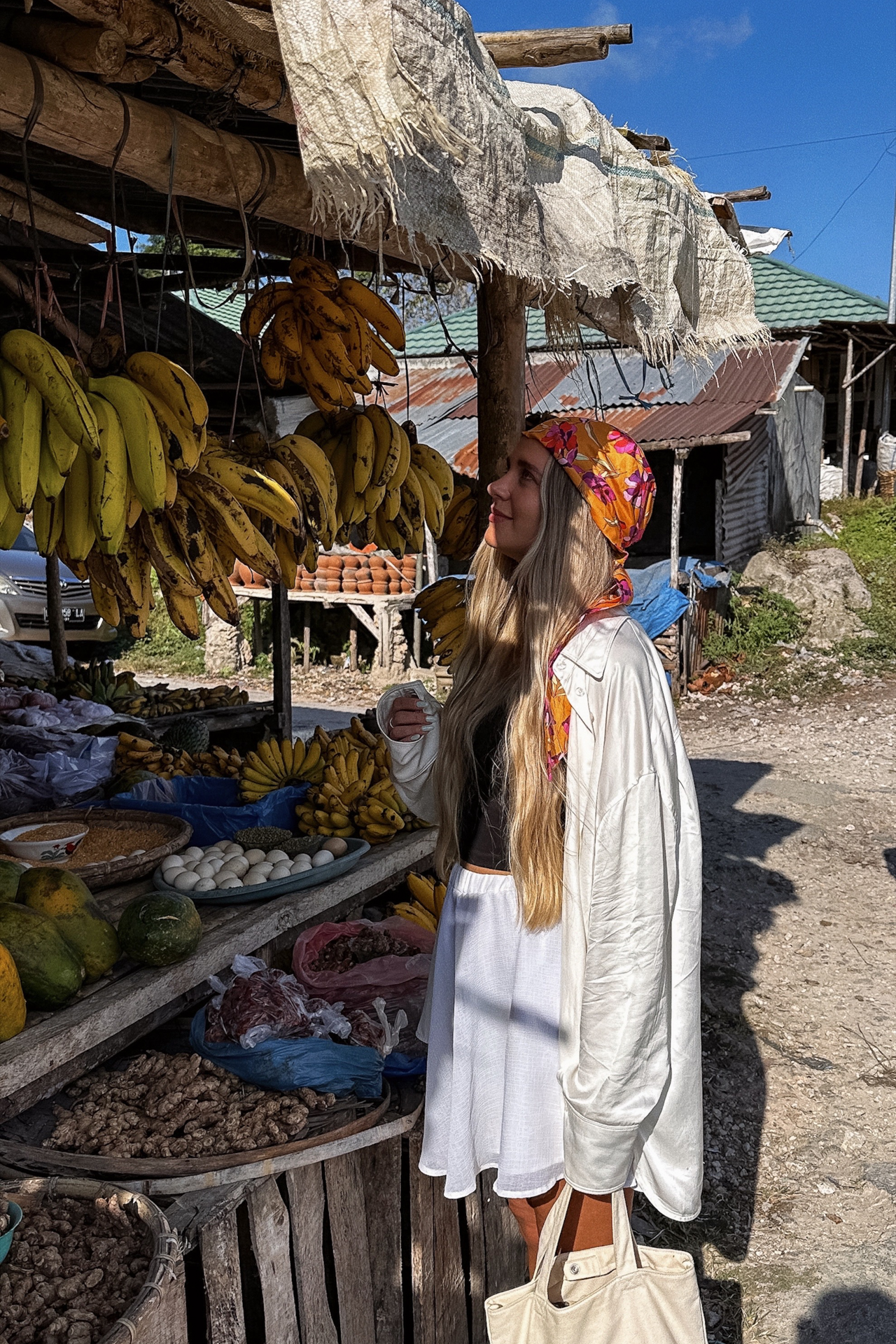
For an authentic taste of daily life in Sumba, visit the local market in Waikabubak, the main town of West Sumba. This bustling market is where locals come to buy and sell fresh produce, spices, betel nut, woven ikat textiles, and all kinds of everyday goods.
Walking through the stalls gives you a deeper look into the local culture, food, and craftsmanship that you would not find in tourist spots.
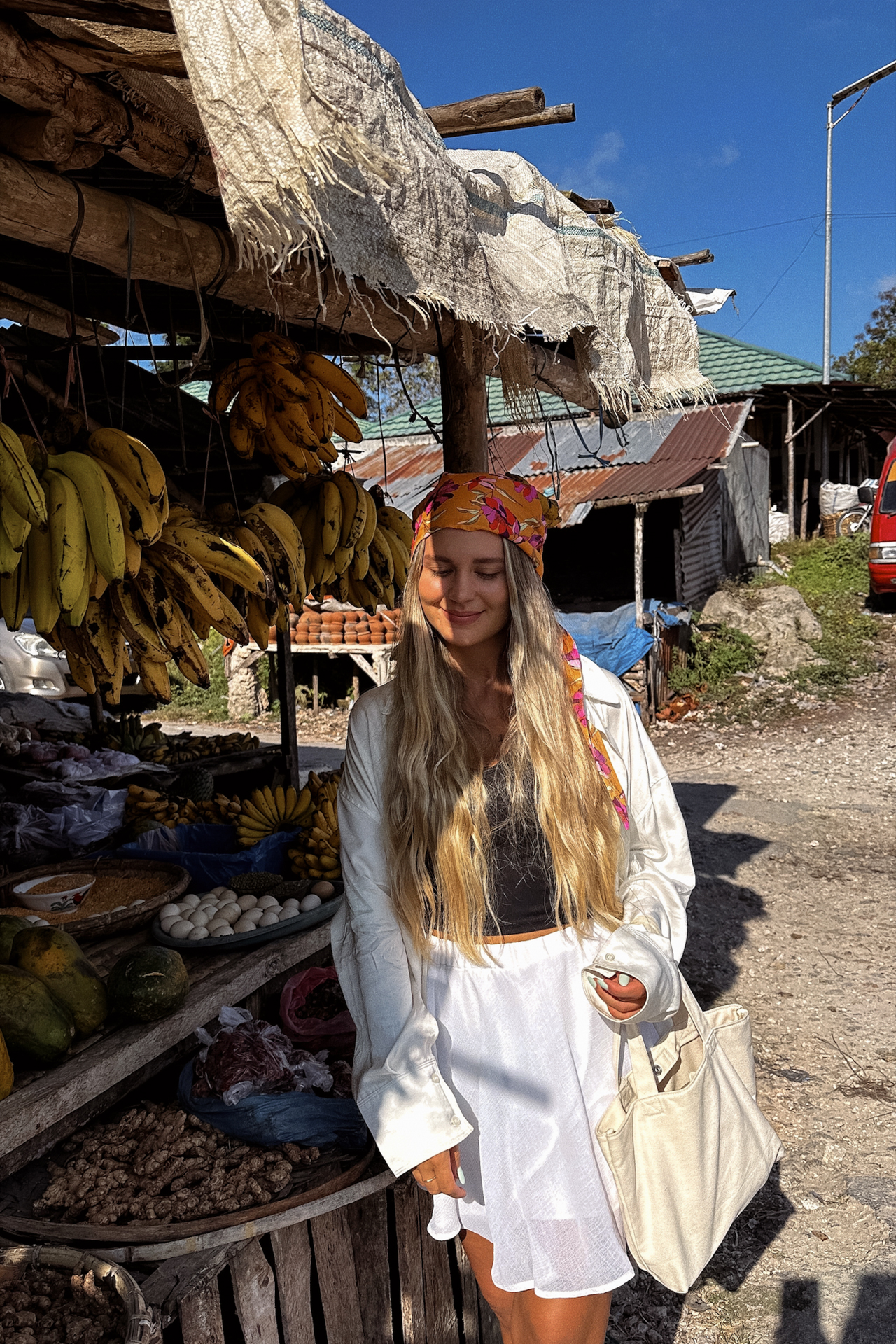
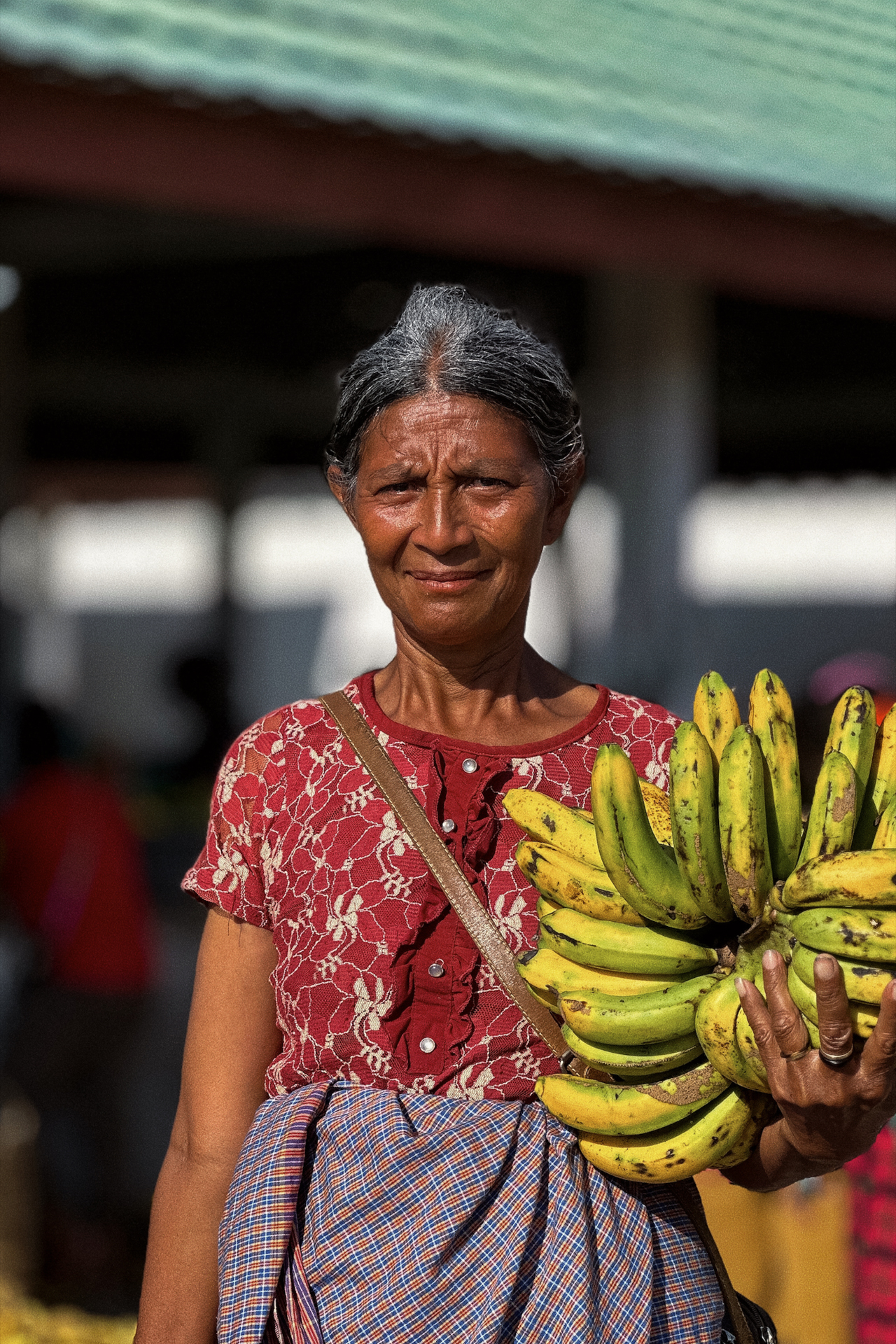
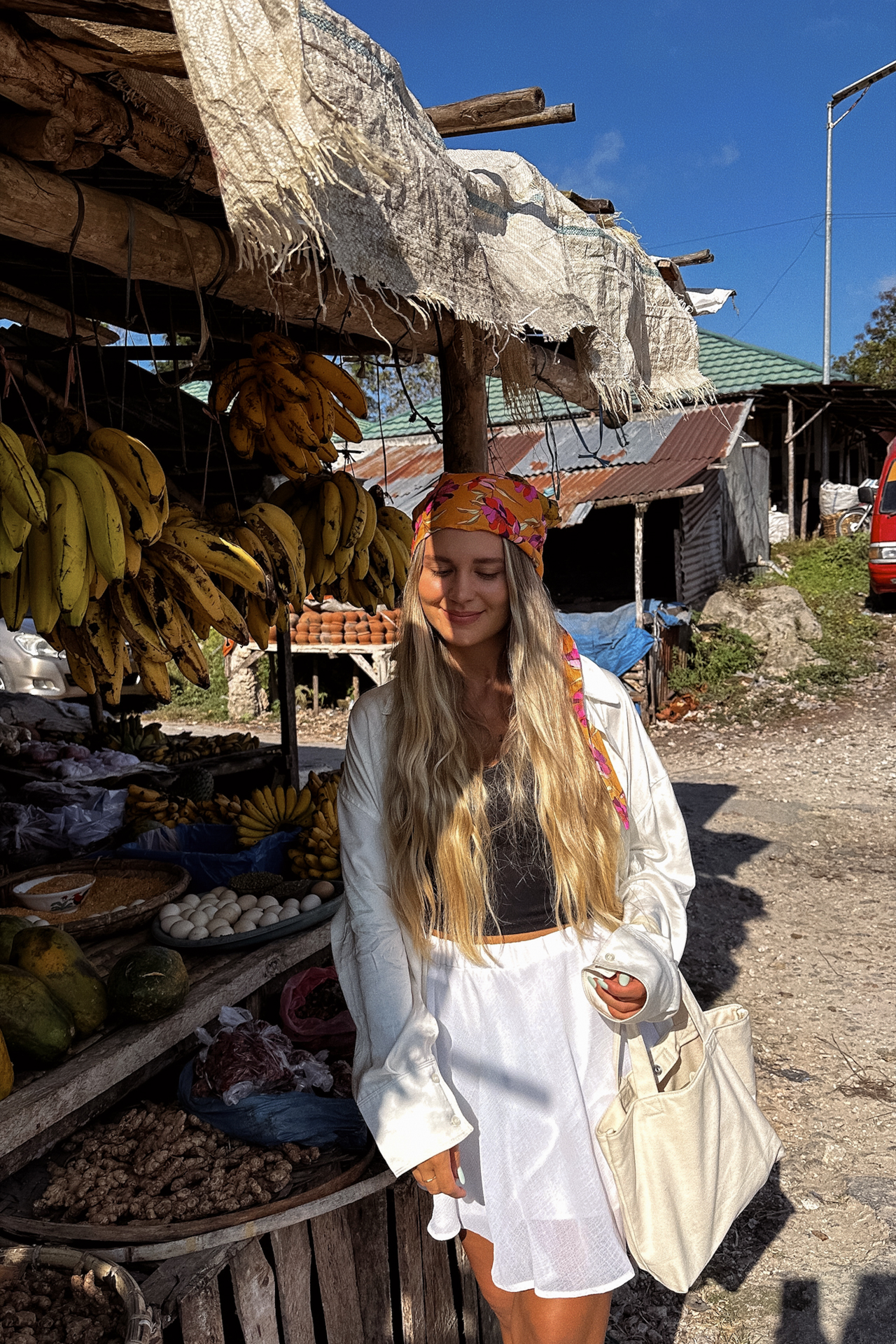
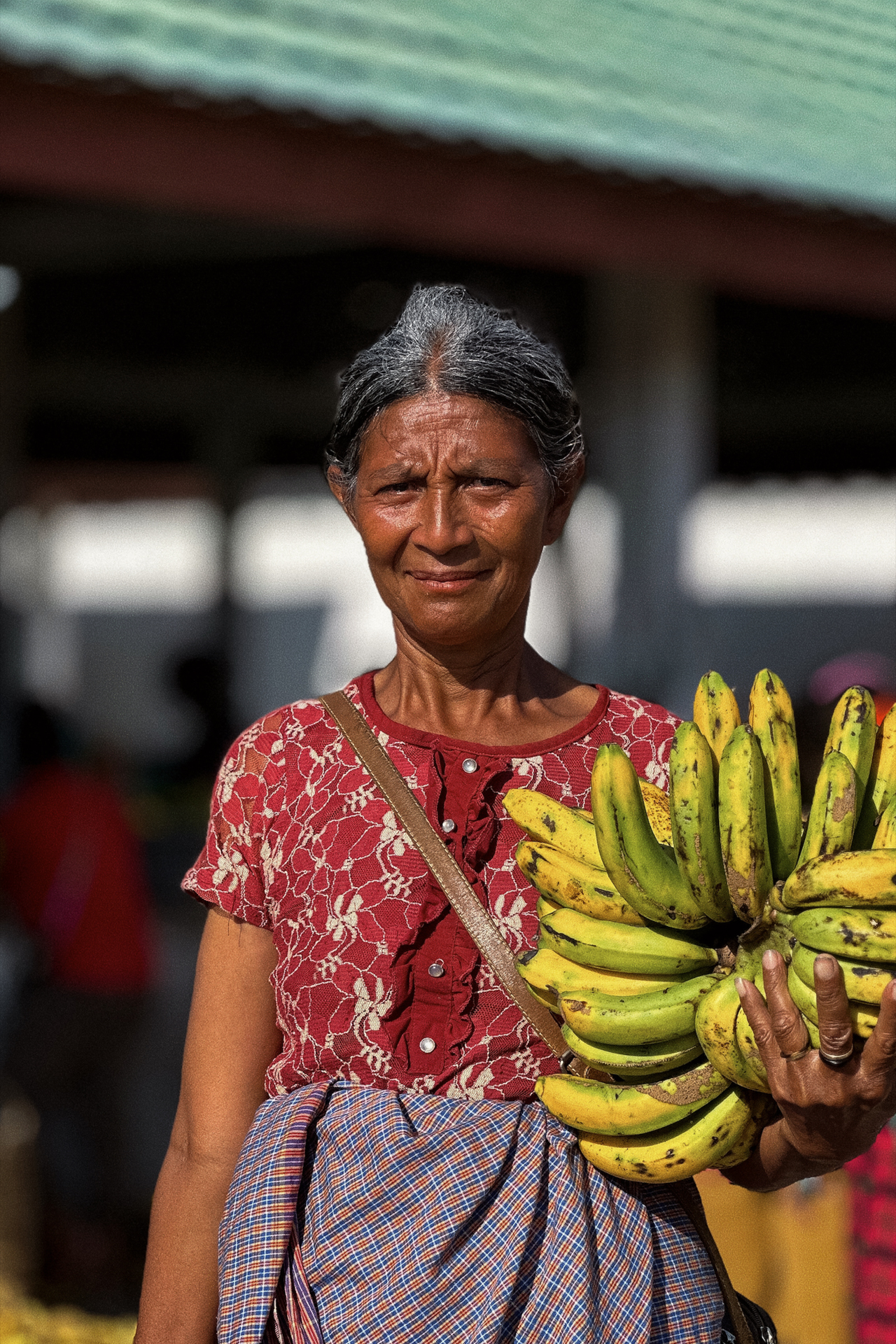
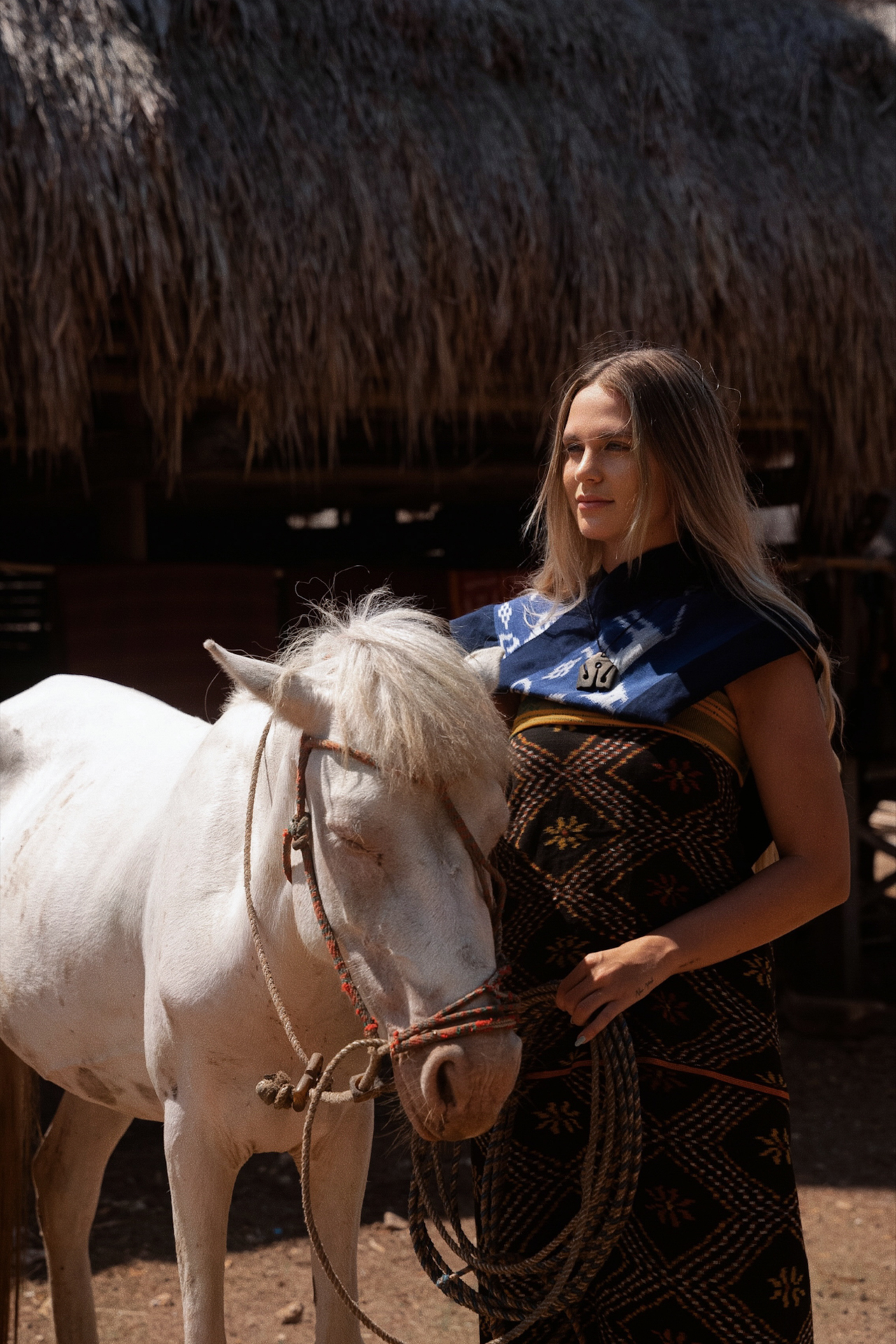
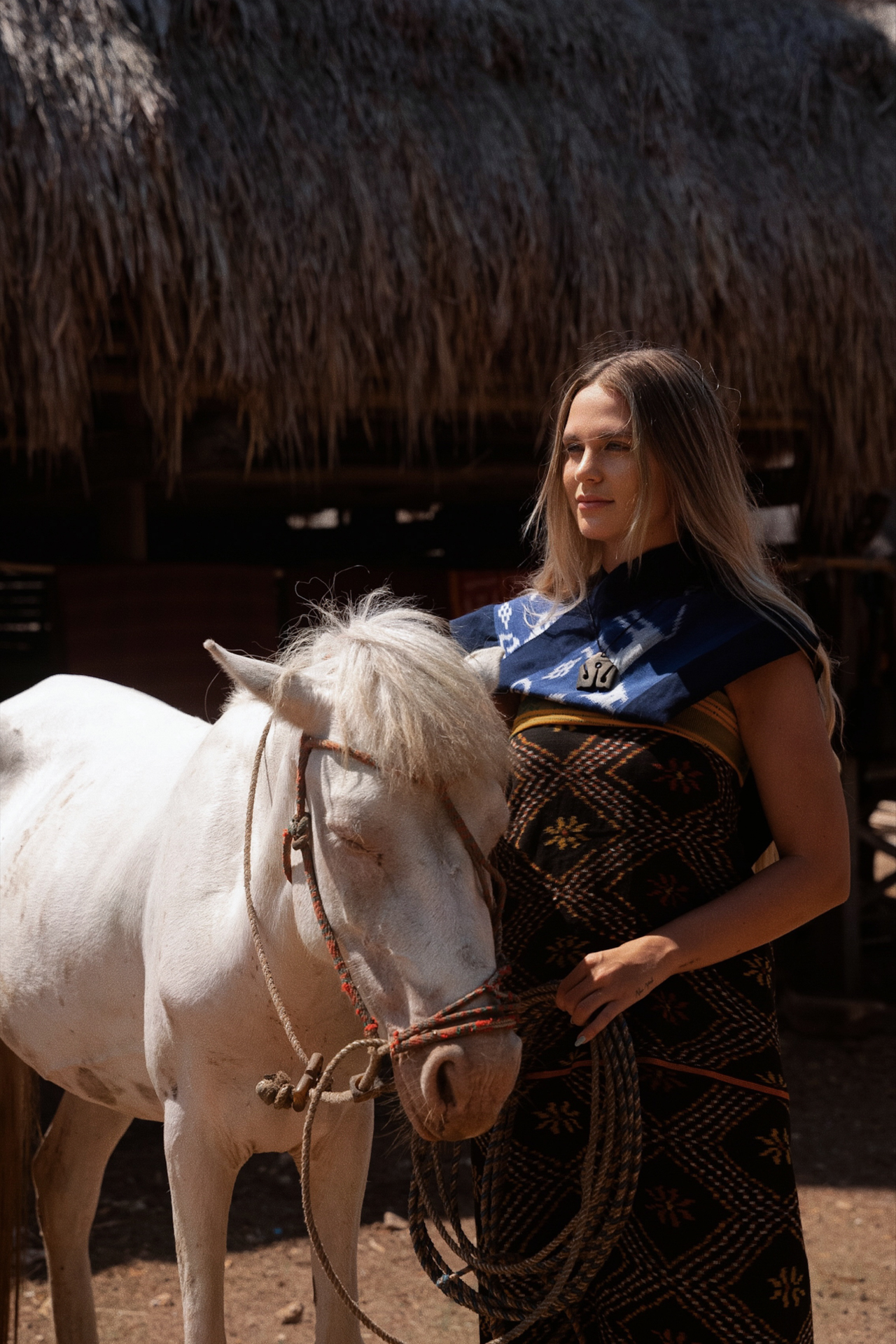
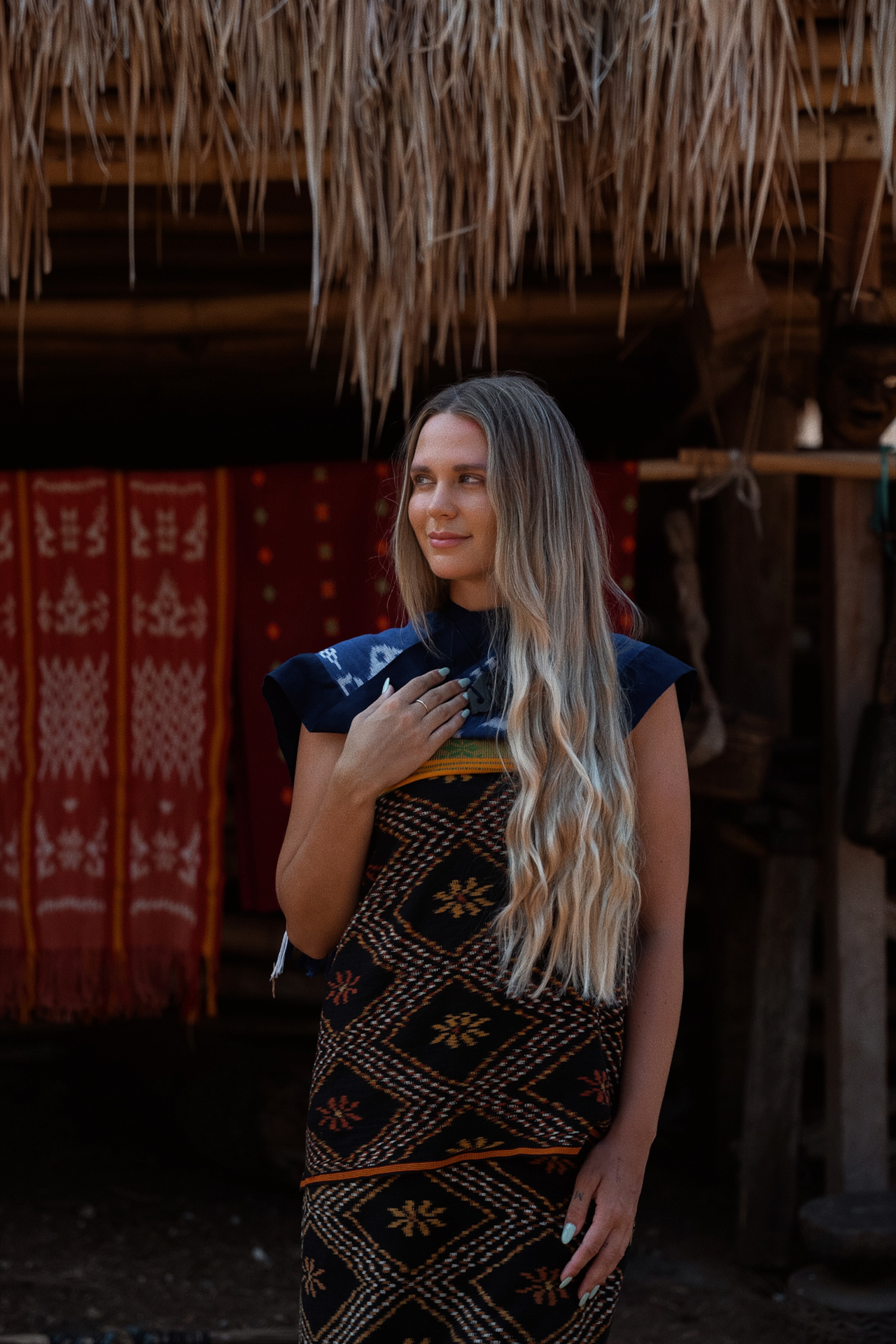
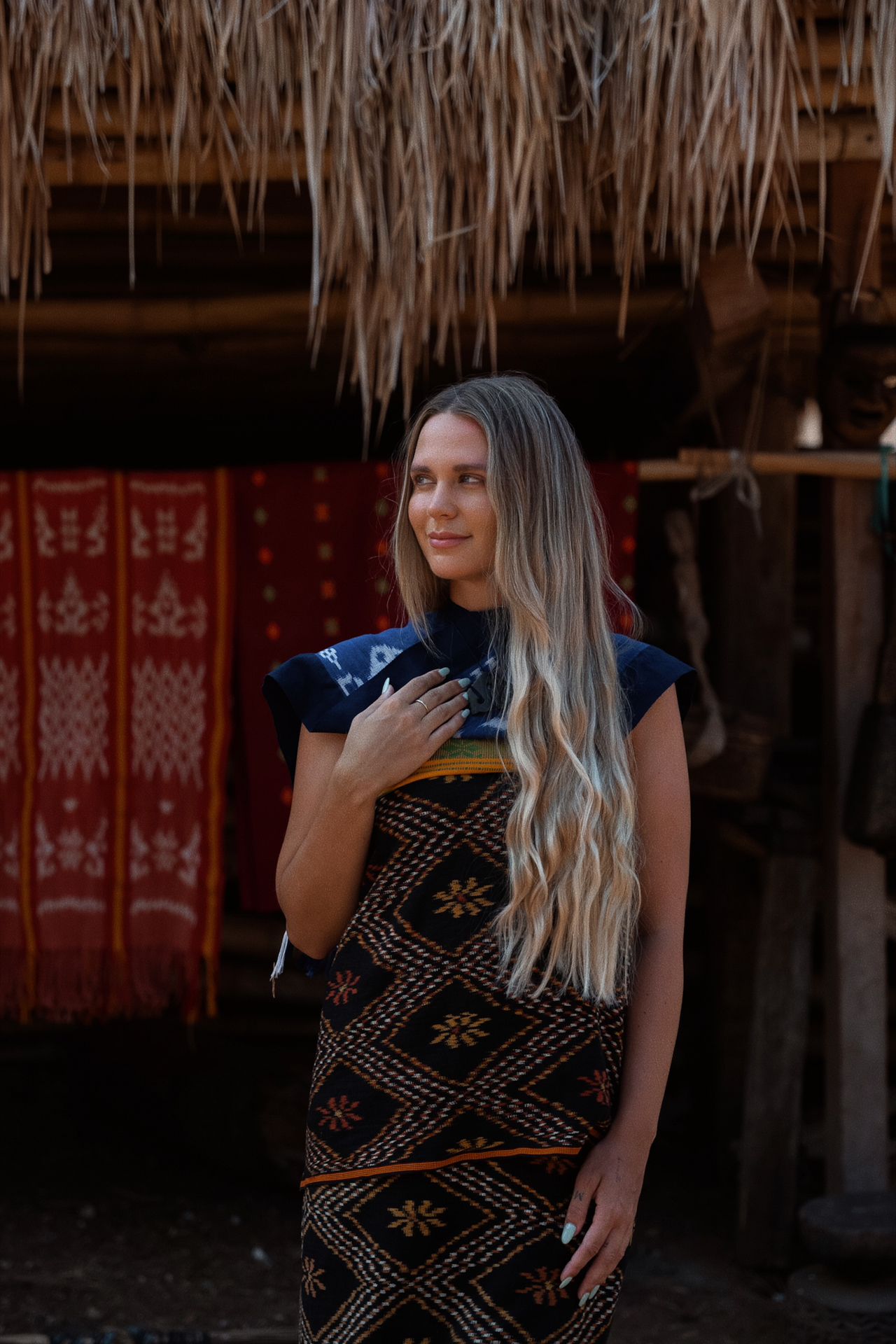
Sumba is known for its colorful and complex ikat textiles. these have deep cultural and social significance and are often used in ceremonies, rituals and daily life.
5. Wee Kacura Waterfall
This fairy tale waterfall in Southwest Sumba is unlike any other on the island. What makes it special is its setting: the water cascades from a spring inside a stone cave and flows out into expansive rice fields that surround it.
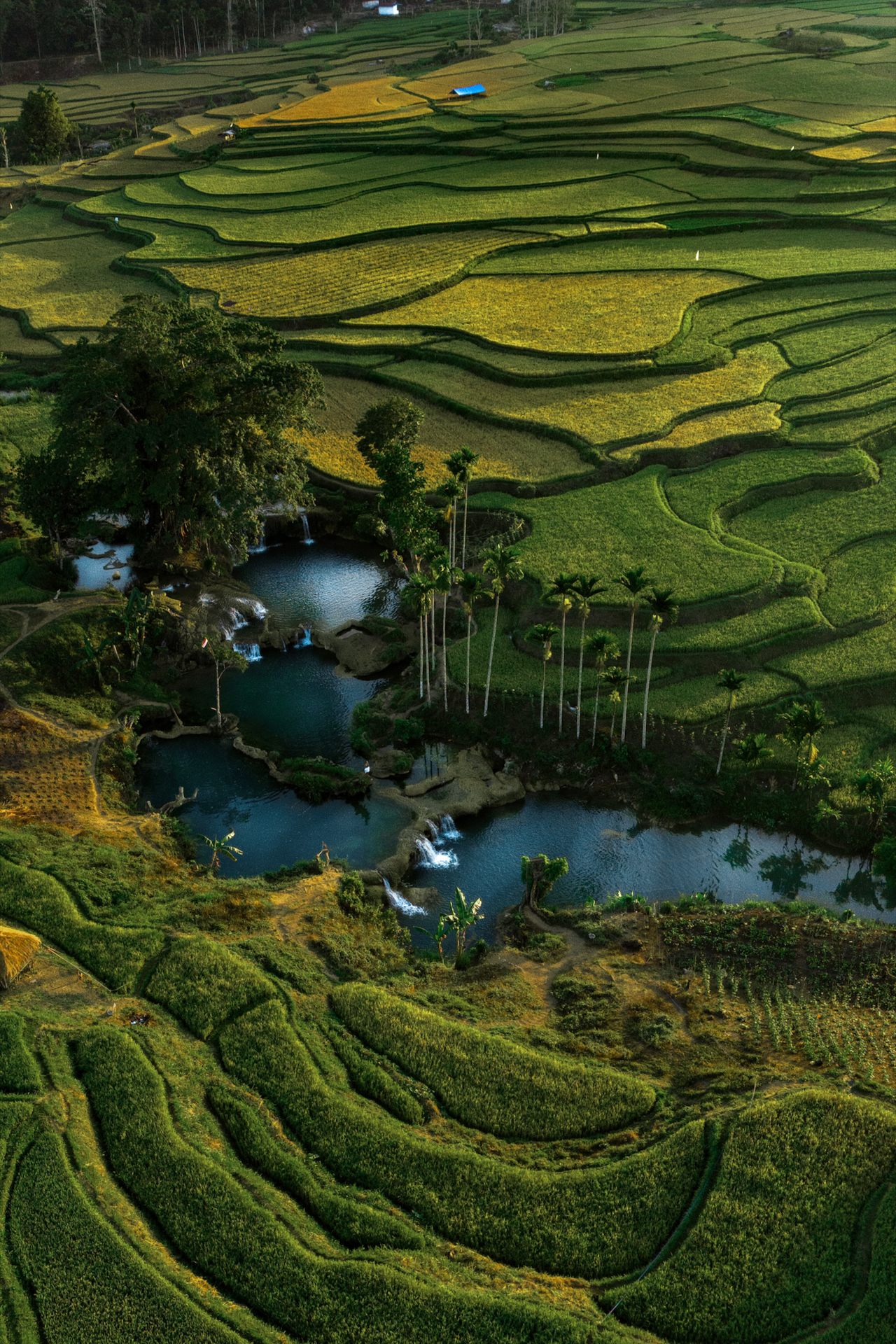
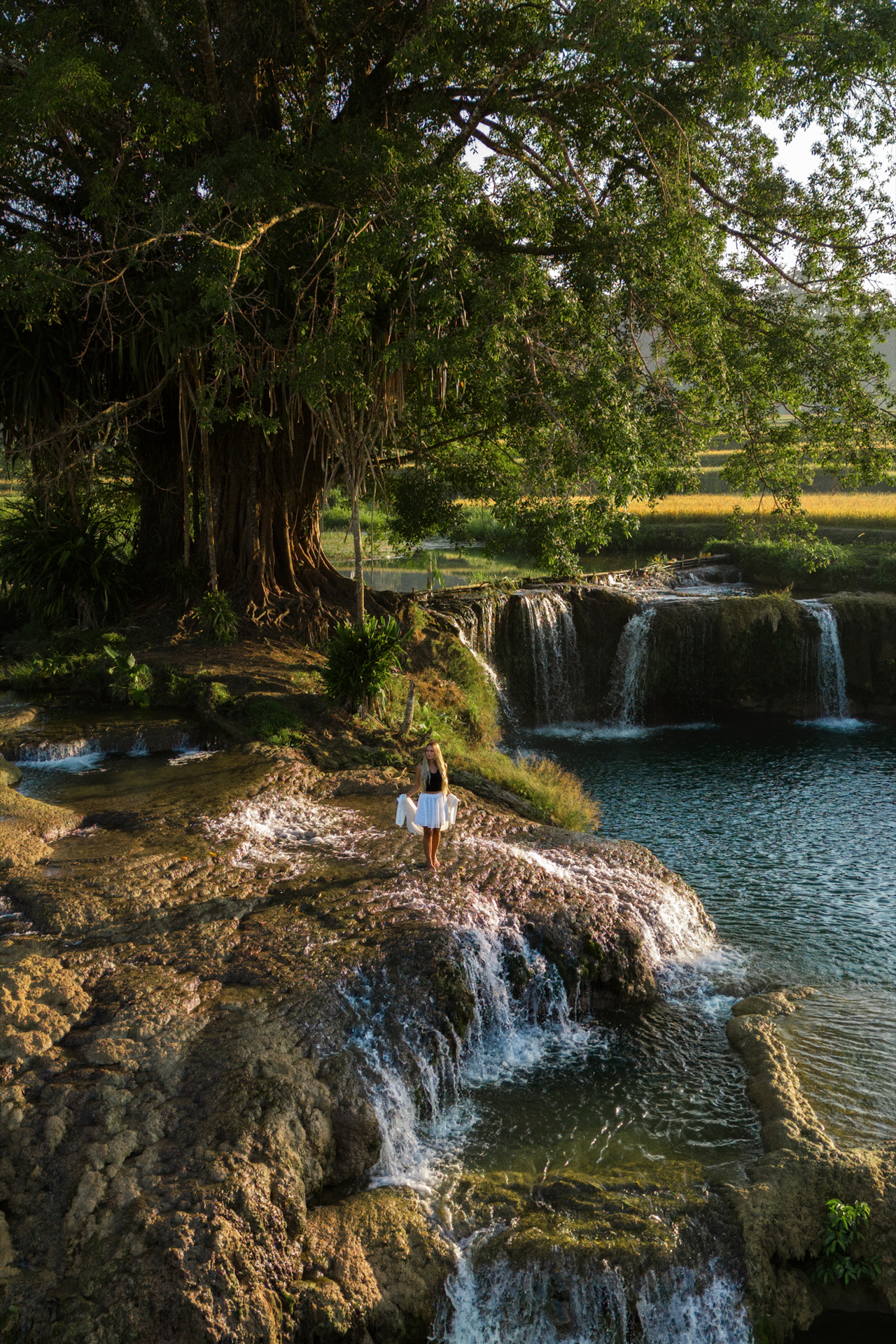
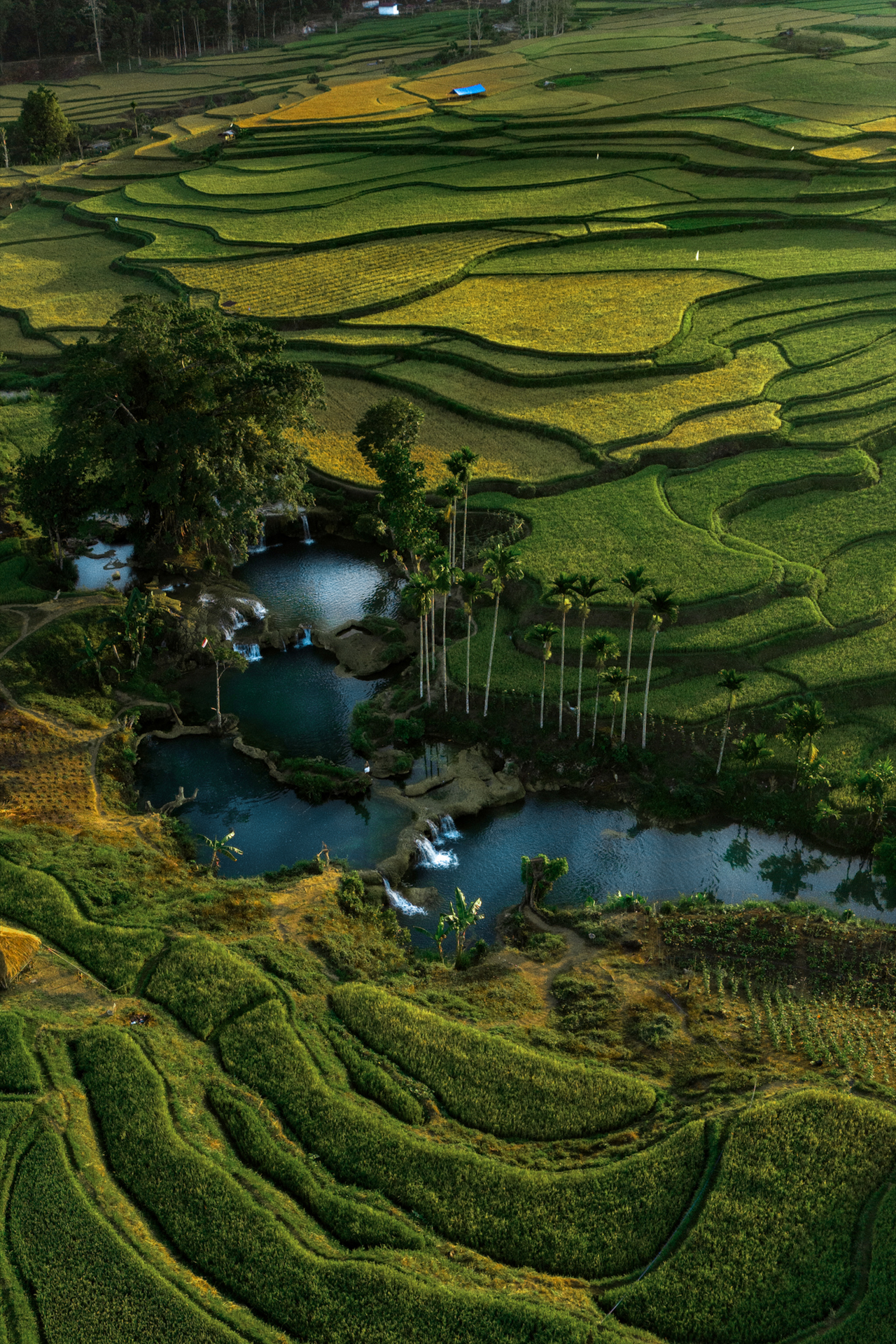
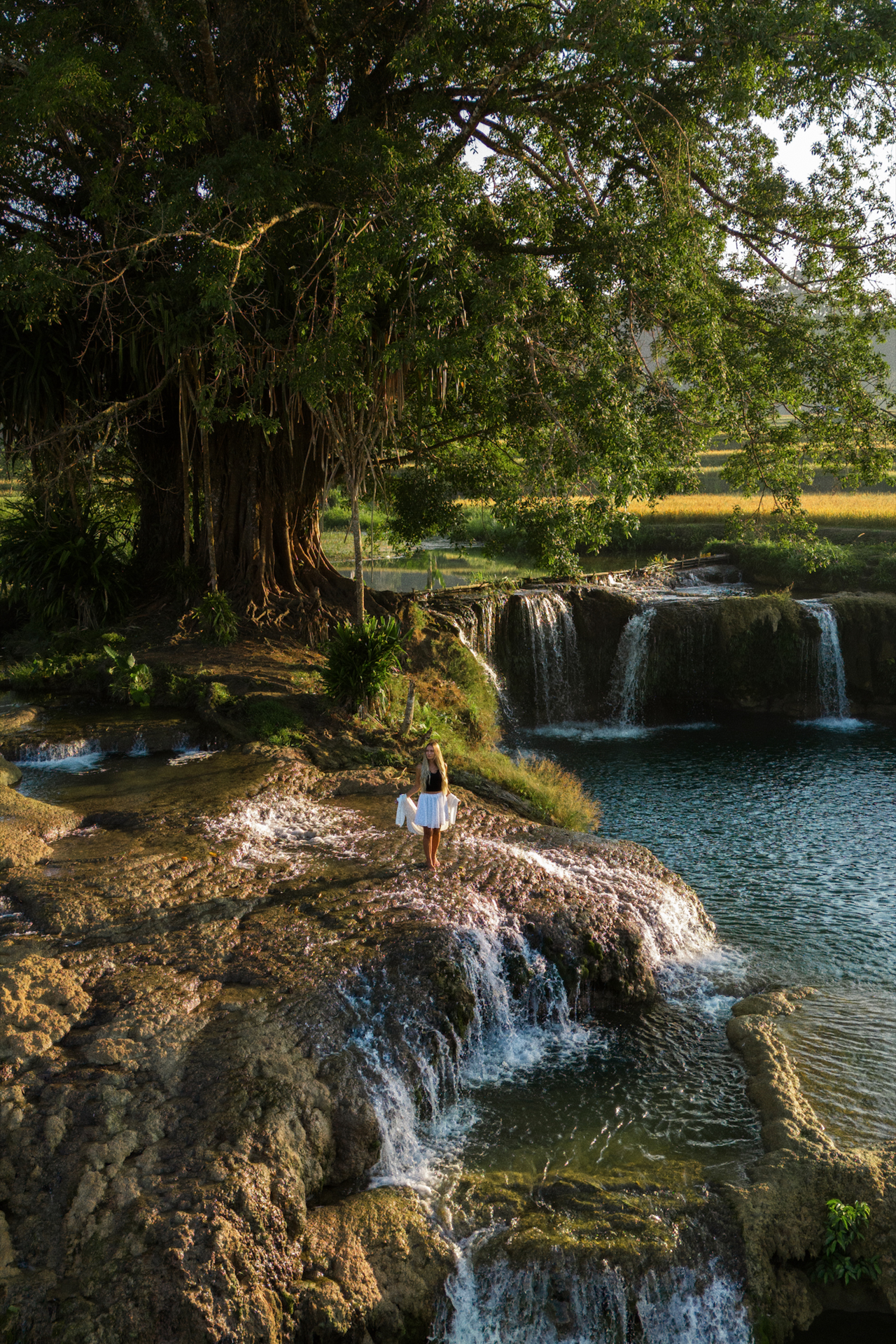
Depending on the season, the surrounding paddies are either vibrant green or golden brown, creating completely different backdrops. The path is flat and easy to walk, making it one of the most accessible waterfalls in Sumba.
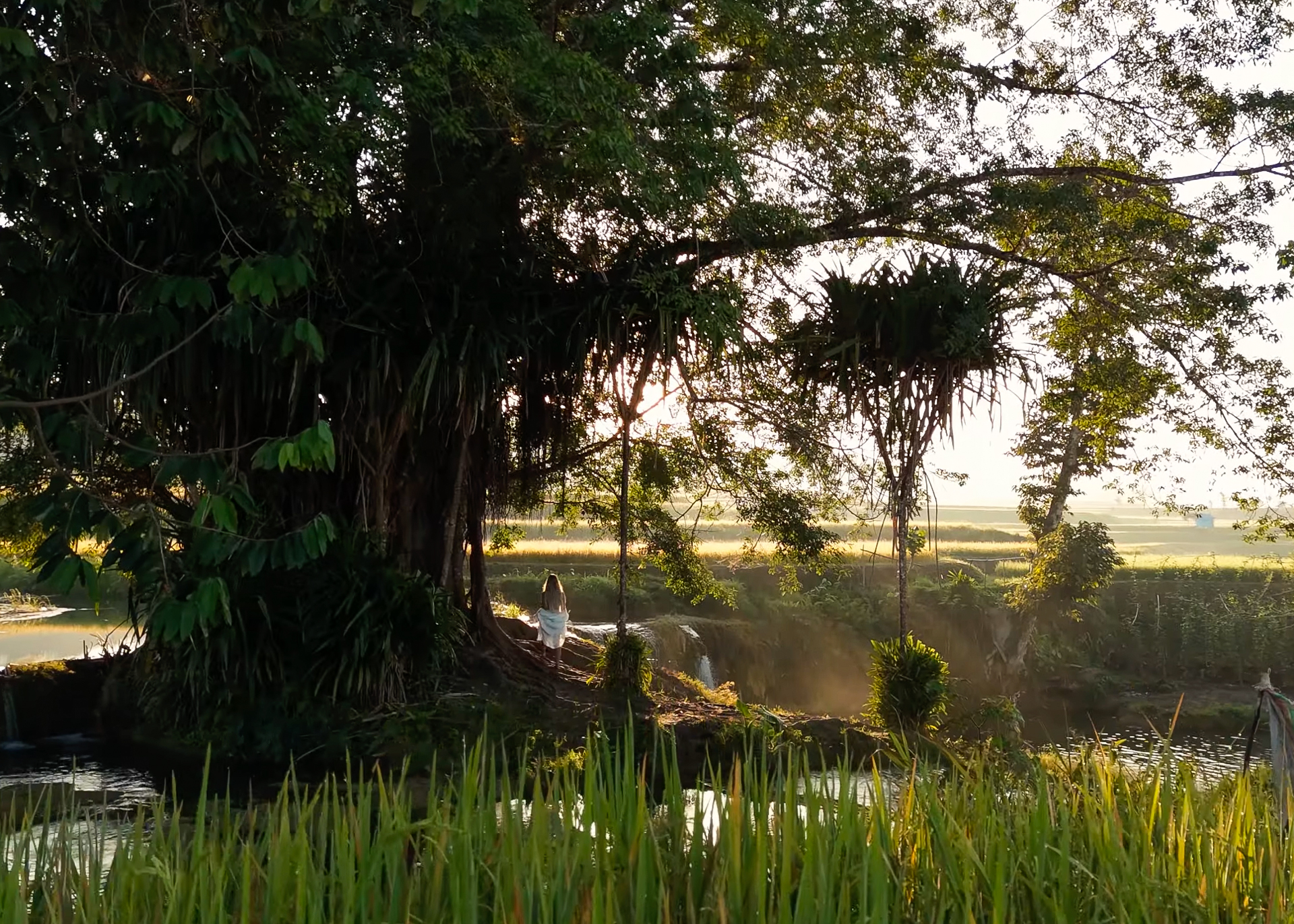
There is no official entrance fee, but voluntary donations are appreciated.
6. Lokomboro Waterfall
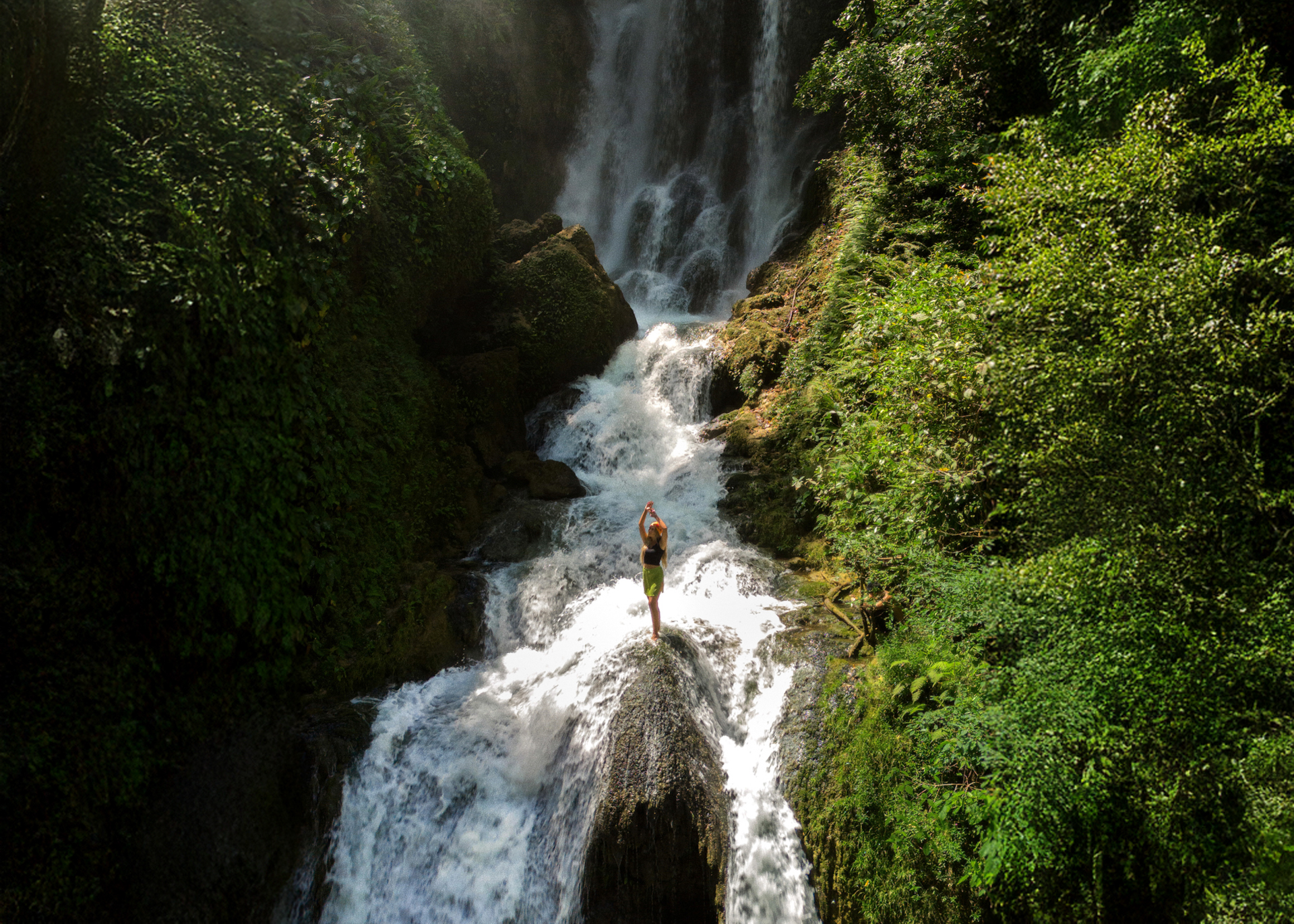
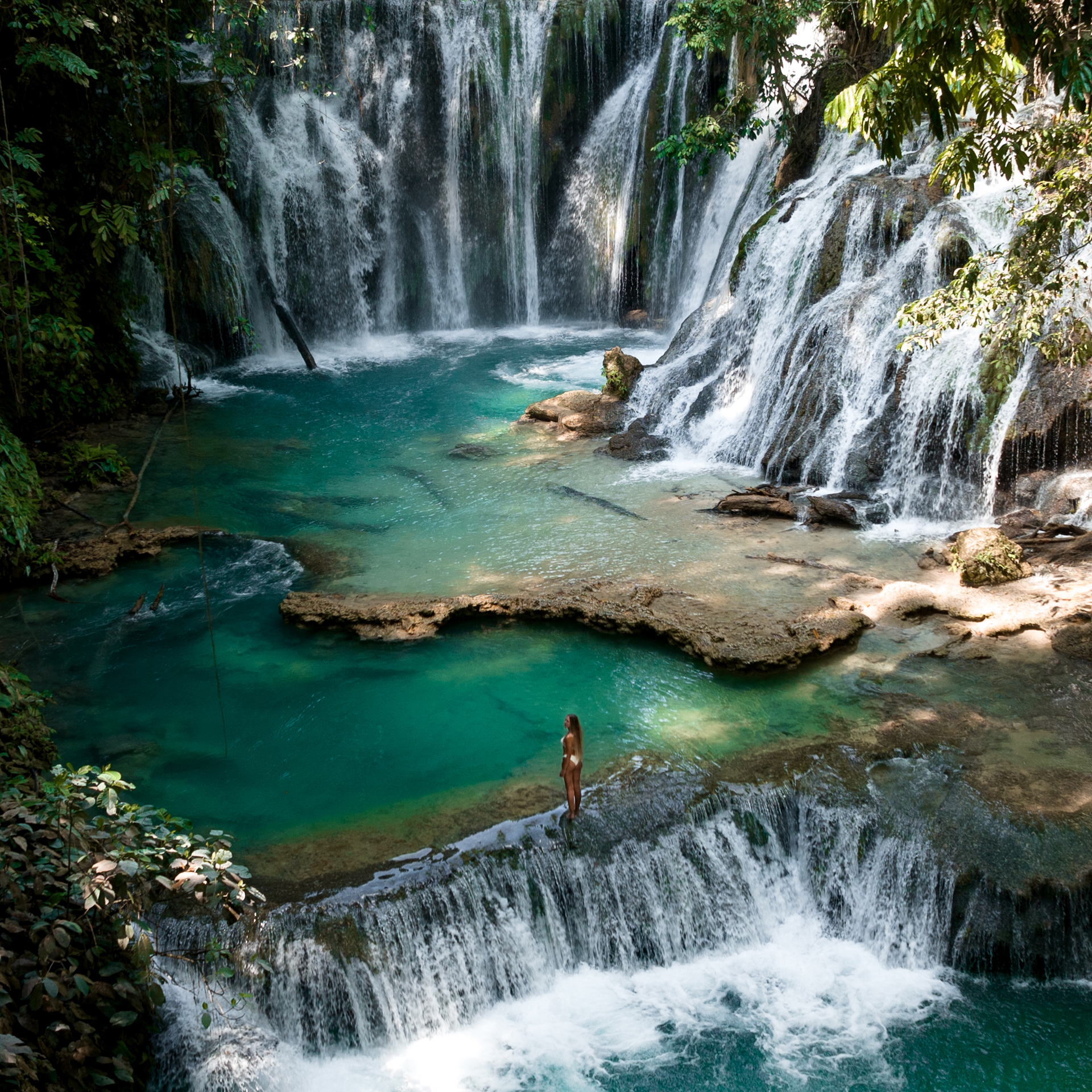
Another hidden gem! Tucked away in the hills of West Sumba, this waterfall is one of the most peaceful places you can visit on the island. The water cascades gently down layered rock formations into a clear natural pool surrounded by thick tropical greenery.
It is a perfect stop for a refreshing swim and a quiet moment away from the main attractions. We had a well-connected driver/guide who parked near a small hydroelectric power station. From there, a short walk led us to the trail. The hike isn’t that long, but it’s tough, following the river through rocky, muddy, and slippery rainforest terrain.
7. Watu Bela Beach
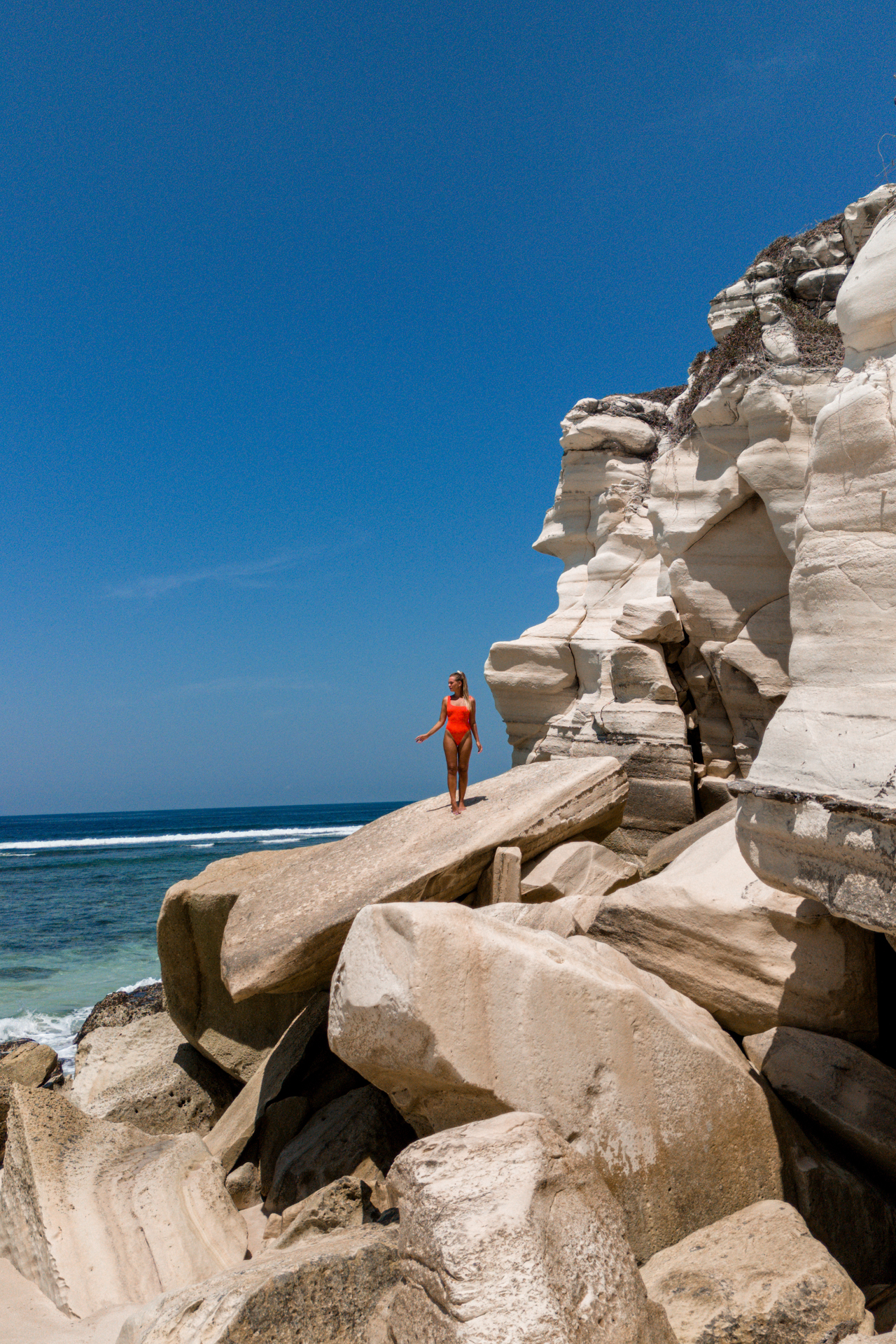
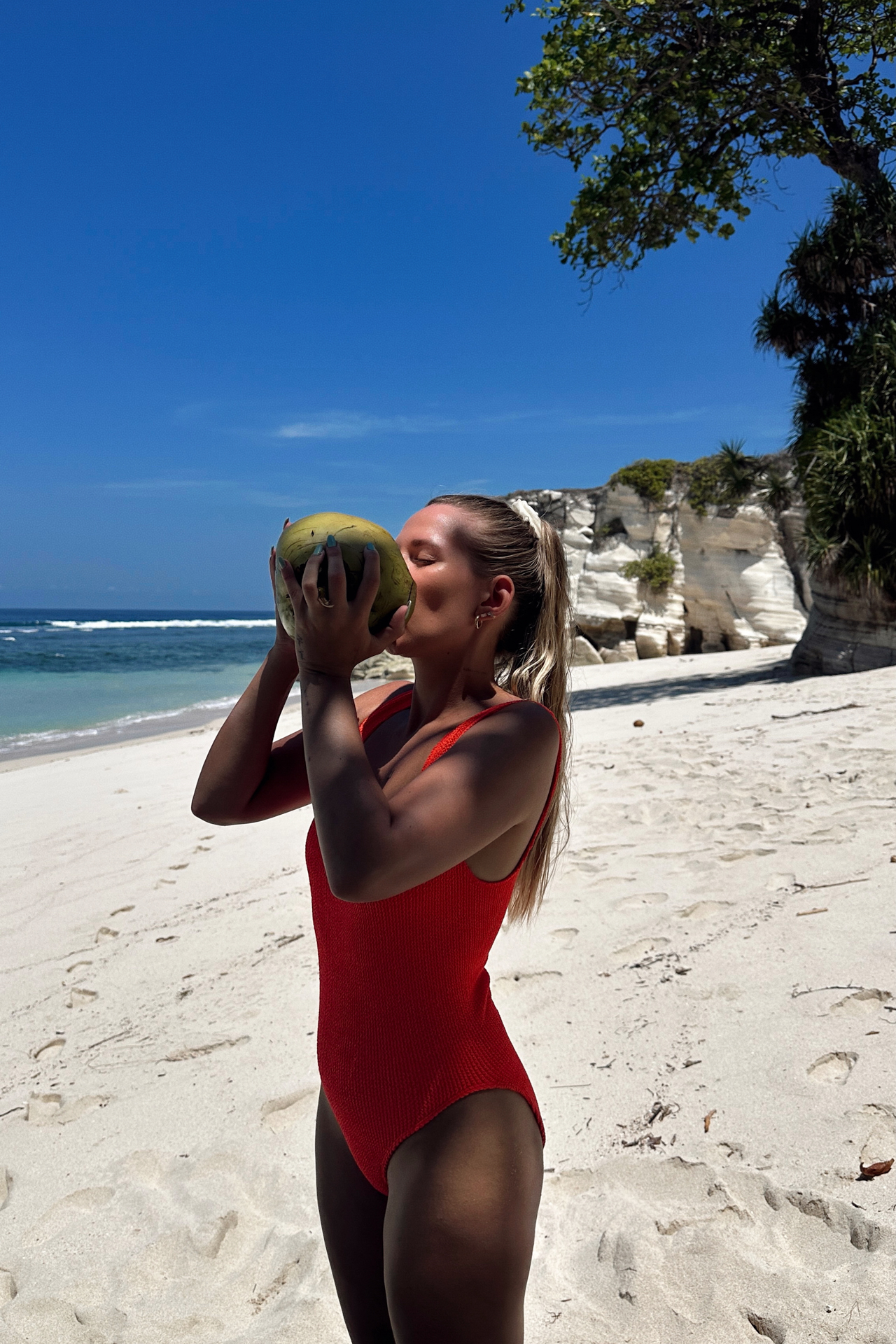
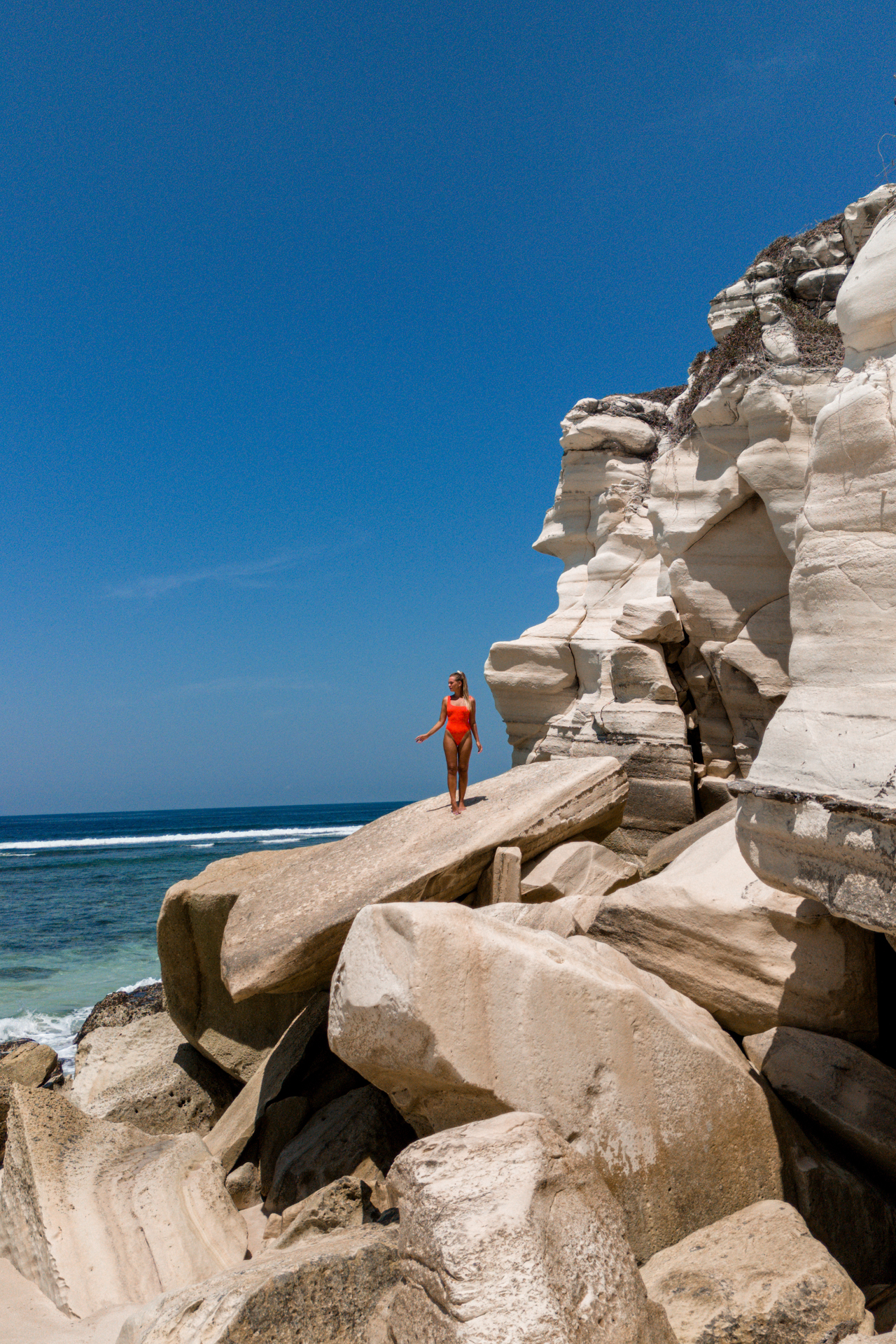
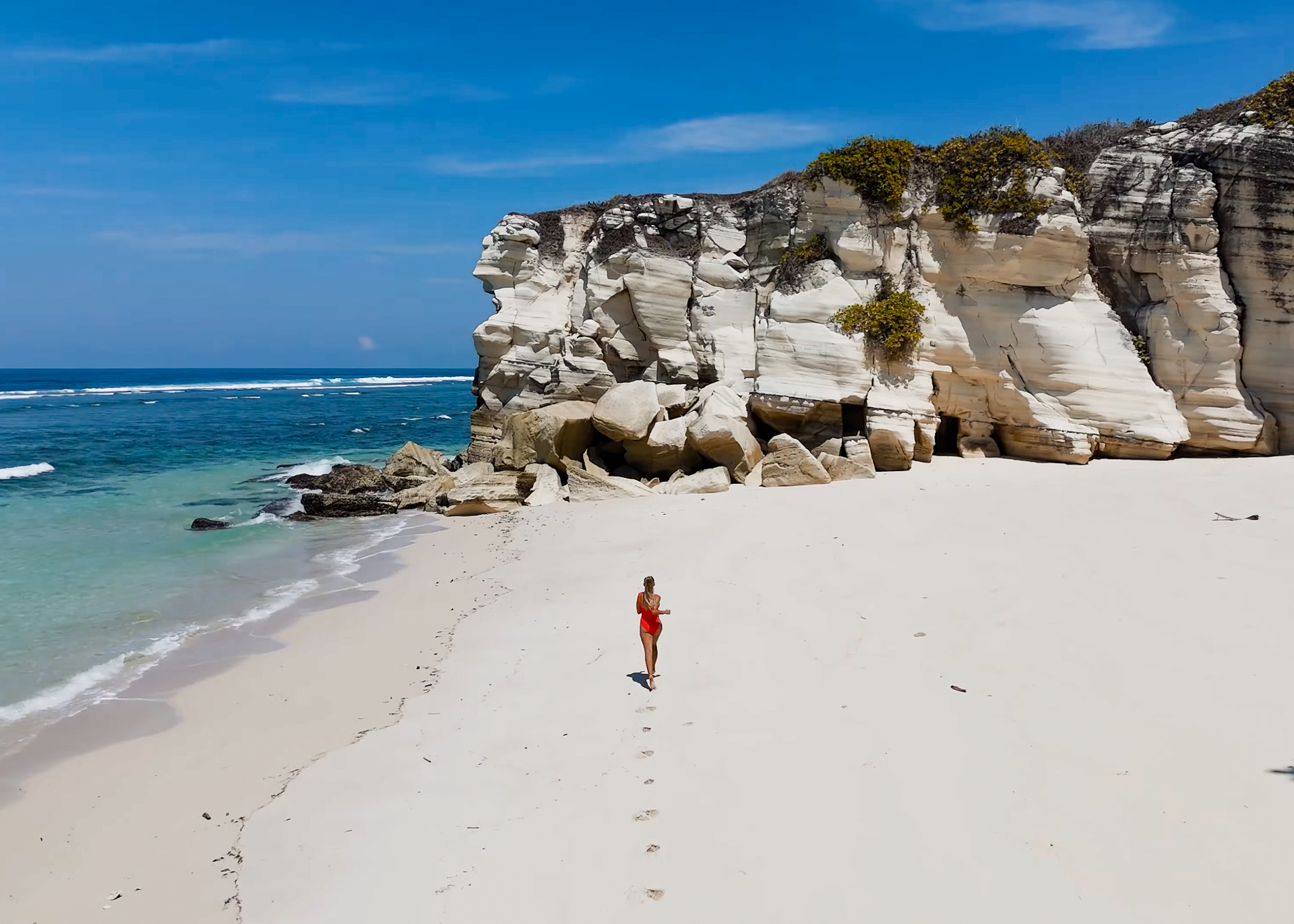
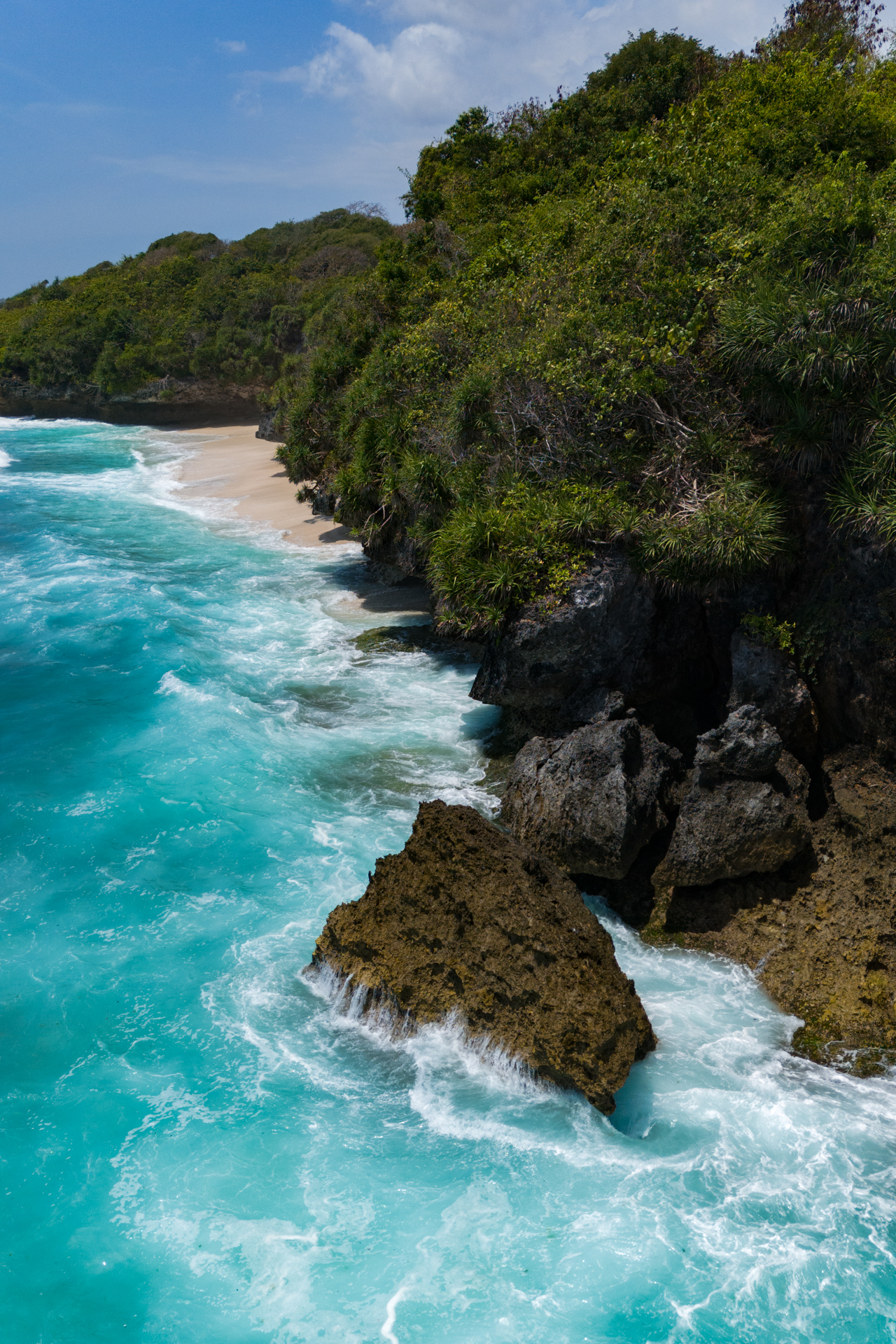
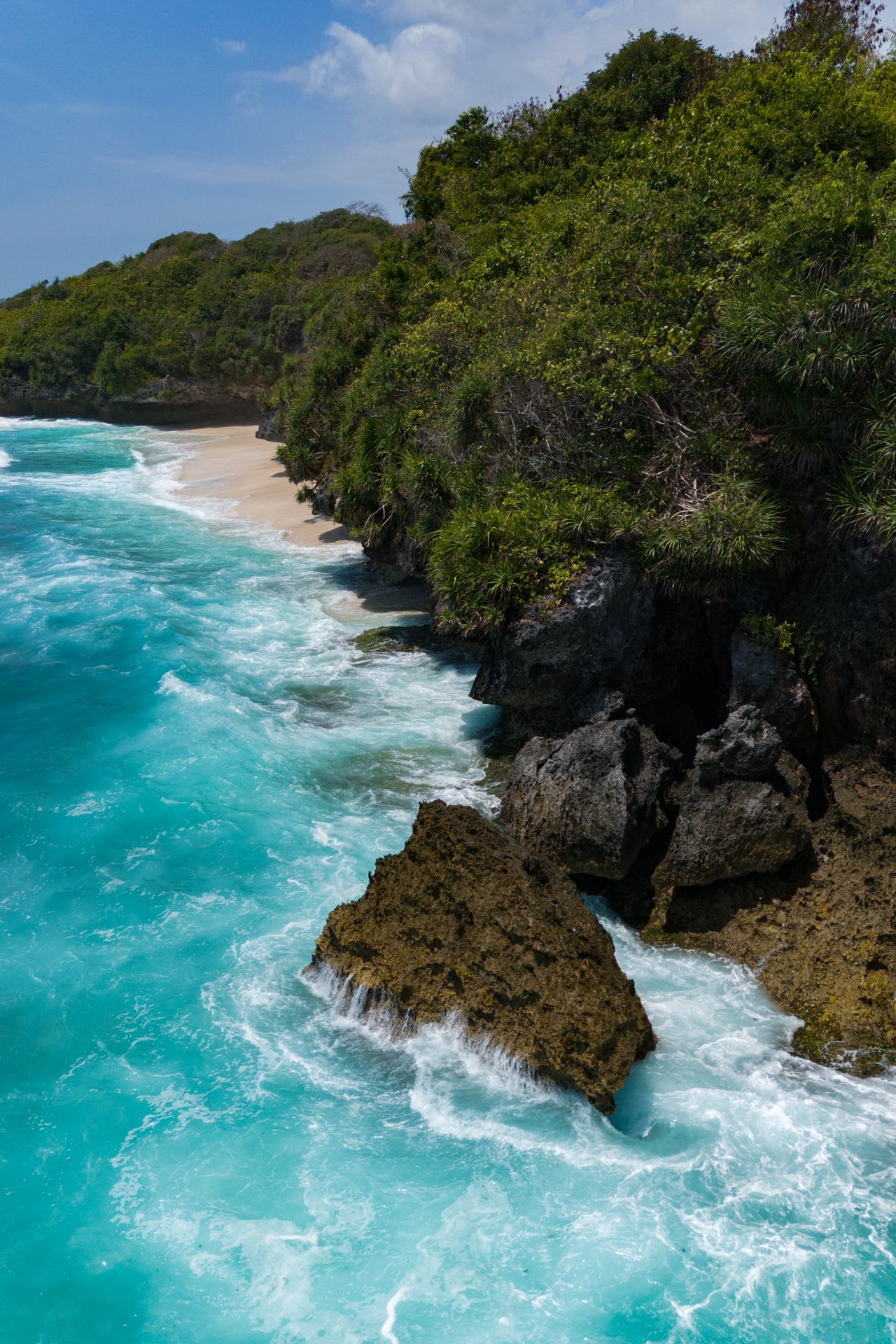
Another stunning West Sumba coastline gem, this beach is a local favorite known for its beautiful rock formations and surrounding cliffs that provide natural shade. You can climb the cliffs for panoramic views of the coastline, and the turquoise waters below are perfect for a refreshing swim after the climb. This is the kind of beach that makes you realize just how much untouched beauty Sumba still has.
8. Mbawana Beach
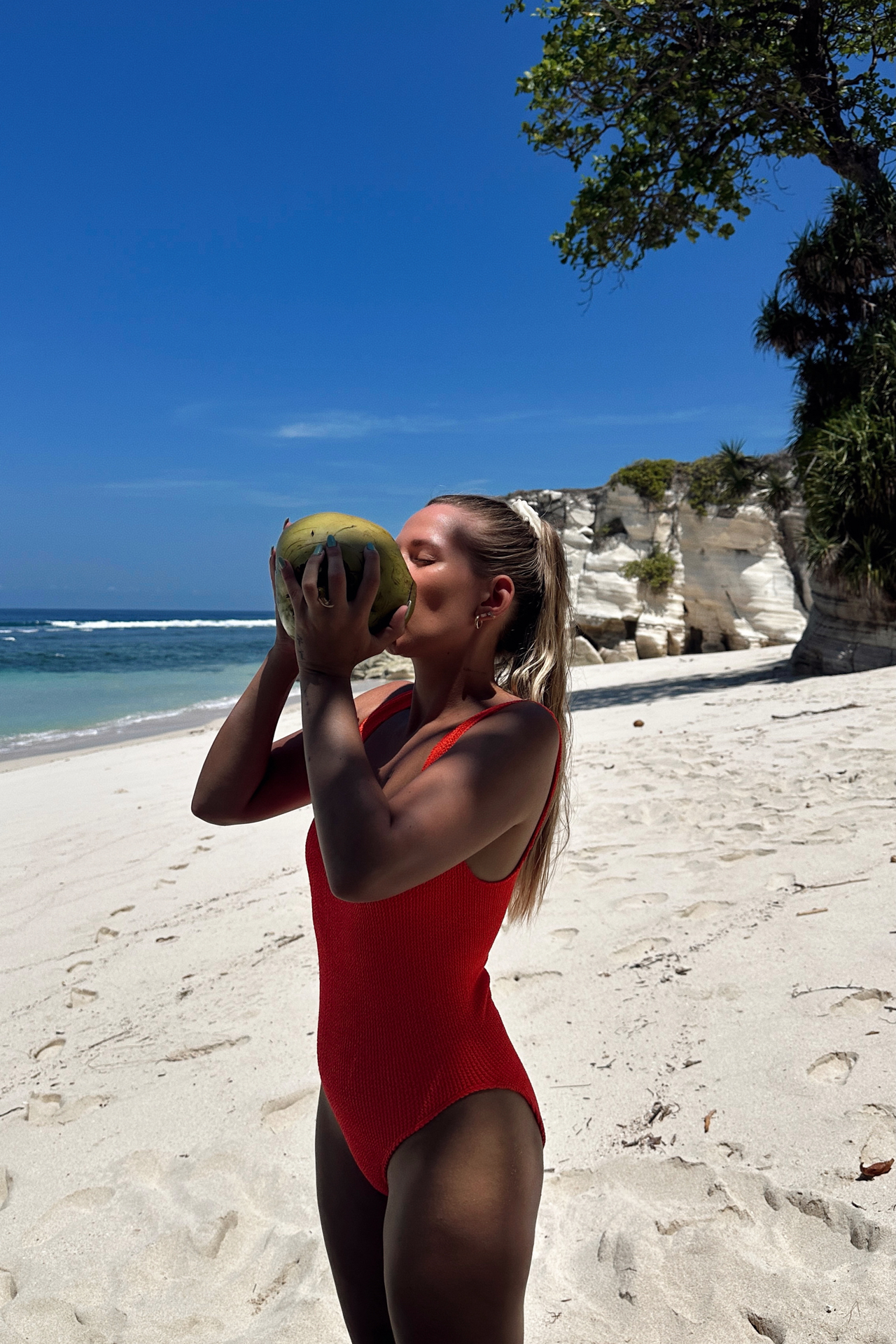
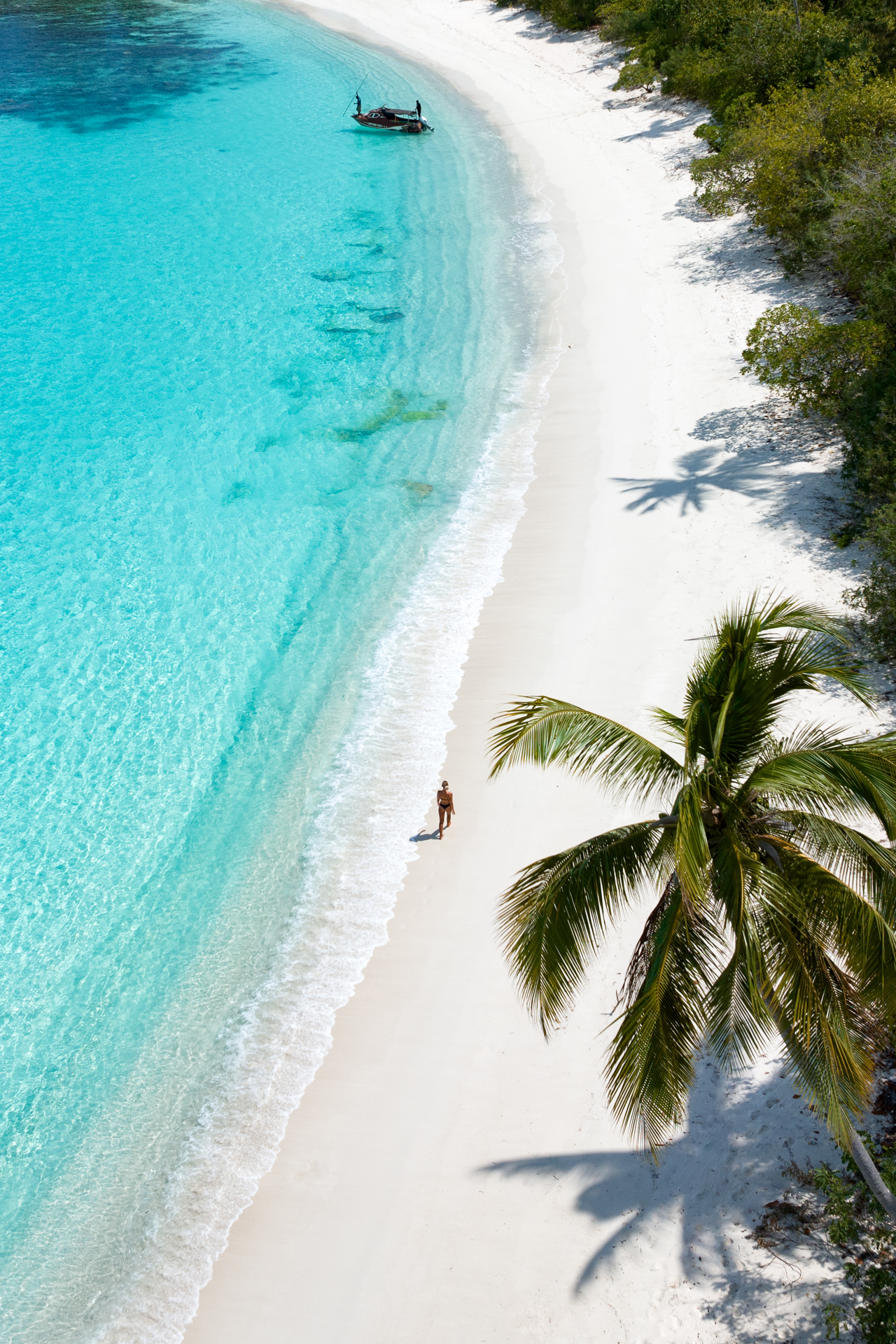
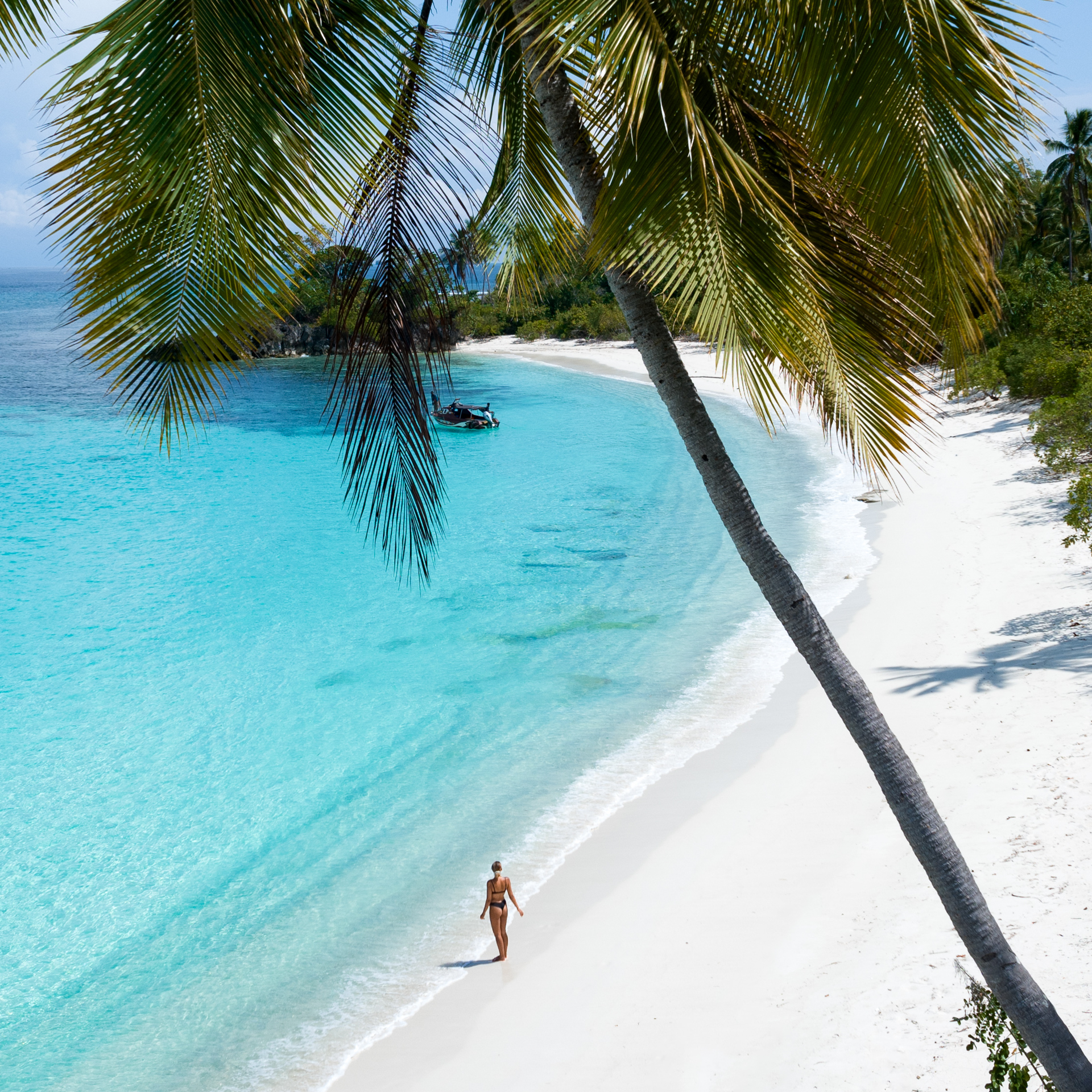
On the southwestern coast, this incredible beach is a wide stretch of white sand framed by dramatic cliffs. The sunsets here over the Indian Ocean are absolutely beautiful.
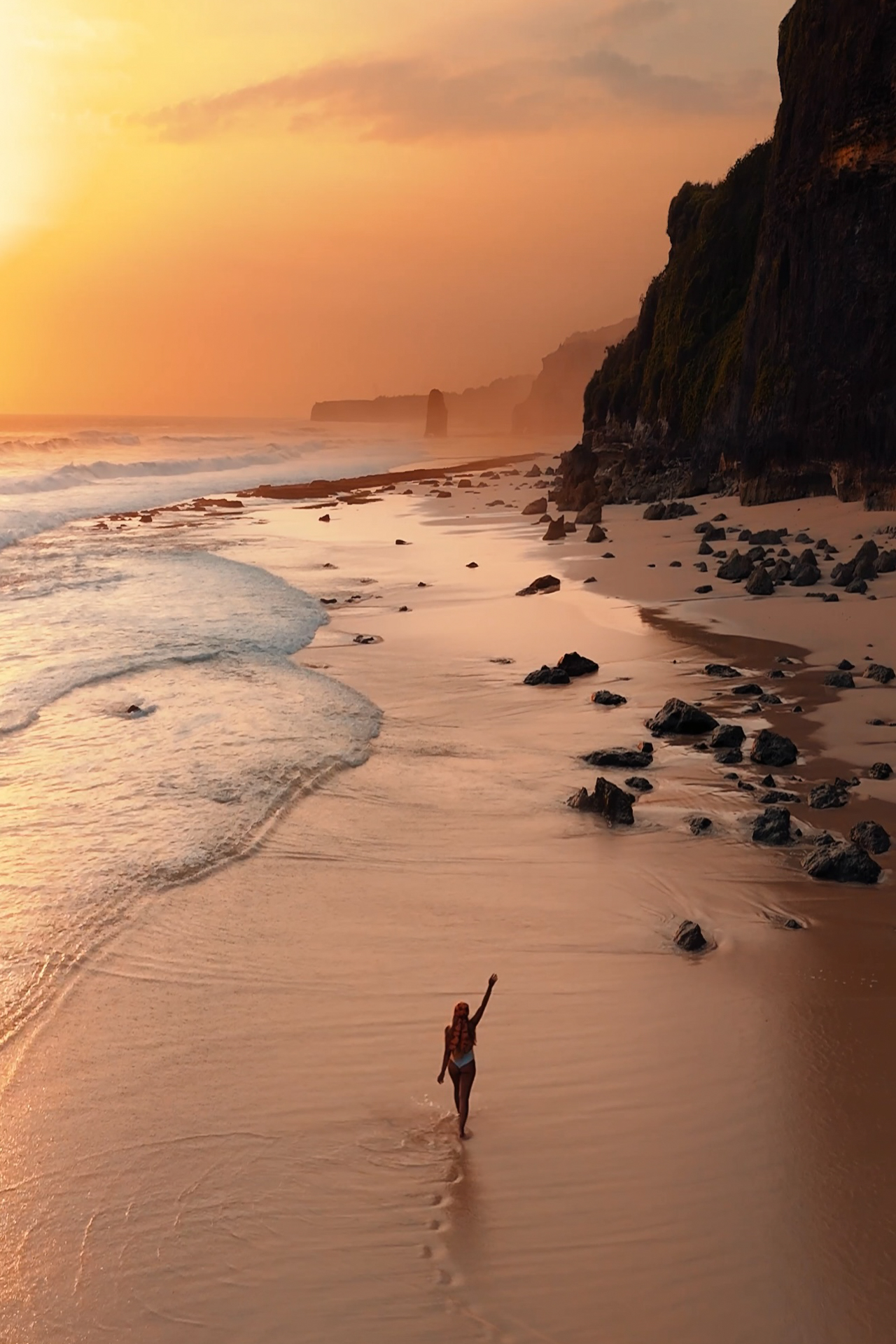
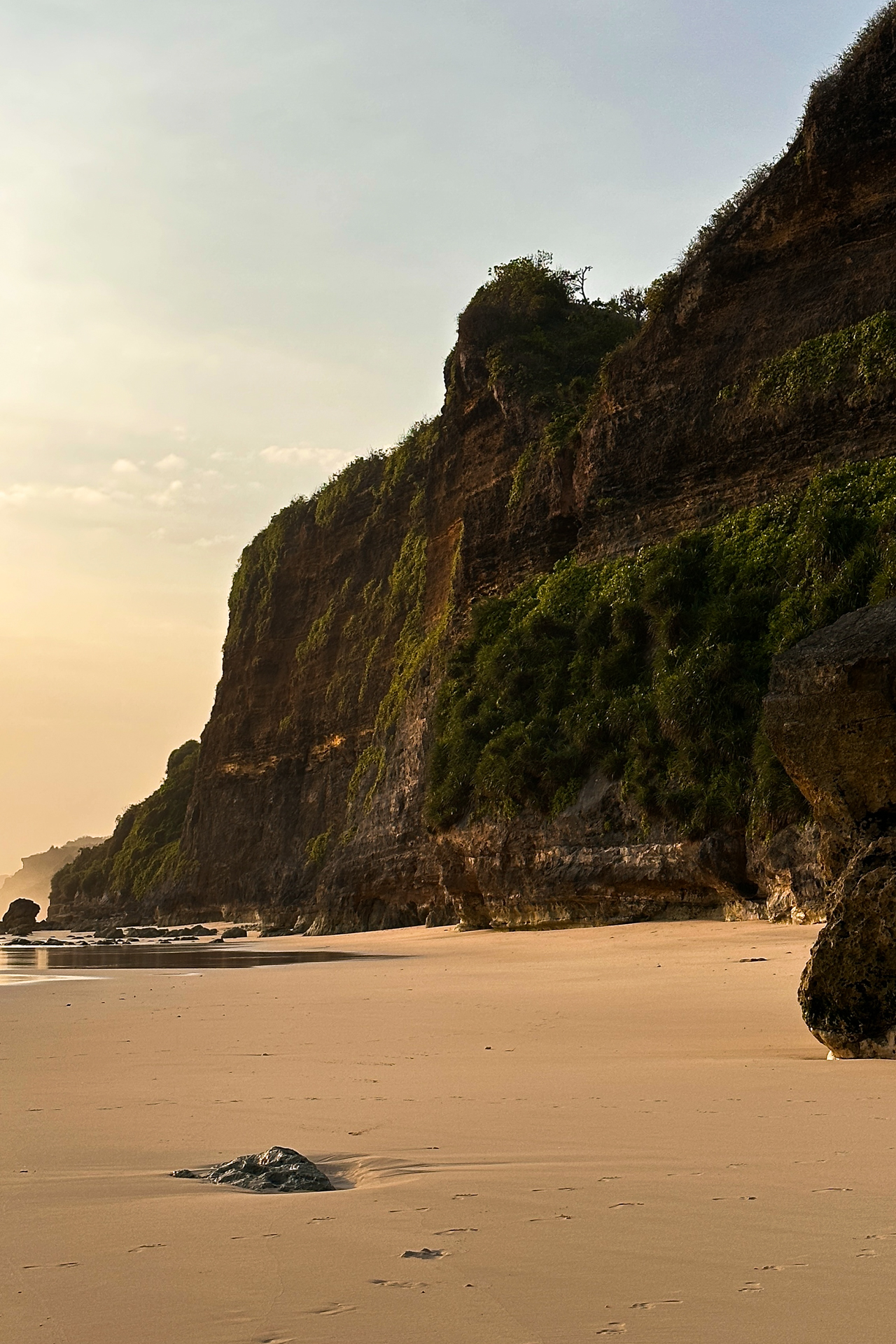
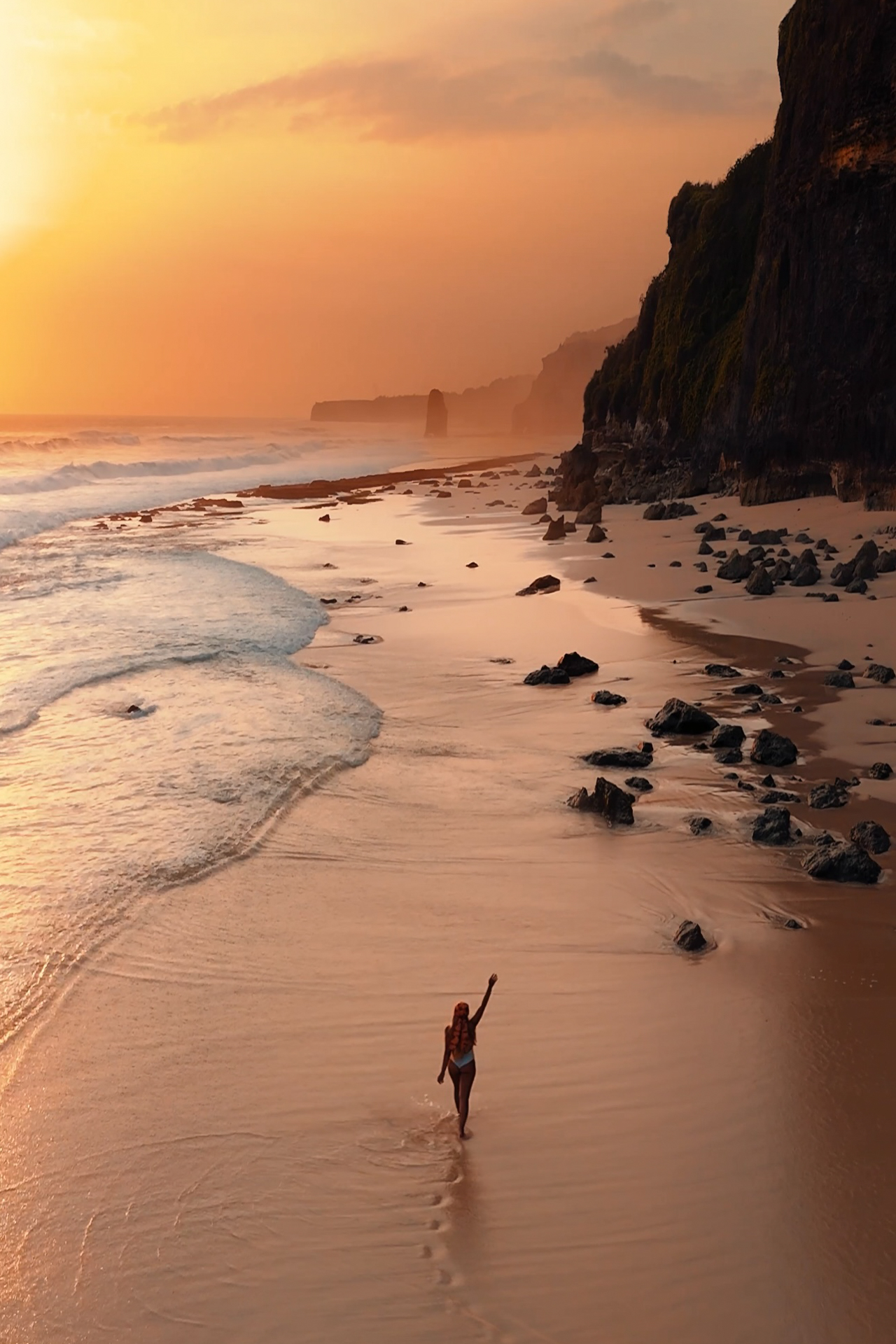
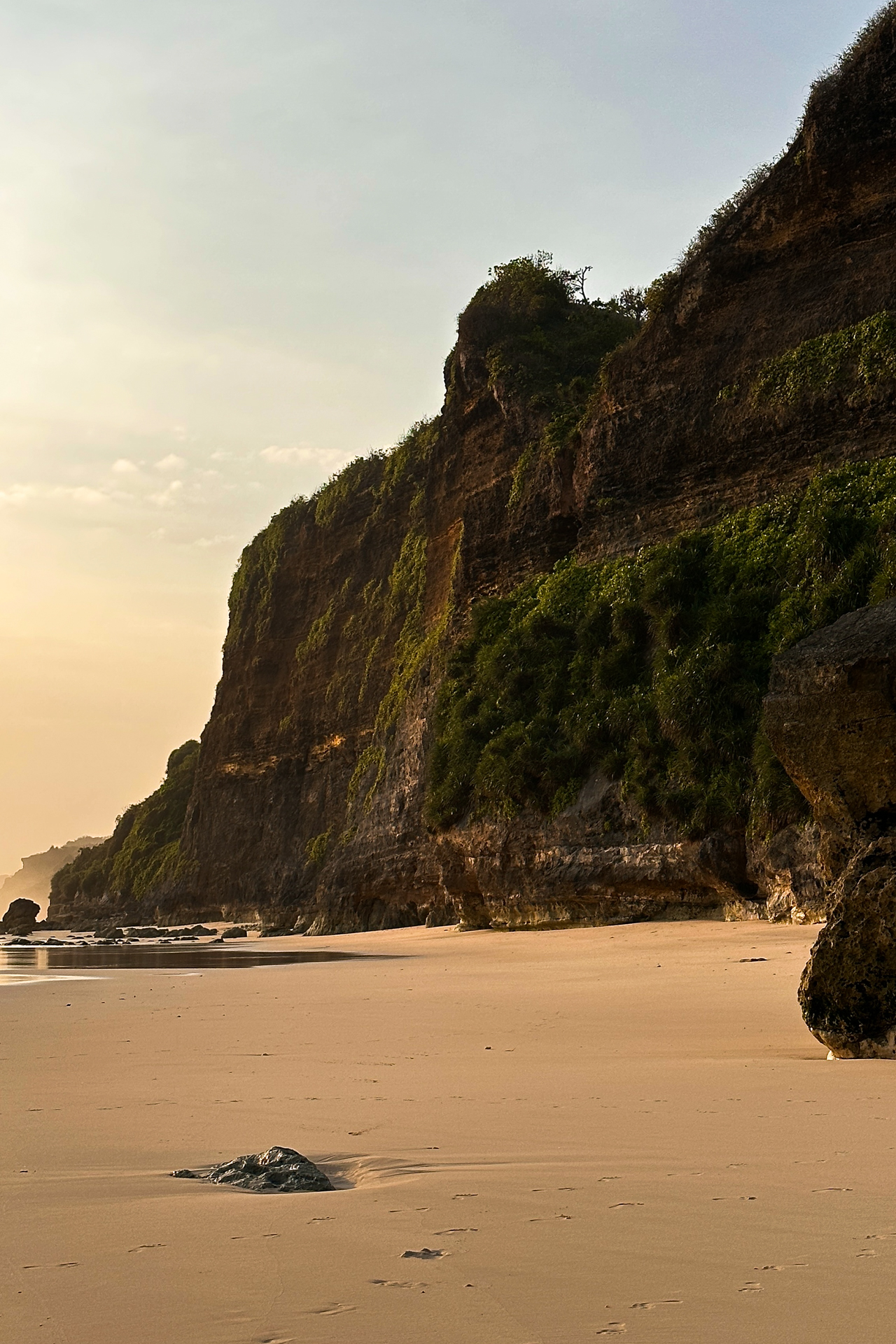
Getting down to the beach isn’t that easy. The path is steep, uneven, and takes some careful navigation, so be cautious, especially if you’re with kids or older people. Local children often offer to guide you through the trail, which can be helpful, but they will ask for money after you make your way back up.
Foreign visitors are required to pay an entrance fee of around 50,000 IDR, and make sure to visit during low tide for the best experience.
9. Watu Malandong Beach
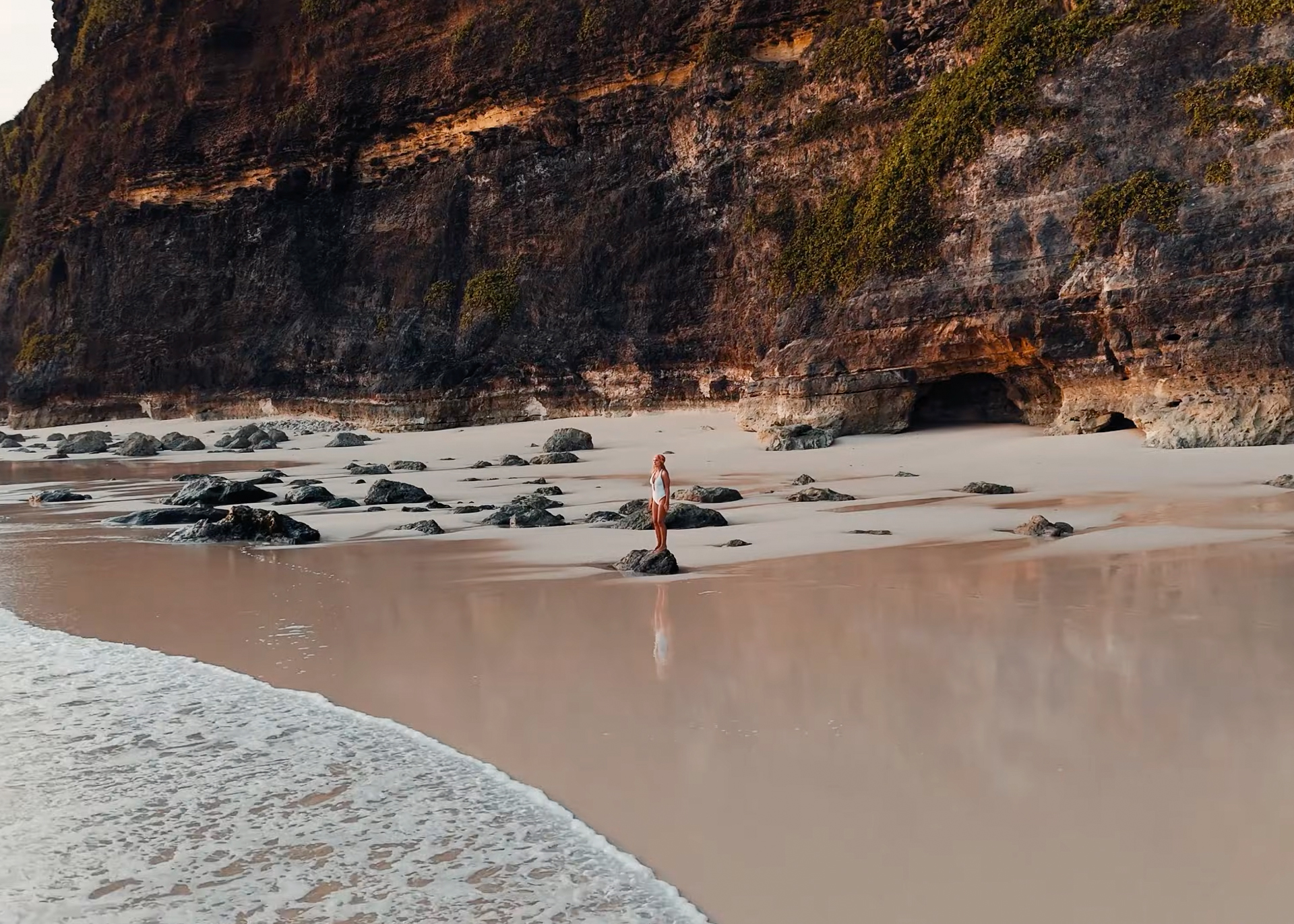
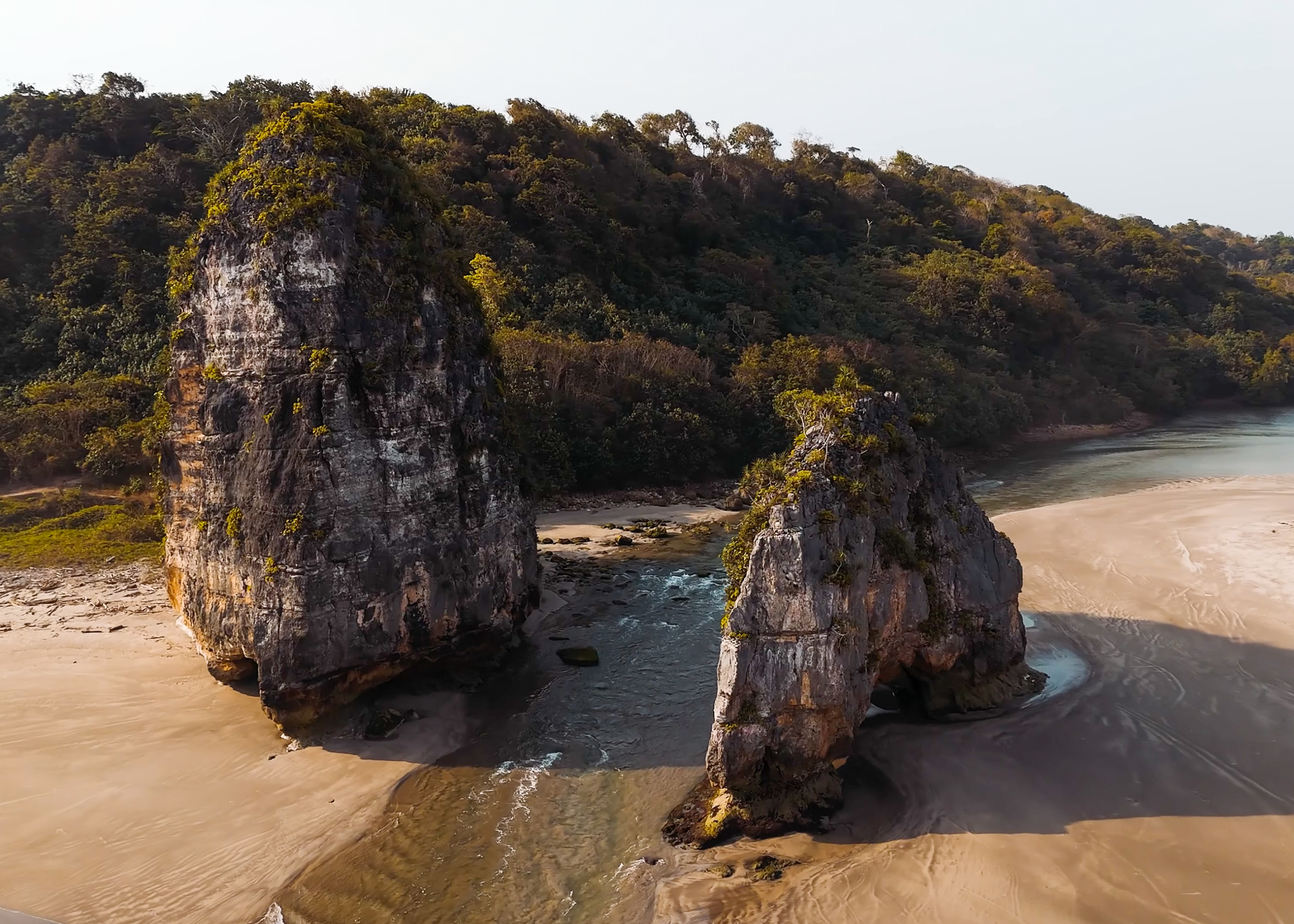
On the western coast of Southwest Sumba, this beach is all about dramatic landscapes. Massive sea stacks and rock formations rise from golden sand, and the rugged coastline feels wild and untamed.
It still remains relatively unexplored, so you might have the entire stretch of sand to yourself. The name “Watu Malandong” carries a local legend that has been passed down through generations in Sumbanese oral tradition.
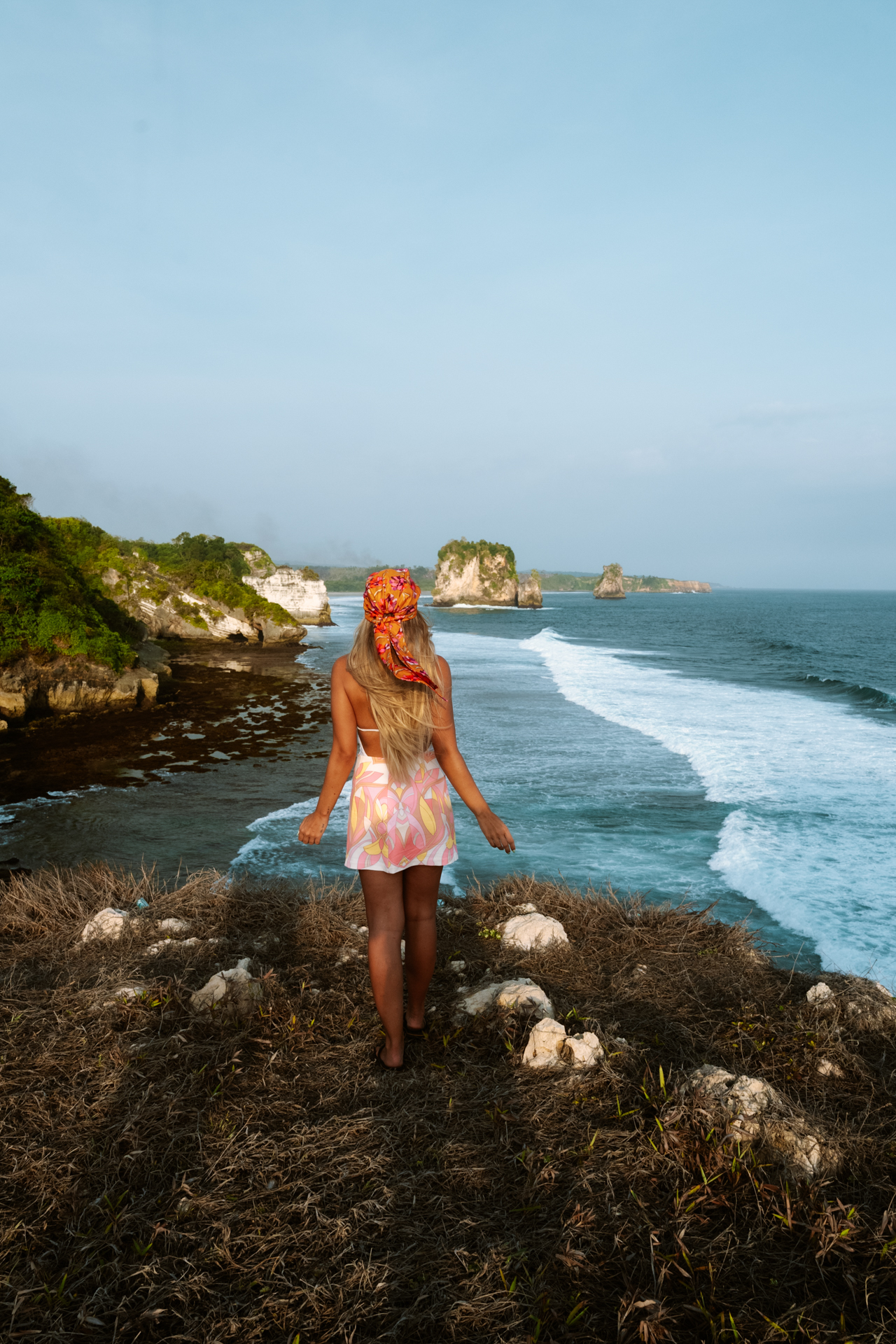
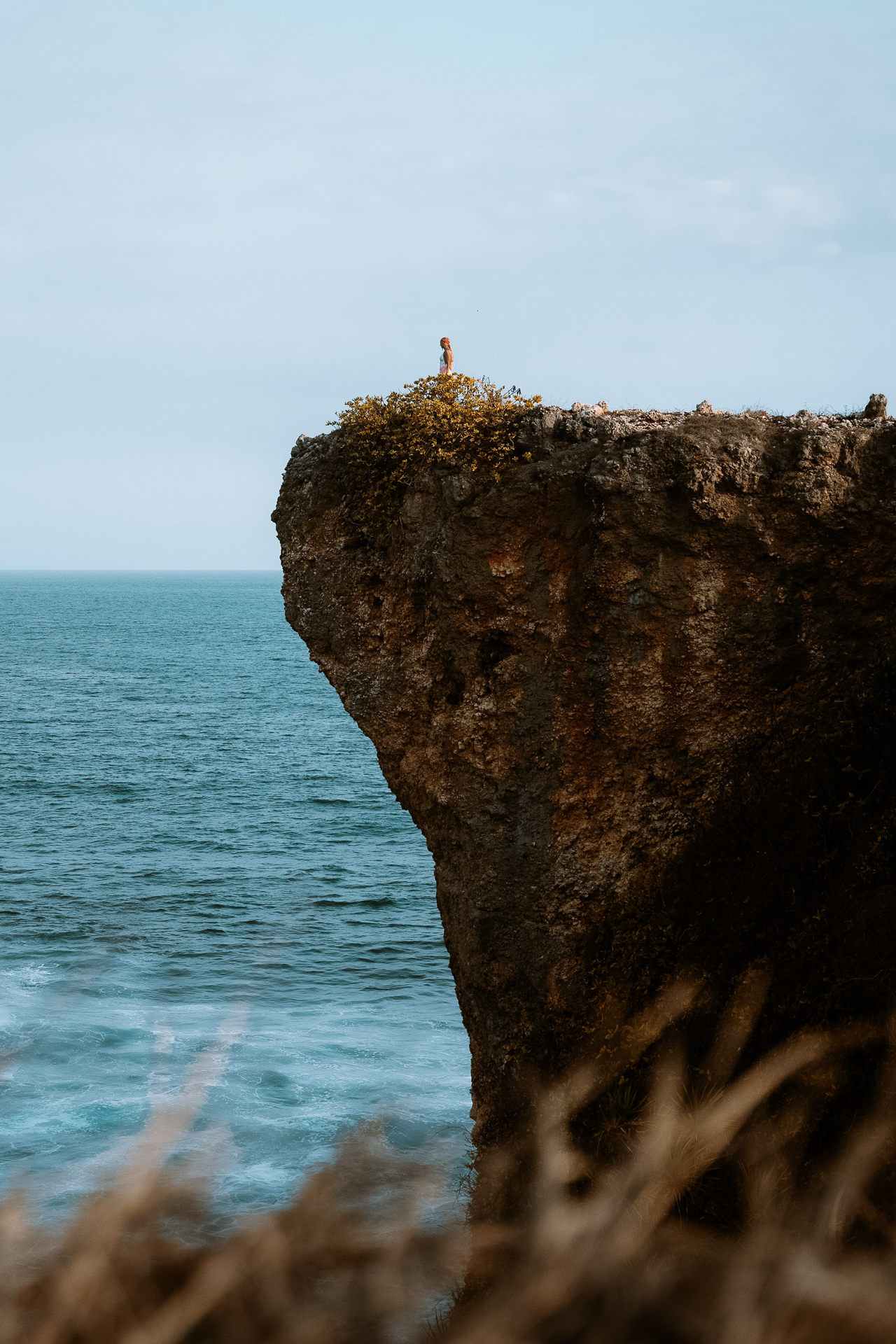
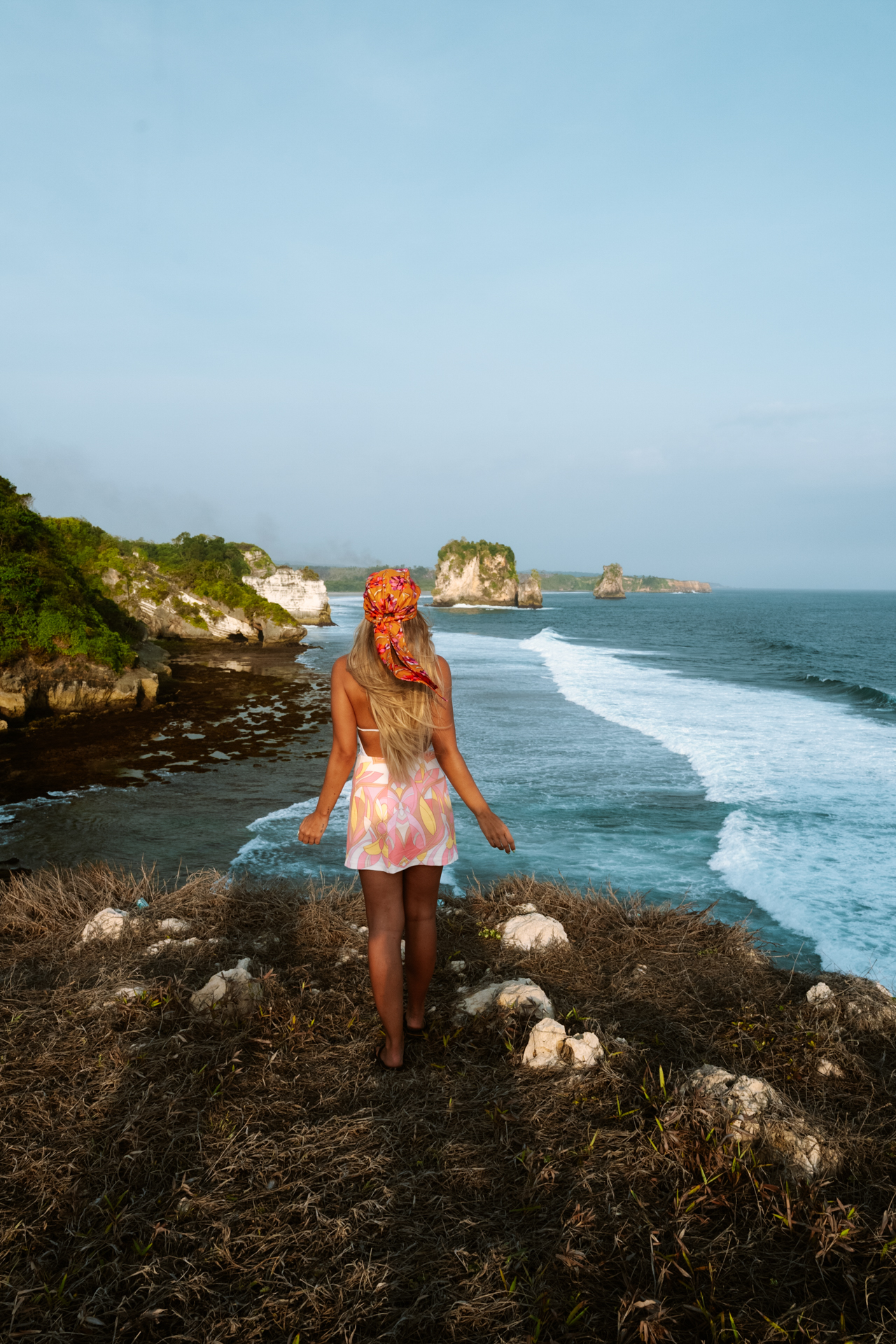
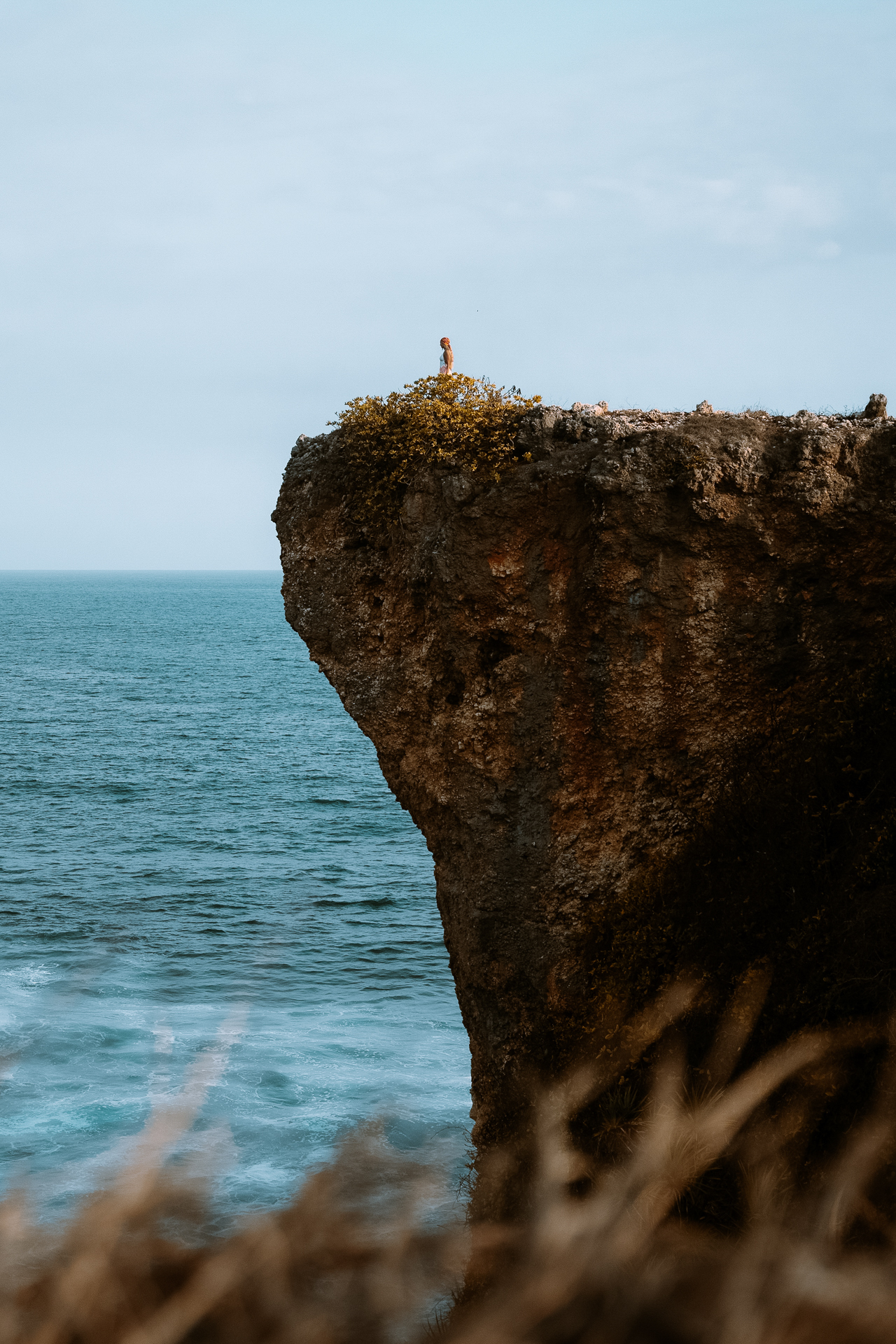
Not far from Watu Malandong Beach, a stunning hill rises above the coastline, revealing beautiful panoramic views you won’t want to miss. From the top, you can admire the dramatic cliffs, the endless ocean, and the untouched landscape that makes this area so special. Here is the exact location.
10. Mandorak Beach
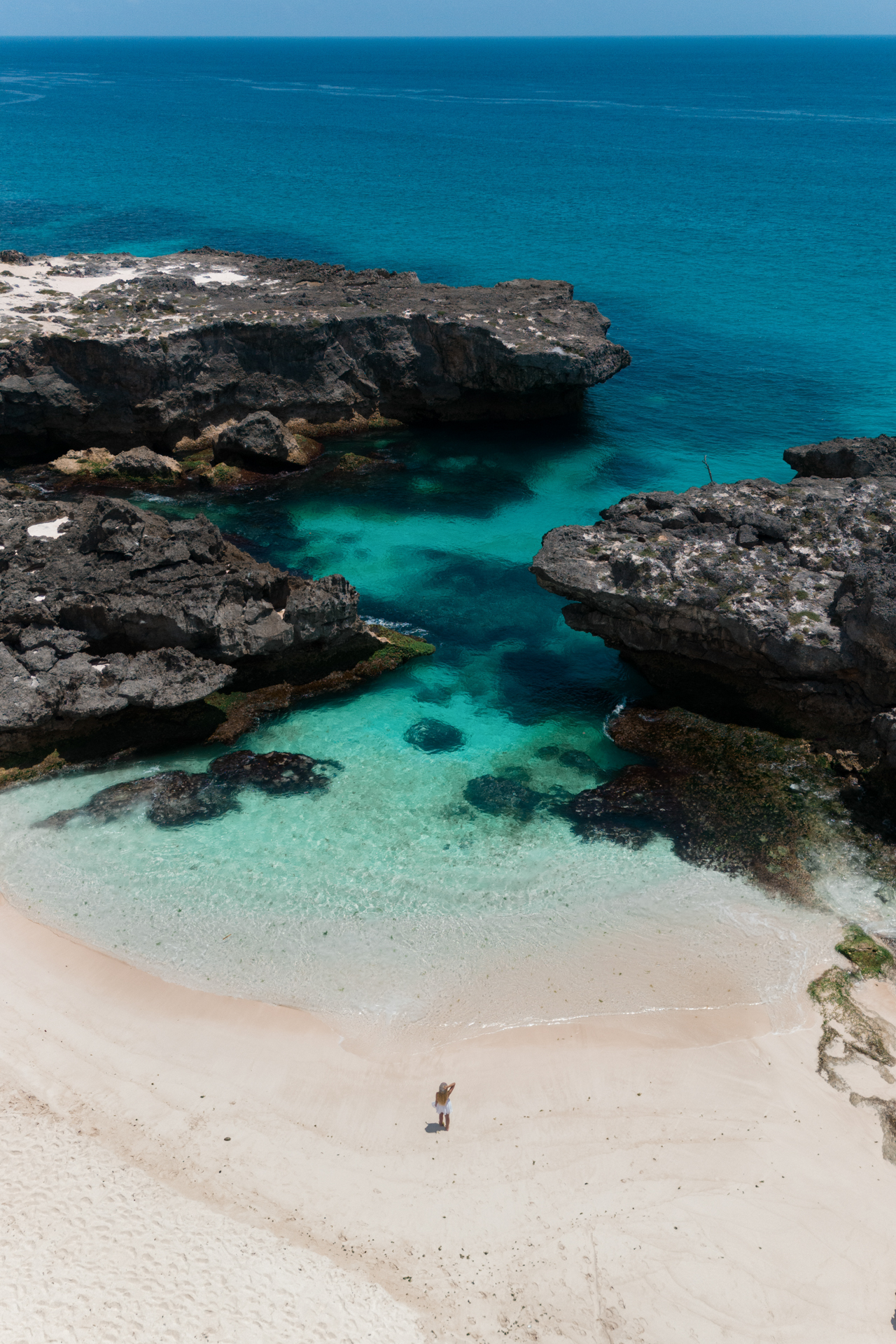
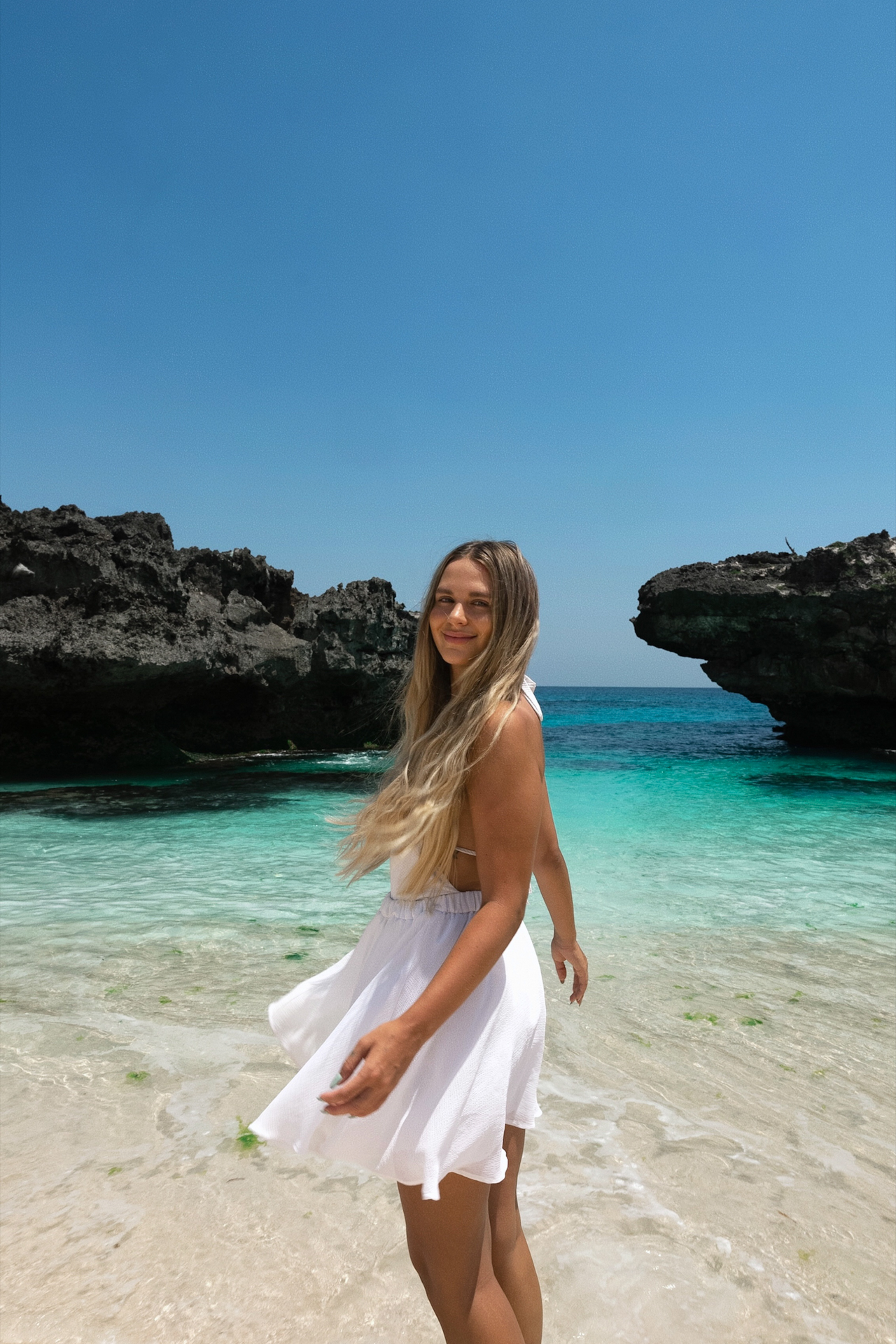
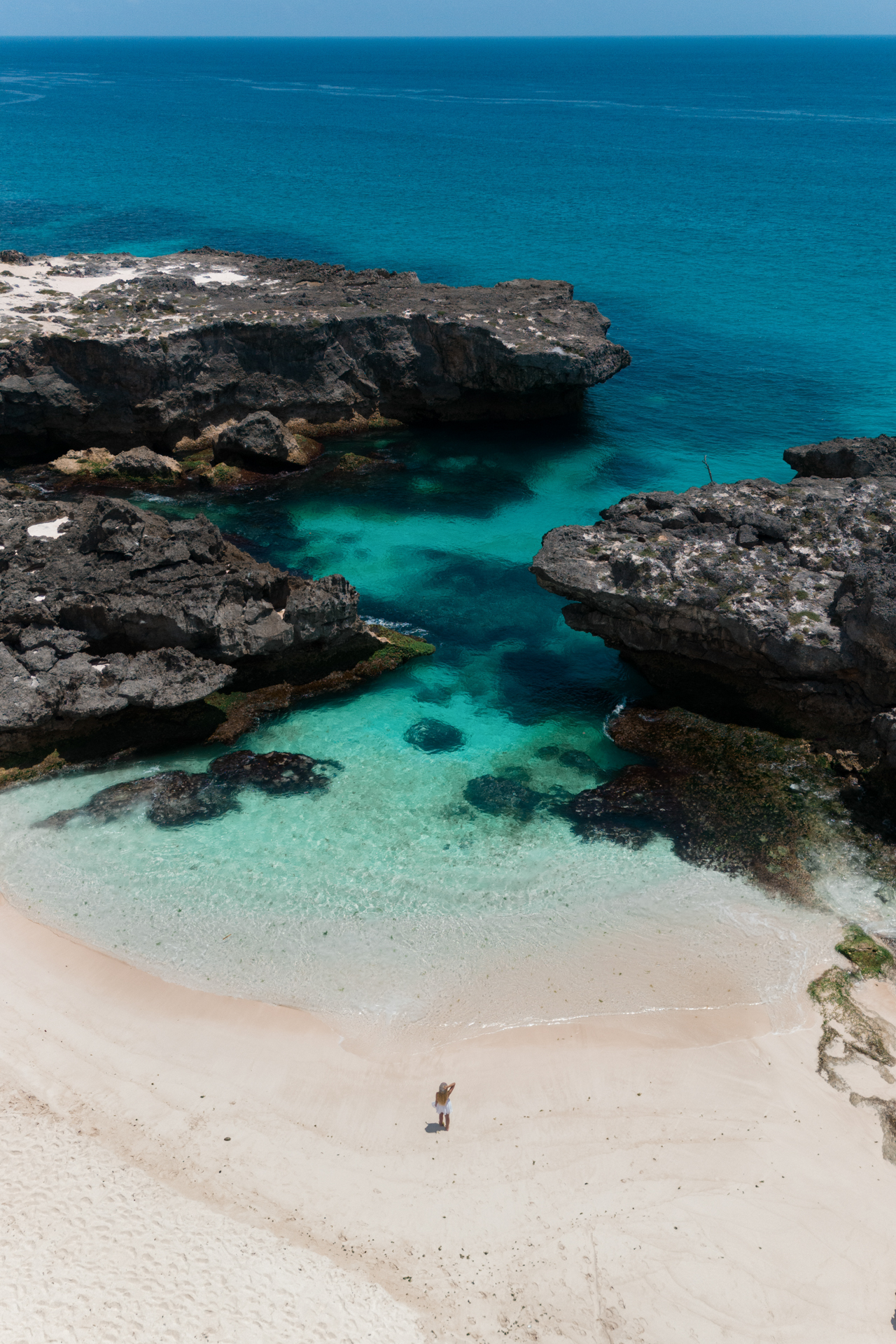
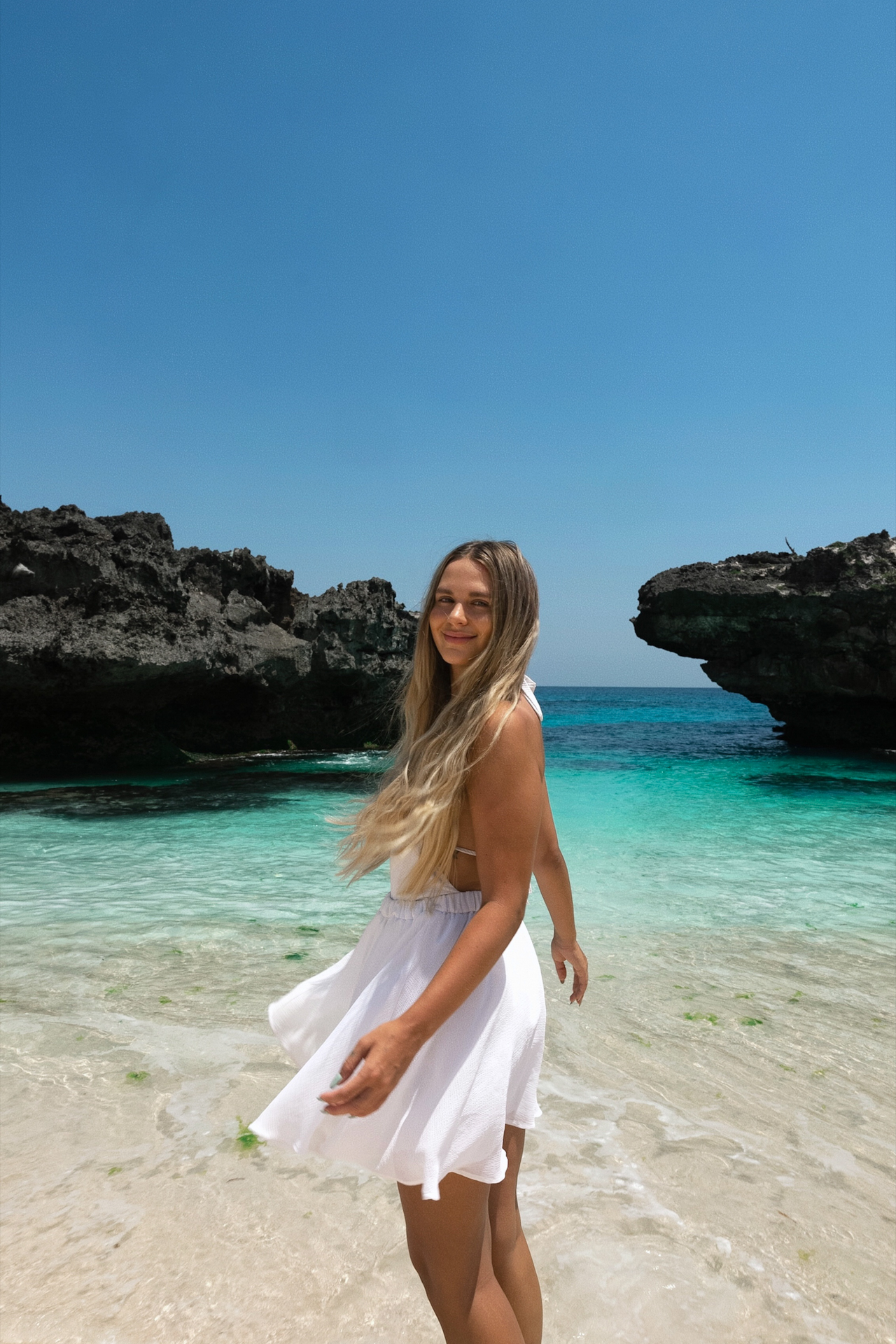
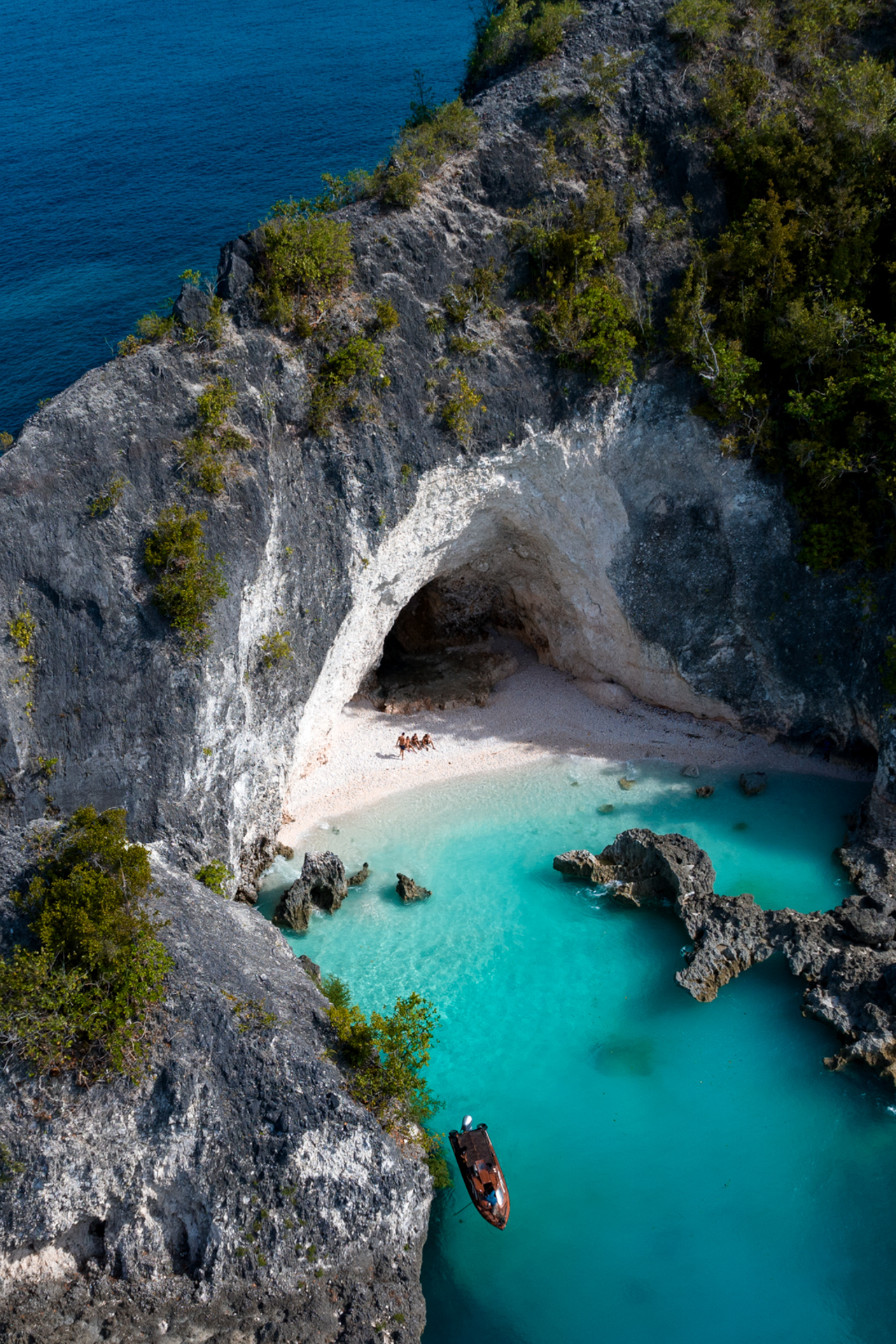
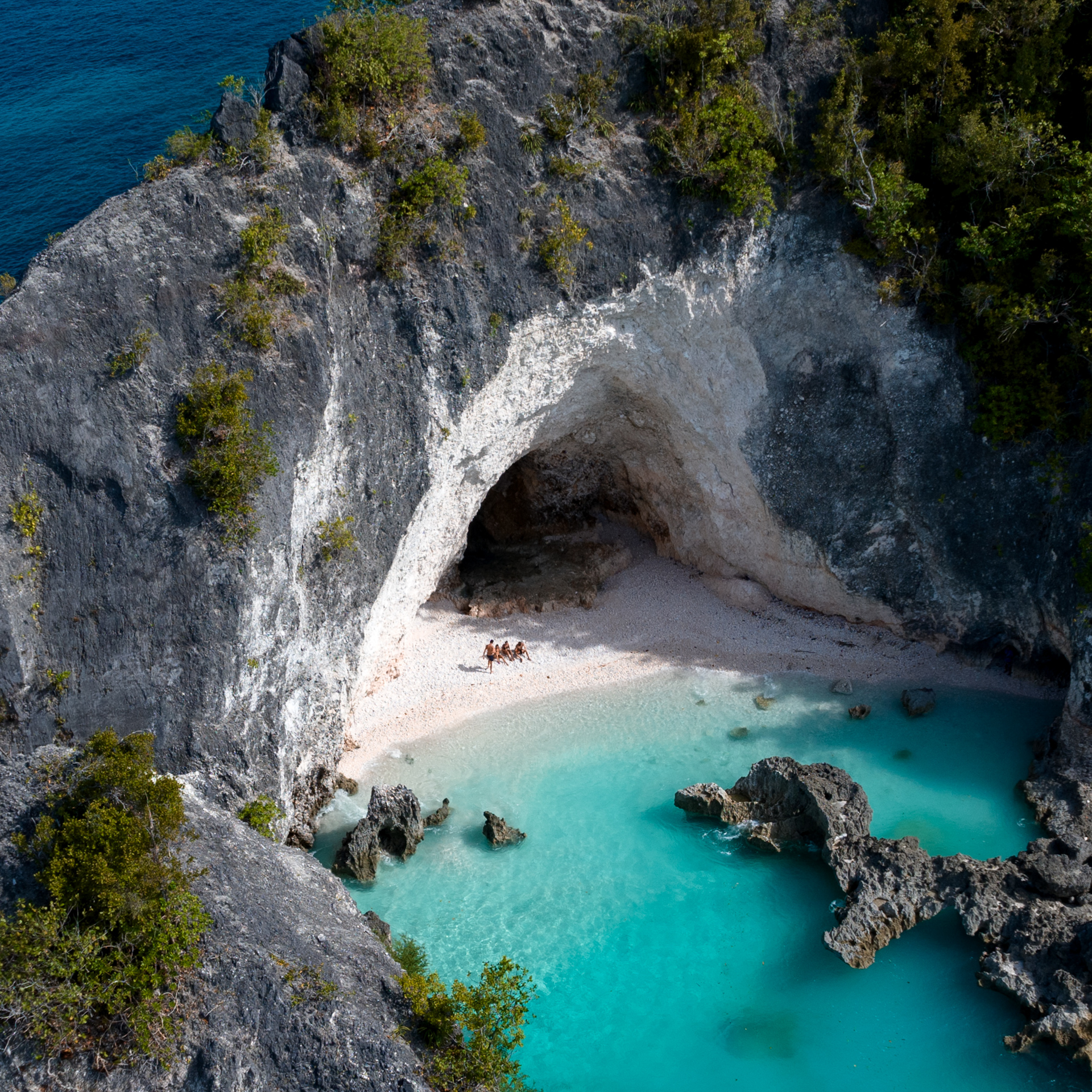
Hidden between rocky limestone cliffs, there is a small, secluded paradise with bright turquoise water and white sand. It feels almost like a private lagoon.
The beach is located near Weekuri Lagoon in Southwest Sumba, so you can easily combine both in one day. Local fishermen with their colorful wooden boats add to the charm of this special spot. Locals manage the area (a small parking fee is charged).
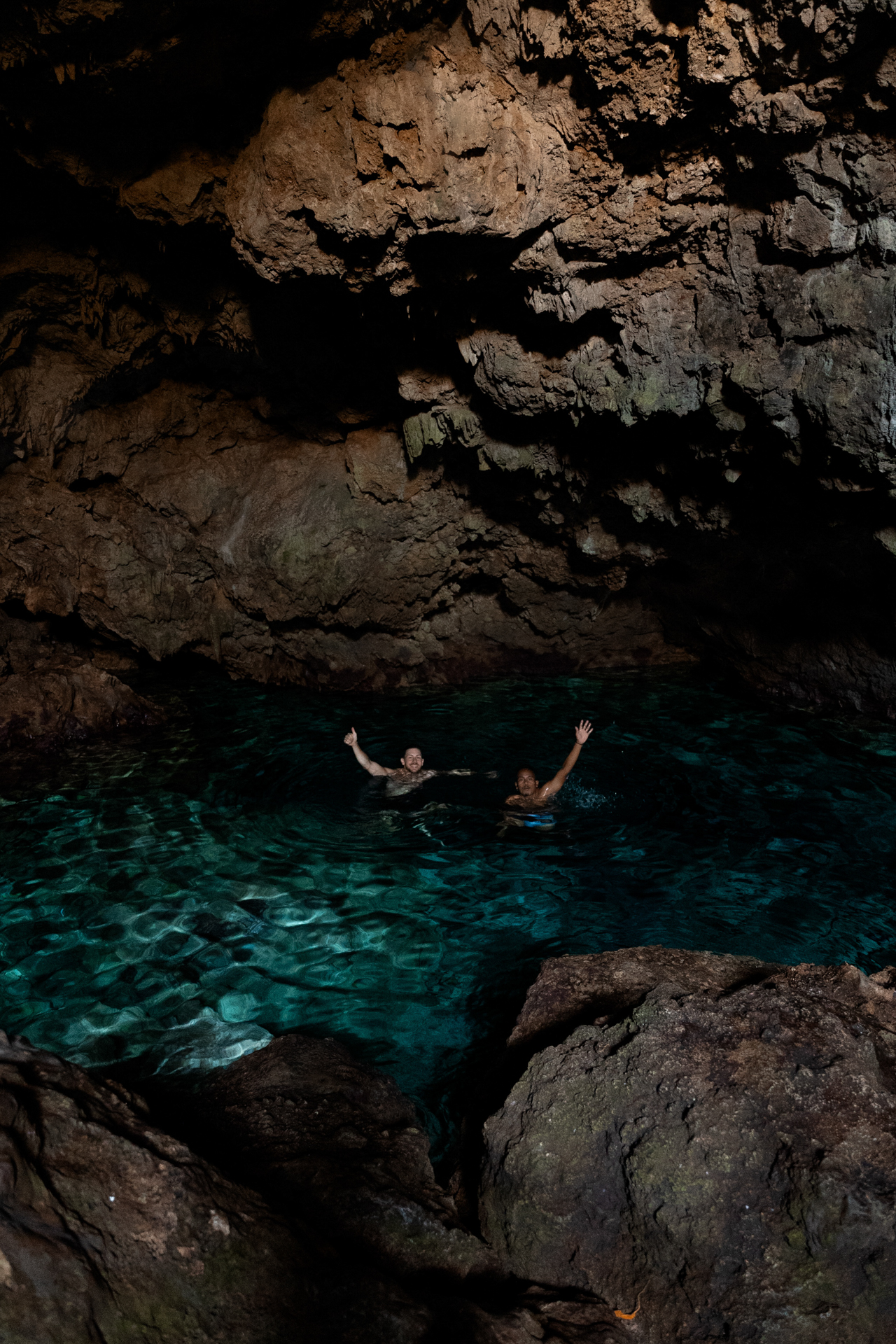
11. Crystal Cave
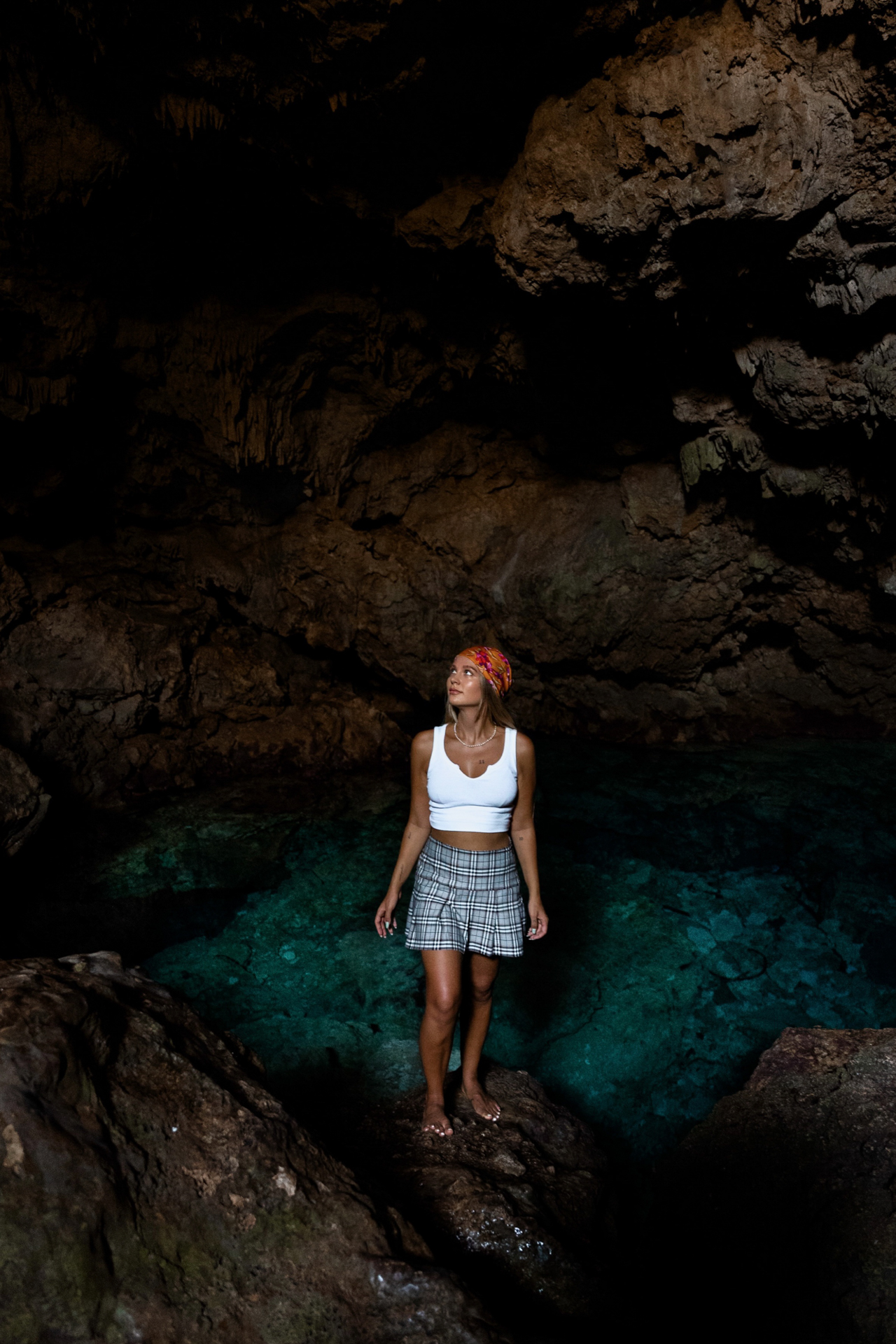
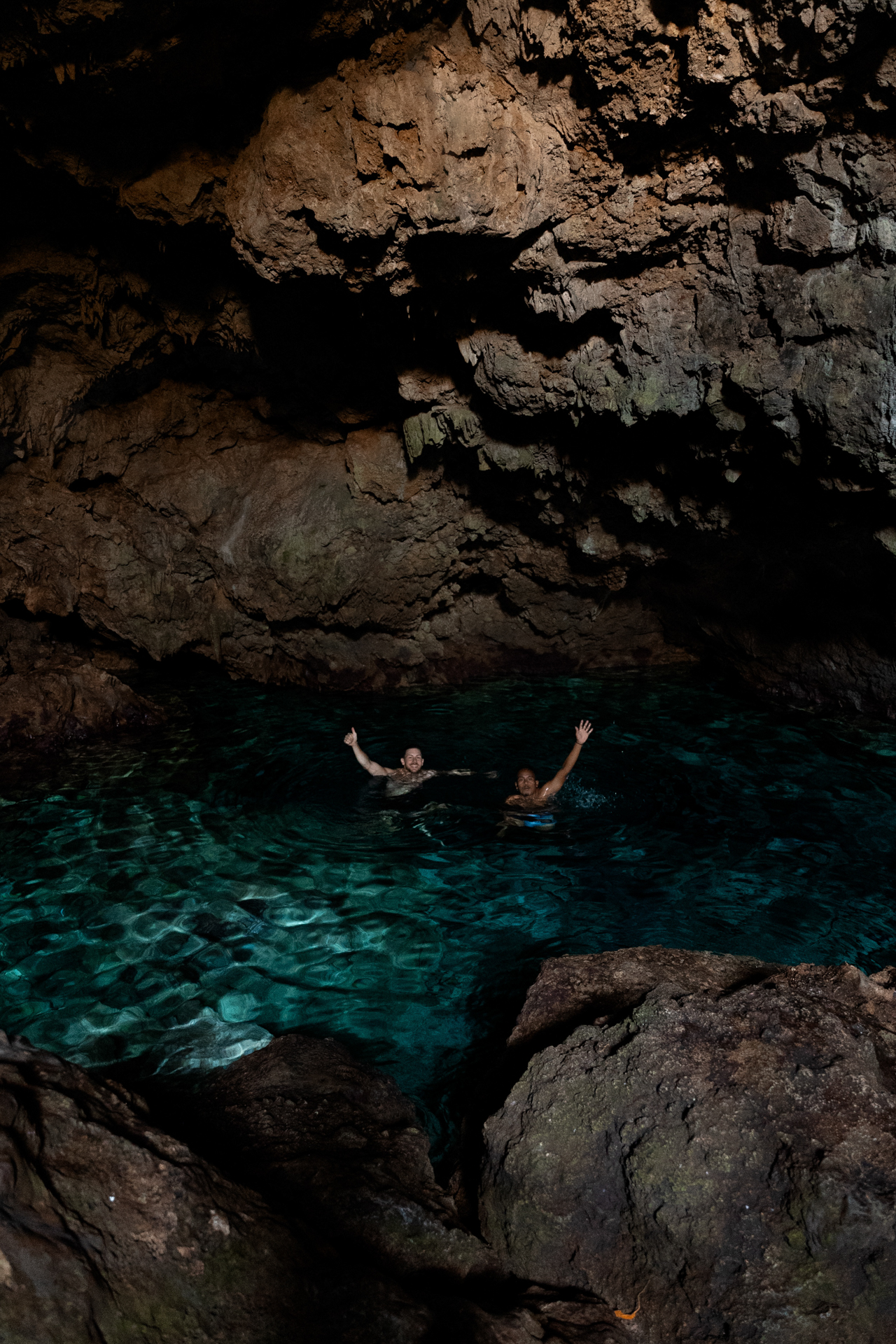
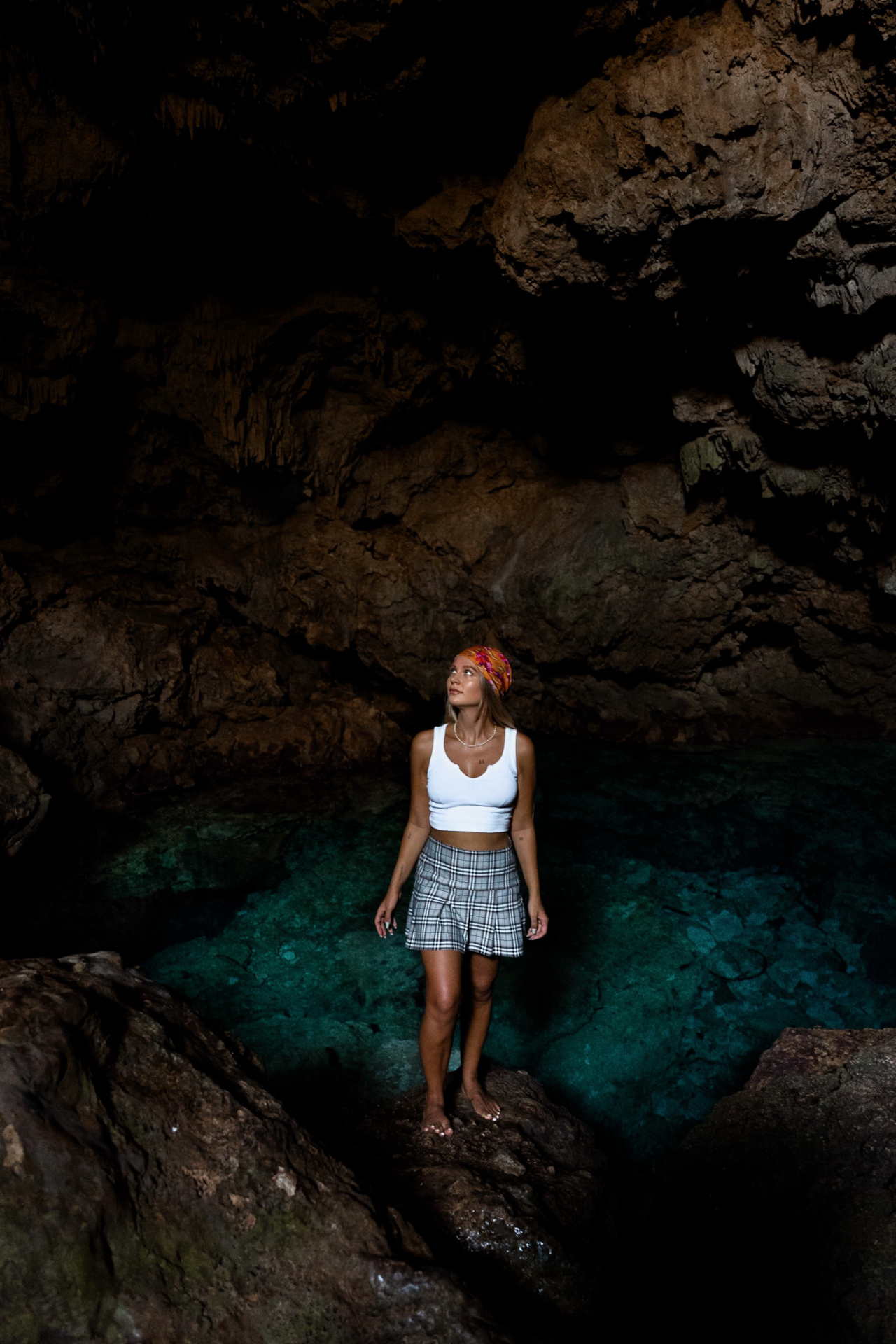
A hidden natural wonder in West Sumba, this limestone cave features stunning stalactite formations and a cathedral-like interior. Nestled in a lush hillside, reaching it requires a short, scenic walk through tropical vegetation.
Inside, the cool air and echoing silence create an almost spiritual atmosphere. Access is a bit challenging, involving a descent over steep, slippery rocks, but it rewards you with a unique, non-touristy adventure.
Aim for midday (12:00–2:00 PM), when sunlight streams in and lights up the water.
12. Tanggedu Waterfall
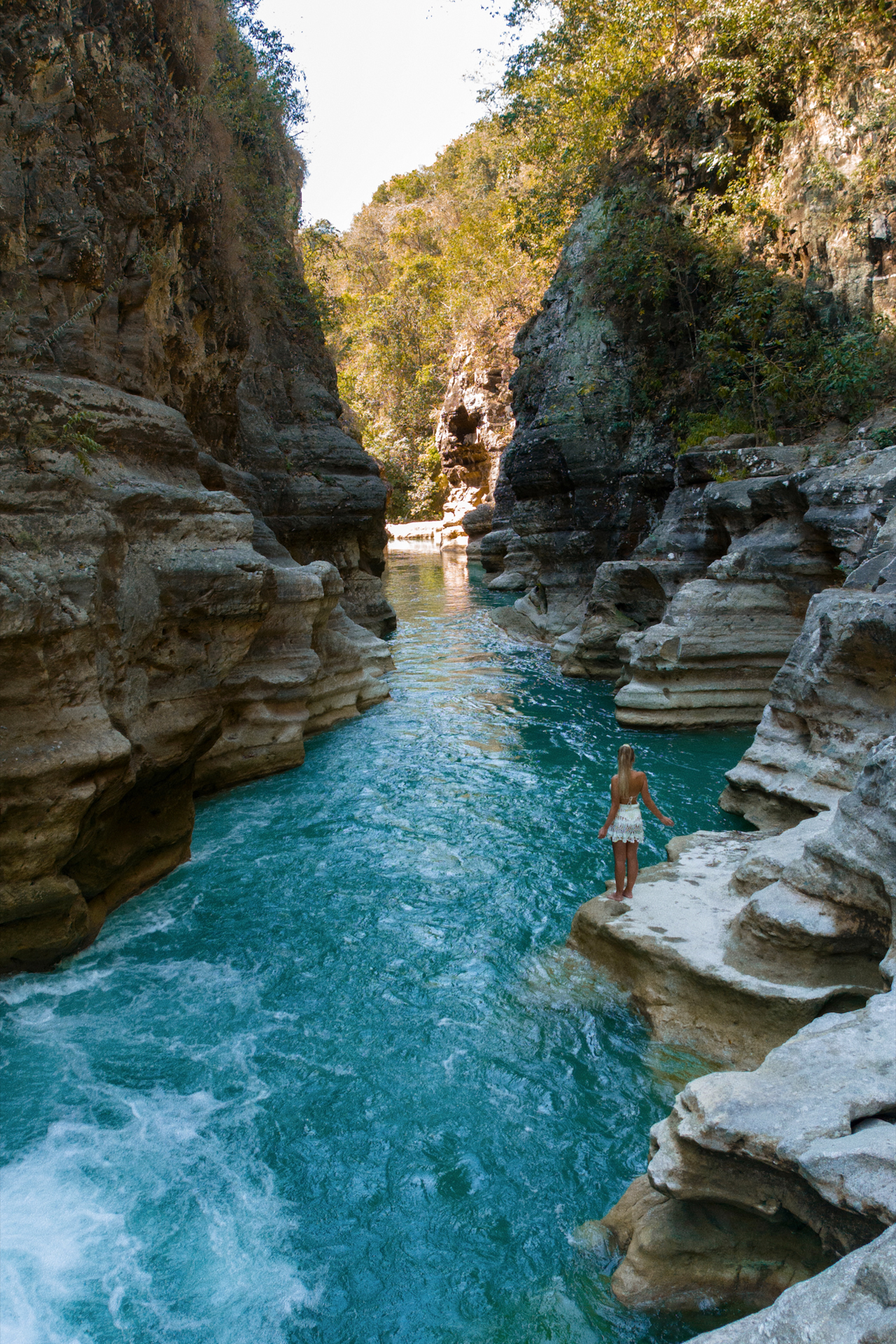
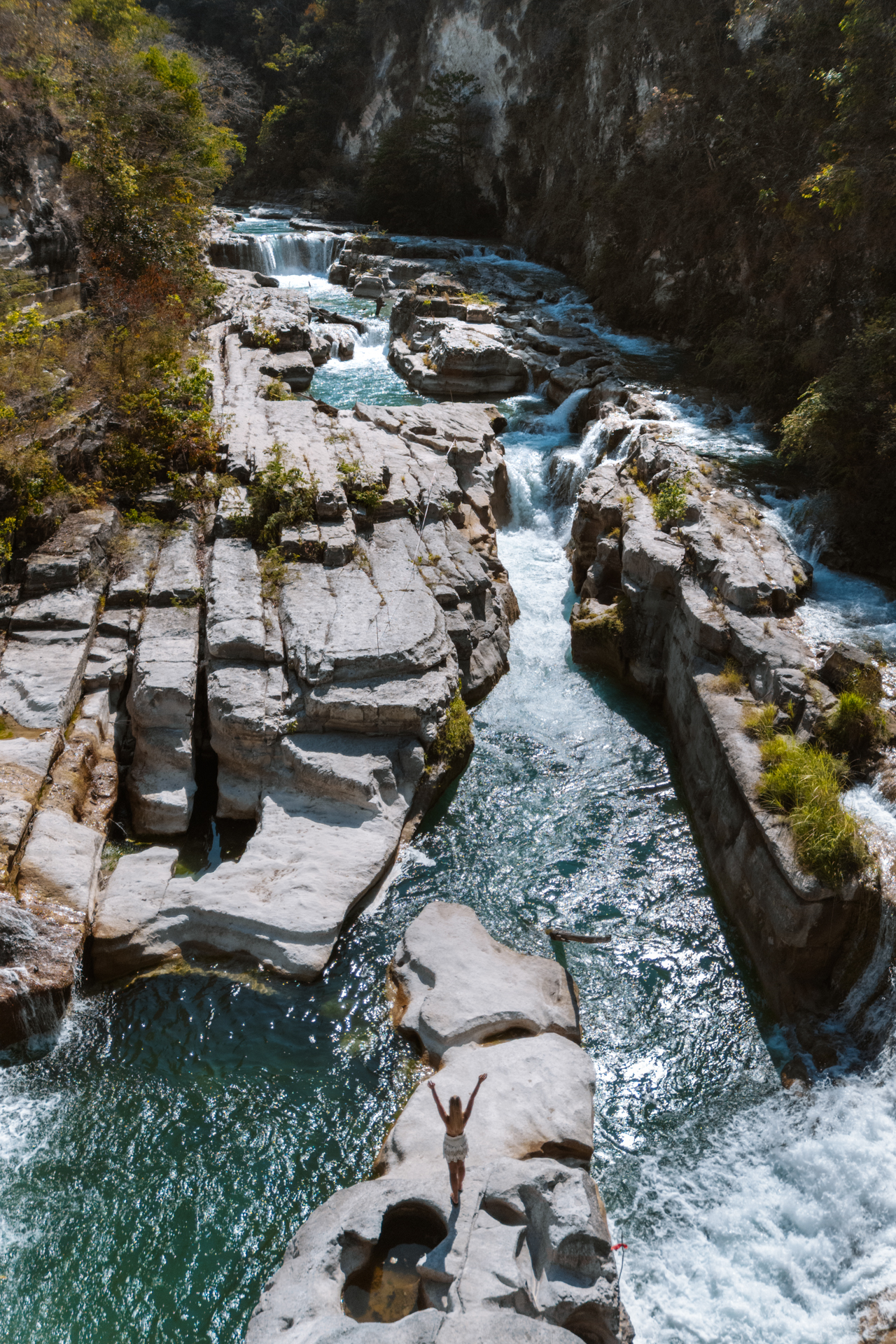
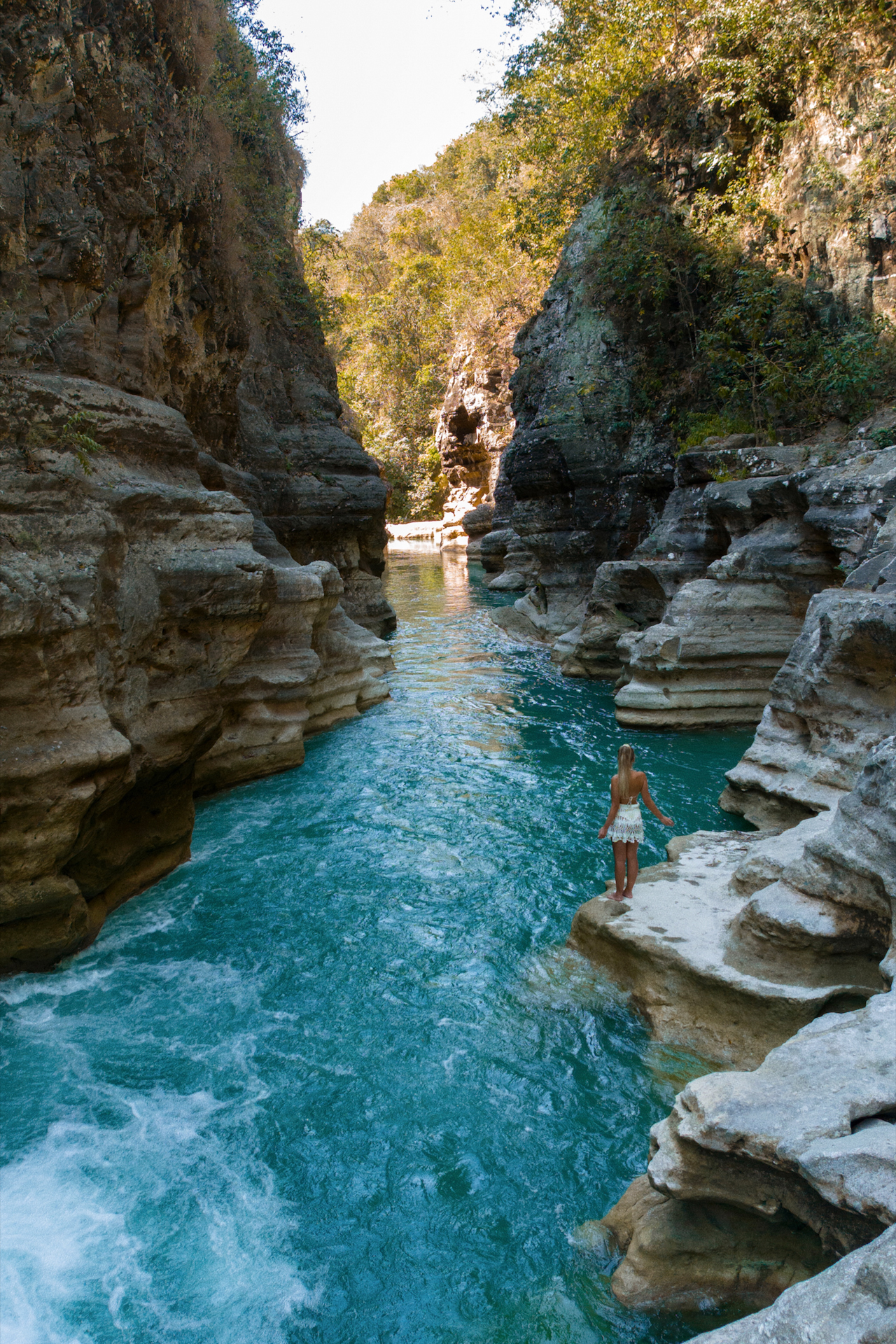
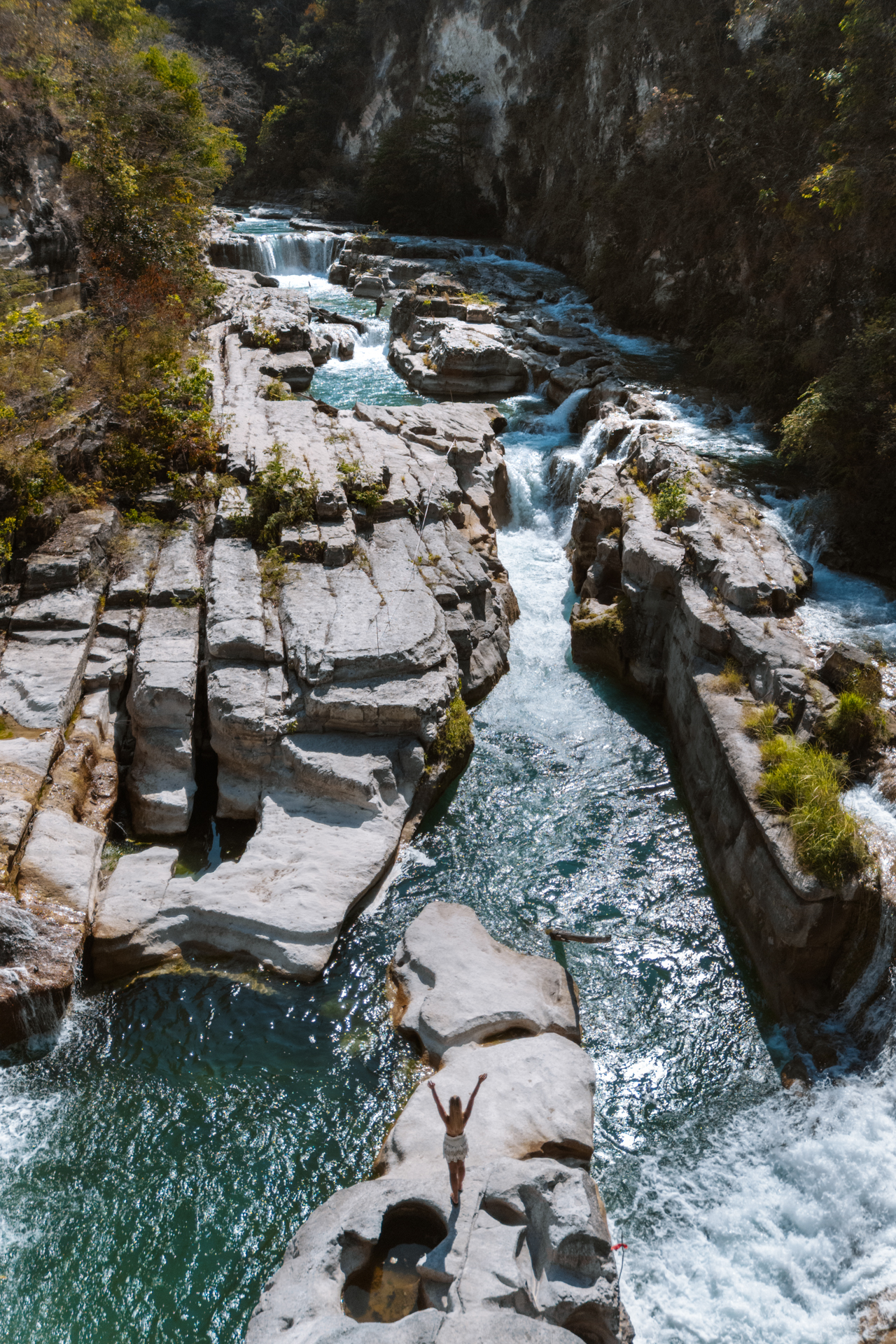
Often called the Grand Canyon of East Sumba, it’s a hidden waterfall tucked inside a dramatic canyon surrounded by towering rock walls and tropical greenery.
The hike down takes about 20 minutes and involves around 210 rocky steps. The reward is a stunning natural pool where you can swim in complete solitude. The scale of the canyon around you is breathtaking.
13. Wairinding Hill + Bukit Tanau
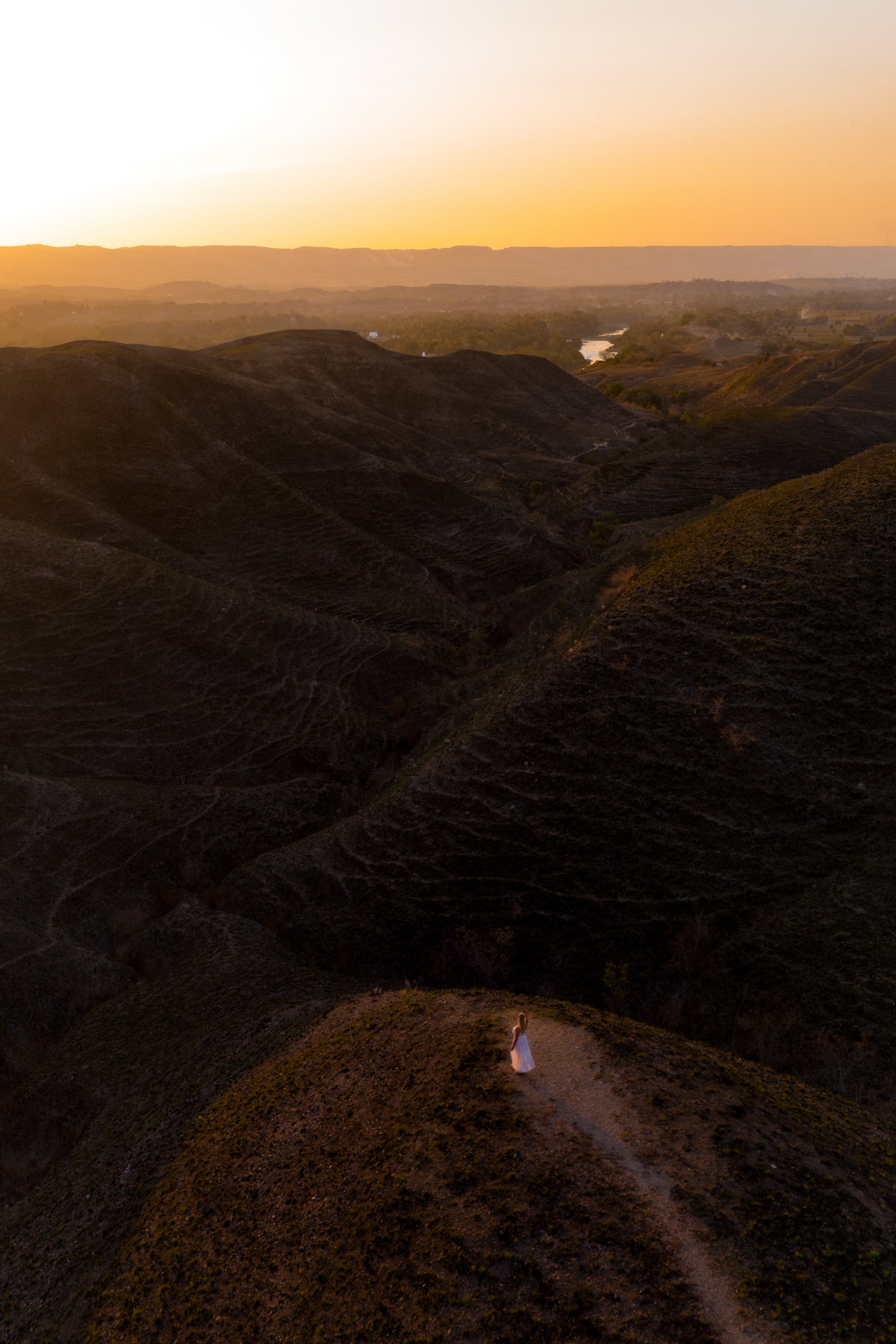
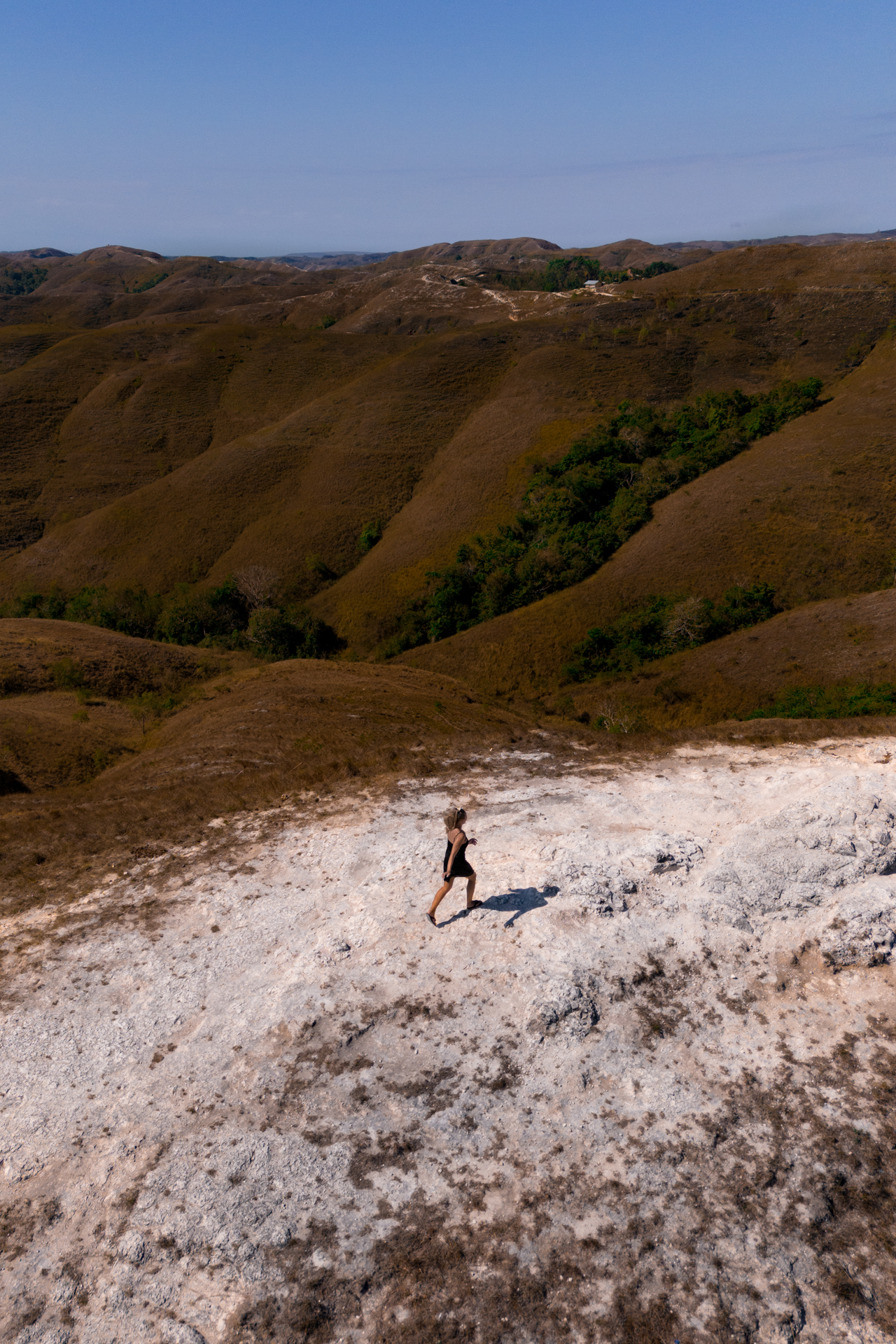
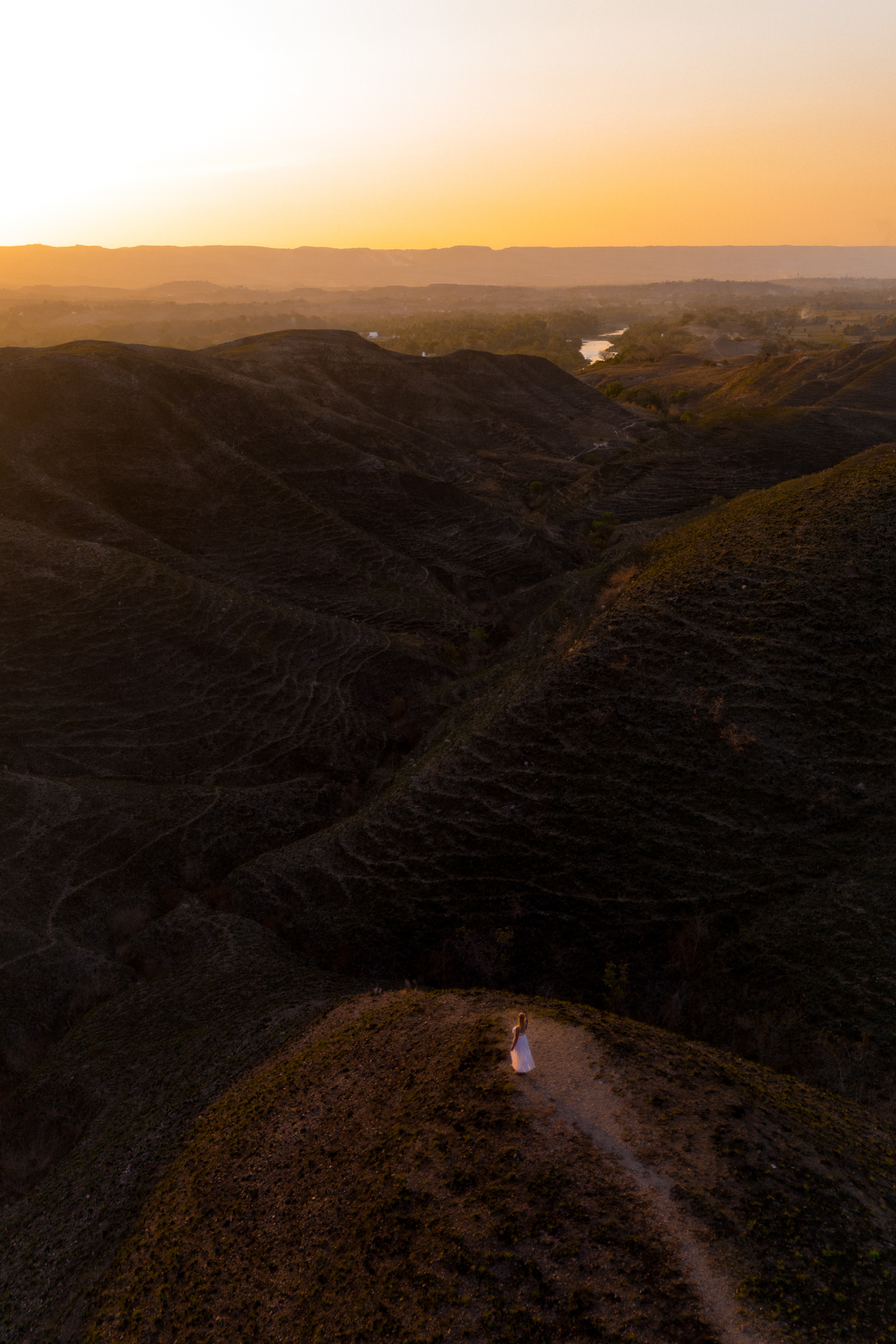
If you are looking for that classic Sumba landscape, Wairinding Hill is it. Located in East Sumba located 1 hour from Waingapu, this rolling hilltop overlooks wide grasslands, the coastline, and traditional villages below. It is an incredible spot for sunrise and it takes about a 10 minute walk from the road to the top.
 Bukit Tanau
 Wairinding Hill
 Bukit Tanau
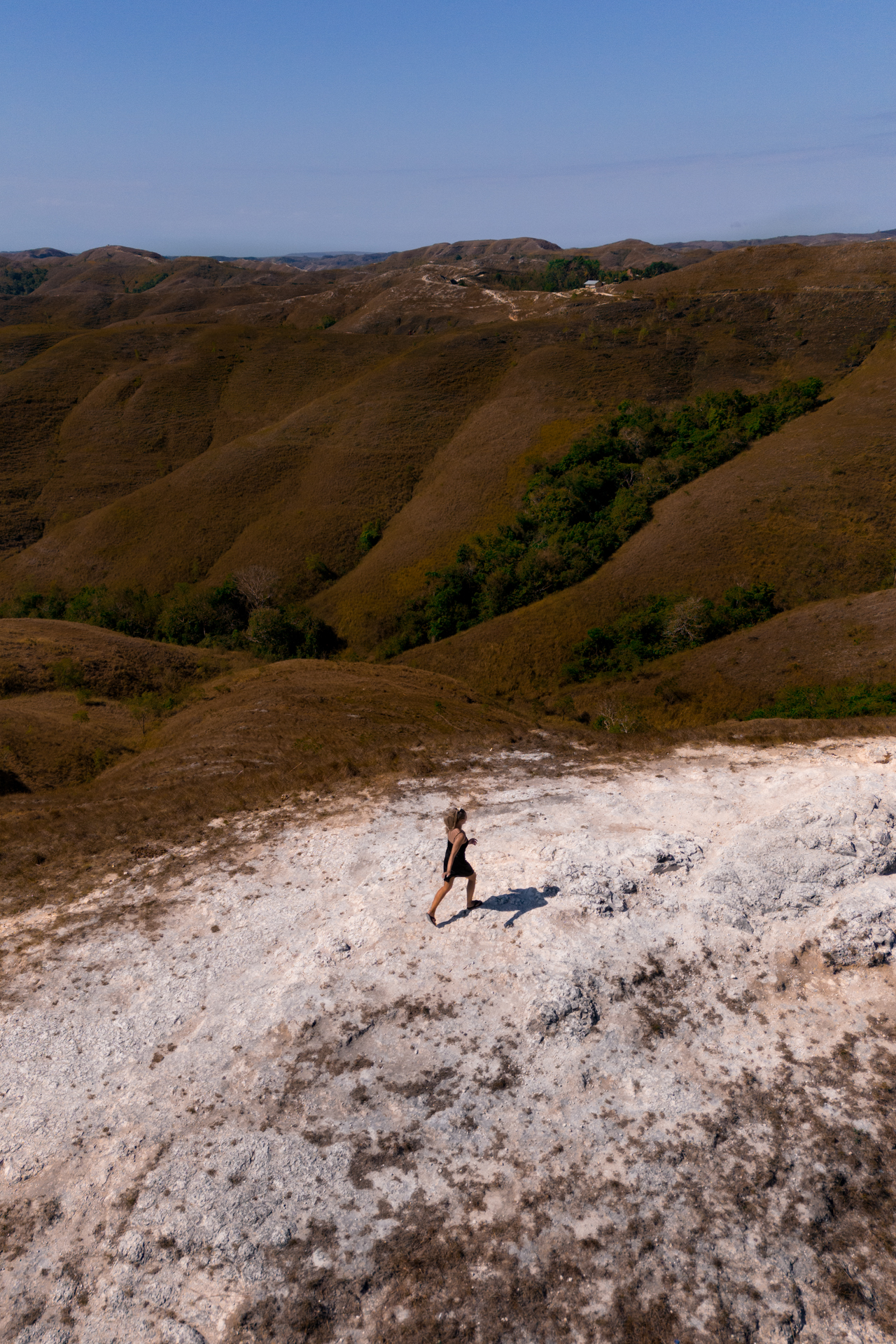 Wairinding Hill
Combine this with Bukit Tanau for the ultimate golden hour double feature. This second viewpoint about 20 minutes from Waingapu offers endless views over the rolling landscape below. Two hilltops, both with jaw dropping views.
At Wairinding Hill, visitors sign a guest book and leave a small contribution for the local community, typically around IDR 25,000 per person. Bukit Tanau is free of charge.
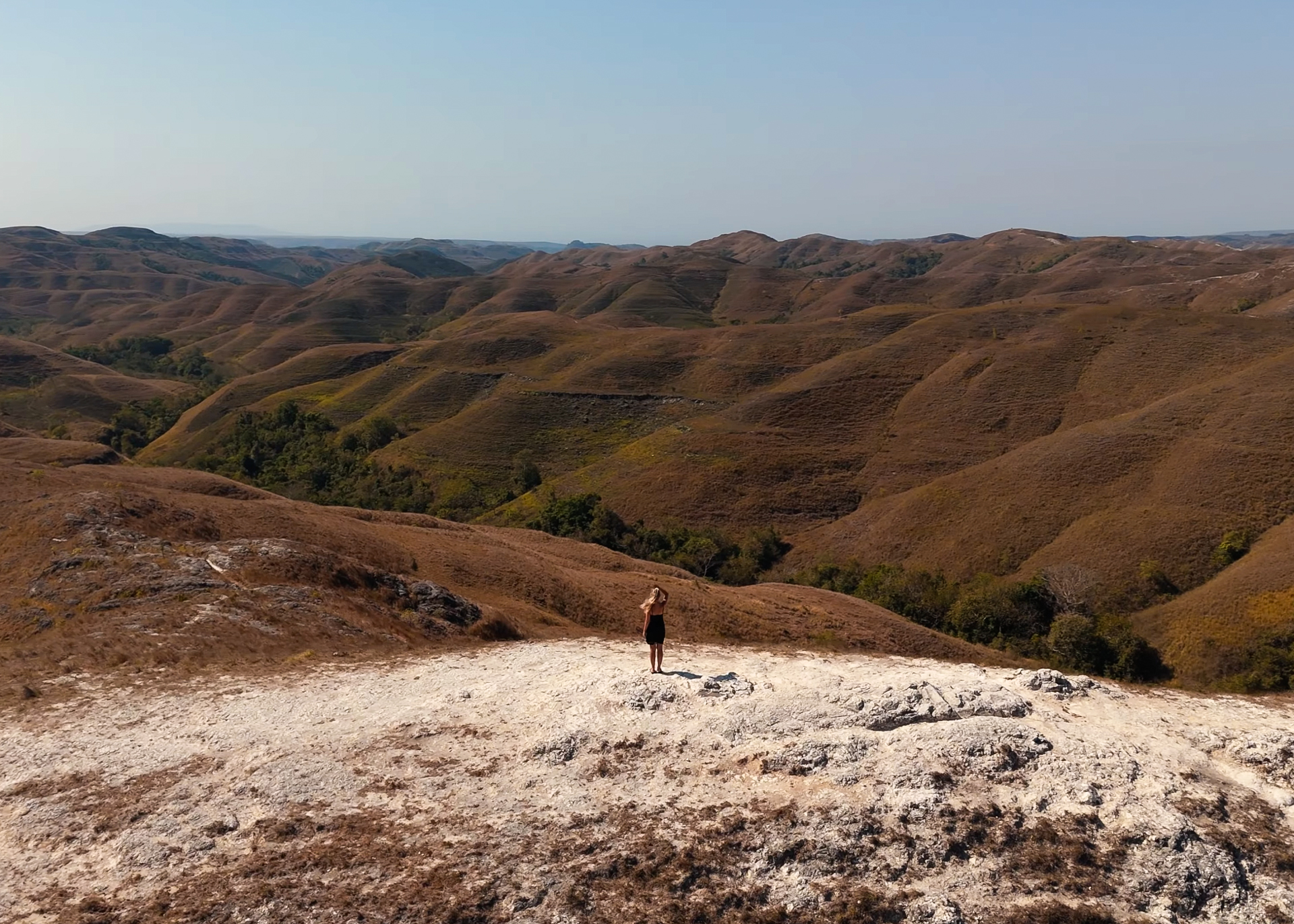 Wairinding Hill
14. Pantai Walakiri
This East Sumba beach is famous for its “dancing trees.” During low tide, the mangrove trees along the shoreline create beautiful silhouettes that look like they are swaying and dancing in the water.
Sunset is absolutely the time to be here, when the golden light hits the trees and the reflections in the shallow water create those magical photos you have probably seen all over Instagram.
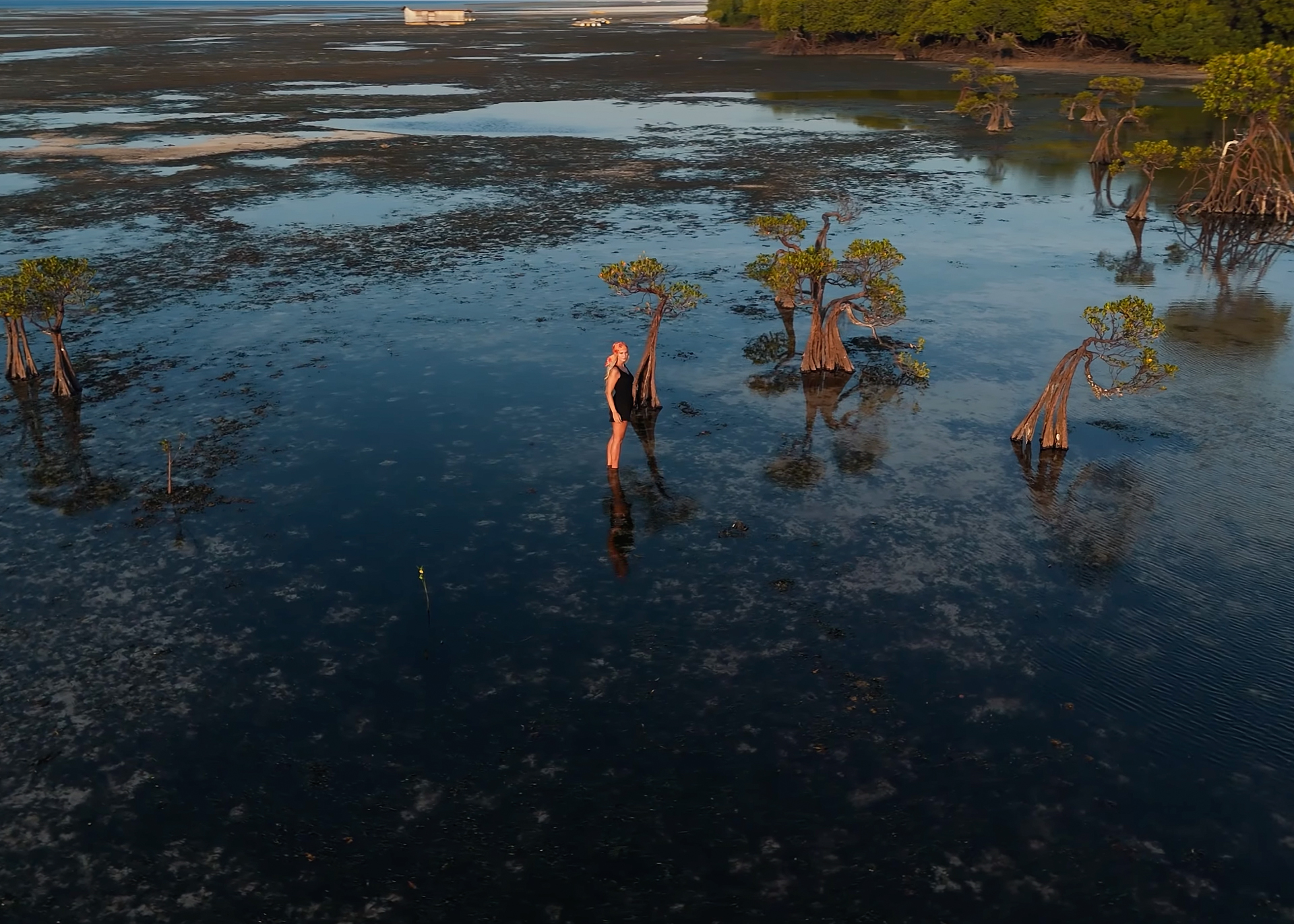
15. Savannah Puru Kambera
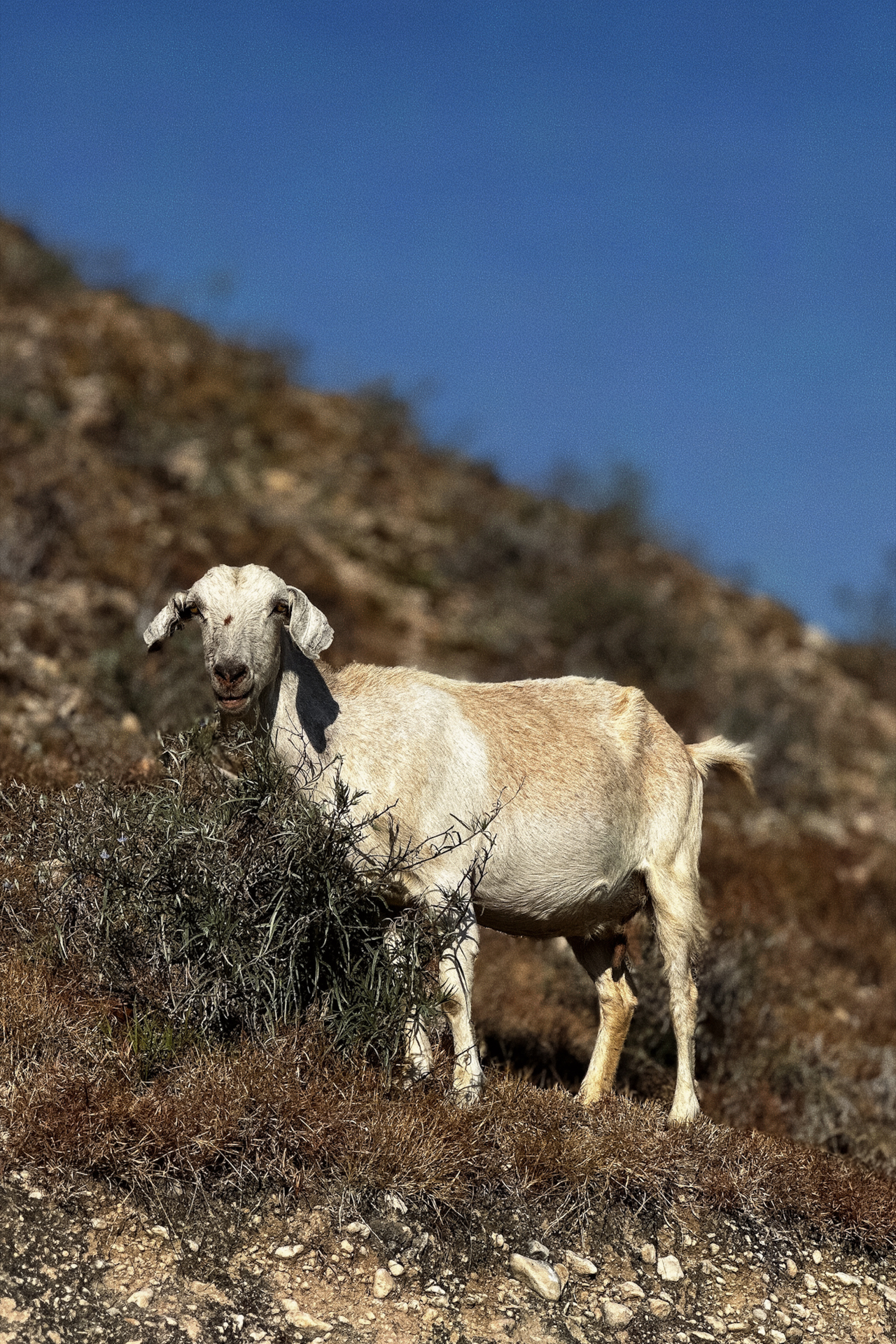
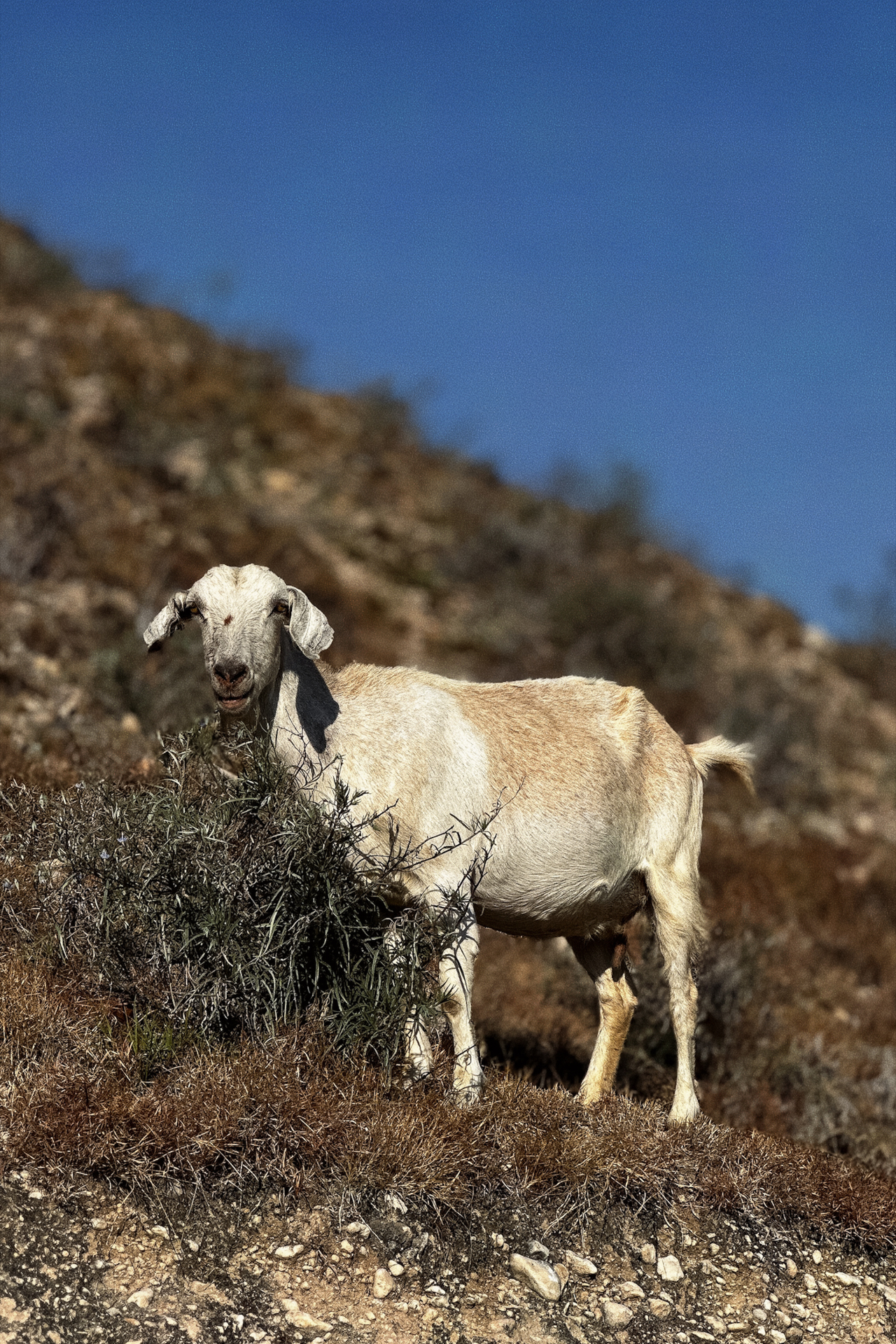
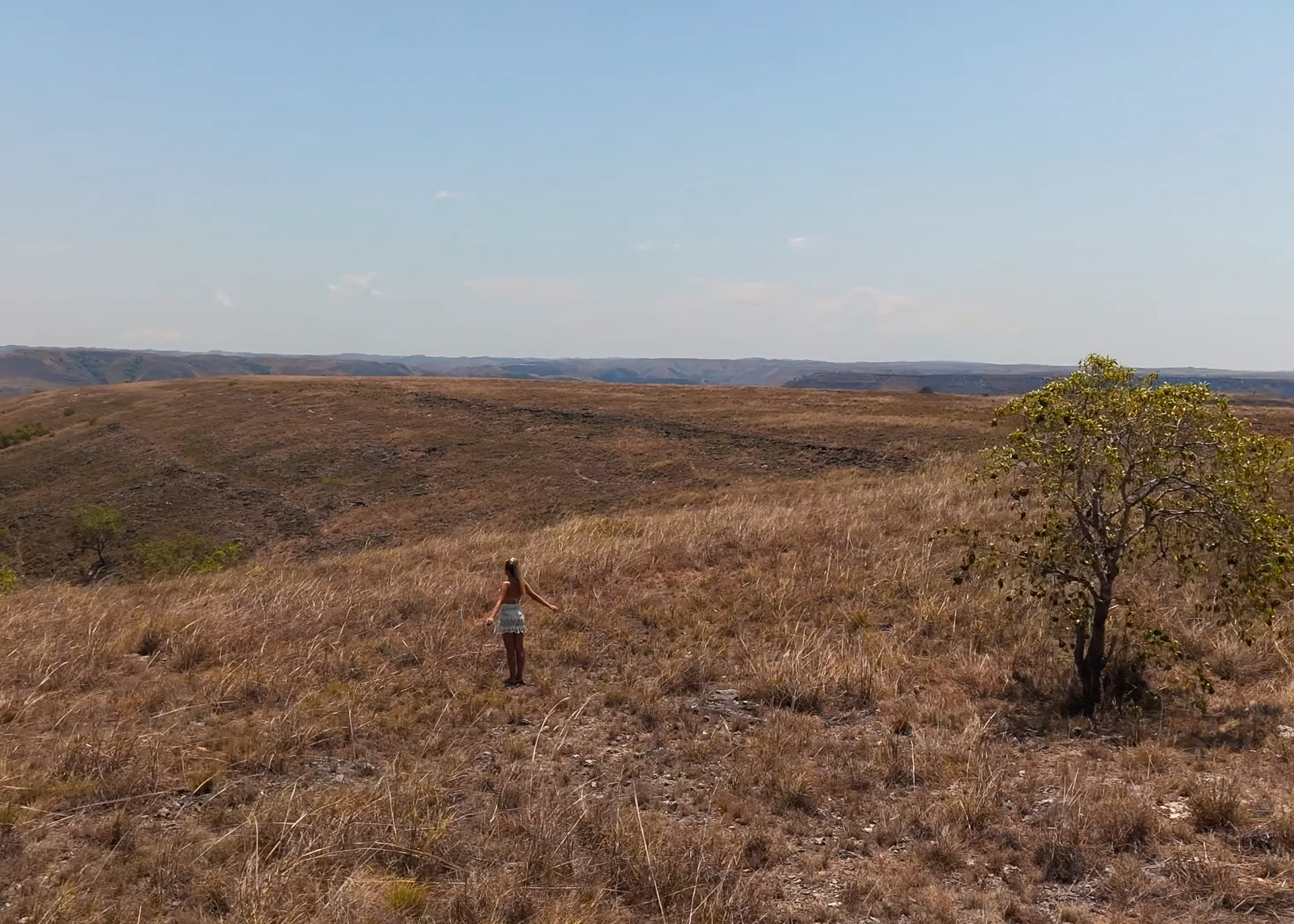
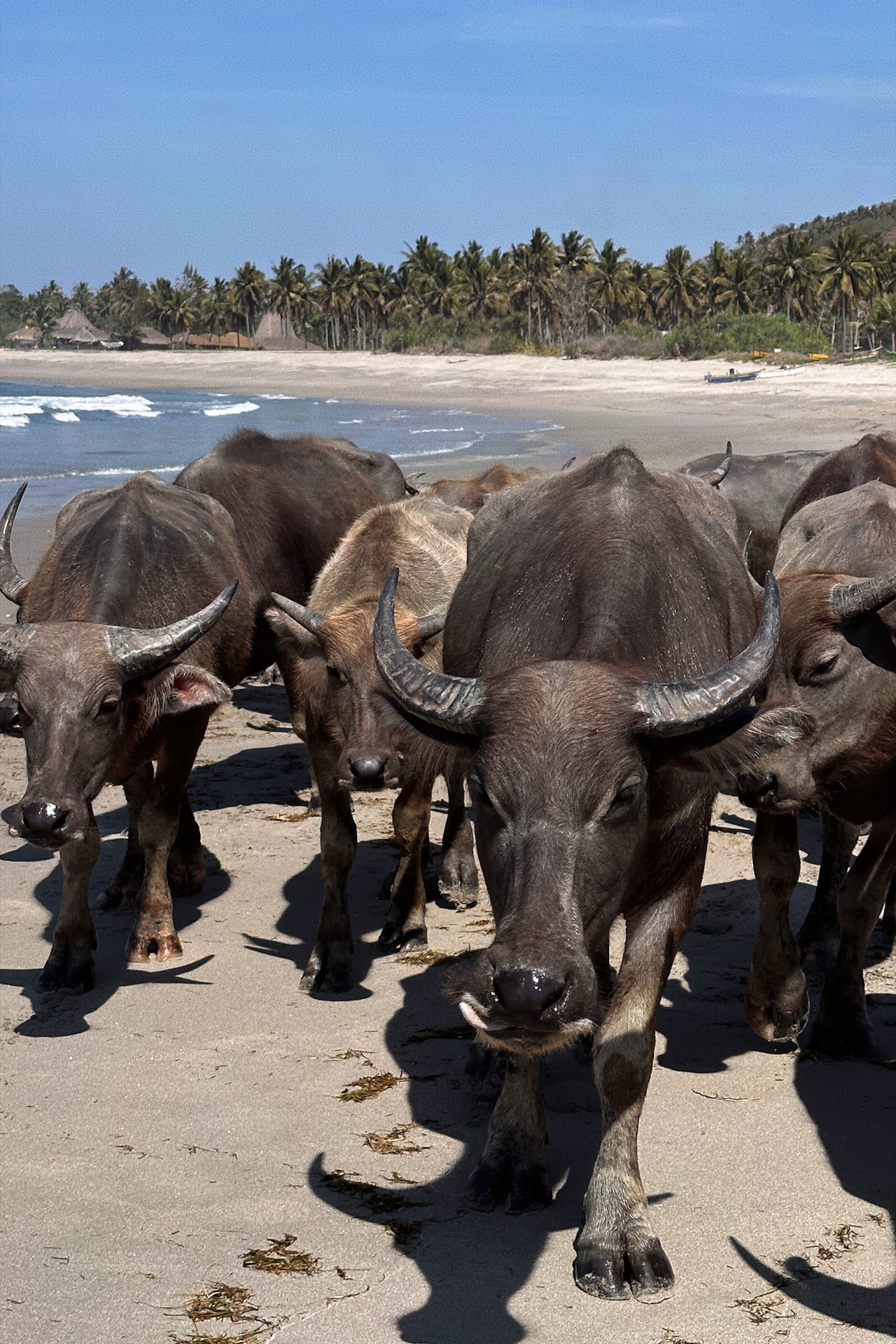
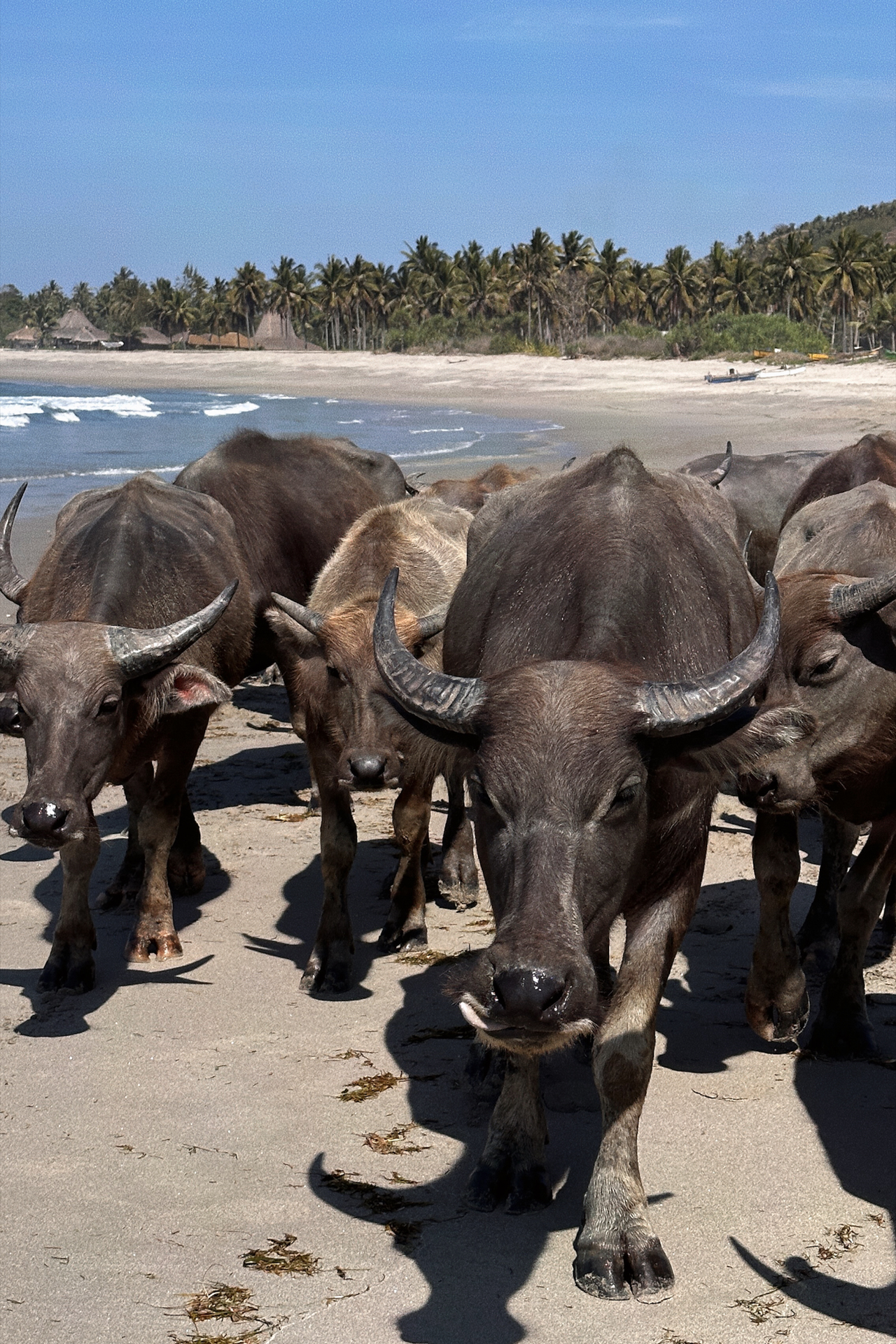
Welcome to the African savannah of Indonesia. Located in East Sumba, Puru Kambera is a wide stretch of rolling grasslands where wild horses and goats roam freely across the landscape.
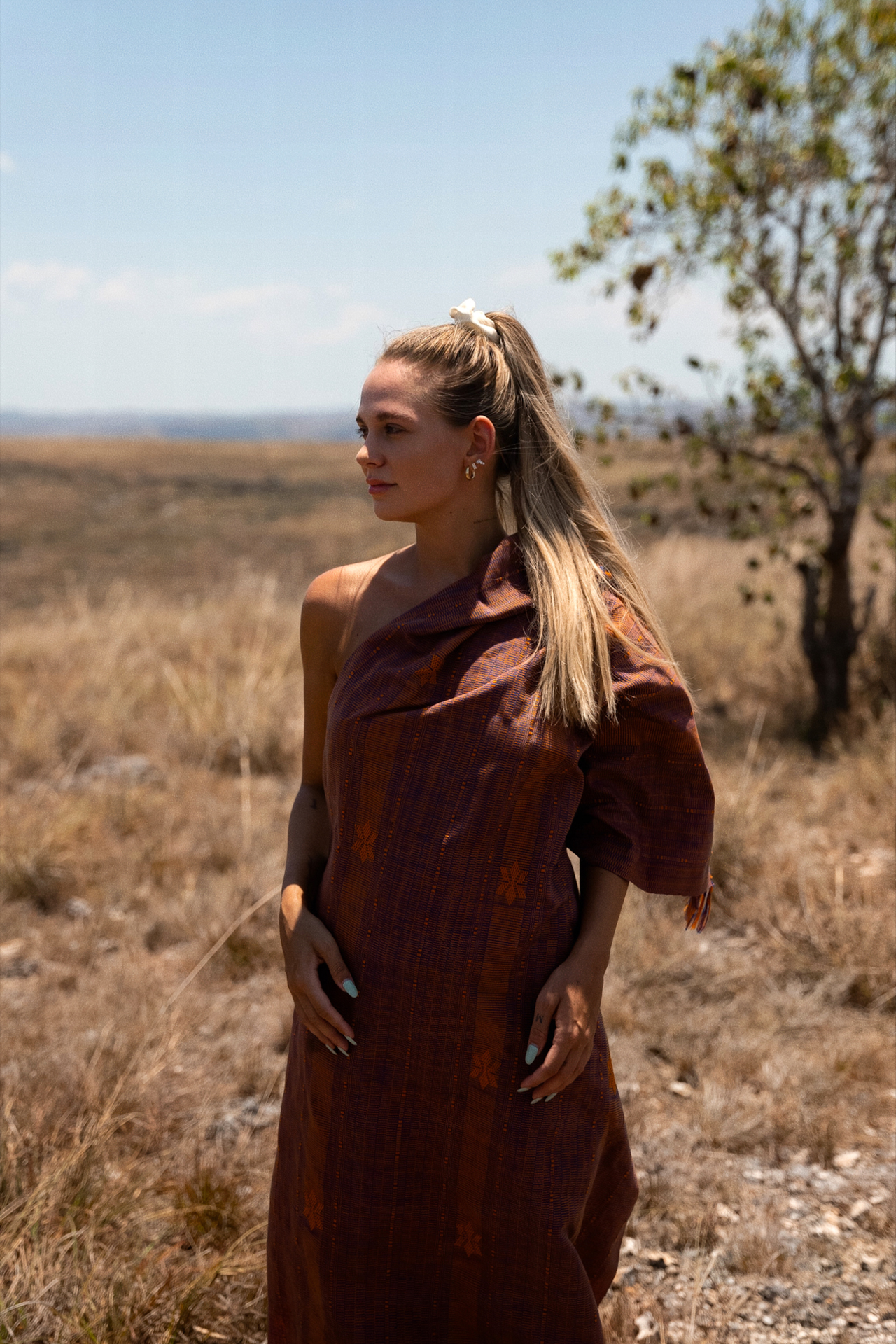
The dry golden hills against deep blue skies create a scene that feels nothing like the Indonesia most people imagine. This is the untamed, raw beauty of Sumba at its finest.
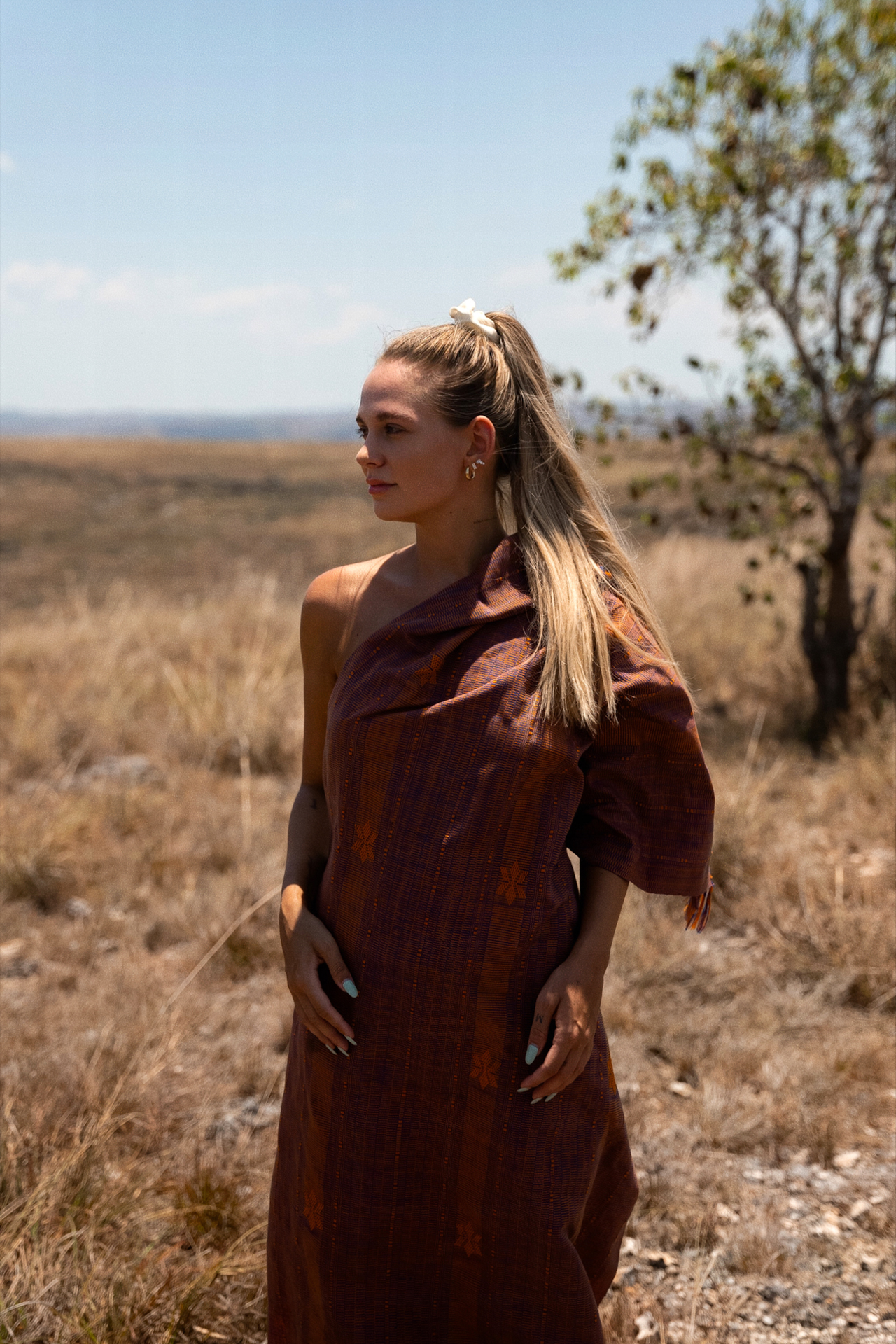
TOP PLACES TO STAY
WHERE TO STAY IN SUMBA
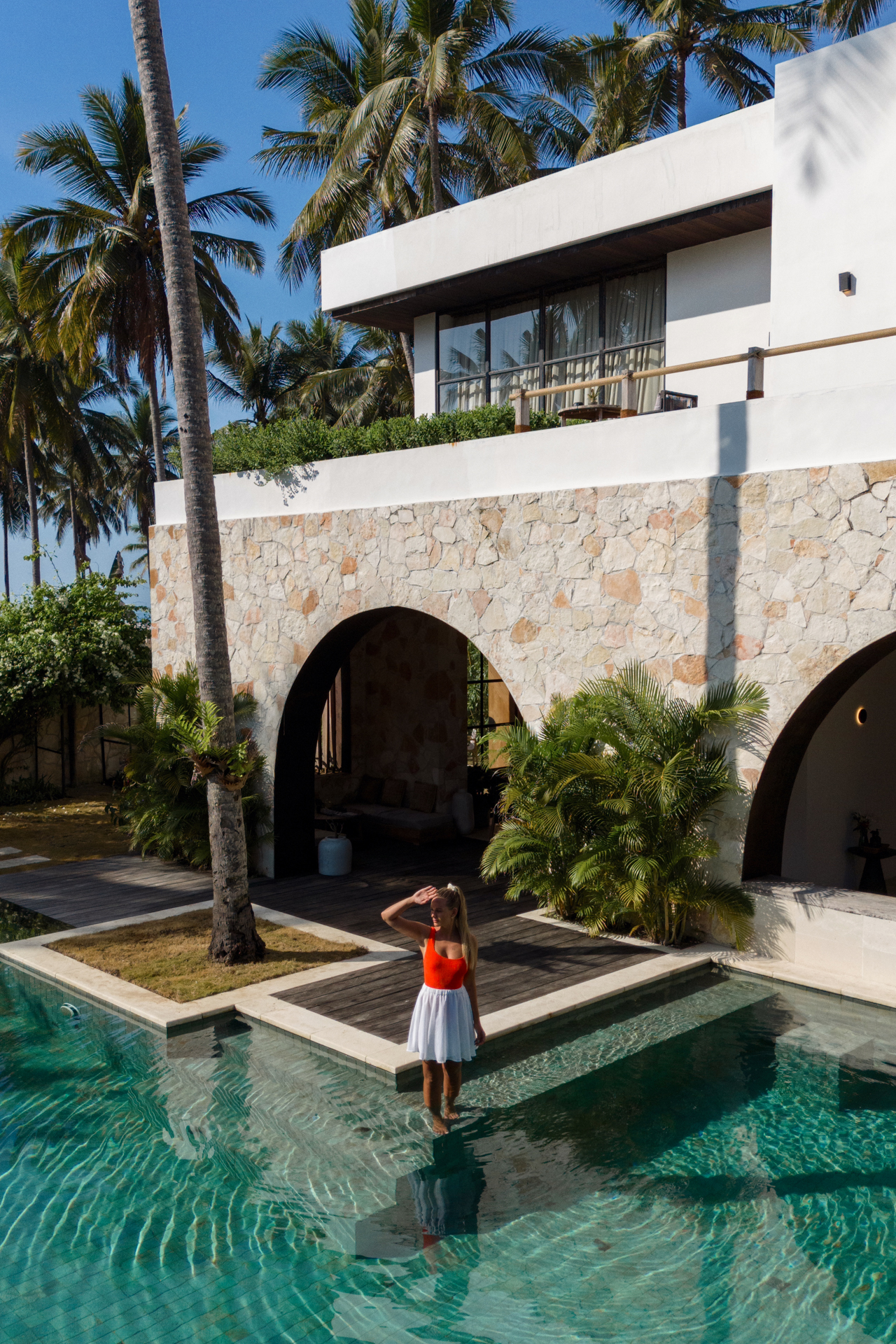 Alamayah
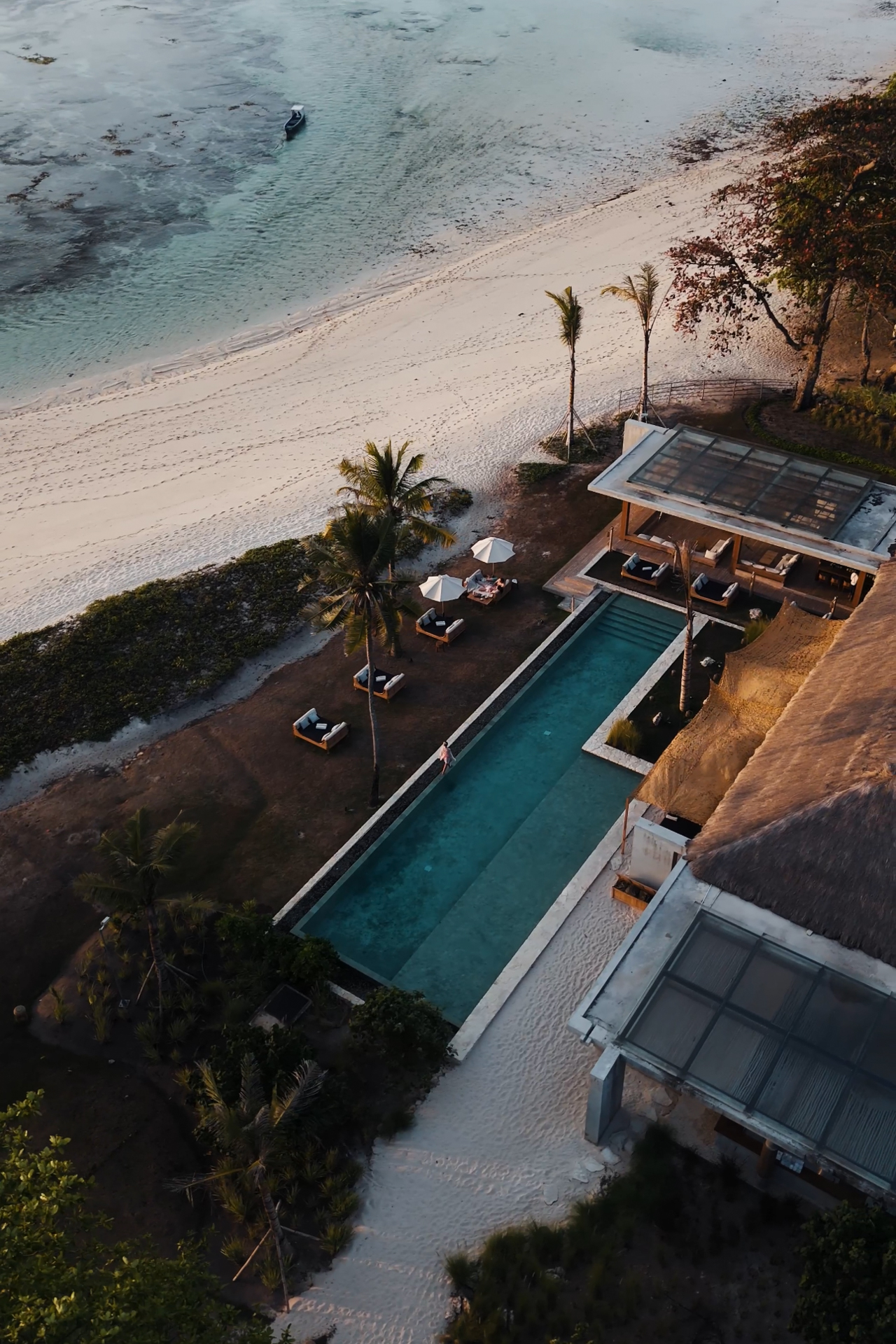 Cap Karoso
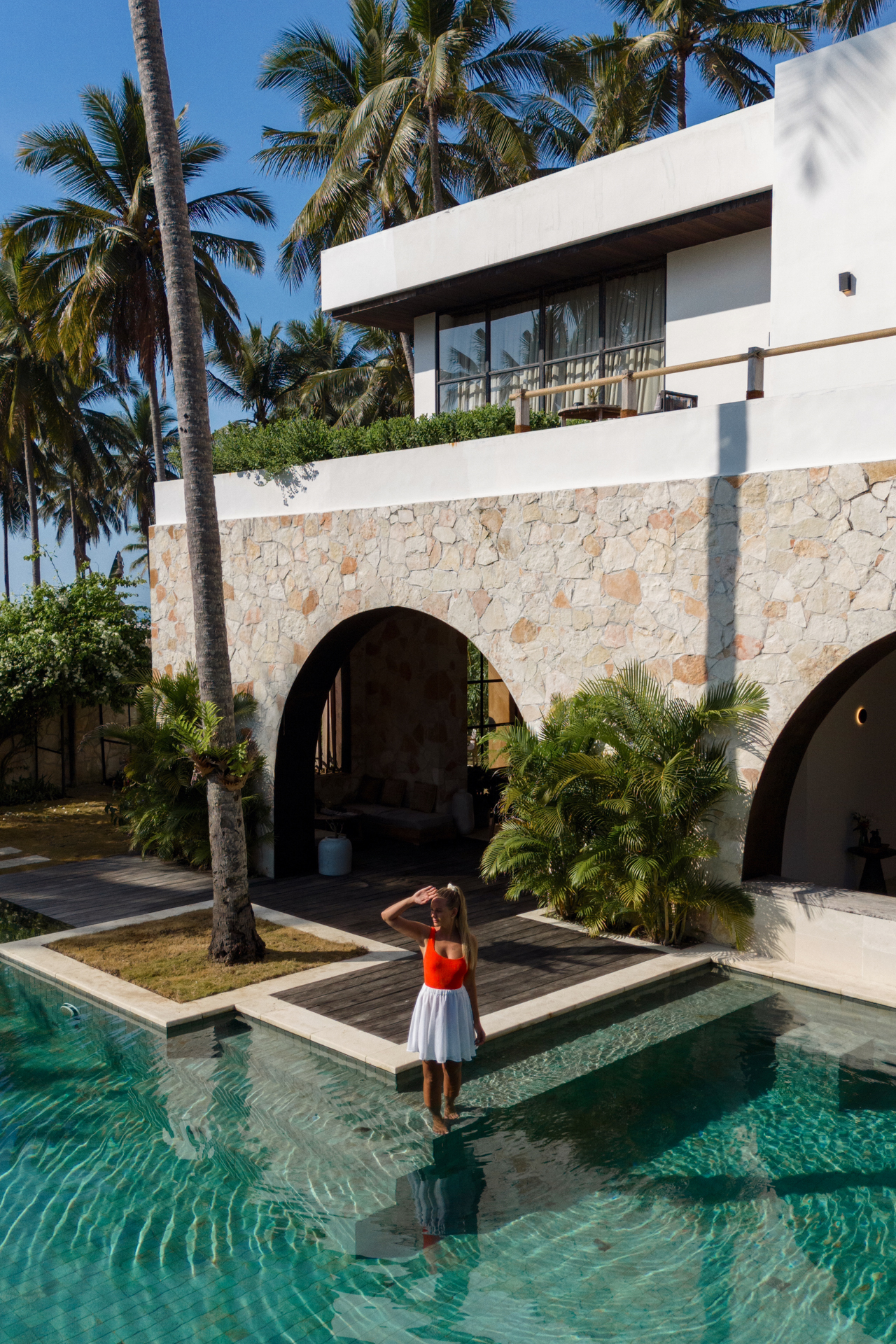 Alamayah
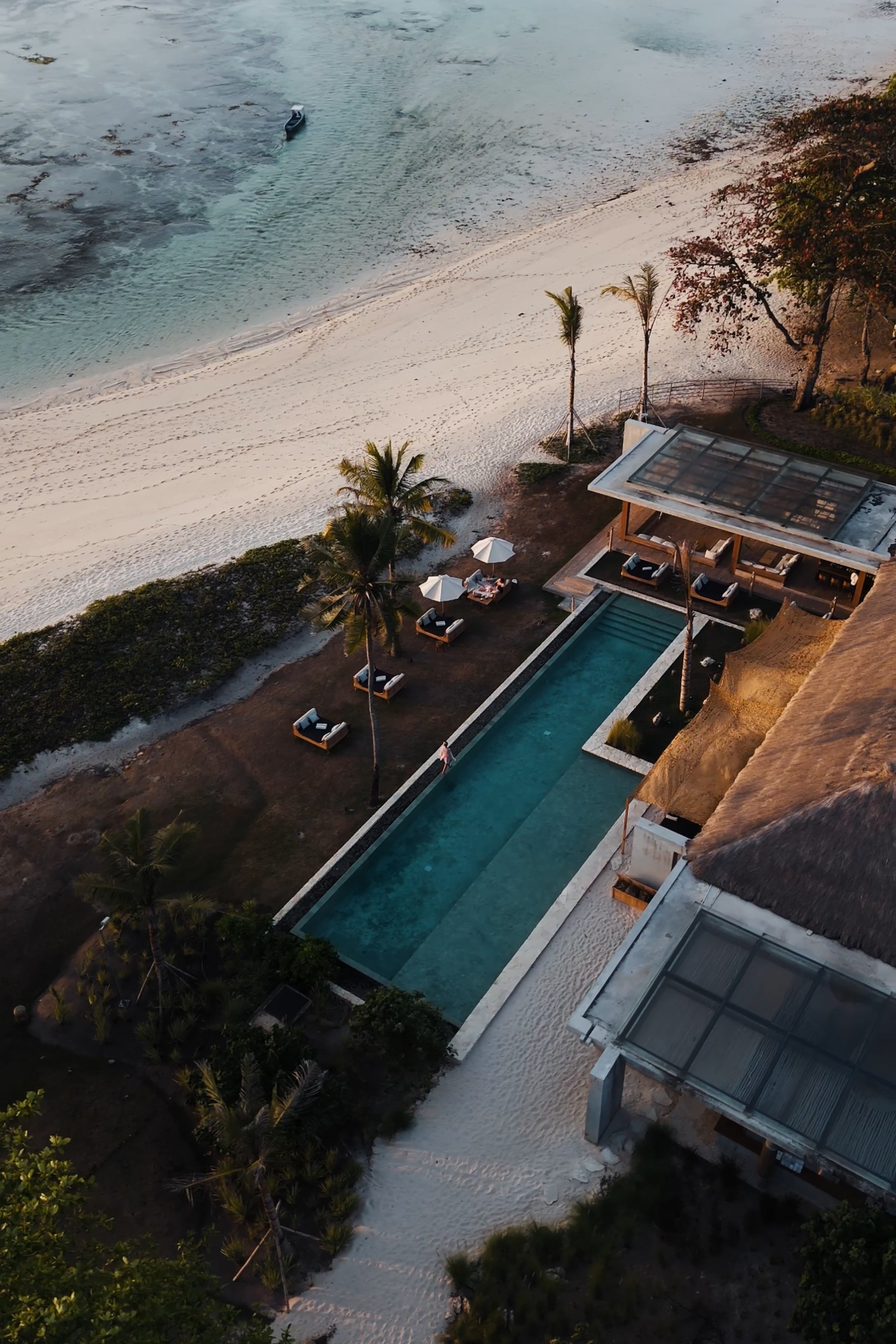 Cap Karoso
Where to Eat & Sip
BEST CAFÉS & RESTAURANTS SUMBA
Eating on Sumba is a simple and authentic experience. Most of the island's dining revolves around local warungs and hotel restaurants. We ate mostly at our hotels, but here are some popular spots that are worth checking out if you want to venture out.
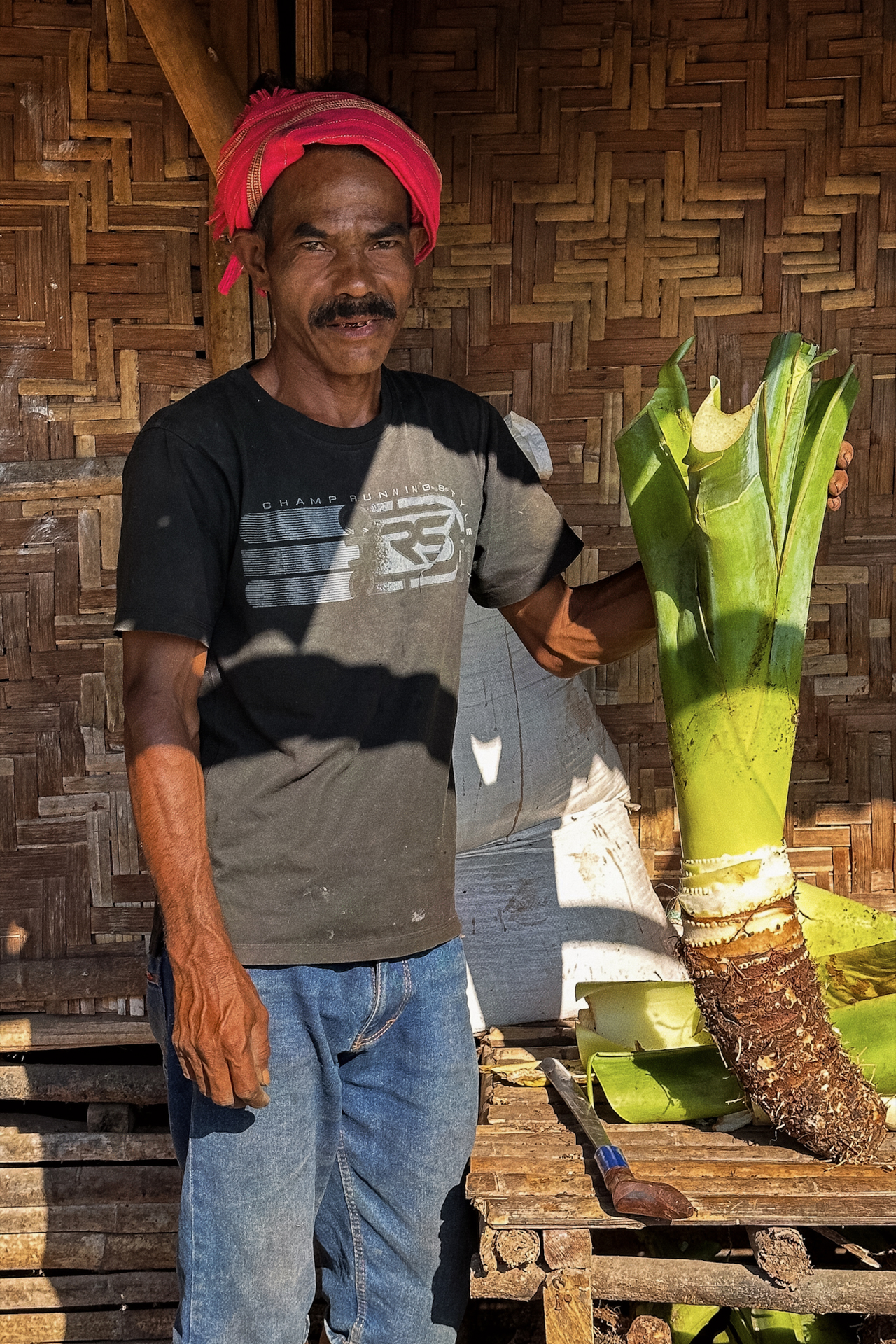
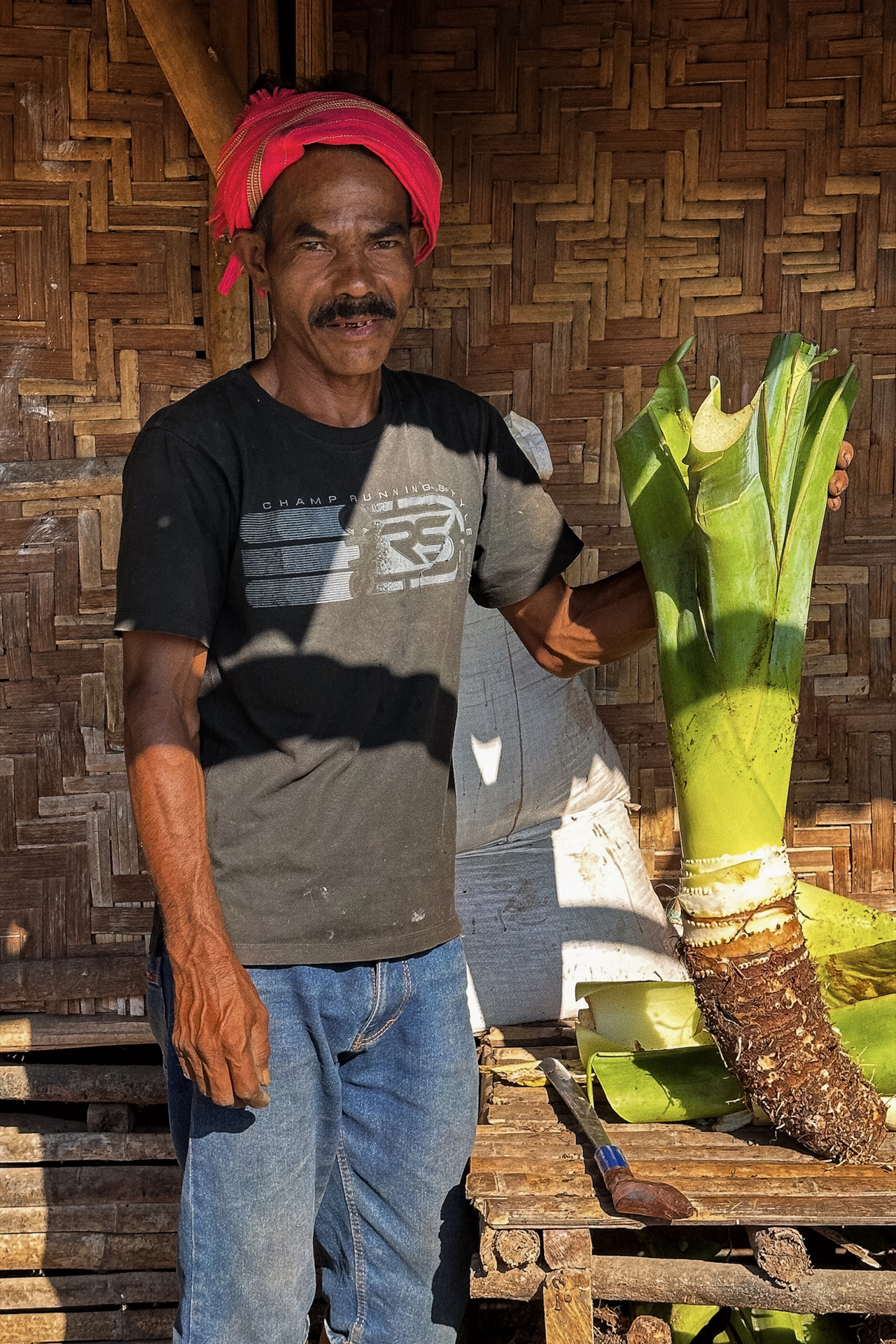
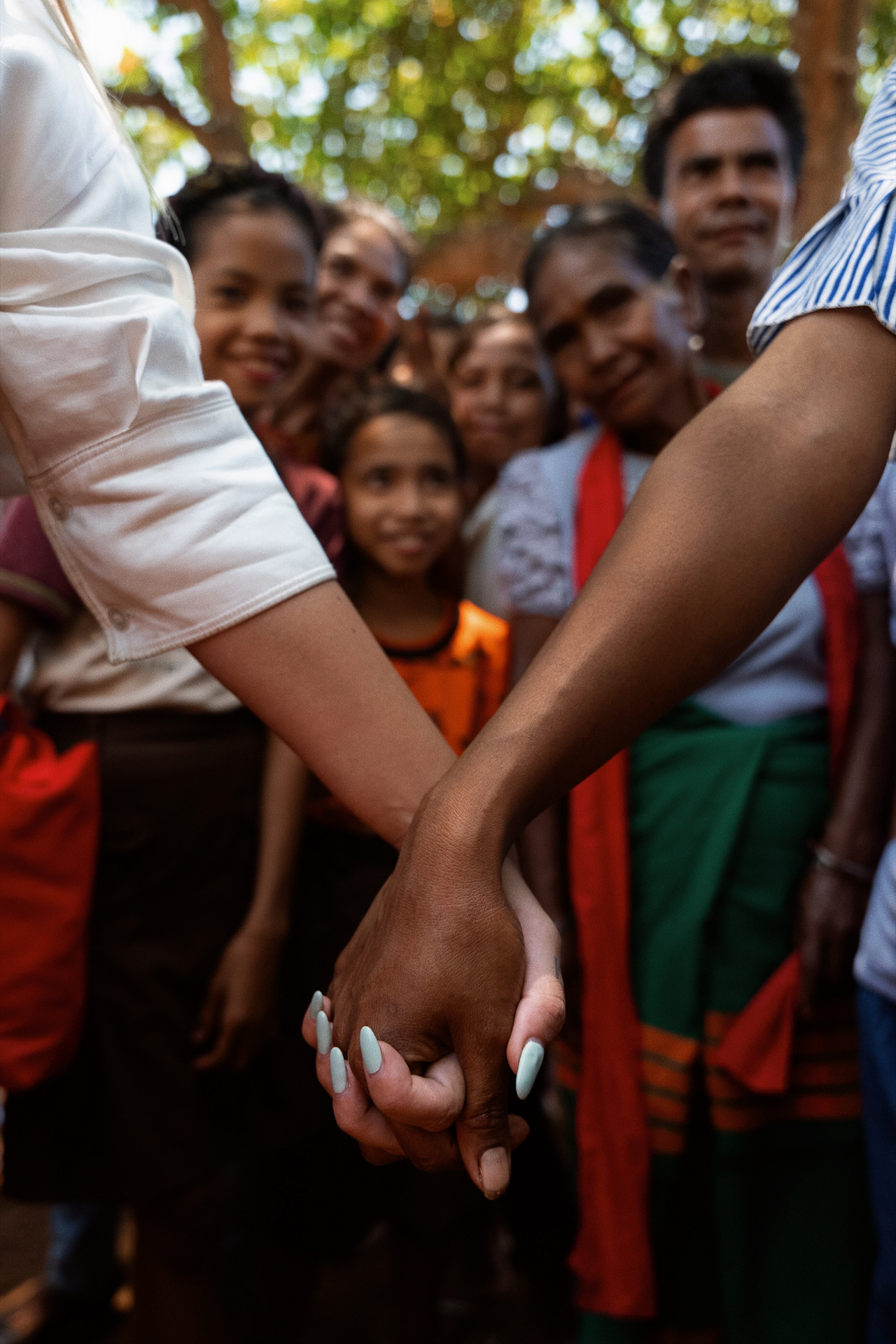
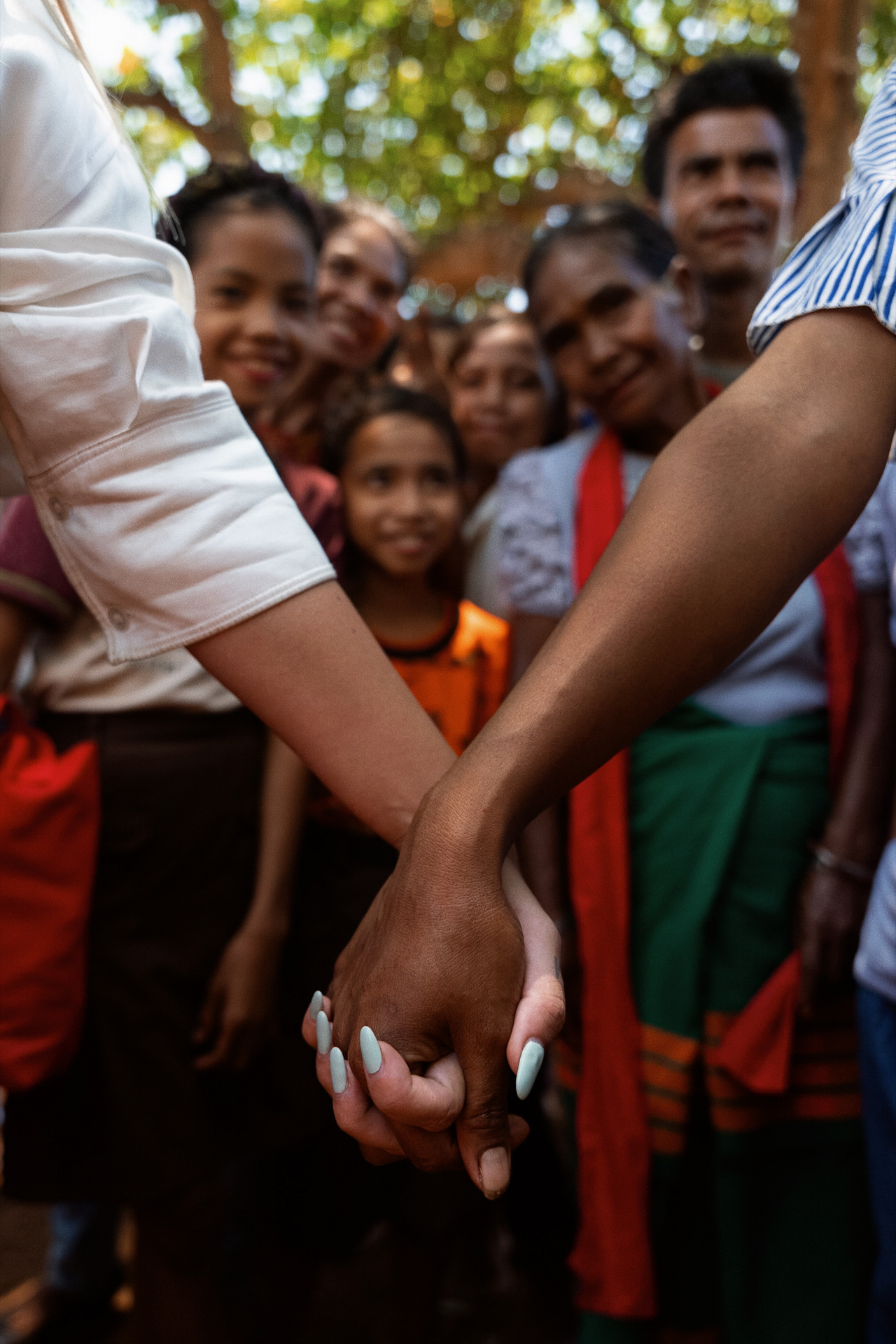
One of the first things you’ll notice in Sumba is the locals red-stained teeth, a result of chewing betel nut. It is a deeply rooted cultural tradition, believed to connect people with the spirits of their ancestors, and it also produces a mild stimulant effect.
Transportation
HOW TO GET AROUND SUMBA
Getting around Sumba requires some planning, as the island is large and infrastructure is limited. There is no public transport system, so your options are hiring a private driver, renting a scooter, or arranging transport through your hotel.
Hiring a Private Driver
In West Sumba, we had a private driver organized through our hotel. This was by far the most comfortable way to explore, especially since many of the roads are rough and the distances between attractions can be long. Our driver also took us on the journey from West to East Sumba, which is a full day drive through incredible landscapes. I highly recommend arranging a driver through your accommodation.
By Scooter
In East Sumba, we rented a scooter and explored independently. This gave us a lot of freedom to stop wherever we wanted and go at our own pace. However, be aware that once it gets dark, there are very few street lights on Sumba's roads. Make sure to plan your day so you are back at your hotel before it gets super dark.
For Sumba, I personally recommend hiring a car with a driver. If you prefer to rent a car yourself, consider hiring a local guide to join you. Many of Sumba’s main attractions are not located along major roads, so having someone with local knowledge can make the journey much easier and far more enjoyable.
How to Get to Sumba?
Sumba has two airports: Tambolaka Airport in the west and Waingapu Airport in the east. Most flights come from Bali (Denpasar) with airlines like Nam Air or Wings Air. If you are short on time, you could fly into one airport and out of the other to save the long overland drive between West and East Sumba.
TRAVEL SMARTER
SUMBA TRAVEL TIPS
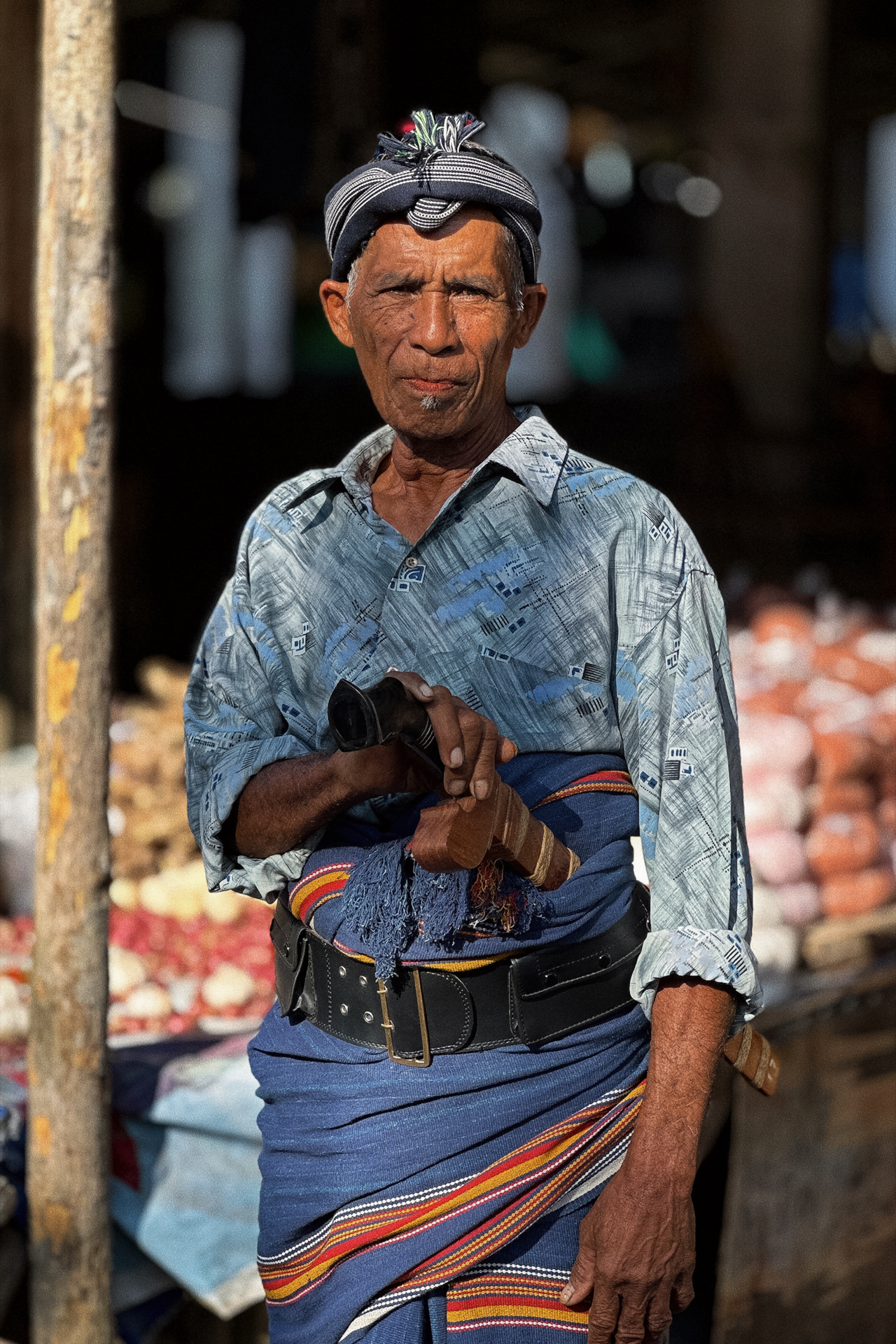
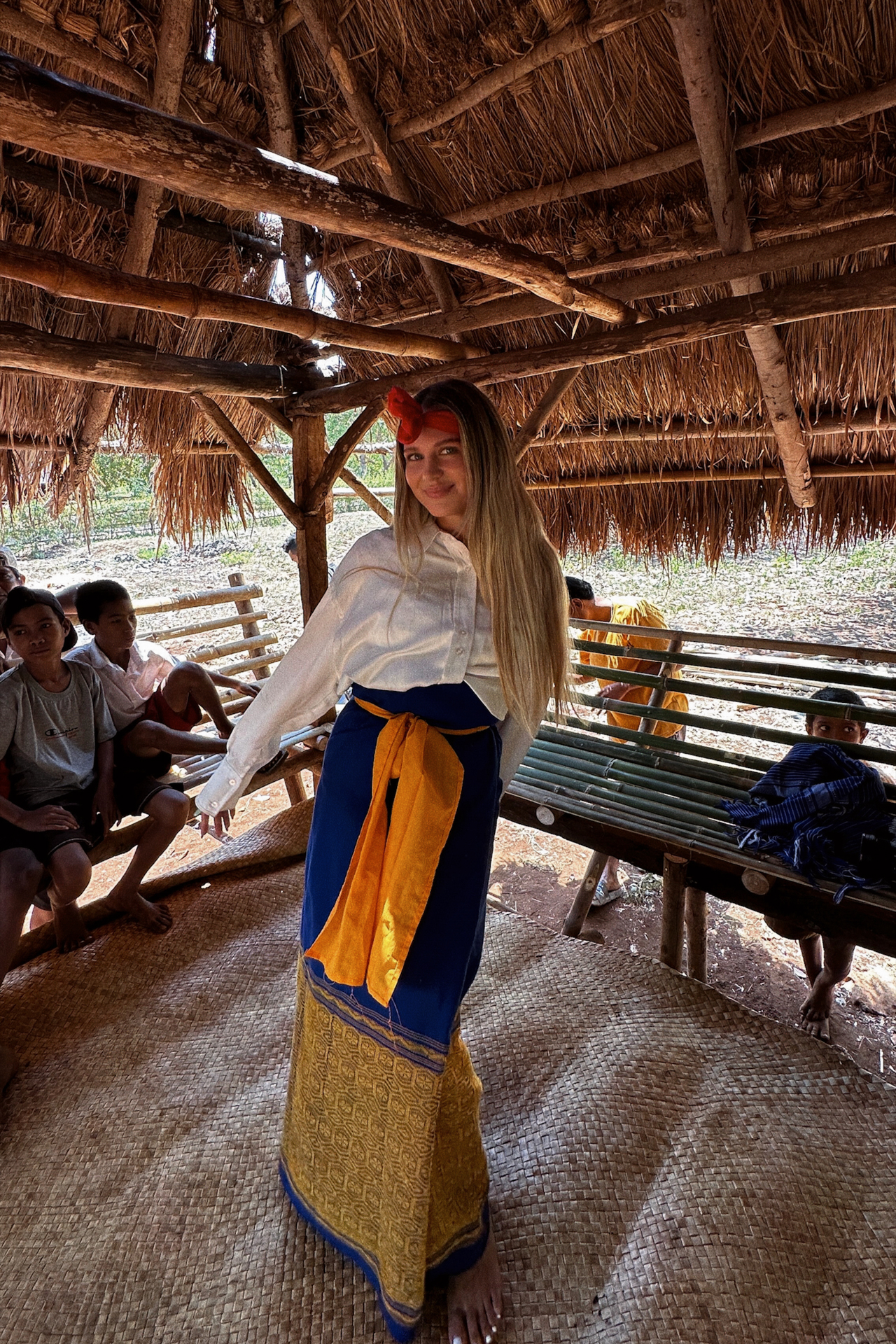
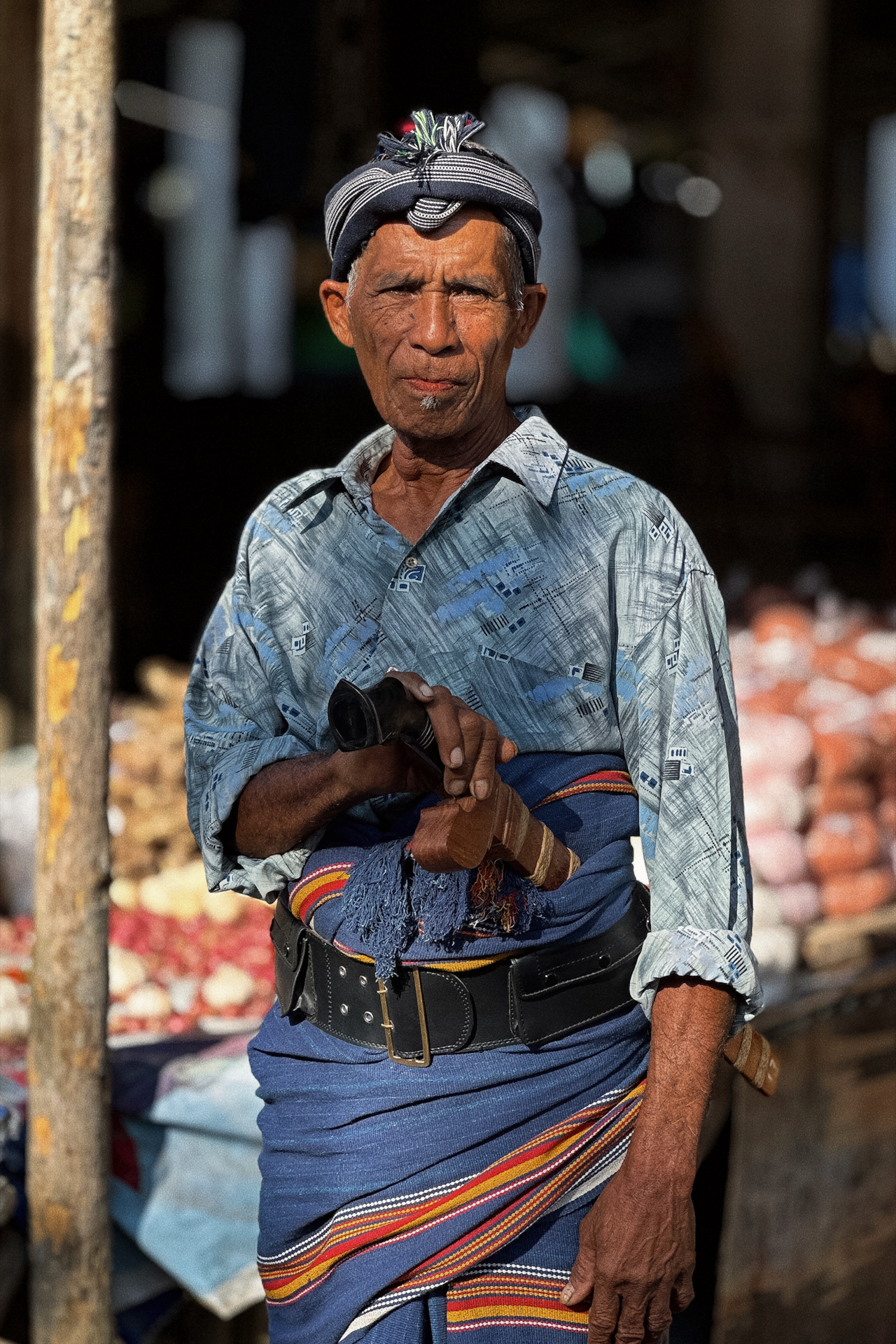
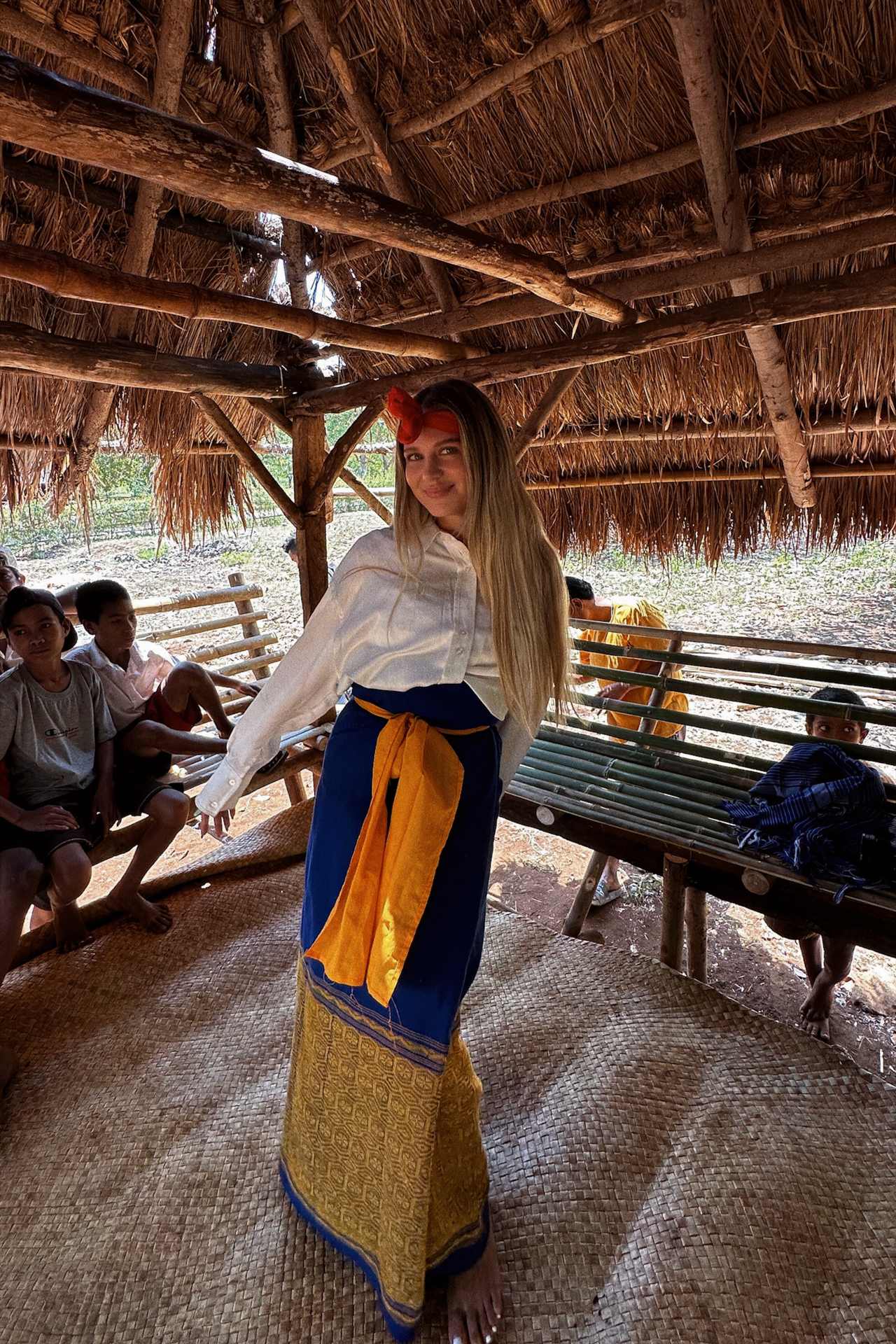
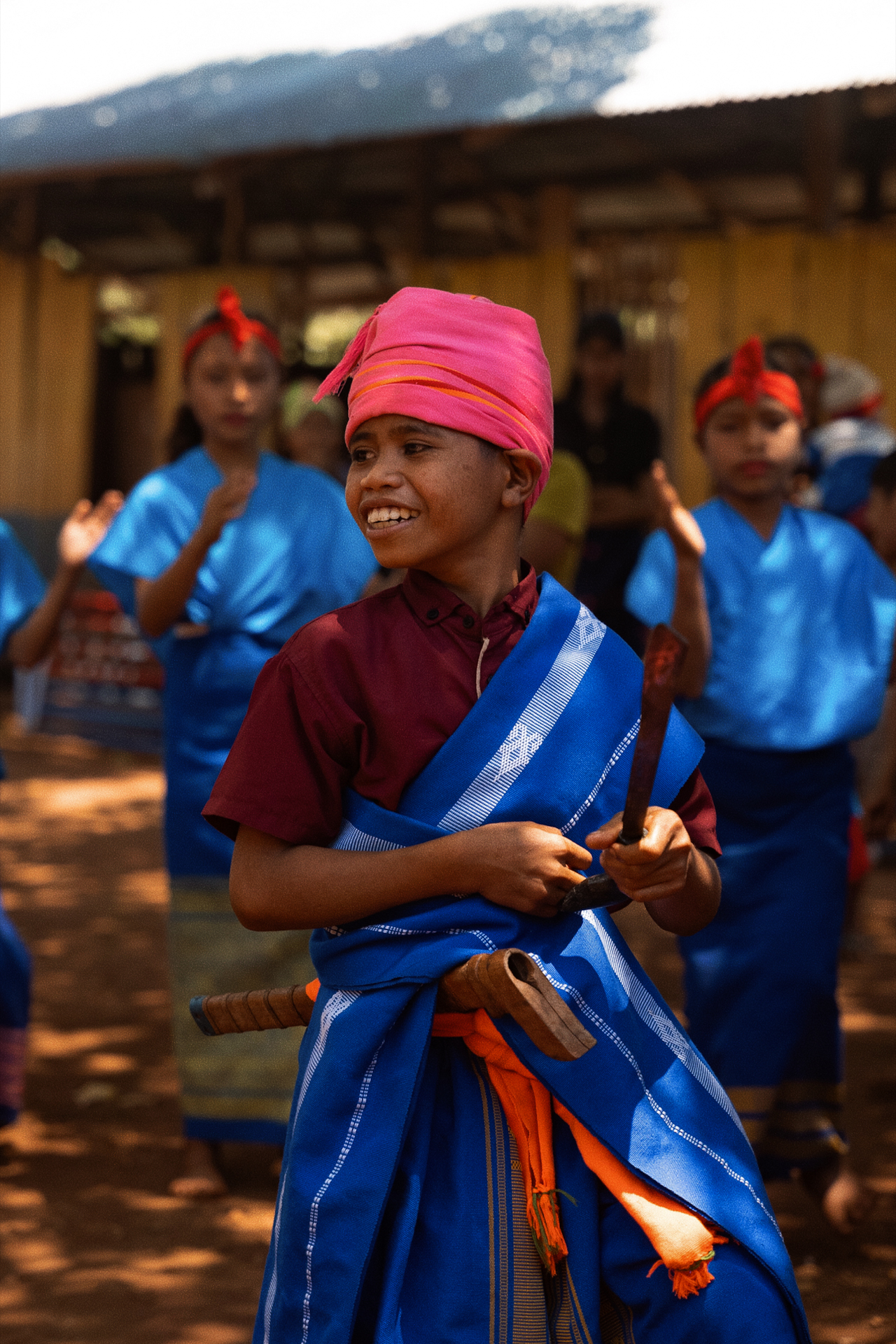
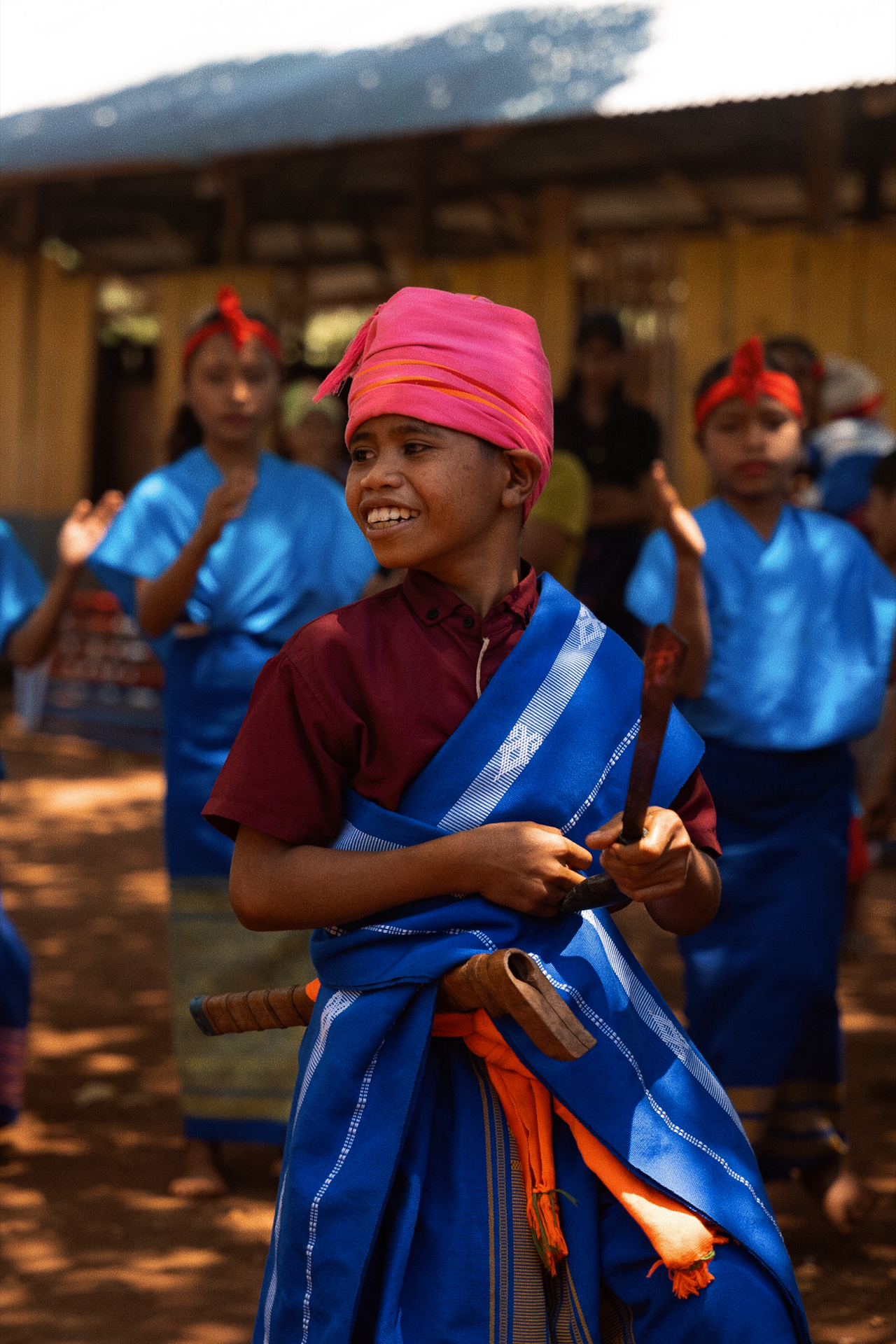
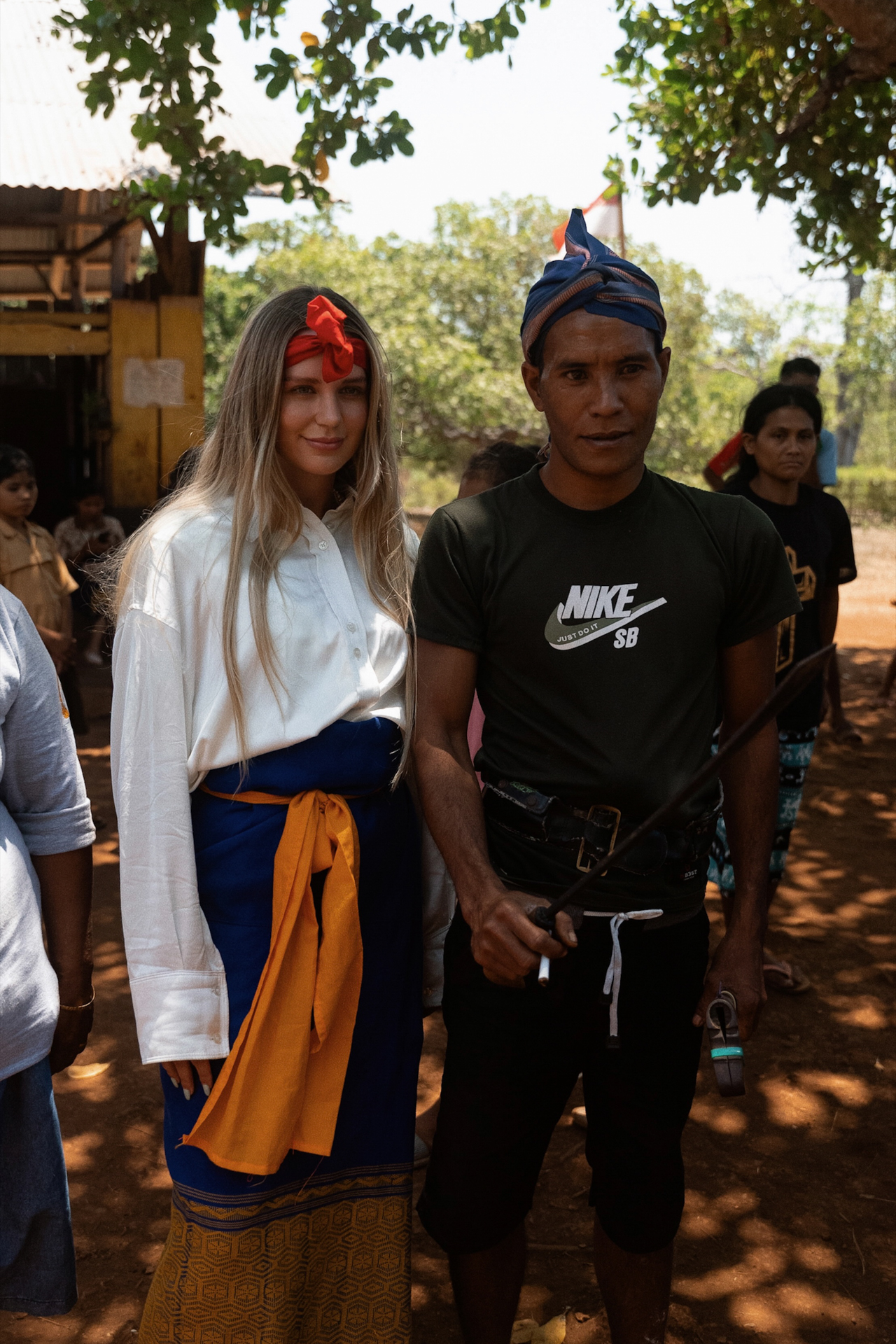
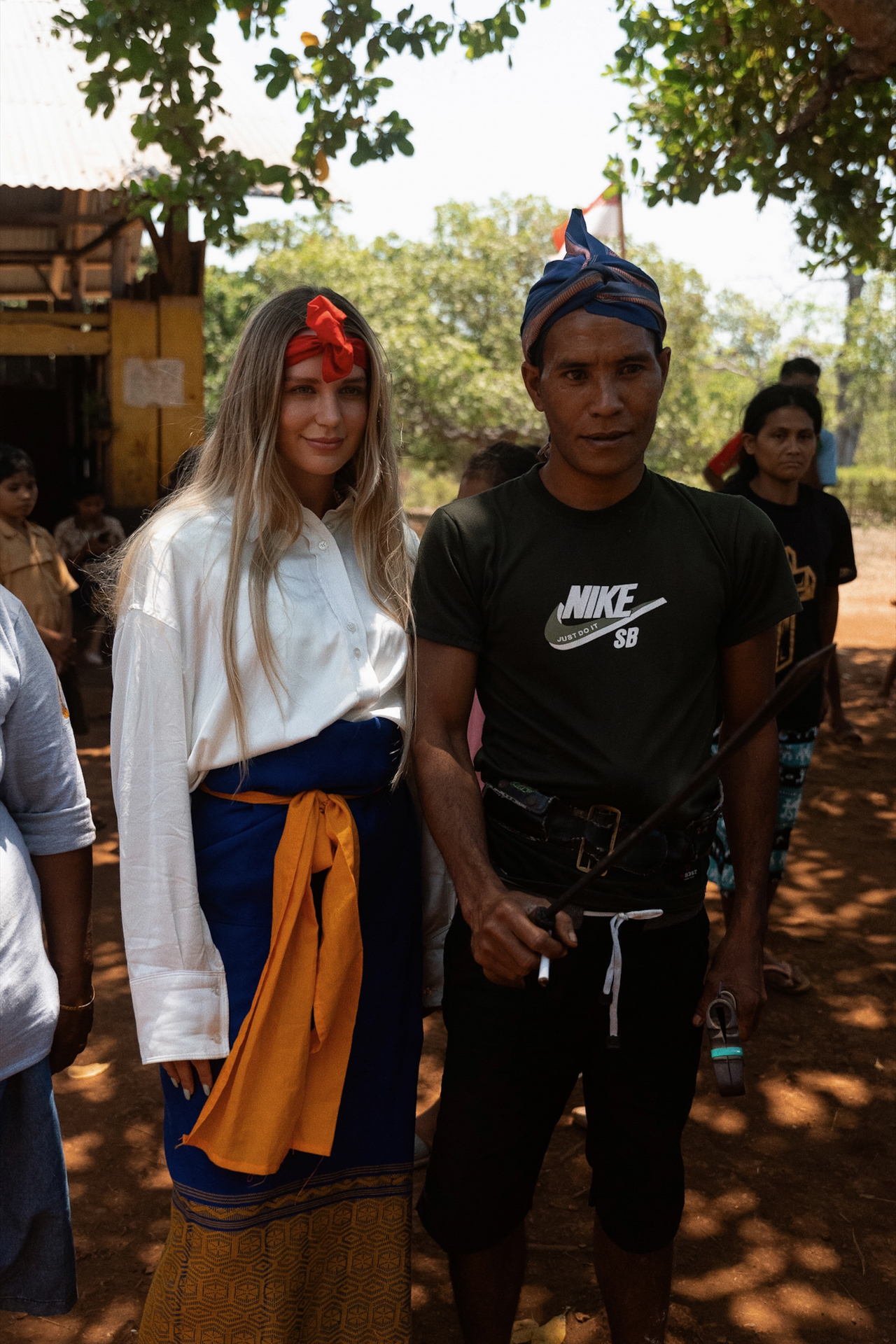
Men often wear a short sarong tied around their hips, secured with a separate sarong belt into which a long machete is tucked. It is a symbol of courage, representing a man’s readiness to face anything.
THE WEATHER
BEST TIME TO VISIT SUMBA
Sumba has a tropical climate with two main seasons: the dry season and the wet season. Temperatures are warm year round, typically between 25 and 32 °C (77 to 90 °F). The dry season is your best bet for sunny skies and easy travel, while the wet season transforms the landscape into a lush green paradise.
Dry season (April to October): The best time to visit Sumba. Expect sunny days, lower humidity, calm seas, and the clearest water at the lagoons and beaches. Roads are also in better condition during this period. Perfect for diving, hiking and beach activities.
Wet season (November to March): Rain showers are more frequent, though they tend to be short and often fall in the late afternoon or at night. The landscape turns beautifully green and lush, prices are lower, and there are fewer tourists. Some remote roads may become muddy and harder to navigate.
I explored Sumba during the dry season in September and experienced plenty of sunshine, calm seas, and clear skies at every viewpoint.
Loved it? Pin it, Share it!
Inspire Others to Travel to Sumba
Keep Exploring
More Travel Guides from Indonesia



THE TRAVEL

Let’s stay connected!
Get inspired, helpful tips and exclusive updates straight to your inbox. Subscribe to join a community of explorers.
Leave a Reply