
Socotra


My Go-To Spots in Socotra
10 Best Things To Do in Socotra
The first time I saw pictures of Socotra, I thought it was a completely different planet. I knew I had to visit this extraordinary island one day myself.
Socotra isn’t a destination you just swing by. It takes a bit of effort, a bit of flexibility, and a deep appreciation for nature. It’s wild, untouched, and completely unique, filled with alien-like Dragon Blood trees, pristine beaches, and towering sand dunes that fall straight into the sea, each one among the best things to do in Socotra. I promise you this: visiting Socotra will completely shift your perspective on travel.
This post contains affiliate links, so if you choose to book through them I may earn a small commission at no extra cost to you, which helps support me and my work, thank you for your support!







Must-See & Do
Things to Do in SOCOTRA
Imagine dragon blood trees rising from an otherworldly landscape, towering white dunes spilling into the crystal-clear ocean, and hidden natural pools waiting to be discovered. Let me show you some of my favorite places on this magical island.
1. Discover the Beauty of Detwah Lagoon
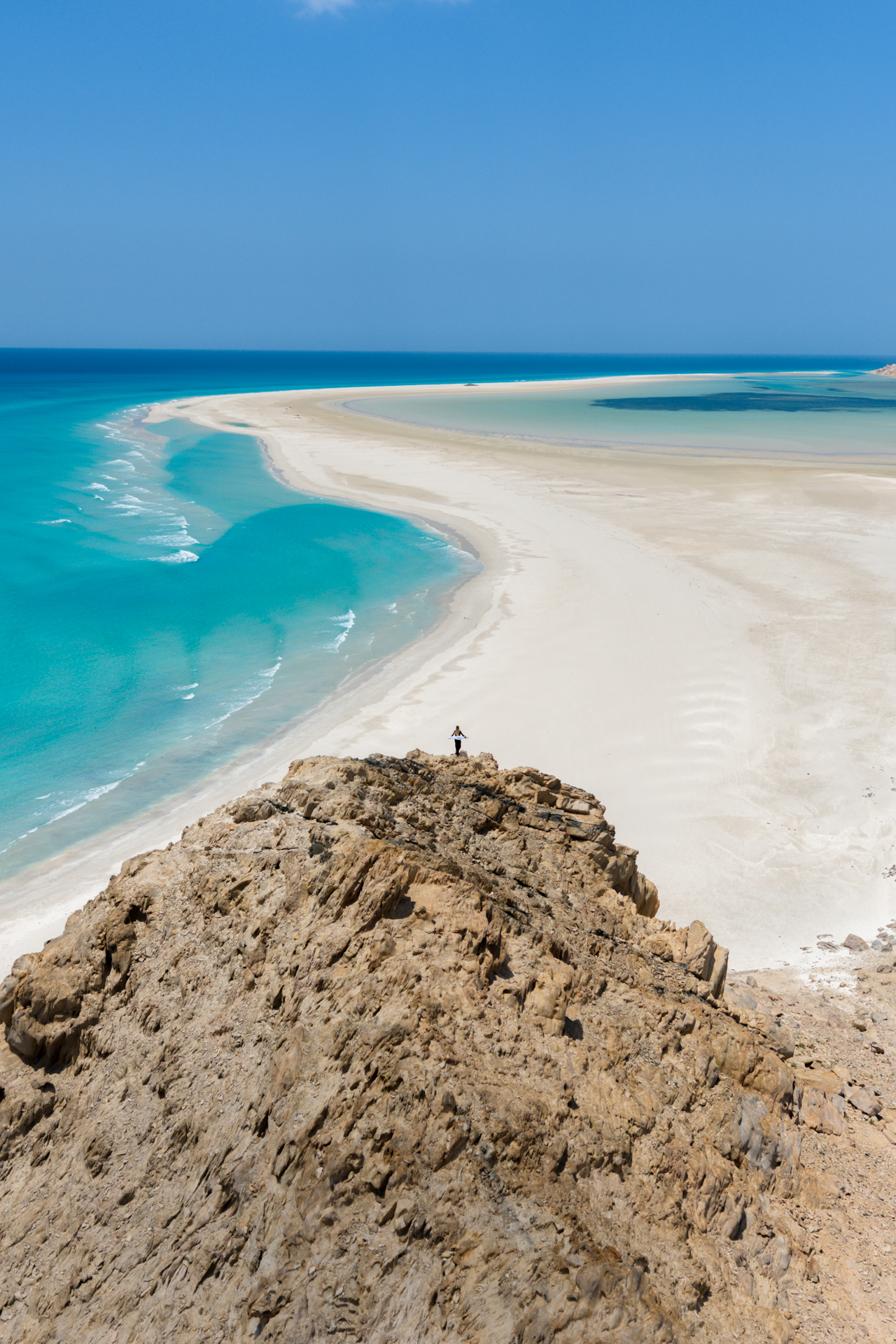
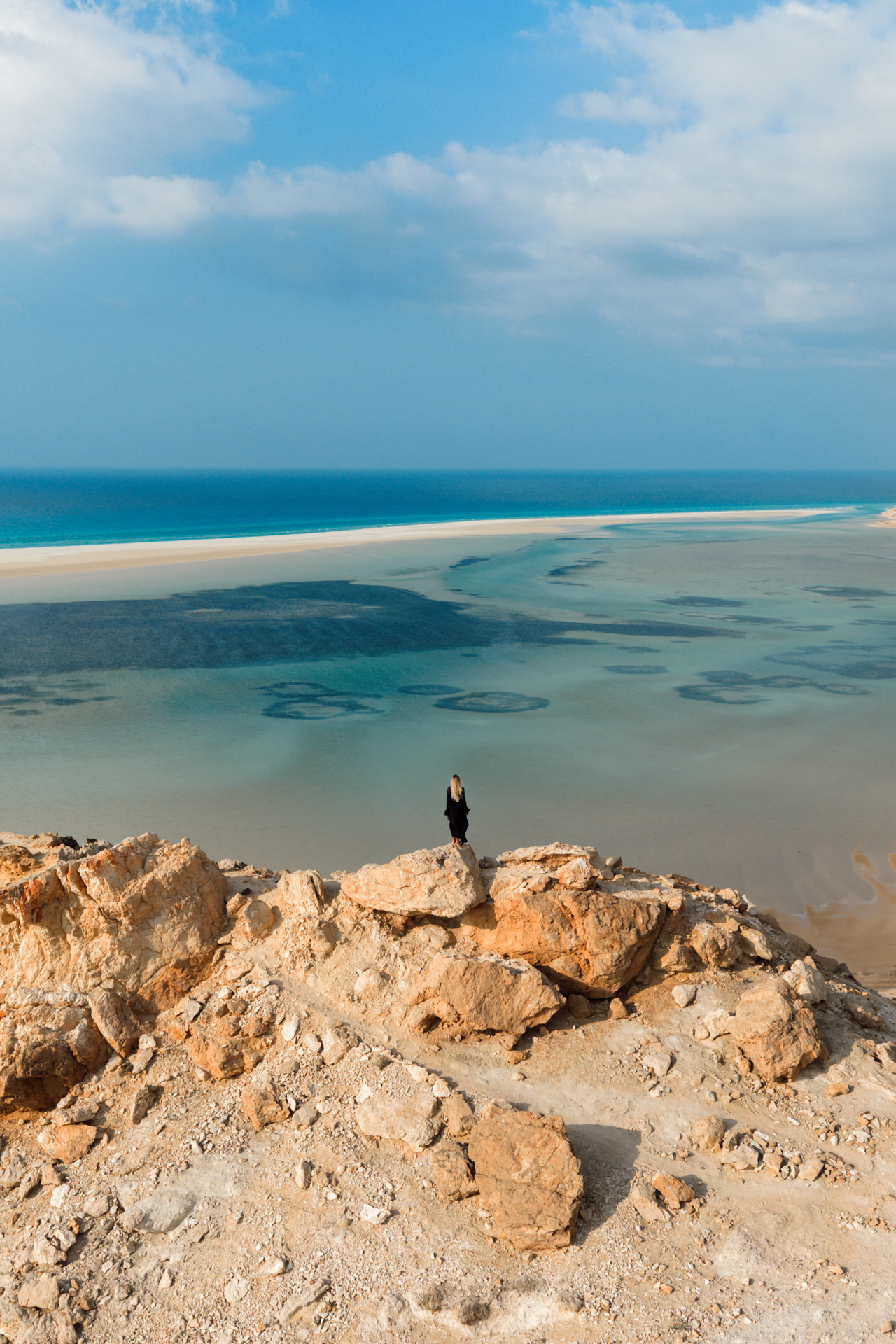
Detwah Lagoon is one of those places that stops you in your tracks. It was the first stop on our itinerary. Tucked along the northwest coast near the fishing town of Qalansiyah, the lagoon glows in shades of turquoise and emerald depending on the light.
The water is shallow enough to wander through and crystal clear, making it perfect for swimming and snorkeling. White sand dunes frame one side while dramatic mountains rise on the other, and the whole scene feels completely untouched. We set up our first basecamp right here and honestly, it was hard to leave.

The lagoon is a protected marine area with rich biodiversity. Keep an eye out for stingrays gliding through the shallows and crabs scurrying across the sand at low tide.
2. Meet the Famous Cave Man
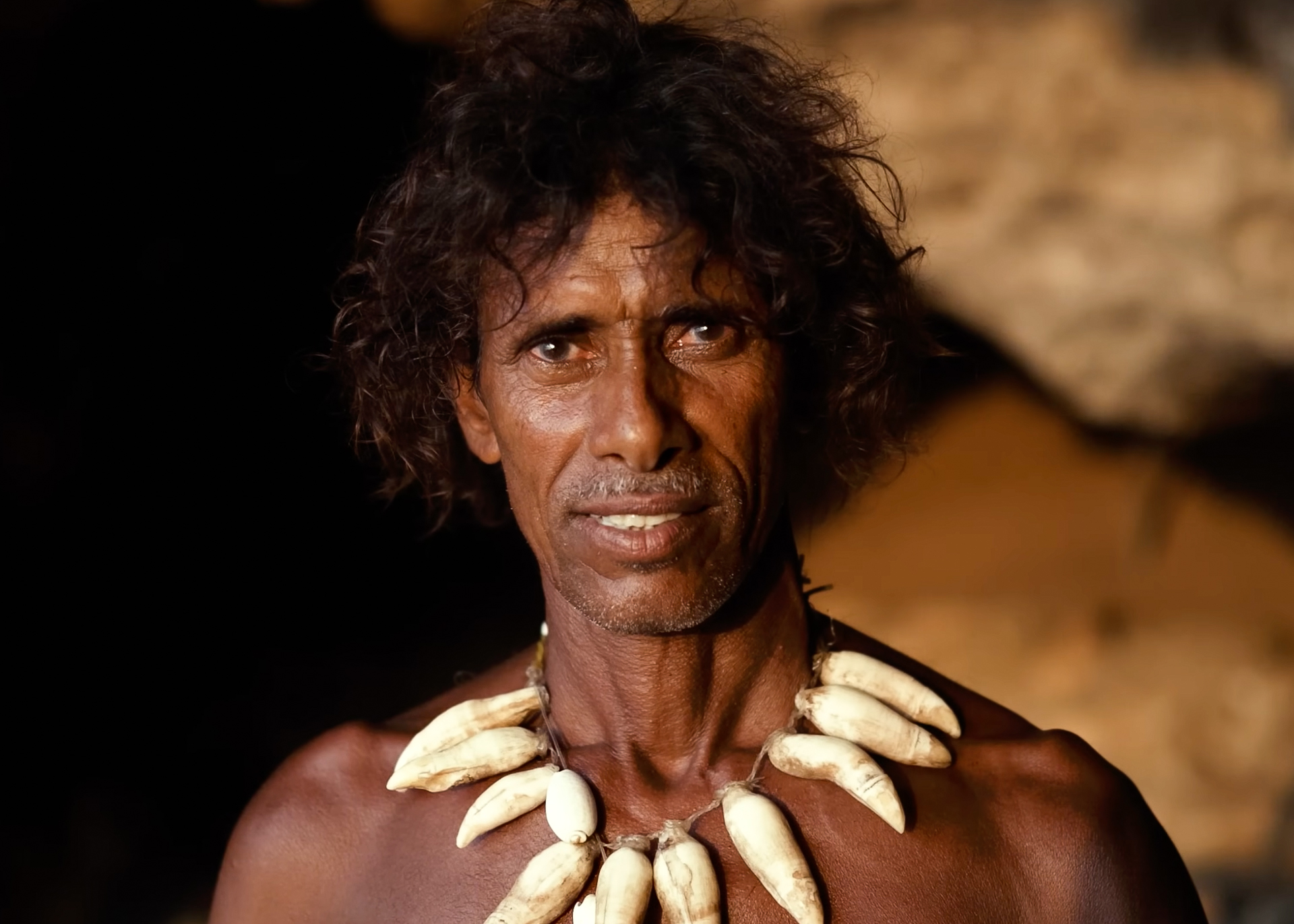
One of the most memorable encounters on Socotra is meeting Abdullah, the legendary Cave Man of the island. He is over 60 years old and has spent most of his life living in a cave overlooking Detwah Lagoon.
His cave entrance is decorated with large whale ribs and mandibles, and he welcomes visitors with open arms. Abdullah is a fisherman and shepherd who chose this simple life over moving to the nearby town of Qalansiyah. Sharing a cup of tea with him while looking out over the turquoise lagoon and talking about his life is one of those travel moments you never forget.
Abdullah is known for preparing fresh seafood for visitors right at his cave. If you are lucky, he might invite you for a meal. Bring a small gift as a gesture of appreciation if you want.
3. Take a Boat Tour at Shoab Coast
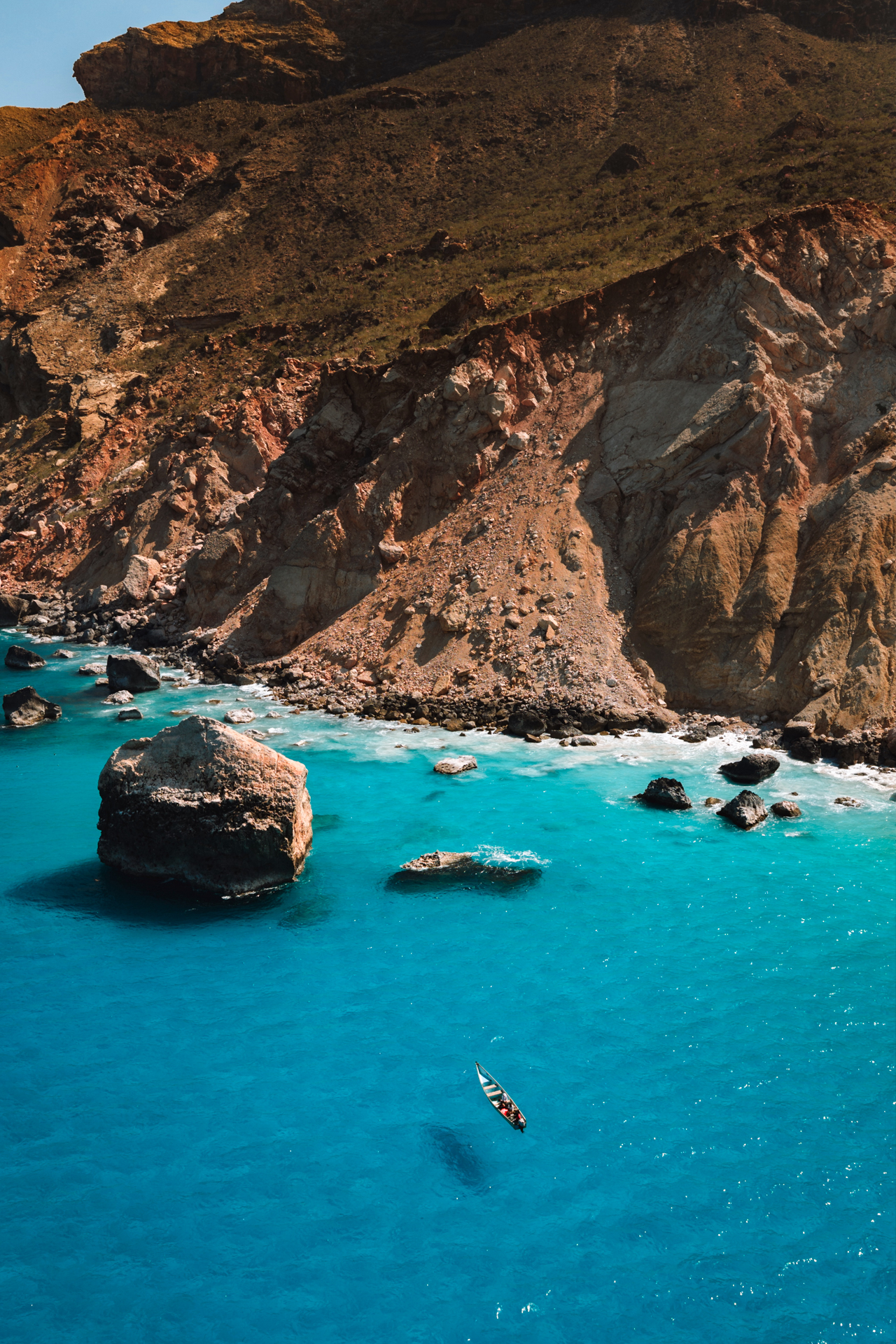
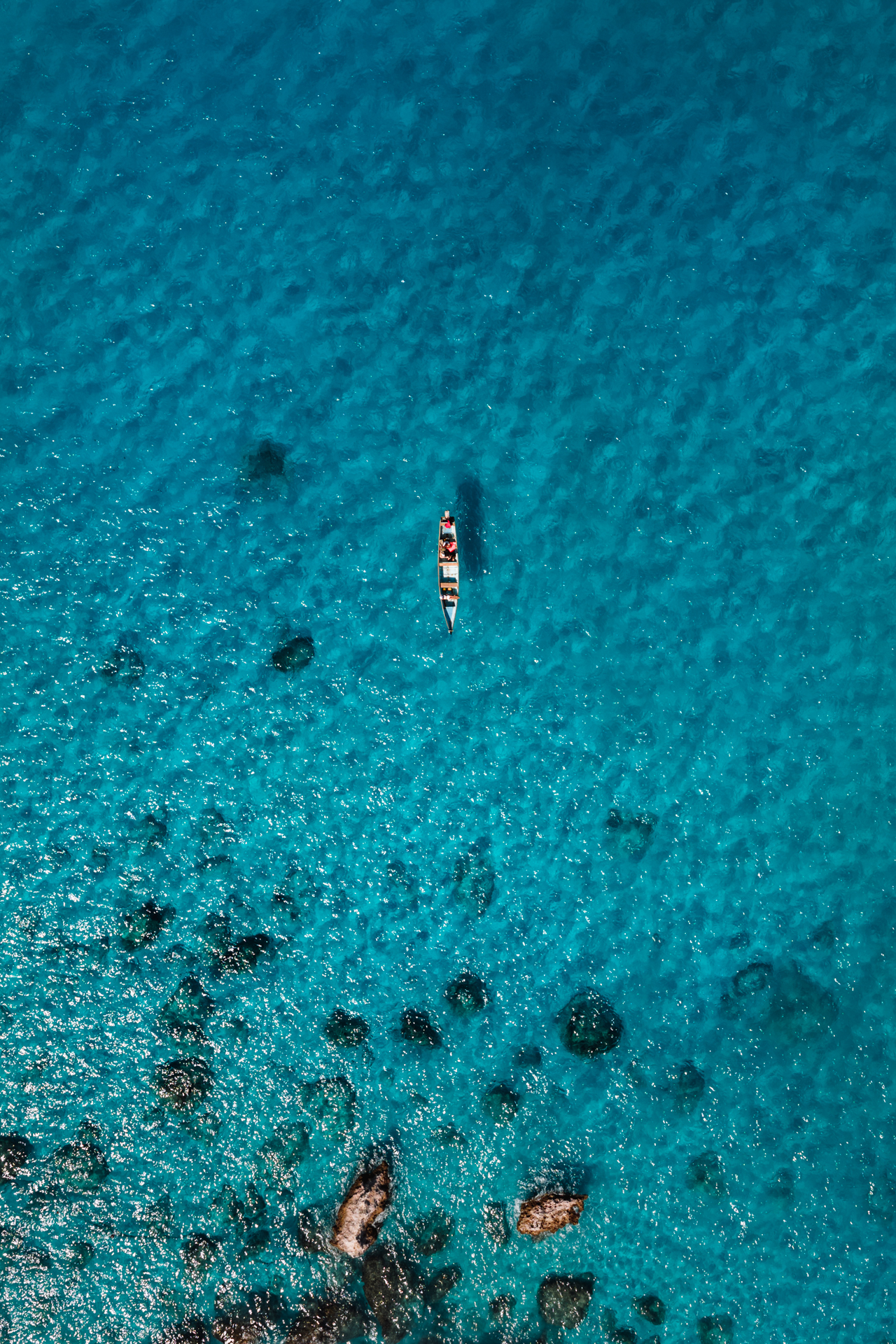
The boat ride from Qalansiyah to Shoab Beach is an adventure in itself. As you cruise along the dramatic coastline, keep your eyes on the water because dolphins often swim alongside the boat. The rocky cliffs and turquoise sea create a stunning backdrop that makes the journey just as rewarding as the destination.
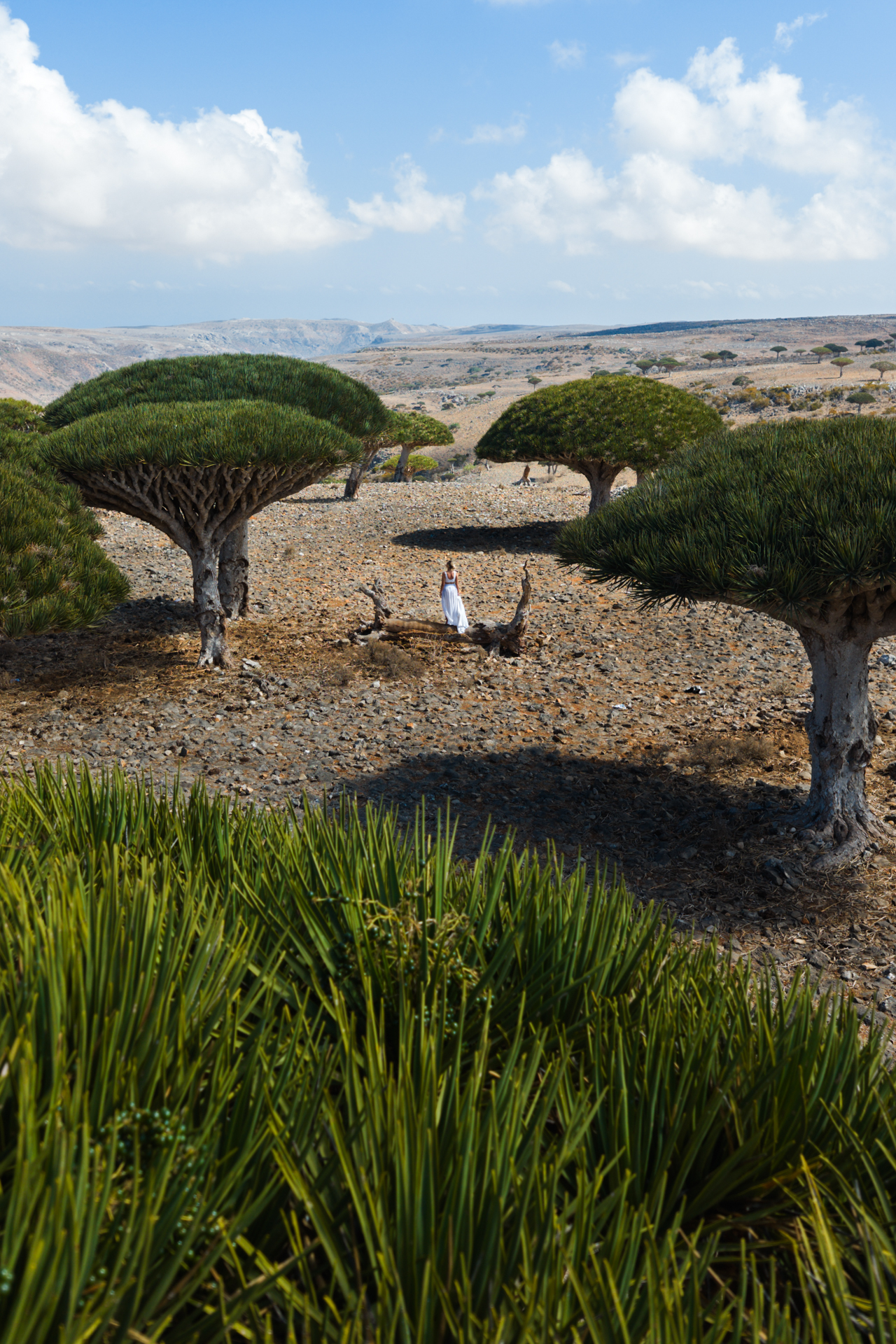
4. Walk Among the Dragon Blood Trees at Diksam Plateau
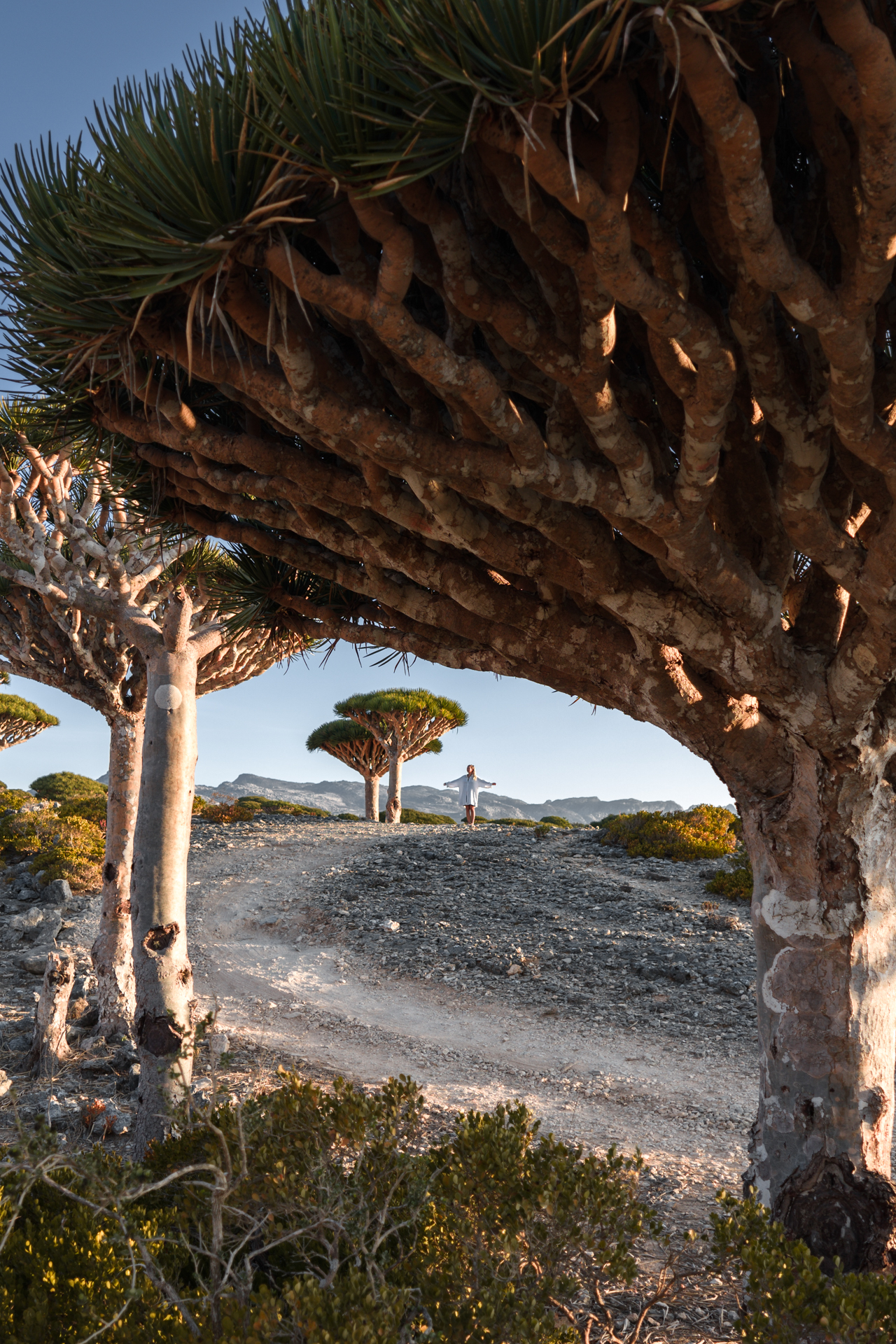
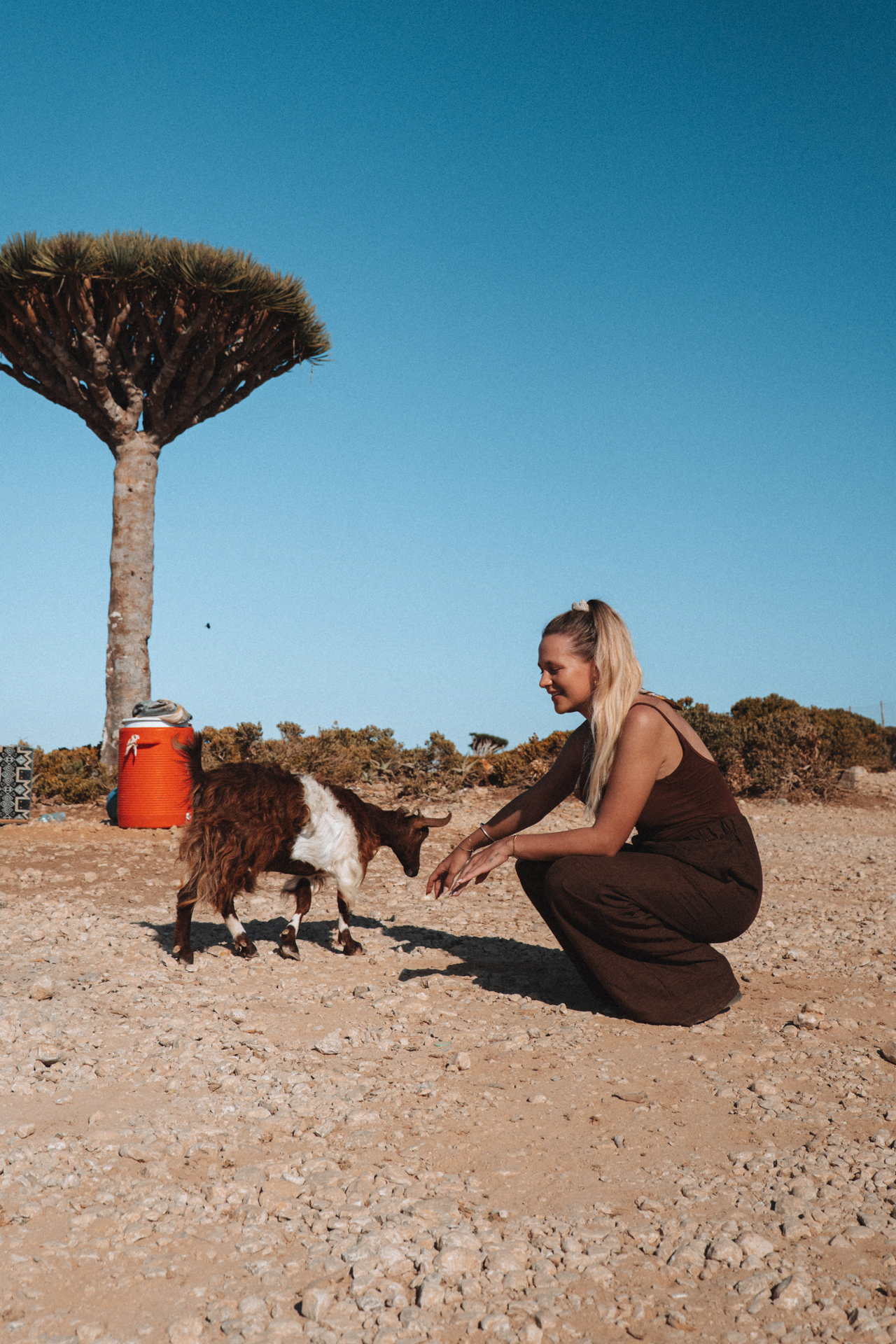
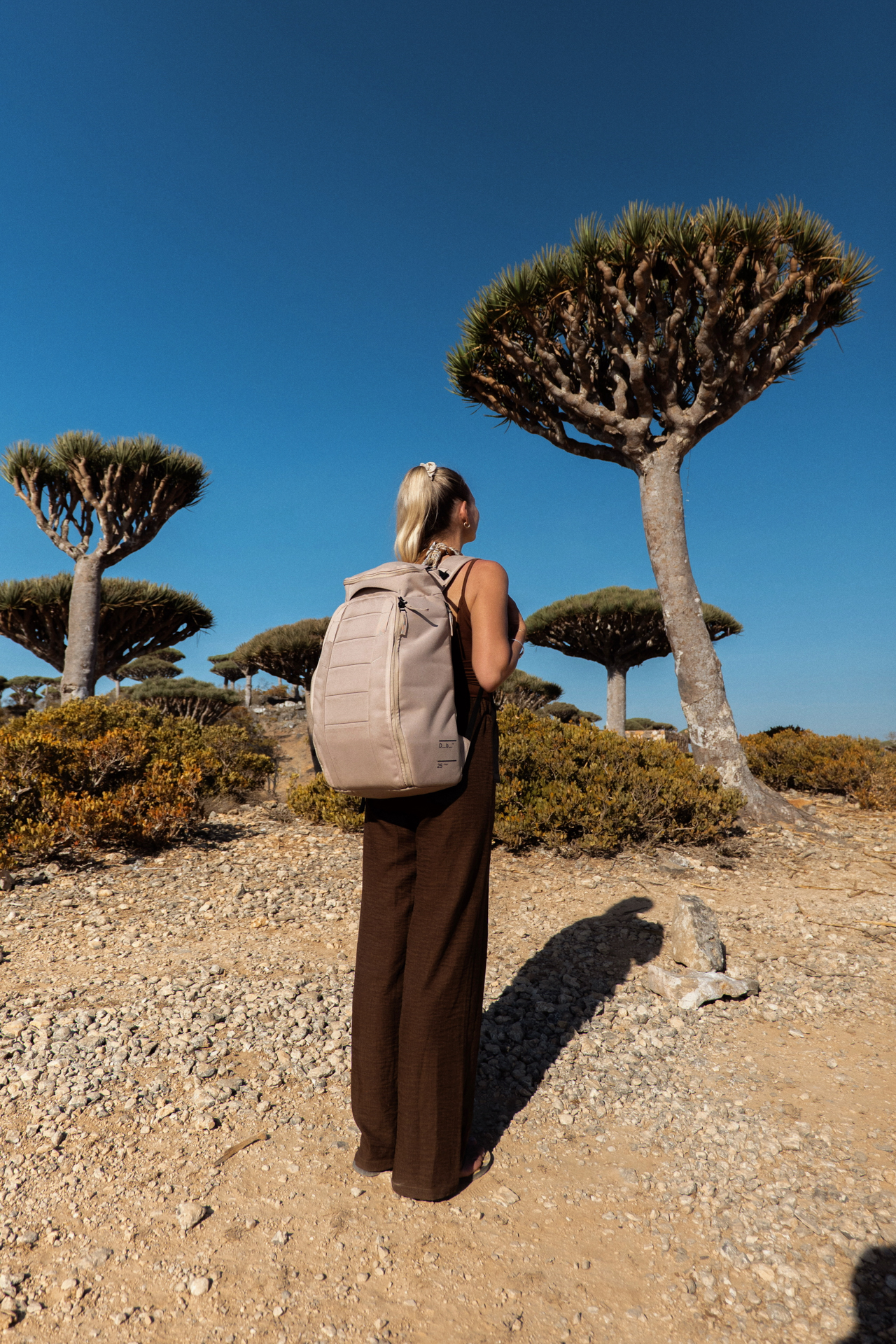
Nothing quite prepares you for seeing Dragon Blood Trees in person. These ancient, umbrella shaped trees are found nowhere else on Earth and have been growing on Socotra for millions of years.
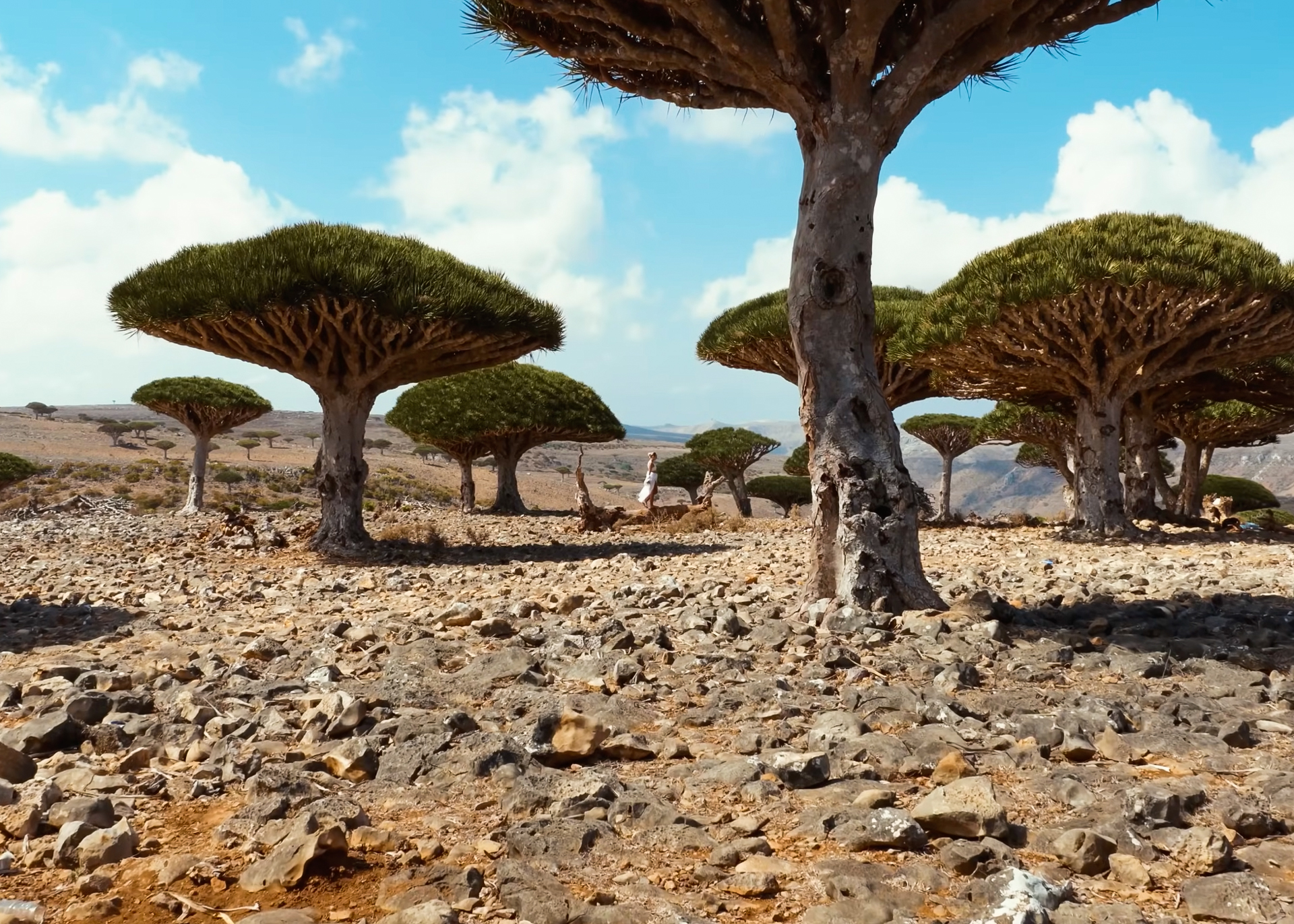
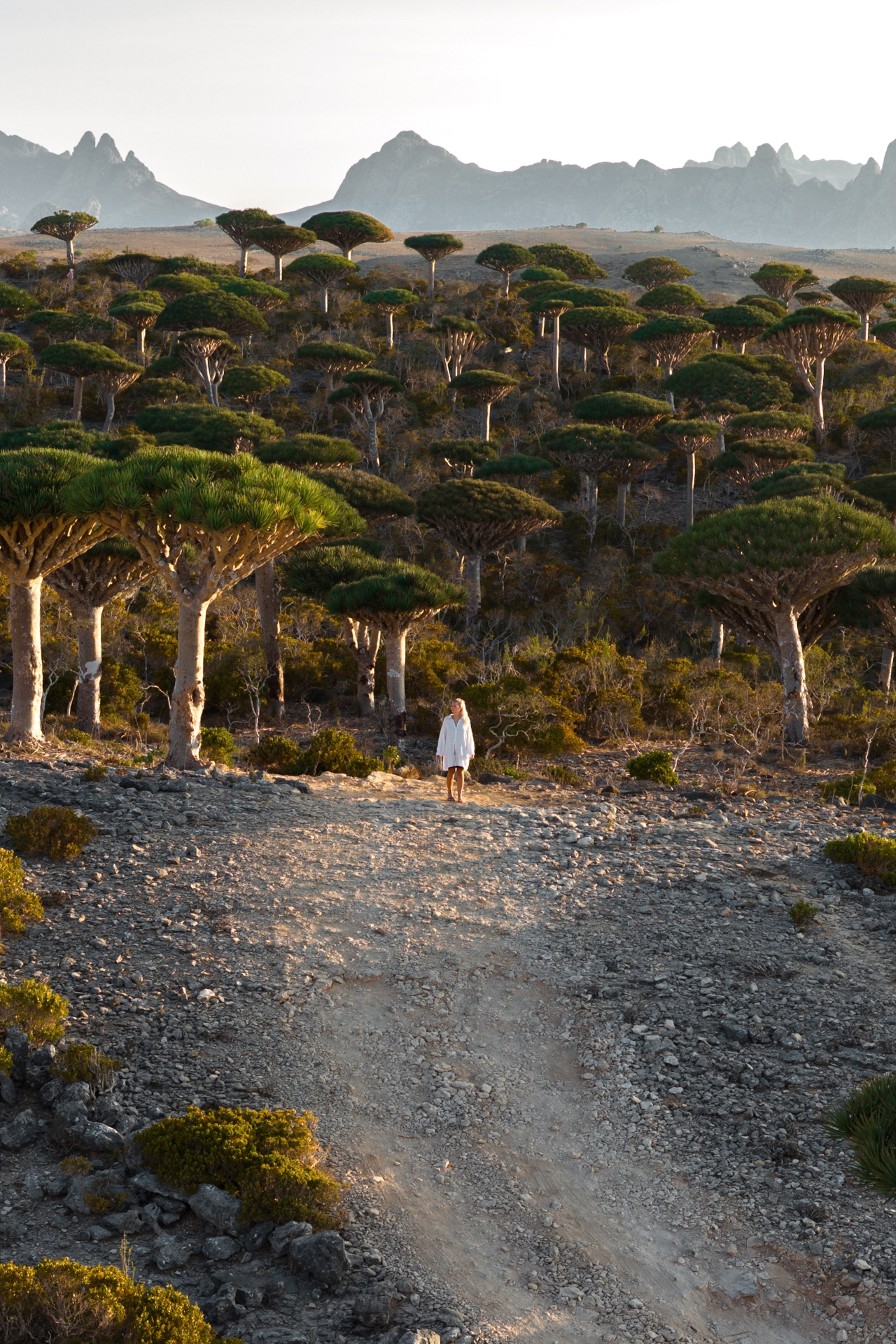
The Diksam Plateau in the center of the island has the highest concentration of them, and walking through this forest feels like stepping into a science fiction movie. The trees produce a deep red resin that has been used for centuries as medicine and dye, and you can often buy some from local children at the trailhead.
The Dragon Blood Trees grow at altitudes above 800 meters and collect moisture from the fog and mist through their unique canopy shape.

5. Camp in the Firmihin Forest
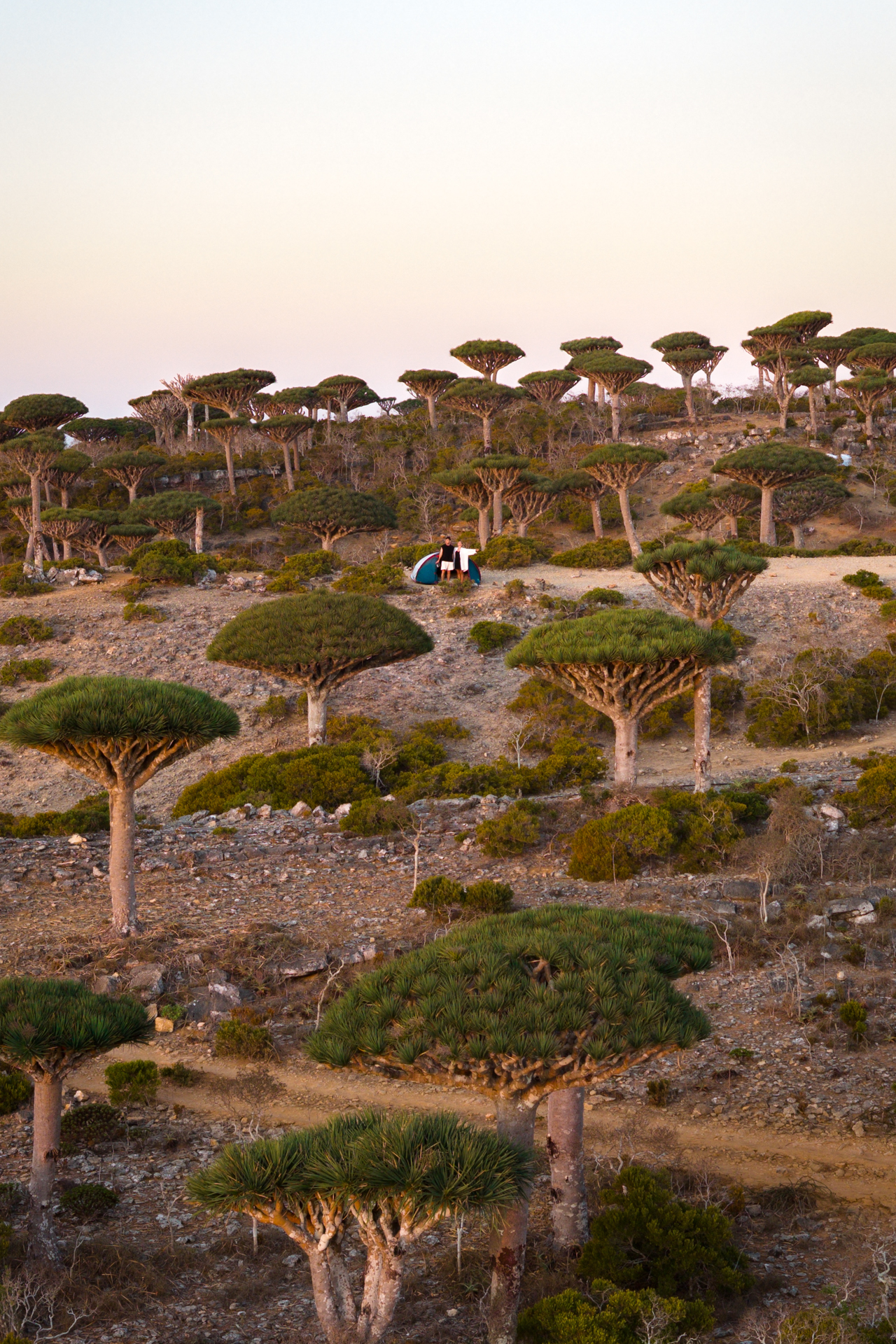
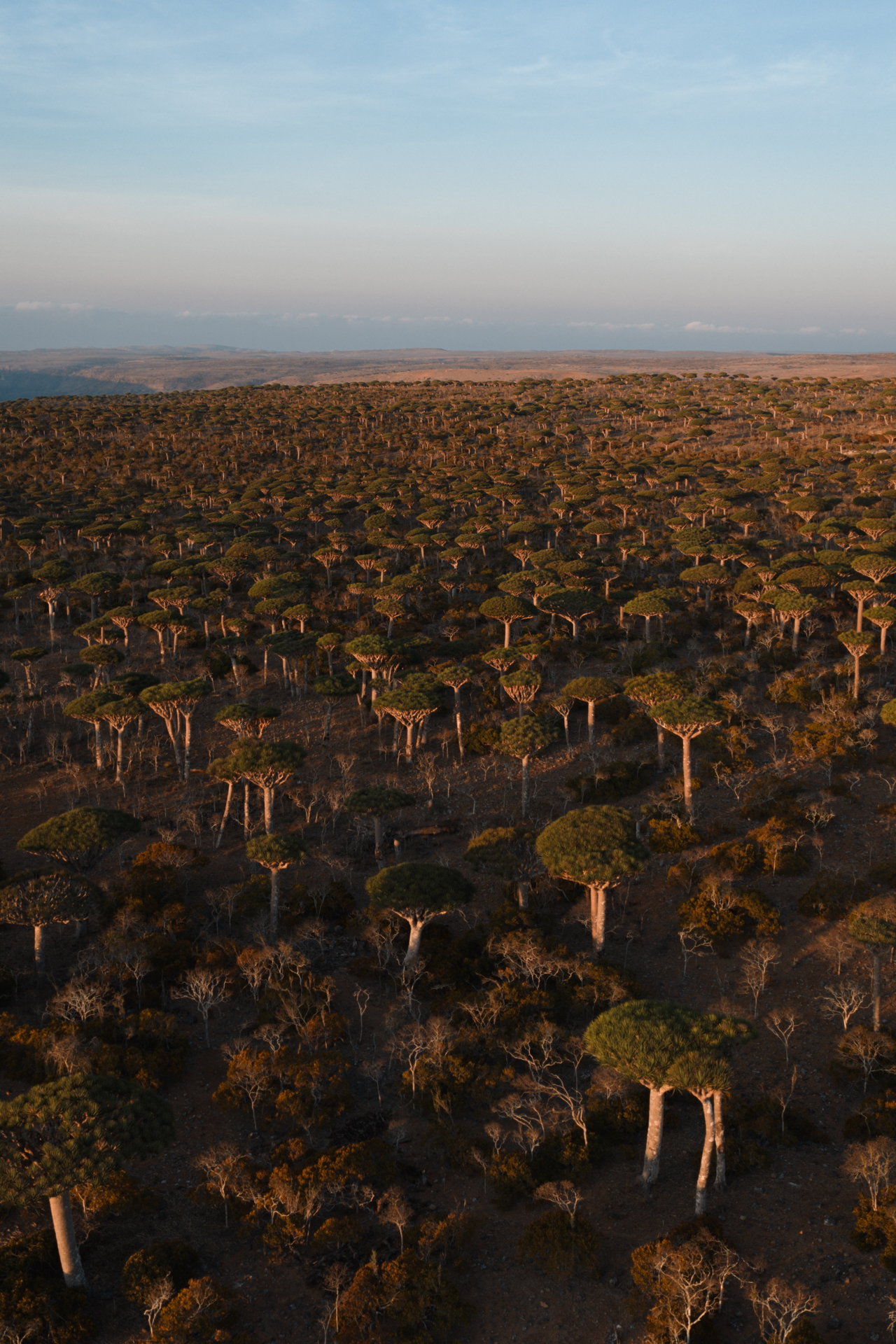
If the Diksam Plateau gives you a taste of Dragon Blood Trees, then Firmihin Forest is the full experience. This is the largest and densest concentration of these iconic trees on the entire island, and camping here overnight is something truly special.
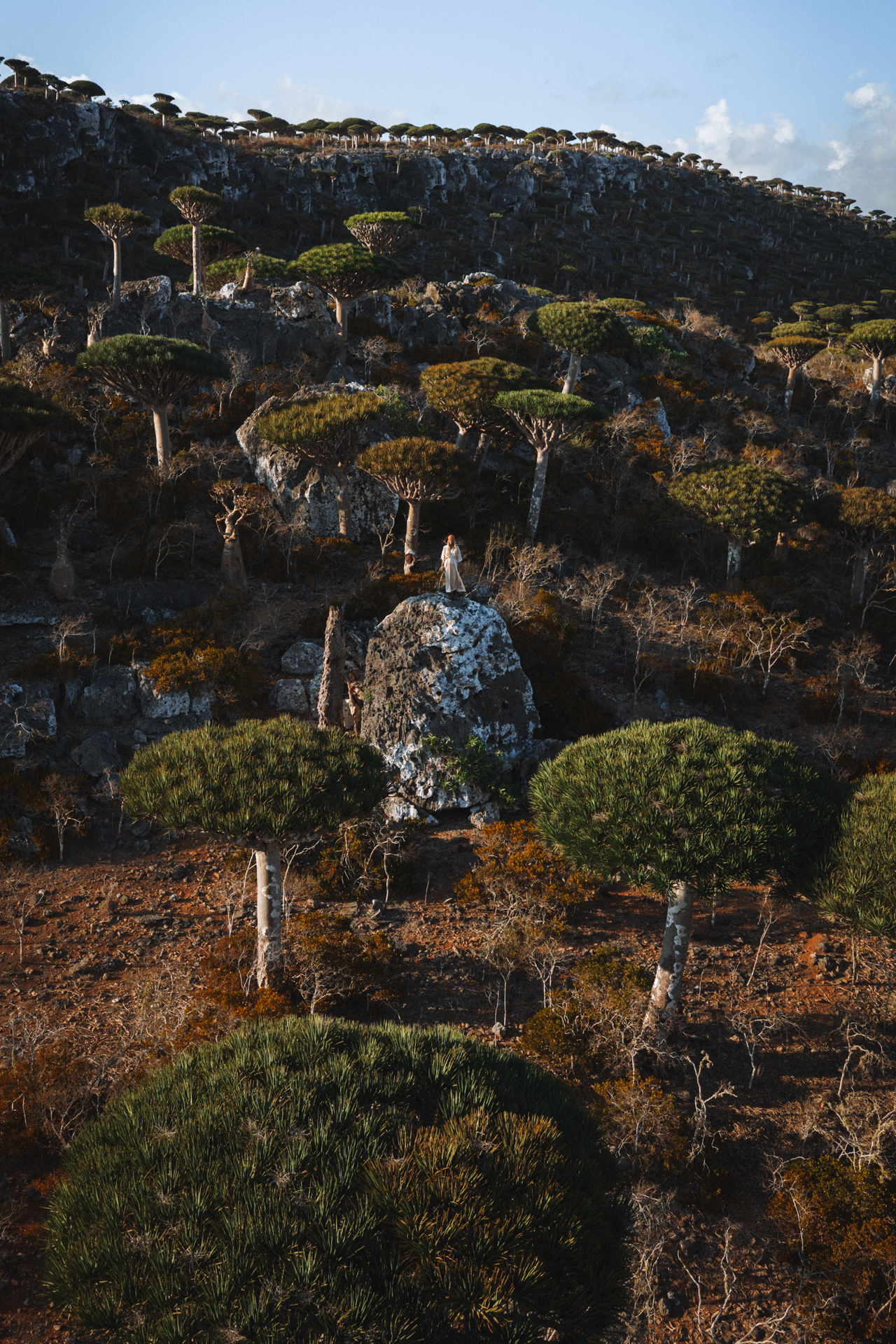

As the sun sets, the twisted silhouettes of the trees against the sky create an otherworldly atmosphere. Once night falls, the stars above are absolutely incredible with zero light pollution. Waking up surrounded by these ancient trees with the morning mist rolling in is pure magic.
Bring a warm layer for the evening. Firmihin sits at a higher elevation and temperatures drop noticeably after sunset. The stargazing here is some of the best you will ever experience.
6. Explore Dagub Cave
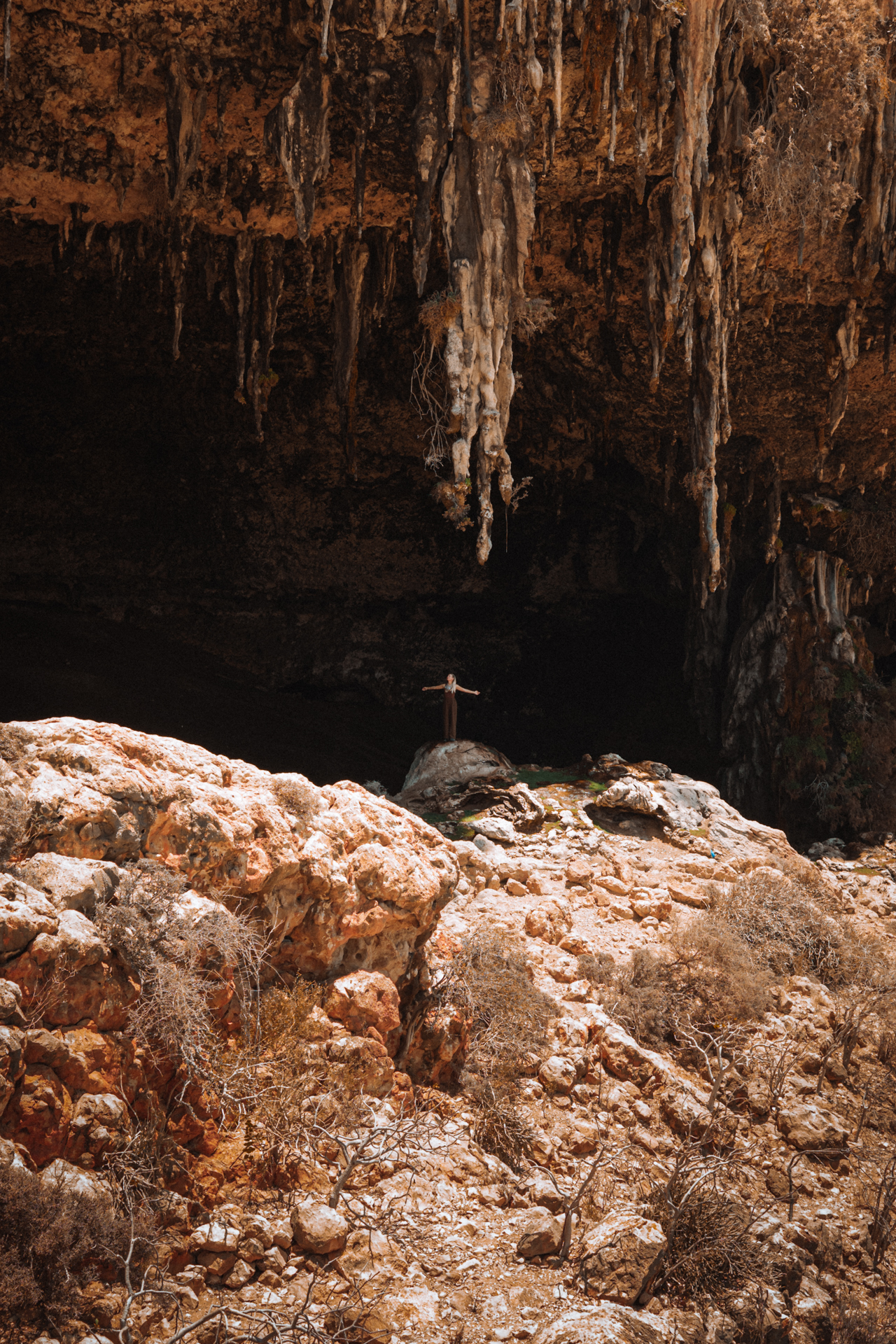
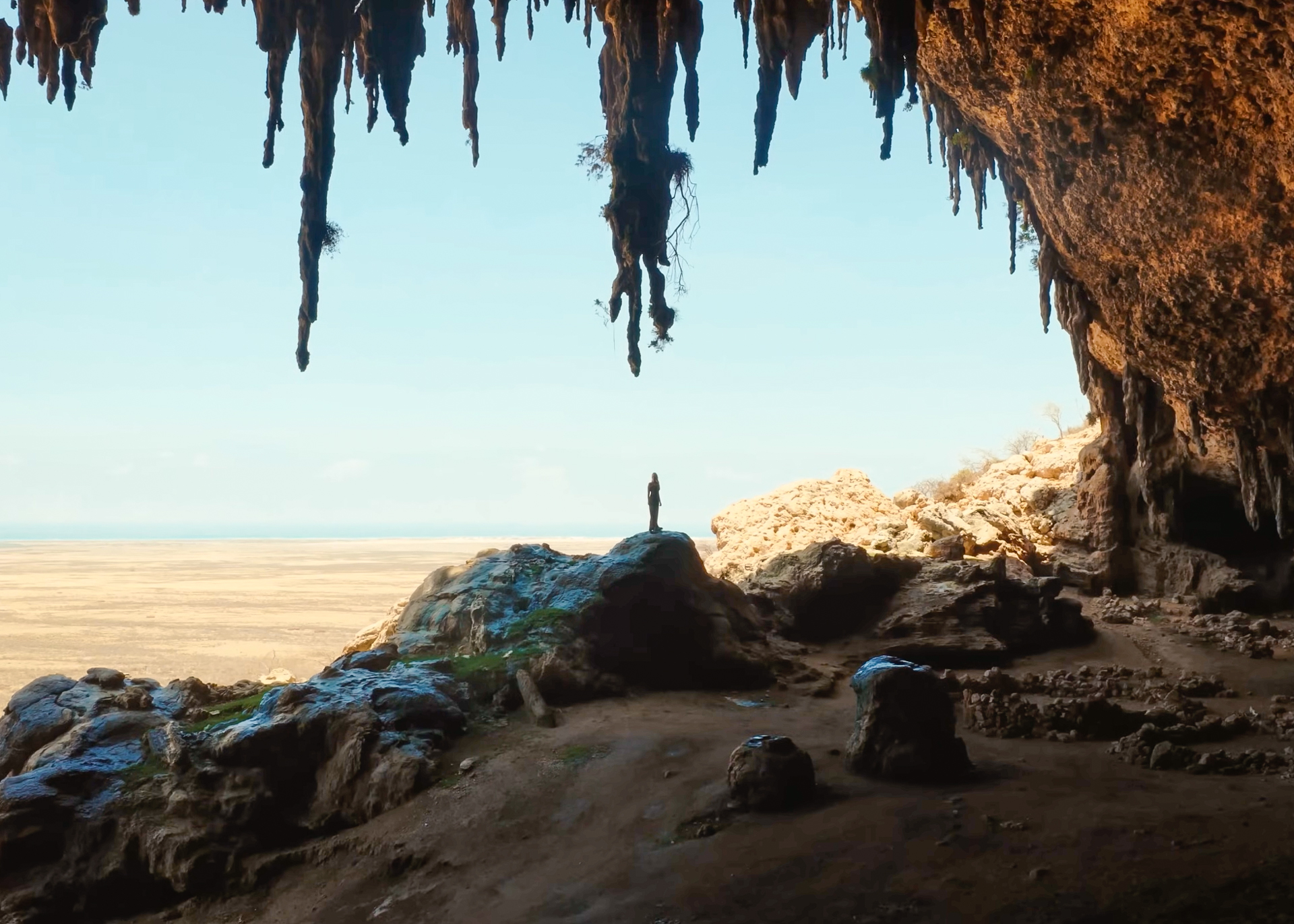
Located on the southern coast behind the Hayf and Zahek dunes, Dagub Cave is easy to reach and well worth a stop. The massive cave entrance frames an amazing view of the coastline below, and inside you will find stalactites, stalagmites, and a small freshwater basin. Bats and swifts make their home here, adding to the atmosphere.
If you enjoyed Dagub Cave, make sure to also visit Hoq Cave on the northeast side of the island. It is a much bigger cave, roughly 3 kilometers long, but reaching it requires a challenging 1.5 to 2 hour hike.
7. Wander the Zahek Dunes
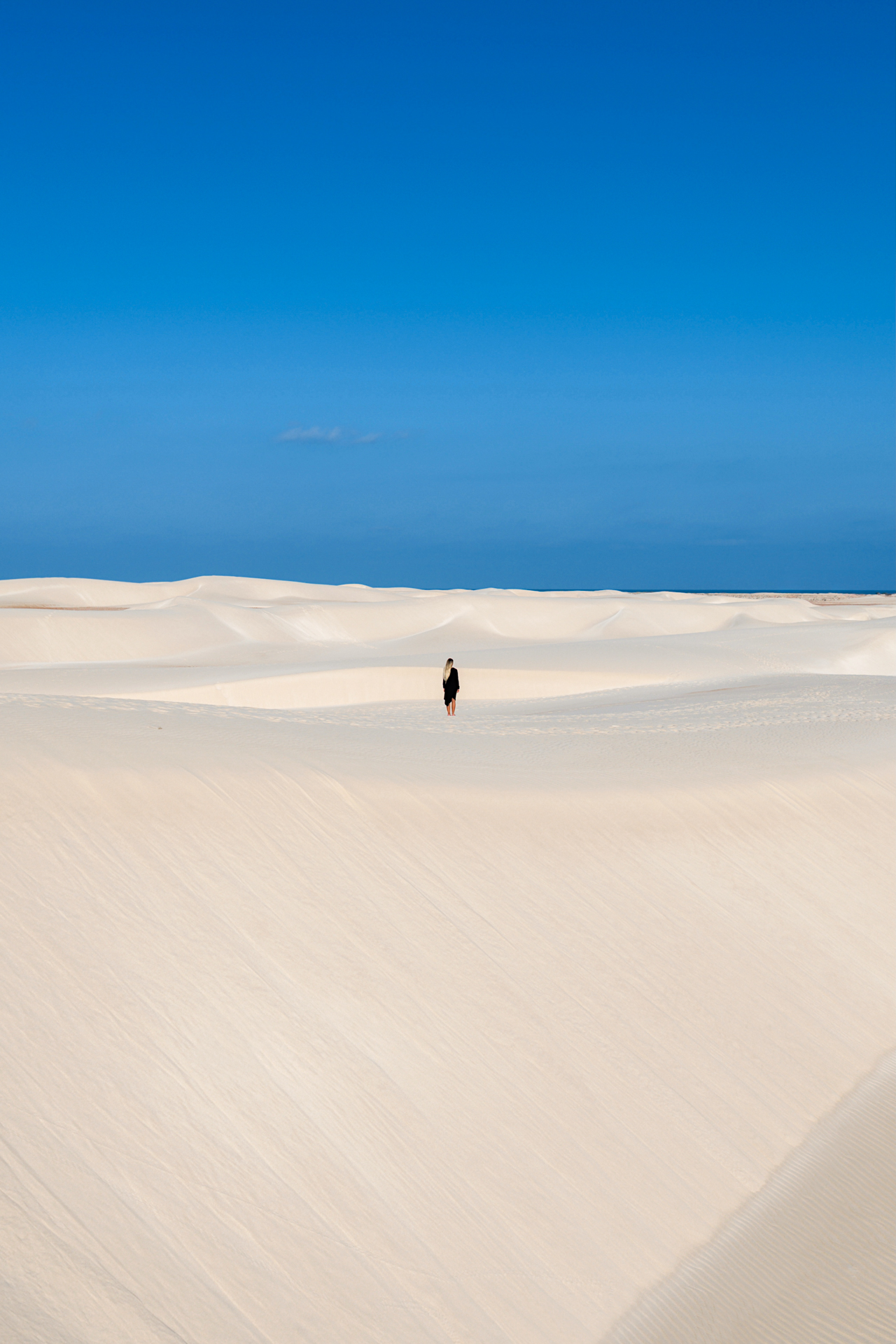
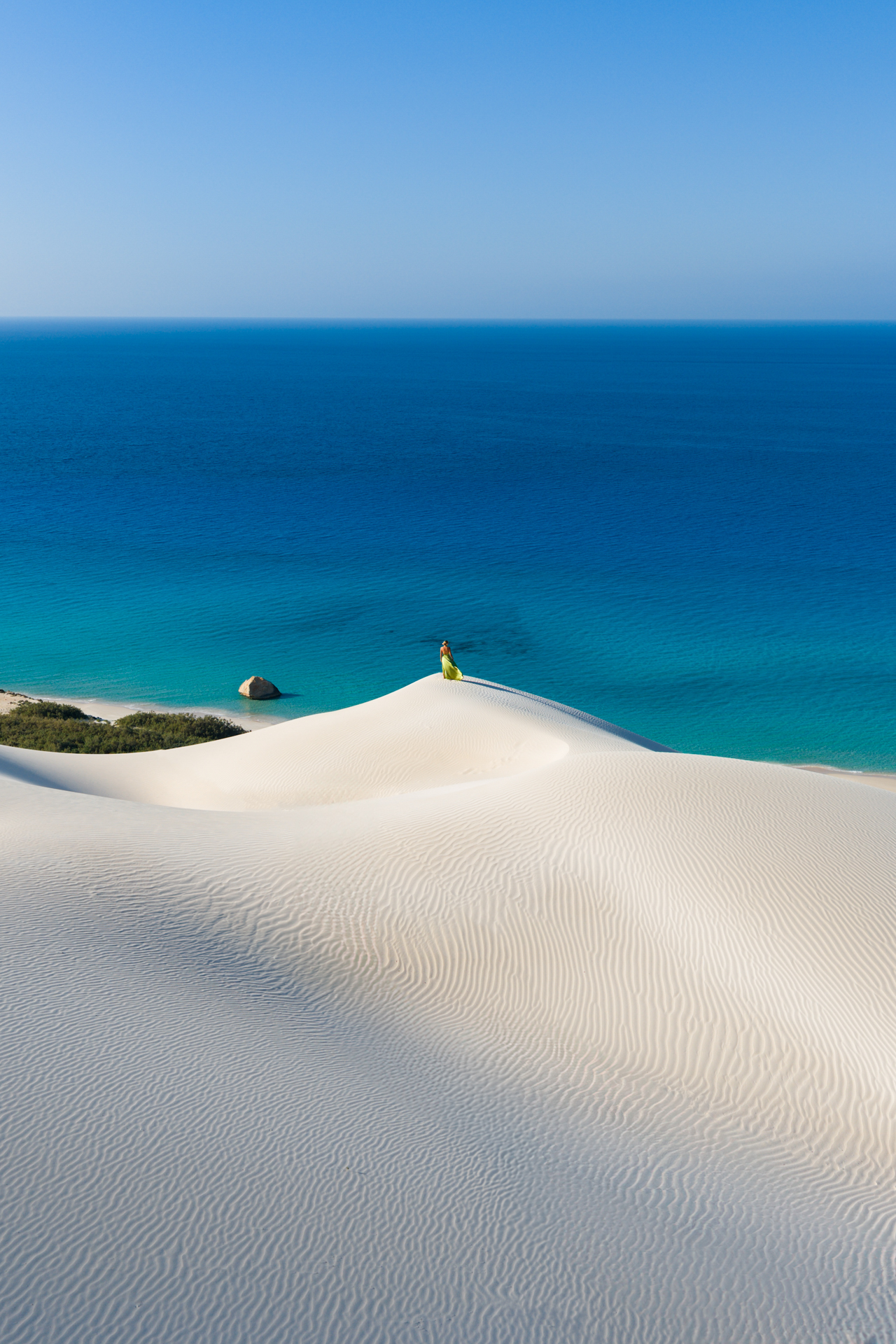
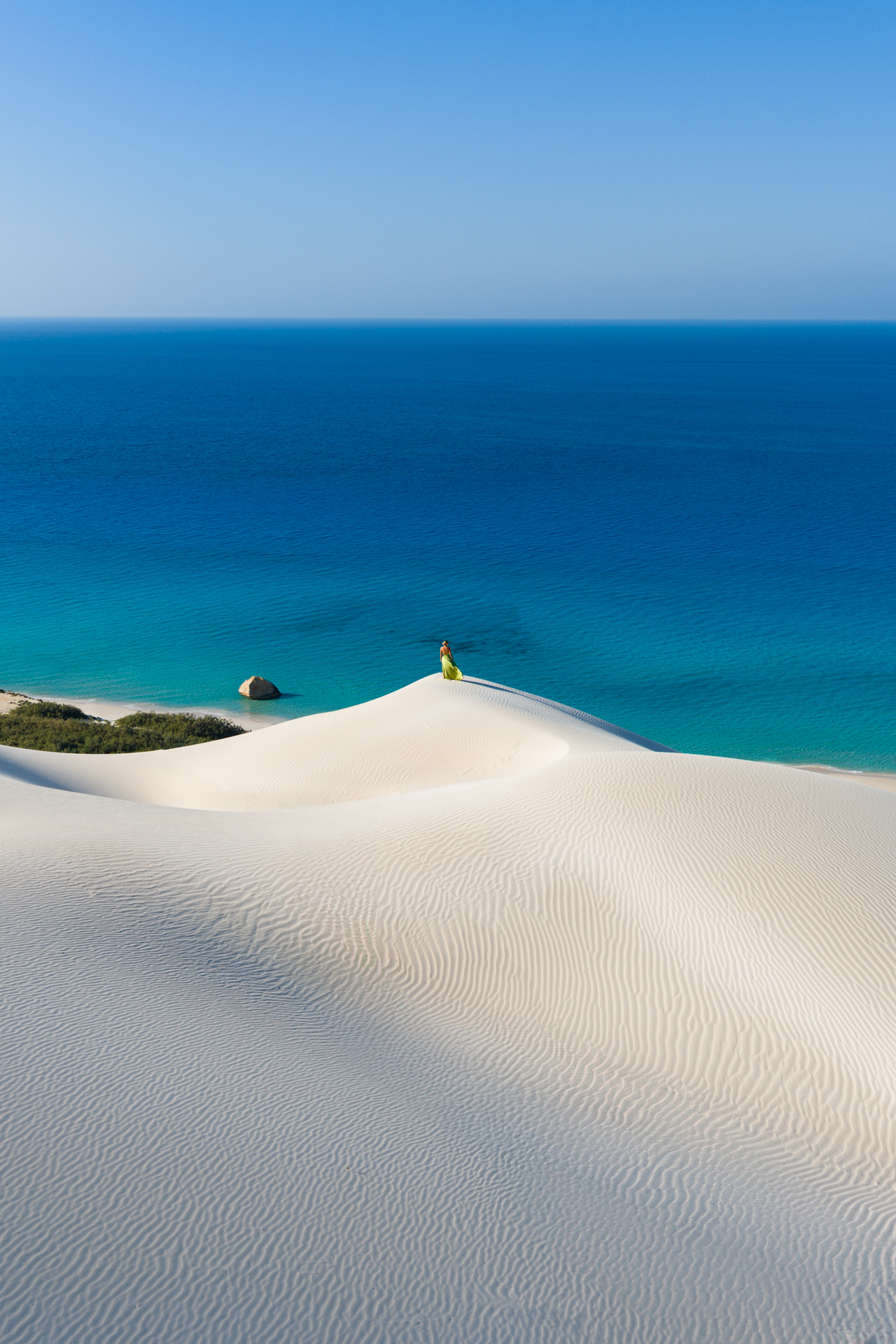
The Zahek sand dunes on the southern coast are a dramatic contrast of bright white sand against the deep blue Indian Ocean. These dunes are wider and more expansive than the Arher dunes on the northeast coast, and the views from the top, especially at sunrise or sunset, are absolutely breathtaking.
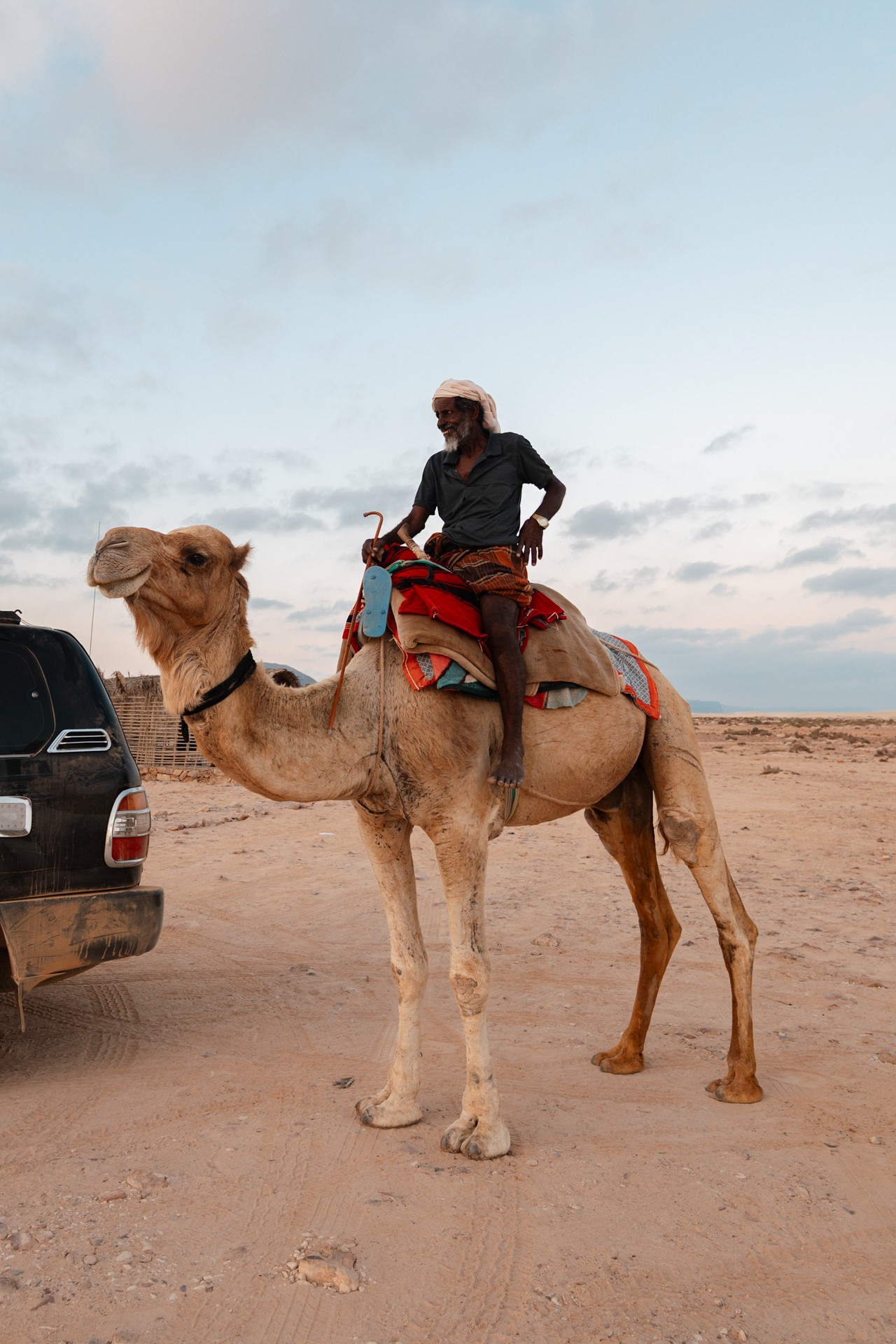
You can hike across the dunes or simply sit and watch the light change over the ocean. Our third basecamp was set up right here, and falling asleep in front of the dunes was unforgettable.
8. Take a Dip in the Natural Pools of Wadi Kalissan
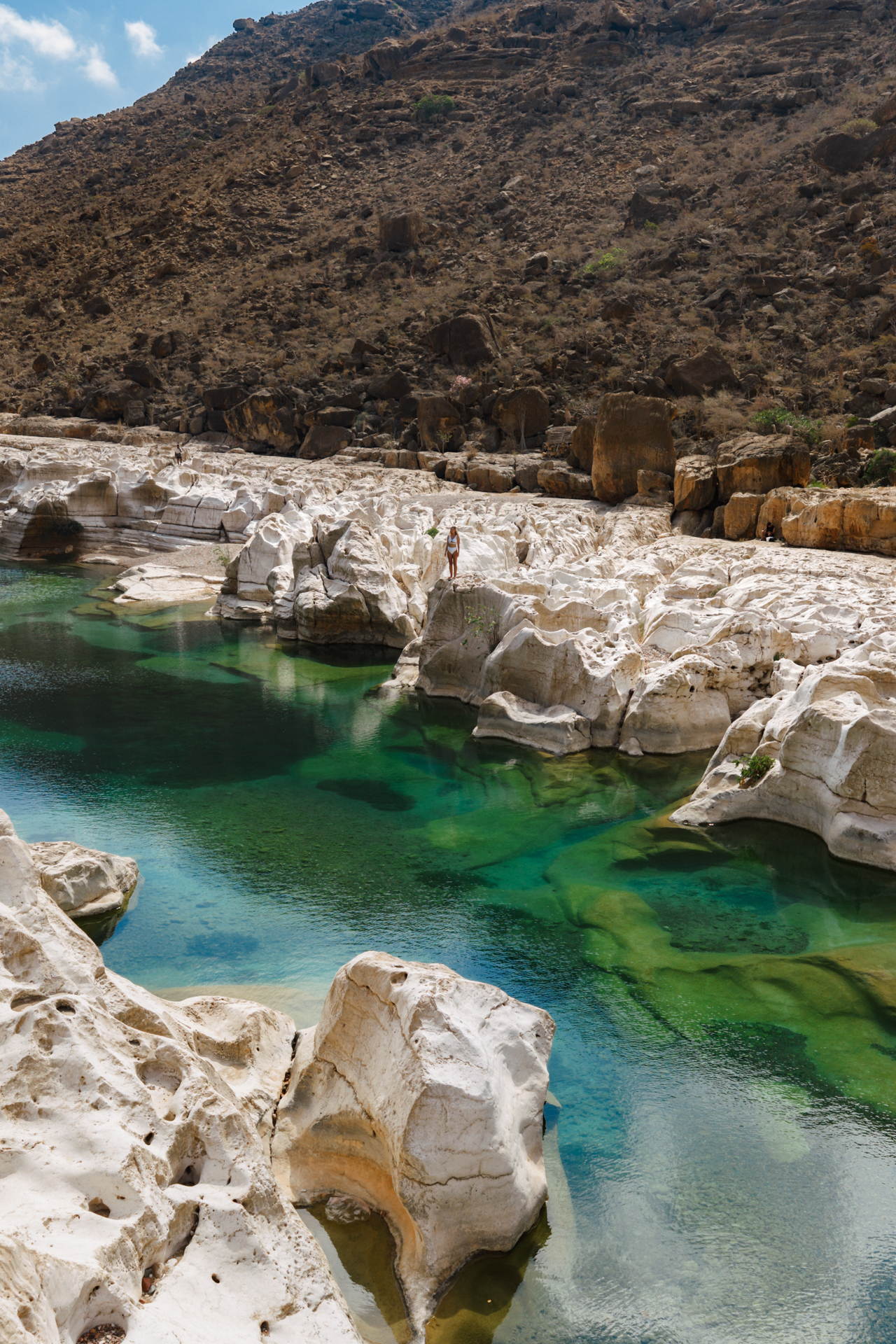
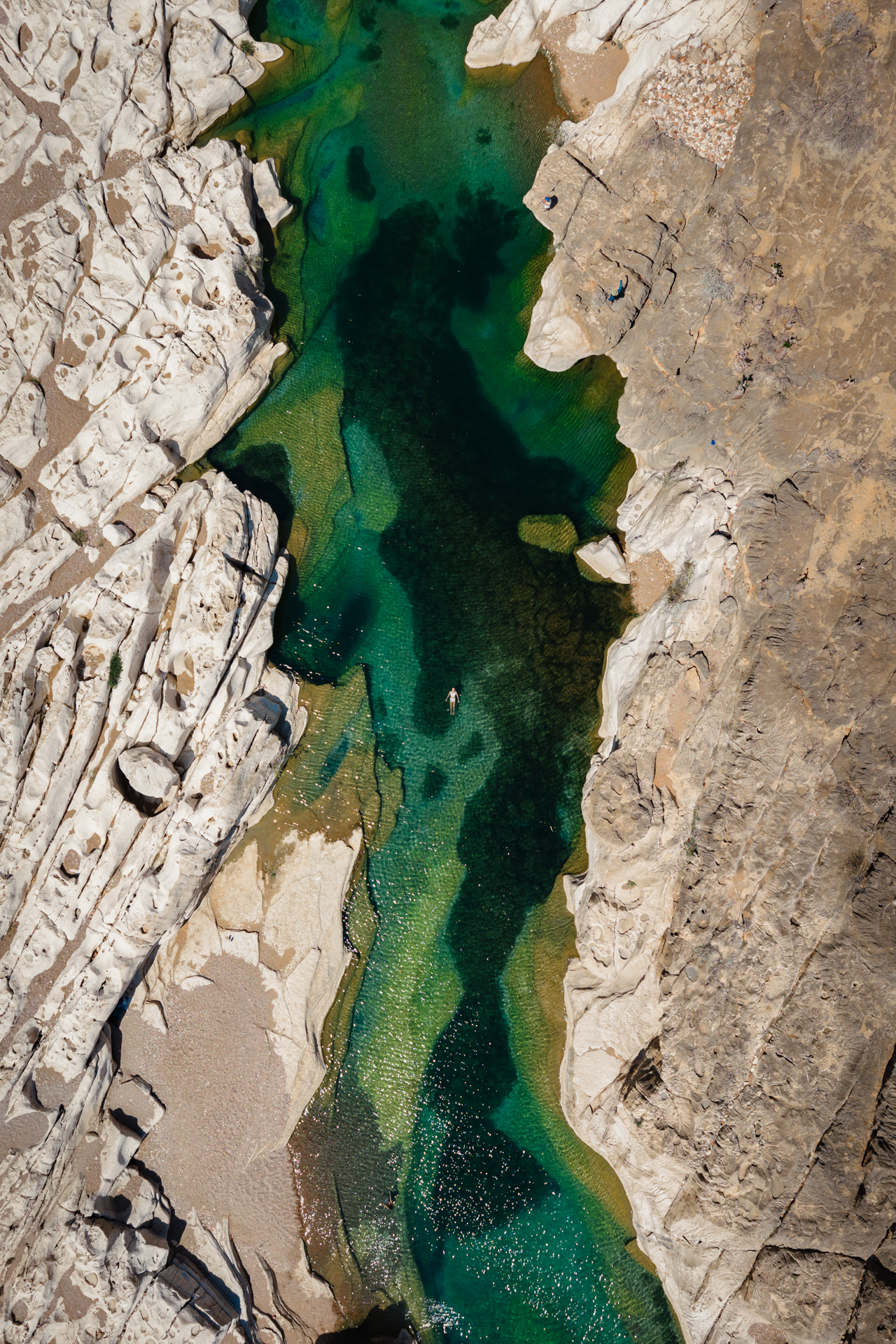
Wadi Kalissan is a hidden oasis tucked into a narrow canyon with lush green cliffs rising on either side. A series of natural pools filled with crystal clear, emerald green water invite you to jump in and cool off after a day of exploring.
The canyon walls create natural shade and the water is refreshingly cool. It is one of those magical spots where you feel completely disconnected from the outside world and fully present in the moment.
It does require a bit of a hike to get there, but it’s absolutely worth it. Once you arrive, you might see locals jumping from the cliffs and having a great time. It’s actually super fun to watch.
9. Watch the Sunrise or Sunset at the Arher Sand Dunes
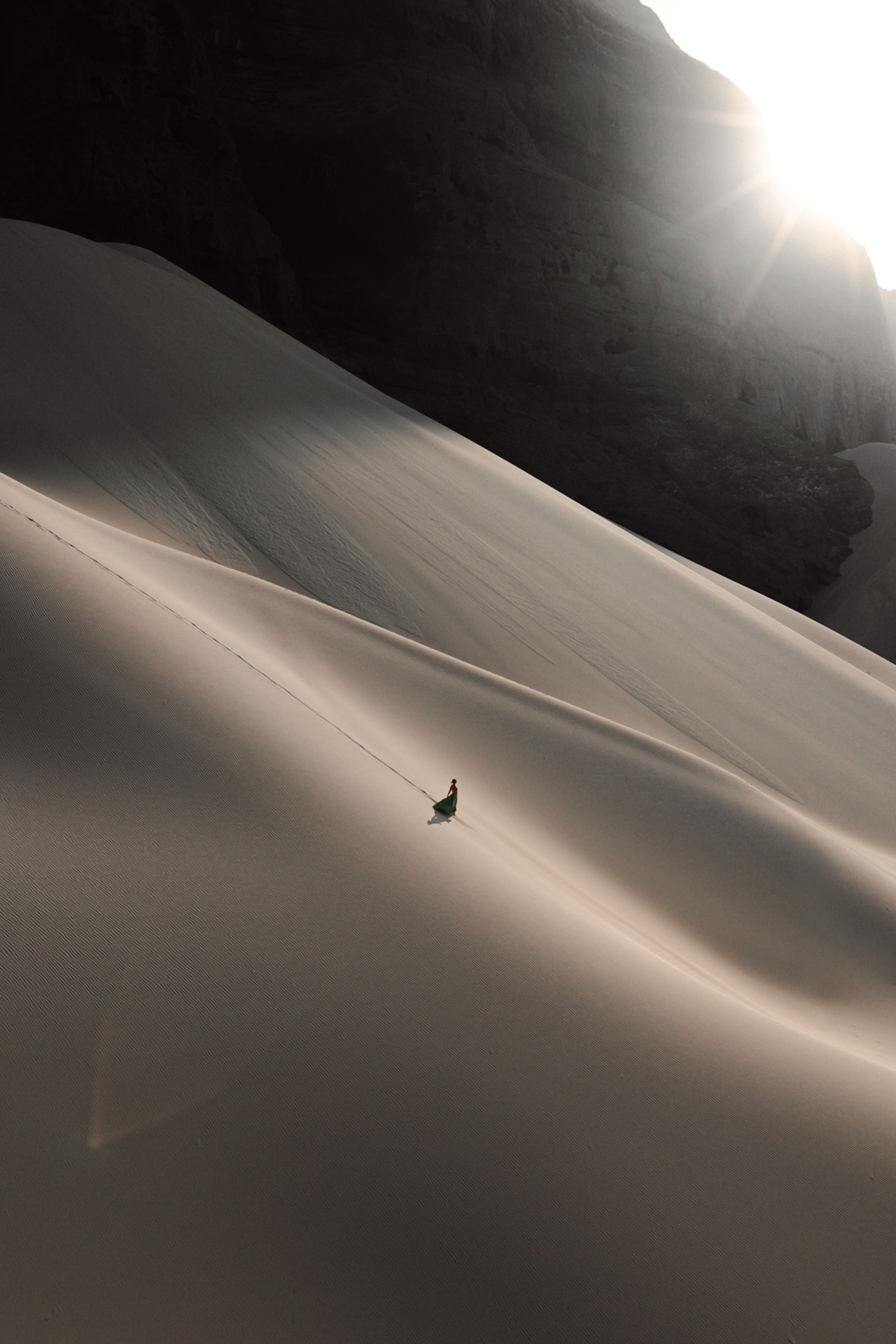
The Arher sand dunes on the northeast coast are among the most iconic landscapes on Socotra. Massive white dunes rise right from the beach where they meet the turquoise waters of the Arabian Sea.
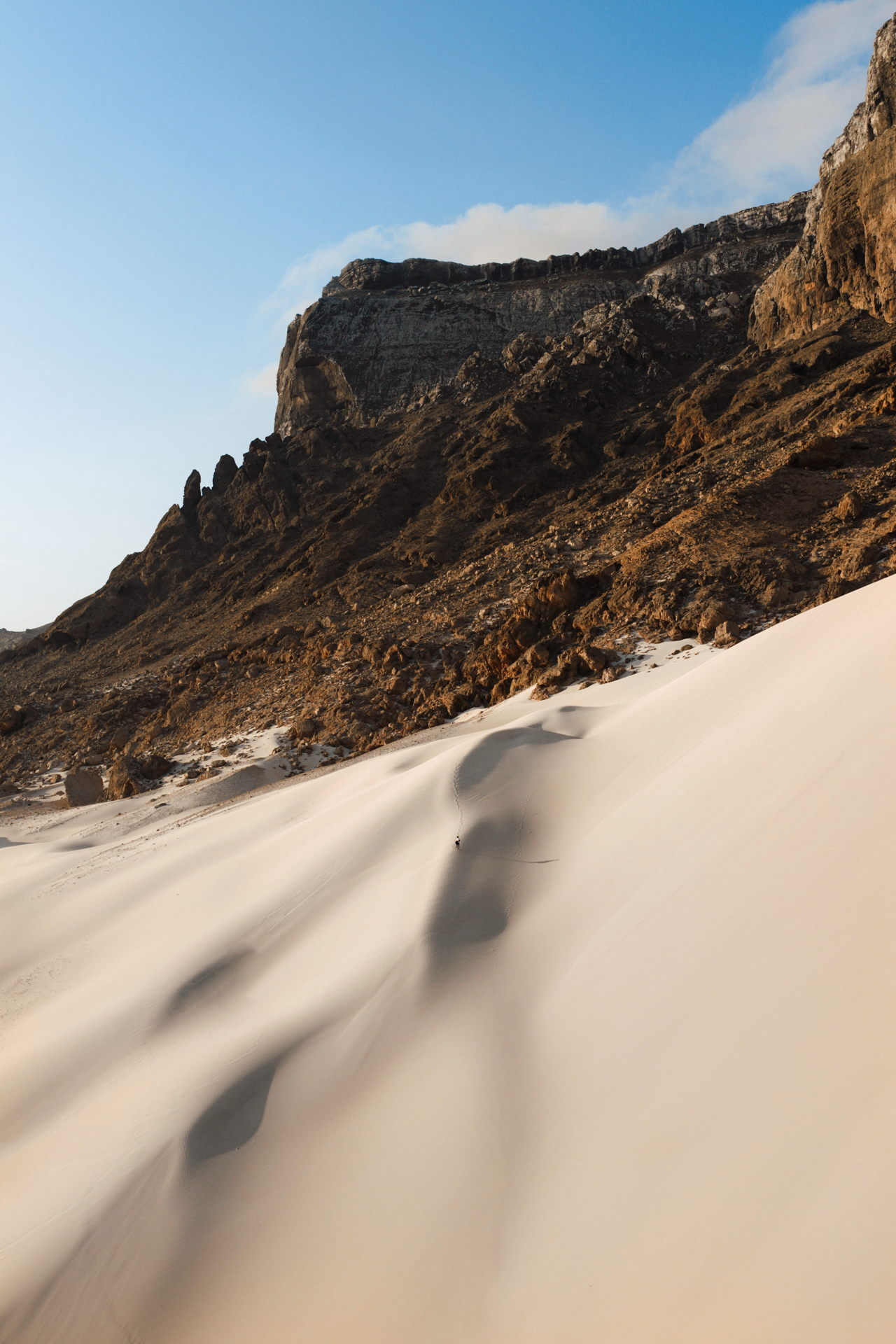

Whether you come for sunrise or sunset, the light here is extraordinary. The golden glow on the sand with the ocean stretching out behind it creates a scene that is hard to put into words. This was our fourth and final camping spot, and watching the sunset from the top of the dunes was the perfect way to end our Socotra adventure.
The climb up the towering dunes is super exhausting, with every step sinking into the soft sand, but the view from the top makes it completely worth the effort.
10. Explore Hadibo
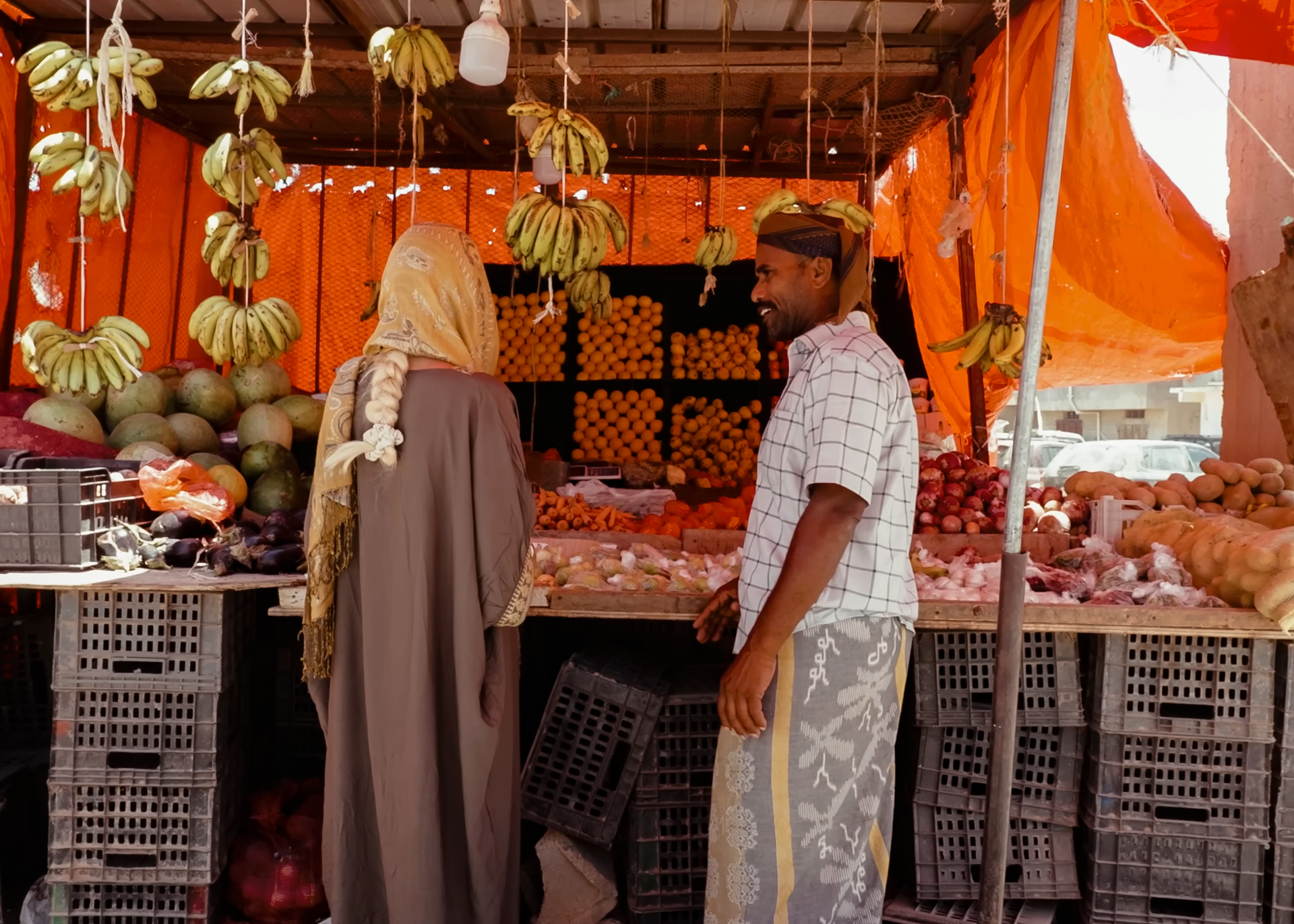
Socotra’s capital and largest town is where most trips begin or end. Hadibo may be small, but it has a charm of its own. The local market is a great place to pick up Socotri honey, frankincense, and Dragon Blood tree products.
Walking through the town gives you a glimpse into daily island life, and the waterfront area is pleasant for an evening stroll. On our last day, we stayed in a hotel here, which was a nice change after days of camping under the stars.
The local market in Hadibo is the best place to buy souvenirs and local products. Socotri honey is considered some of the finest in the world and makes a great gift to bring home.
Camping & Hotels
WHERE TO STAY IN SOCOTRA
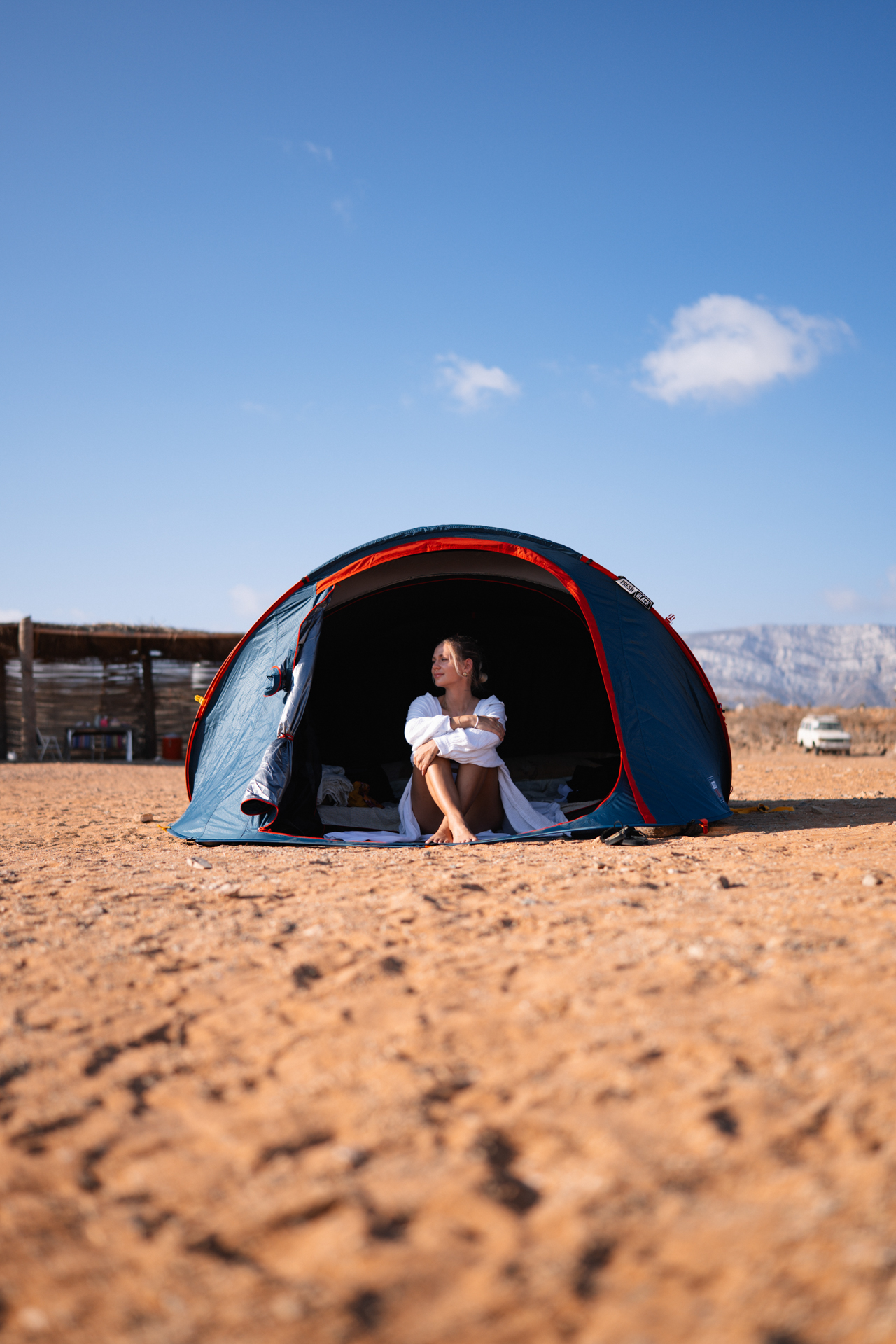
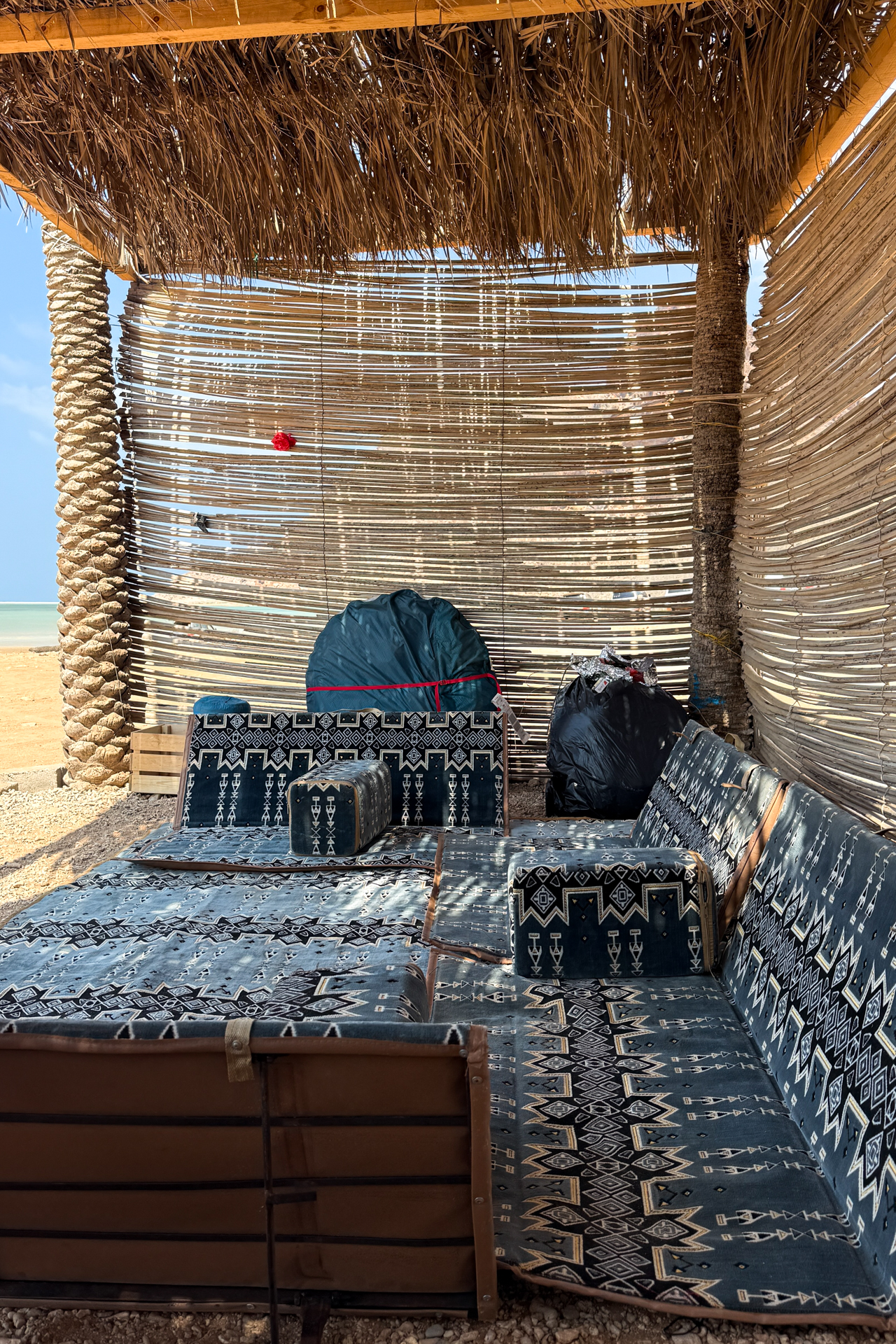
Accommodation on Socotra is all about camping. Most tours are set up as multi day camping trips where your tour operator provides tents, sleeping mats, and meals prepared by a local cook. You move from basecamp to basecamp across the island, sleeping right next to the places you explored that day. It is a completely different experience from staying in hotels, and honestly, it makes everything feel more authentic and connected to the island.
Your Local Guide
GREAT TOUR OPERATOR FOR SOCOTRA
Unlike most destinations, Socotra requires a local tour operator for your entire trip. They handle everything from your visa application to transportation, guides, camping equipment, and meals. It is not the kind of place where you can just show up and figure things out on the go. Choosing the right operator makes all the difference, so do your research and book well in advance.
Recommended Tour Operator for Socotra
If you’re planning a trip to Socotra and are looking for a reliable and well-organized option, this tour operator is one I can confidently recommend based on their offerings, transparency, and strong reputation among travelers.
Transportation
HOW TO GET AROUND SOCOTRA
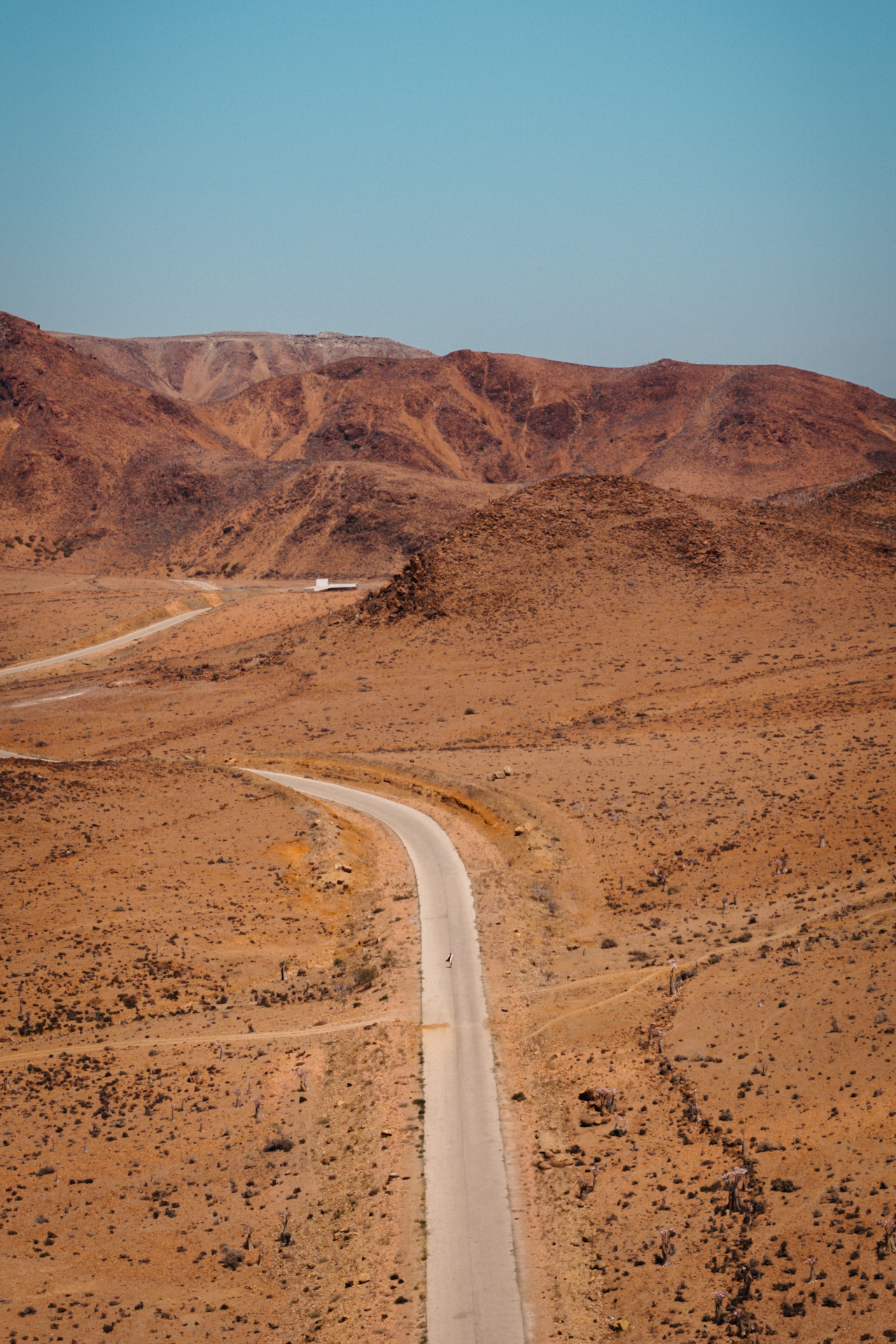
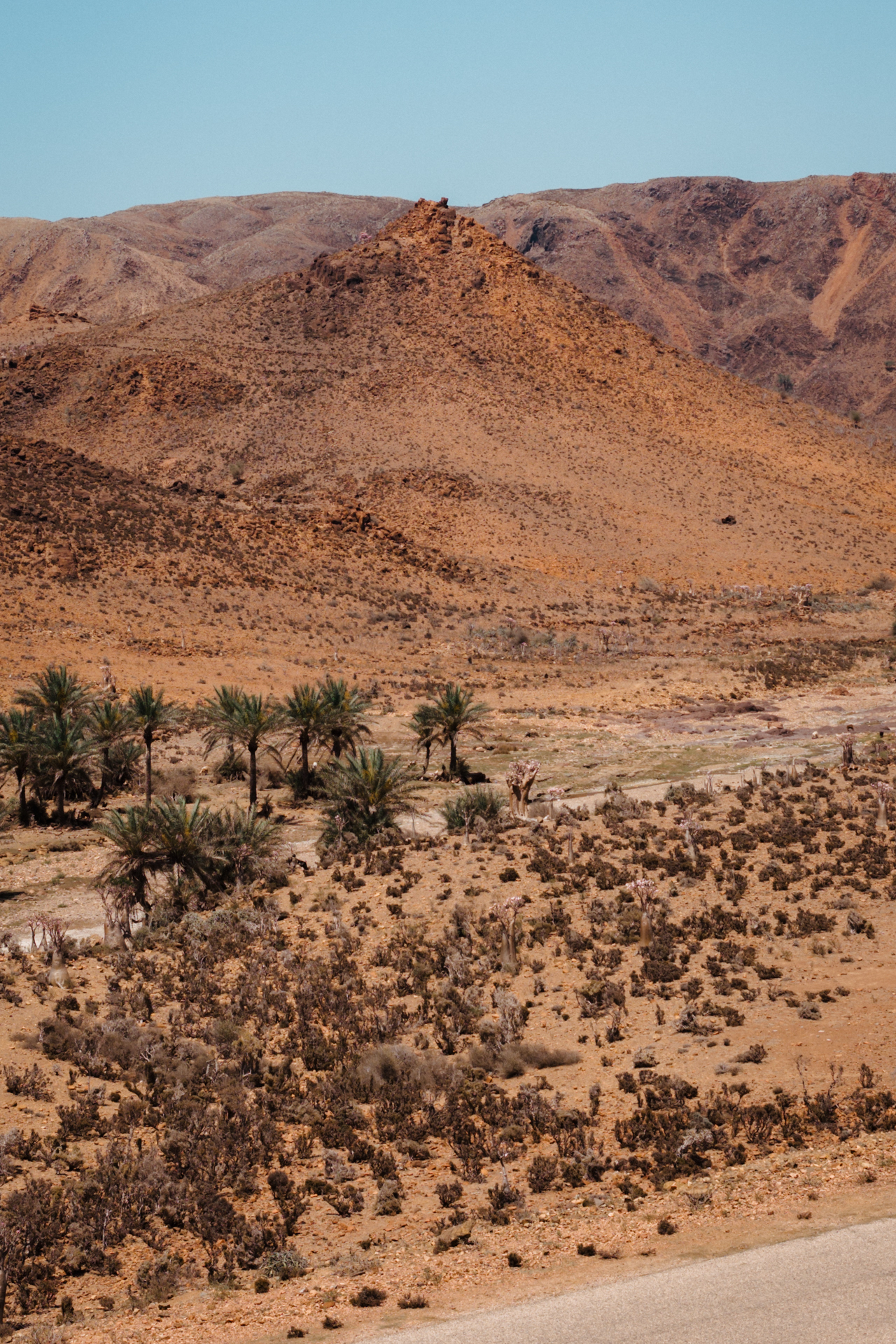
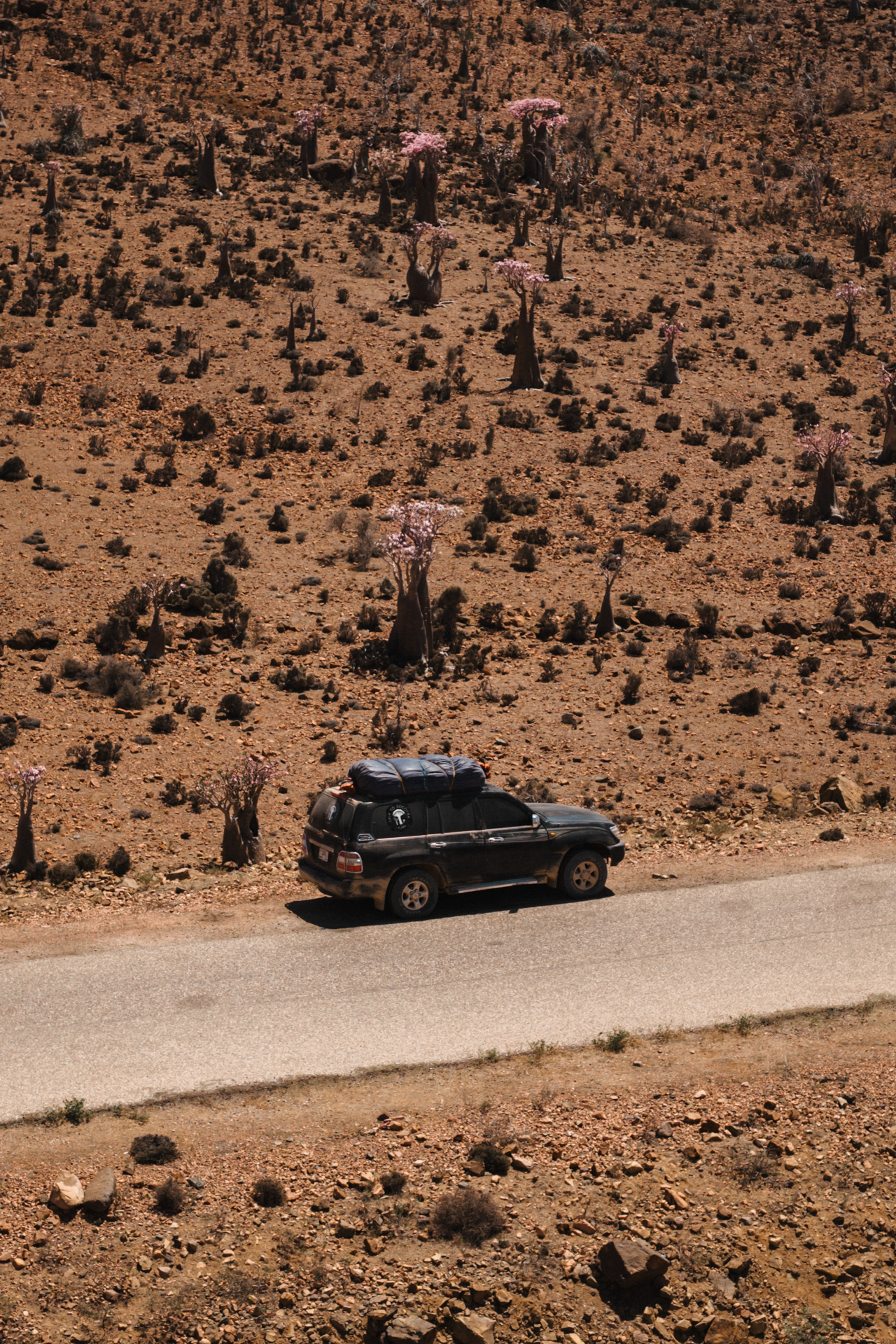
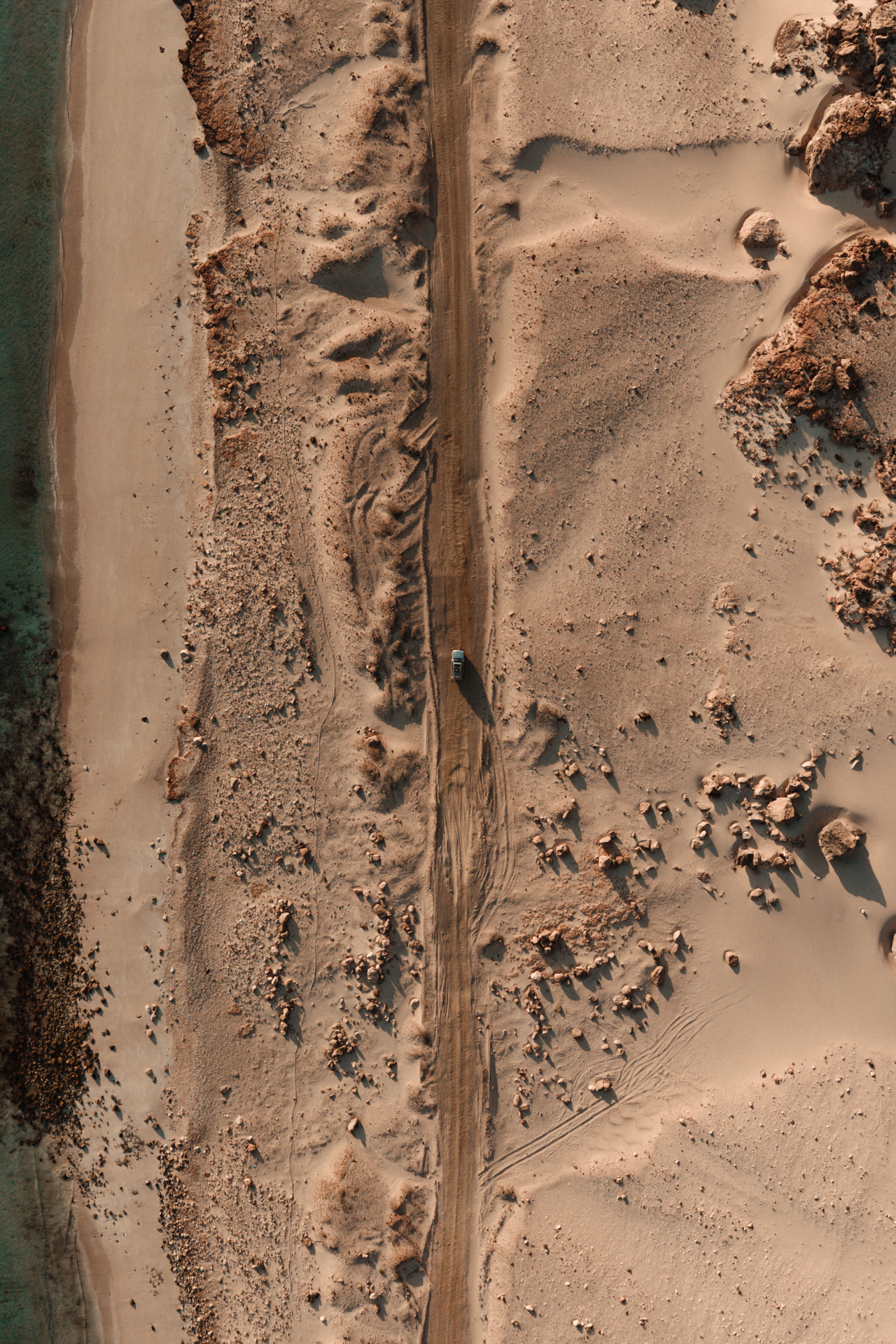
Getting around Socotra is straightforward because your tour operator handles all transportation. The island has one main paved road along the north coast and through the center, but many routes involve gravel, dirt, and sand that require a 4WD vehicle.
By 4WD Vehicle
This is the main way to get around the island. Your tour operator provides a sturdy 4x4 with a local driver who knows every road, track, and shortcut on the island. Some of the routes are quite adventurous with river crossings and sand driving, which is all part of the experience.
By Boat
For coastal destinations like Shoab Beach, boat trips are part of the itinerary. These are arranged by your tour operator and are often highlights of the trip, with dolphin sightings along the way.
On Foot
Many of Socotra's best spots require some walking or hiking. From short strolls through Dragon Blood Tree forests to longer hikes up to Hoq Cave, having comfortable shoes is essential. The terrain varies from sandy beaches to rocky mountain paths.
TRAVEL SMARTER
SOCOTRA TRAVEL TIPS
THE WEATHER
BEST TIME TO VISIT SOCOTRA
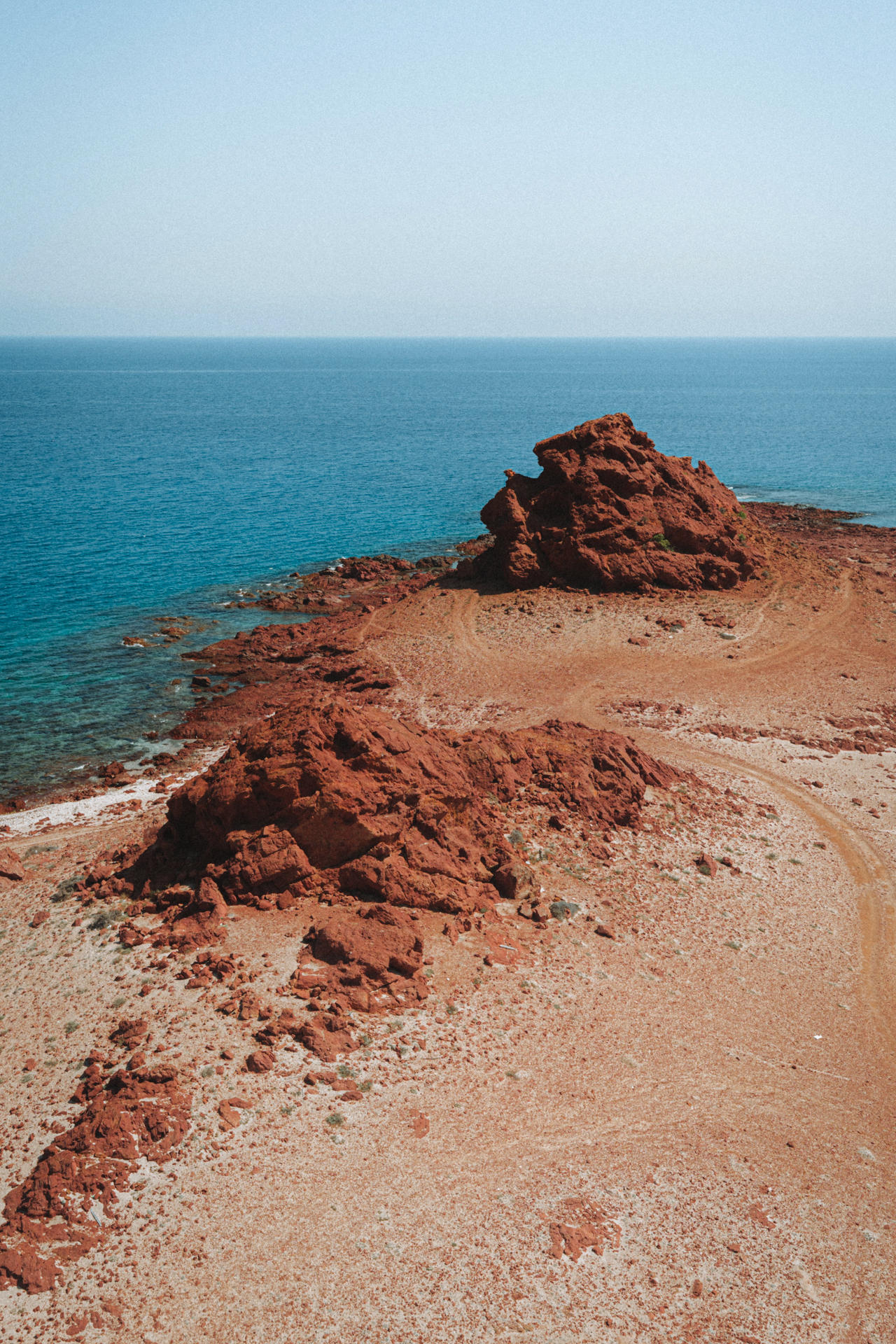
Socotra has a hot desert climate with warm temperatures year-round, usually between 24–37 °C (75–99 °F). The best time to visit depends on avoiding the strong monsoon winds. Don’t go later than mid-May, as the southwest monsoon starts to blow soon after. Tours usually stop from June to September during the monsoon season.
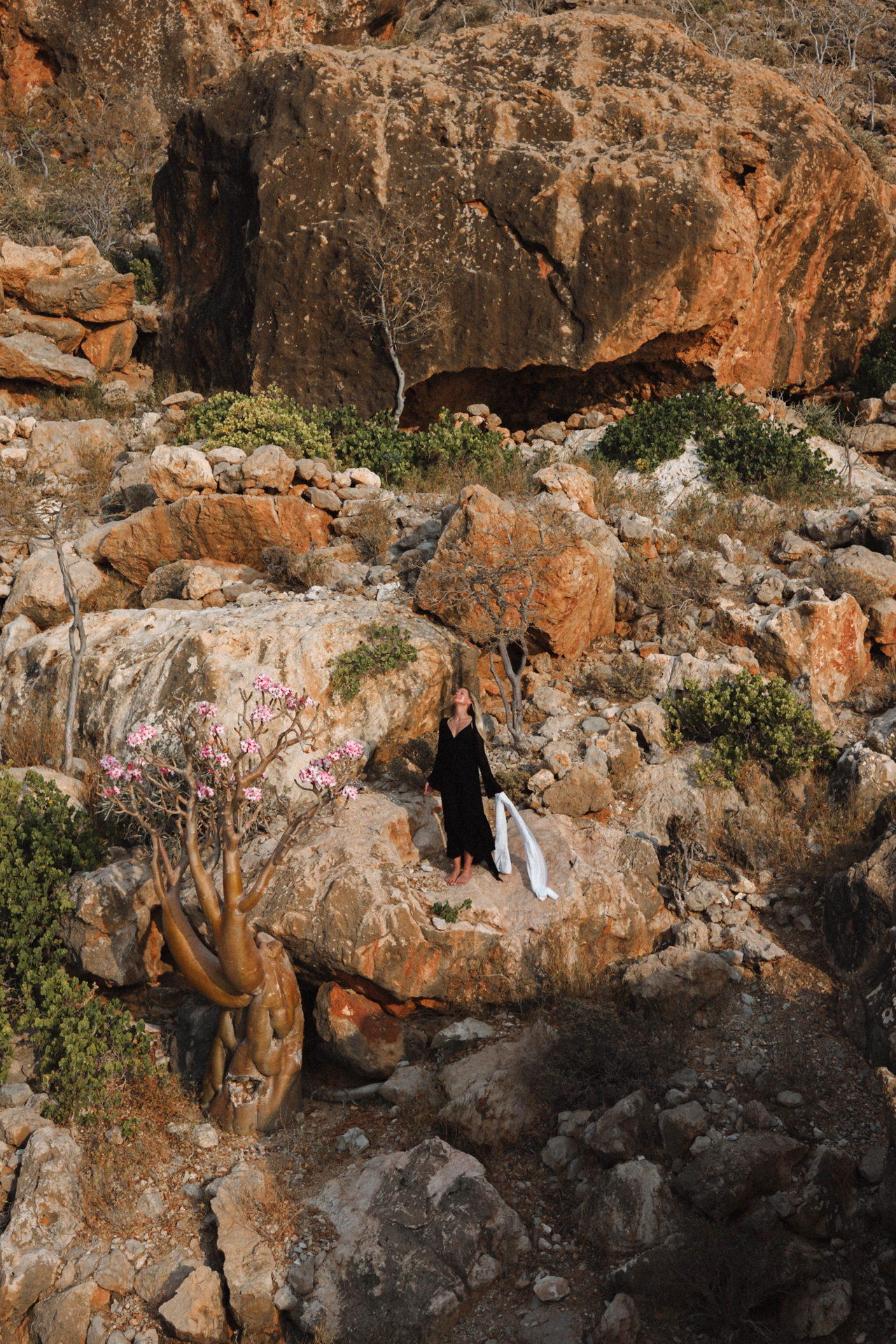
Dry season (October to April): This is the best time to visit Socotra. Expect warm, sunny days with calm seas perfect for boat trips and snorkeling. February to April is especially beautiful with pleasant temperatures and many of the island's unique plants in bloom, including the famous bottle trees around mid March.
Monsoon season (May to September): Strong southwest winds make Socotra very difficult to visit during these months. The winds create sand and dust storms, rough seas, and generally unpleasant conditions. Most tour operators do not run trips during this period, and flights can be disrupted.
I explored Socotra in early April, when the island was warm, dry, and full of color. The bottle trees did bloom! For anyone planning to travel to Socotra, the absolute best time to go is in March or early April, when the unique bottle trees are full of pink blooms!
Loved it? Pin it, Share it!
Inspire Others to Travel to Socotra
Keep Exploring
More Travel Guides from Socotra







THE TRAVEL

Let’s stay connected!
Get inspired, helpful tips and exclusive updates straight to your inbox. Subscribe to join a community of explorers.
Leave a Reply